Spring hydraulic cylinders For Truss arm crawler crane
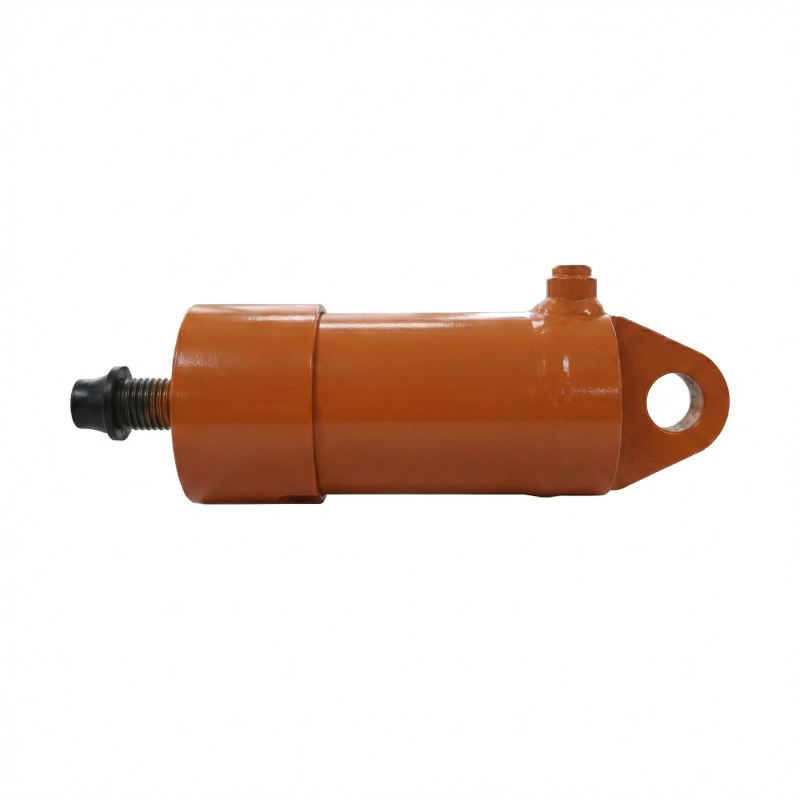
Maximize safety and tension control with our custom Spring Hydraulic Cylinders for truss arm crawler cranes. Engineered by Ever-Power for fail-safe operations and extreme durability. Get a Custom Quote Today!
Technical Specifications: The Power of Tension
| Parameter | Value |
|---|---|
| Function | Buffering effect |
| Cylinder diameter | 50 mm - 63 mm |
| Rod diameter | 32 mm |
| Travel | 25 mm - 60 mm |
| Maximum pressure | 6 MPa |
| Maximum thrust | 19 KN |
The "Unsung Hero" of Crawler Stability
Let’s be honest for a second. When you are looking at a 600-ton truss arm crawler crane, everyone is staring at the main boom lift cylinders. They are the giants, the show-stoppers. But in our experience, the Spring hydraulic cylinders (often used for track tensioning, braking systems, or safety locking pins) are the components that actually let you sleep at night. These aren't just simple actuators; they are the fail-safe line of defense. If the hydraulic system loses pressure, that spring stack inside the cylinder has to engage immediately, with zero hesitation, to lock the track or hold the tension.
We’ve seen too many site managers ignore these cylinders until a track jumps a sprocket or a brake fails to hold on a slope. Most printers—sorry, I mean most procurement teams—don't realize that the fatigue life of the internal spring stack is just as critical as the hydraulic seal integrity. The trick is balancing the hydraulic "release" pressure with the massive mechanical force of the springs. It’s a tug-of-war happening inside that steel barrel 24/7. At Ever-Power, we don't just throw a coil spring in a tube; we engineer a kinetic balance that survives the mud, the grit, and the vibration.
Step Inside Our Manufacturing Hub
Before we dive deeper into the metallurgy, why not take a look at where these safety-critical components are born? We’ve digitized our entire factory floor.
(See our Spring Assembly & Pressure Testing Stations Virtually)
The Engineering Behind the "Spring-Return" Logic
You might think a spring cylinder is simple tech, but in the crawler crane world, simplicity is deceptive. The biggest challenge we face is "spring relaxation" and corrosion. In a standard truss arm crawler crane application, these cylinders often sit static for weeks—either locking a frame or maintaining track tension. If moisture gets into the spring chamber (which is non-hydraulic), you get rust-jacking. This rust expands and physically jams the spring, meaning it won't apply force when you need it. That's a catastrophic failure waiting to happen.
Our approach is different. We utilize high-grade alloy steel Belleville washers (disc springs) for heavy-duty applications instead of standard coil springs. Why? Belleville stacks provide much higher force in a shorter stroke and have a longer fatigue life under high-vibration conditions. We also coat the internal chamber with a specialized phosphate conversion coating that holds oil film, preventing corrosion even if the breather filter gets clogged with site dust. We’ve found that this "double-defense" strategy doubles the service life compared to standard OEM replacement parts coming out of generic factories.

The Challenge
A large-scale wind power installation in the Gobi Desert (Inner Mongolia) was facing a nightmare. Their crawler cranes were experiencing frequent track tension failures. The fine silica sand was bypassing the standard wiper seals on their track adjuster cylinders (spring hydraulic type). Once the sand got in, it mixed with the grease, created a grinding paste, and destroyed the seals. The springs would then rust and seize, causing the tracks to become loose and slip off the drive sprockets. Downtime was costing them $15,000 a day.
The Ever-Power Solution
They reached out to us for a custom solution. We didn't just sell them a catalog item. We engineered a "Desert Spec" spring cylinder. The trick was implementing a triple-lip sealing system with an integrated metallic scraper. This scraper physically shaved the ice and compacted sand off the rod before it could reach the soft seals. We also enclosed the spring chamber in a completely sealed, oil-bath unit rather than a breather-vented design.
The Outcome
The result? Six months of continuous operation without a single track tension failure. The site manager told us, "It's the first time we haven't had to strip a cylinder in the field." That’s the kind of reliability that builds reputations.
From the Heart of China's Hydraulic Valley
Manufacturing spring hydraulic cylinders is a different beast compared to standard linear actuators. It requires specialized assembly presses that can safely compress high-tension springs during the capping process. Our facility in China is equipped with 500-ton vertical assembly presses designed specifically for this.
We offer full customization. Whether you need a specific spring rate, a unique mounting flange, or specialized port locations to fit tight chassis spaces, we handle it. We control the entire supply chain, from the raw steel billet to the final painting, ensuring that your costs remain competitive without sacrificing a micron of quality.

Frequently Asked Questions
Common queries we get from the field.
Q: How do your spring hydraulic cylinders handle the extreme vibration inherent in crawler crane track operations?
Q: What is the typical lead time for manufacturing a custom batch of spring return cylinders for a retrofitted crane?
Q: Can we use standard hydraulic oil for these spring cylinders in sub-zero Russian or Canadian climates?
Q: How do you prevent rust-jacking on the spring stack inside the cylinder over long-term storage?
Q: Is it cost-effective to repair a failed spring hydraulic cylinder, or should we just buy a new replacement?
Additional information
| edited | by hyw |
|---|
Related products
-
Support hydraulic cylinders For Truss arm crawler crane
-
Hydraulic cylinders For Truss arm crawler crane
-
Arm anti tilt hydraulic cylinders For Truss arm crawler crane
-
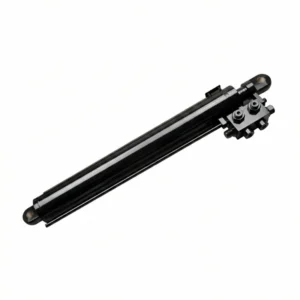
Lift hydraulic cylinders For Truss arm crawler crane
-
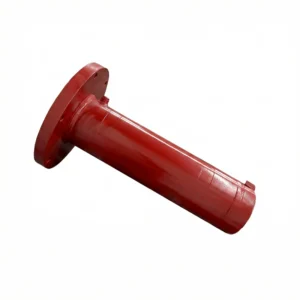
Power pin hydraulic cylinders For Truss arm crawler crane
-
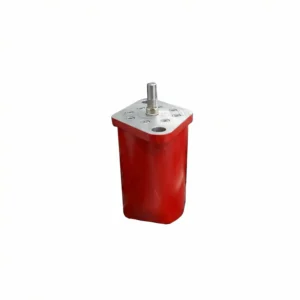
Pin shaft hydraulic cylinders For Truss arm crawler crane