Welcome to the bleeding edge of industrial automation. In today’s hyper-competitive manufacturing landscape, the ability of a robotic arm to interact with its environment dictates the efficiency of the entire production floor. At the very end of these sophisticated robotic arms lies the end-effector—the physical bridge between digital commands and physical reality. When standard pneumatic or electrical grippers fail to provide the necessary clamping force, compactness, or harsh-environment durability, the industry turns to the definitive solution: the Robot Gripper Hydraulic Cylinder.
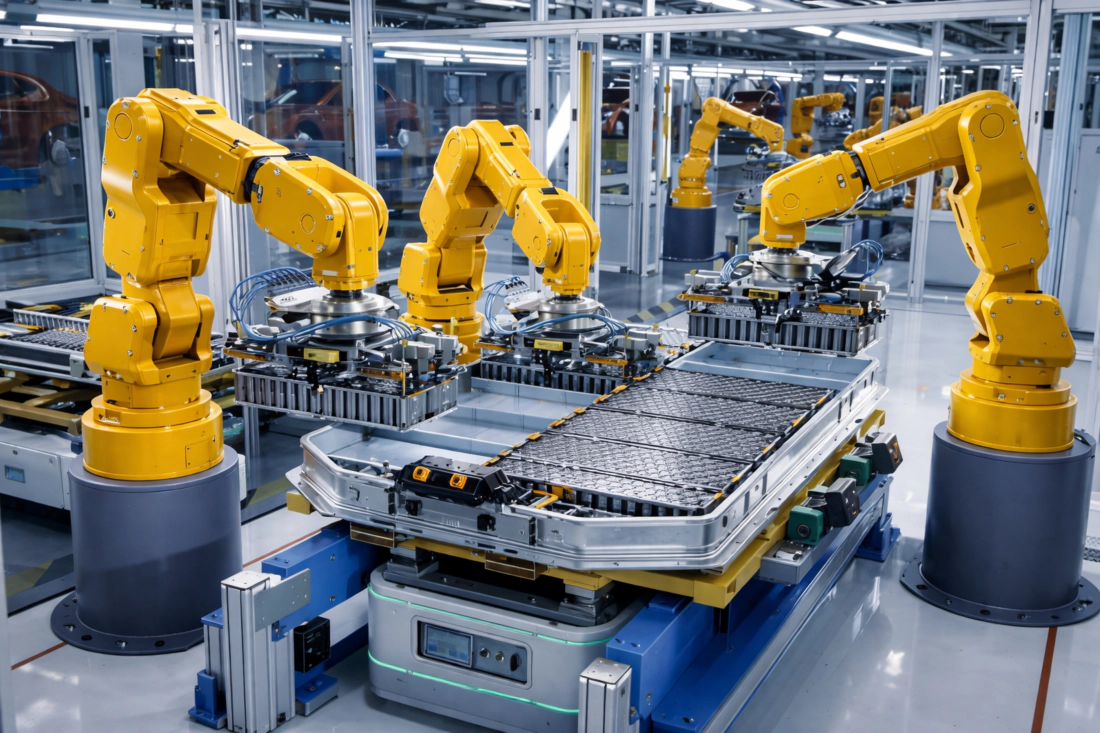
Over my 18-year career as a fluid power application engineer, I have witnessed a massive paradigm shift. The demands placed on automated systems have grown exponentially. We are no longer just lifting boxes; we are precision-handling engine blocks, forging red-hot metals, and even maneuvering heavy components in advanced agricultural machinery assembly lines. To achieve this, the modern hydraulic system has evolved. It is no longer a leaky, cumbersome apparatus but a sleek, digitally controlled powerhouse. This article will dissect the engineering behind the robot gripper hydraulic cylinder, demonstrating why our highly specialized custom hydraulic products are the trusted choice for automated facilities globally, from state-of-the-art Chinese electronics plants to heavy-duty European automotive factories.
Micro-Hydraulics: The Anatomy of a Gripper Drive Cylinder
Designing a robot gripper hydraulic cylinder requires an entirely different engineering philosophy compared to massive industrial presses. Space is an absolute premium at the end of a multi-axis robotic arm. Every gram of weight affects the robot’s kinetic payload capacity and inertial dynamics. Therefore, the internal components must offer an exceptional power-to-weight ratio. Let us examine the core metallurgy and machining precision required for these custom hydraulic products.
The Piston Rod (活塞杆)
In a gripper actuator, the piston rod translates fluid pressure into direct clamping force. Due to the high cycle rates and potential for offset loading when gripping irregular objects, the piston rod in our custom hydraulic products is machined from ultra-high-strength stainless steel or induction-hardened 42CrMo4 alloy. It undergoes rigorous hard-chrome plating to a thickness of exactly 20-25µm, ensuring zero micro-scoring even in abrasive manufacturing environments.
The Cylinder Barrel (缸体)
The cylinder barrel of a miniature gripper cylinder must be flawless. Any internal irregularity leads to fluid bypass, causing the robotic gripper to lose its holding force—a catastrophic failure if handling a heavy payload. We utilize seamless extruded aluminum alloys or precision-skived steel tubes for the cylinder barrel, achieving an internal surface finish of Ra 0.2 µm or better. This allows the high-performance polyurethane seals to glide with minimal friction.
Synchronized Actuation: The Complete Hydraulic System
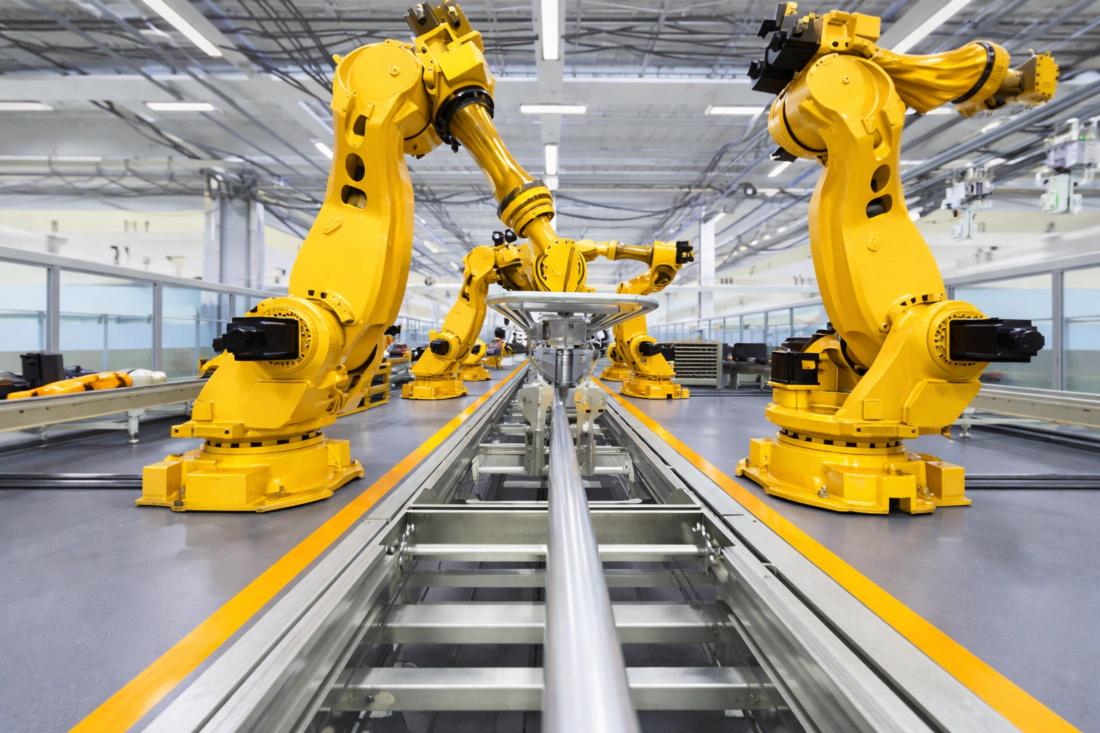
A high-functioning robot gripper hydraulic cylinder does not operate in isolation. It is merely the terminal muscle of a highly sophisticated, nervous-system-like hydraulic system. To achieve the millisecond response times required by modern six-axis robots, the entire fluid power circuit must be optimized.
Driving this system is the power unit (HPU). For robotics, we design ultra-compact, decentralized power units that can be mounted directly on the robot’s base or gantry. This eliminates long hose runs, reducing pressure drops and increasing actuation speed. Within the power unit sits the heart of the system: the hydraulic pump. We integrate micro-gear pumps or highly responsive variable-displacement axial piston pumps. The hydraulic pump delivers exact fluid volumes precisely when the robot’s programmable logic controller (PLC) signals a gripping command.
Furthermore, robotic articulation often requires more than just linear gripping. By integrating our custom hydraulic cylinder with a compact hydraulic motor at the wrist joint, the robotic arm gains the ability to infinitely rotate the gripped payload. This combination of a hydraulic motor for rotation and a gripper cylinder for holding creates an unstoppable mechanism, perfectly suited for heavy-duty automated assembly lines.
Engineering Specifications & Material Data
When lives, expensive payloads, and continuous production cycles depend on your equipment, generic specifications are unacceptable. Our dedication to custom hydraulic products ensures that every robot gripper hydraulic cylinder is tuned to the exact physics of your operation. Below is a foundational parameters table showcasing our advanced technological capabilities.
| Technical Parameter | Material / Specification | Robotic Automation Benefit |
|---|---|---|
| Operating Pressure | Up to 250 Bar (High-Density) | Delivers immense gripping force in a micro-footprint, outperforming electric servos. |
| Piston Rod (活塞杆) | Hardened Stainless Steel / 42CrMo4 | Resists bending under offset gripper loads; highly resistant to factory coolants. |
| Cylinder Barrel (缸体) | Aerospace-grade Aluminum / ST52.3 | Reduces end-of-arm weight, improving robot speed and lowering inertial stress. |
| Response Time | < 30 Milliseconds | Allows for high-speed pick-and-place operations synchronized with the hydraulic pump. |
| Sealing Technology | Low-Friction PTFE Composite | Prevents stick-slip phenomena, allowing for delicate, proportional gripping force control. |
Diverse Application Scenarios: Where Power Meets Precision
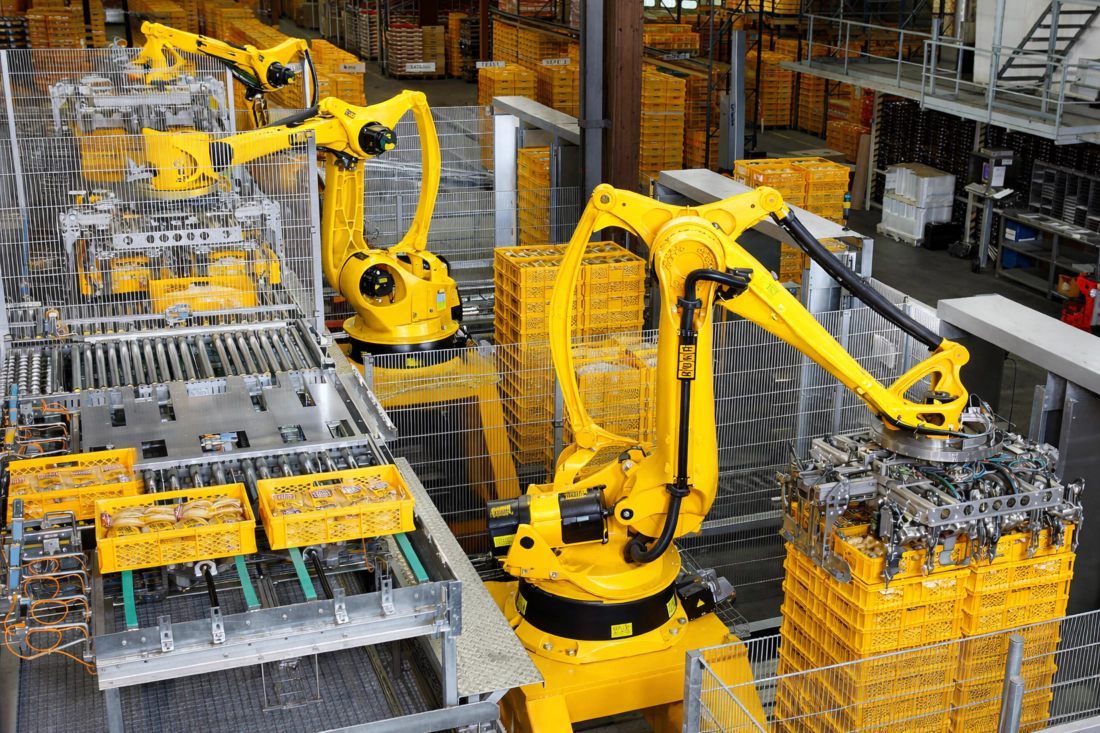
The adaptability of our custom hydraulic cylinder solutions allows them to dominate across remarkably diverse industries. Wherever there is a need for robust, reliable, and space-efficient actuation, our gripper cylinders are deployed.
Heavy Foundry & Forging
In automated foundries, robots manipulate red-hot metal billets weighing hundreds of kilograms. Standard actuators melt or fail. Our robot gripper hydraulic cylinder utilizes specialized heat-resistant Viton seals and a thermally shielded cylinder barrel to maintain relentless gripping force near blast furnaces.
Agricultural Machinery & Harvesting
Interestingly, high-tech automation is revolutionizing farming. In modern automated agricultural machinery, such as robotic lumber harvesters or heavy crop manipulators, our rugged hydraulic grippers endure extreme outdoor environments, dirt, and variable payloads, all driven by a robust tractor-mounted power unit.
Automotive Assembly Lines
Electric Vehicle (EV) battery packs are dense and fragile. Our custom hydraulic products provide proportional pressure control. By precisely regulating the hydraulic pump output, the gripper cylinder securely locks onto the battery chassis without crushing the delicate internal lithium-ion cells.
Global Success Story: Revolutionizing a German Automation Plant
To understand the profound impact of superior fluid power engineering, we examine a recent deployment in Stuttgart, Germany. A leading tier-1 automotive parts manufacturer was struggling with their automated transmission assembly line. Their heavy-duty 6-axis robots were using pneumatic grippers to handle 45kg transmission housings. Due to air compressibility, the grippers occasionally lost holding force during high-speed rotational sweeps, resulting in catastrophic drops, ruined components, and severe safety hazards.
Our engineering task force proposed a complete paradigm shift to a micro-hydraulic system. We engineered a dual-jaw robot gripper hydraulic cylinder specifically tailored to the robotic arm’s payload limits. By utilizing high-yield piston rods (活塞杆) and lightweight aircraft-grade aluminum for the cylinder barrel (缸体), we achieved a clamping force of 15,000 Newtons while adding only 3kg to the end-effector.
We paired these custom hydraulic products with an ultra-compact, closed-loop power unit mounted directly on the robot gantry, utilizing a servo-driven hydraulic pump for instantaneous pressure delivery. The result? Zero dropped components over 18 months of continuous 3-shift operation. Furthermore, the incompressible nature of hydraulic fluid allowed the robot to increase its sweep speed by 22%, dramatically increasing factory throughput. This is the definitive ROI of expertly applied fluid power.
Voices from the Frontlines: Client Testimonials
“Upgrading our robotic arms with their custom robot gripper hydraulic cylinder transformed our heavy payload handling. The integration with the new hydraulic pump was flawless, providing a clamping force that electric grippers simply couldn’t match.”
– Hans M., Lead Automation Engineer (Germany)
“In the manufacturing of heavy agricultural machinery, durability is everything. The hardened piston rods and robust cylinder barrels on these custom hydraulic products have survived millions of cycles in extremely dusty, harsh environments with zero fluid leaks.”
– Sarah J., Operations Director (USA)
“The synergy between their compact power unit, hydraulic motor, and the gripper cylinder allowed us to build a highly agile, fully automated assembly cell for EV motors. The precision control over the hydraulic system is outstanding.”
– Wei C., Robotics Integration Manager (China)
Excellence in Manufacturing: Step Inside Our Smart Factory
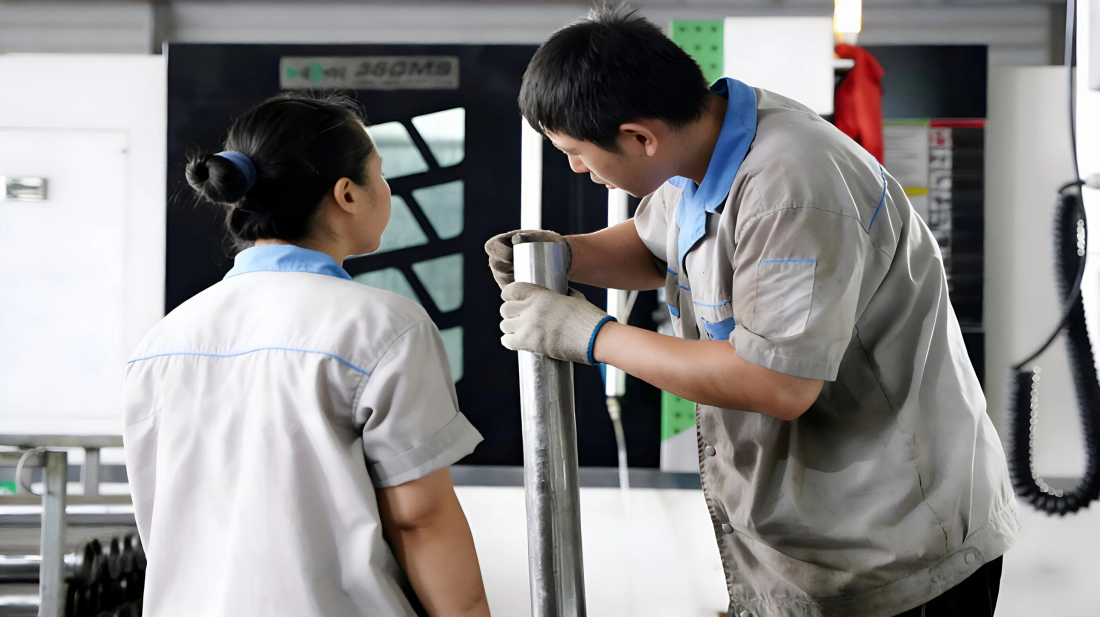
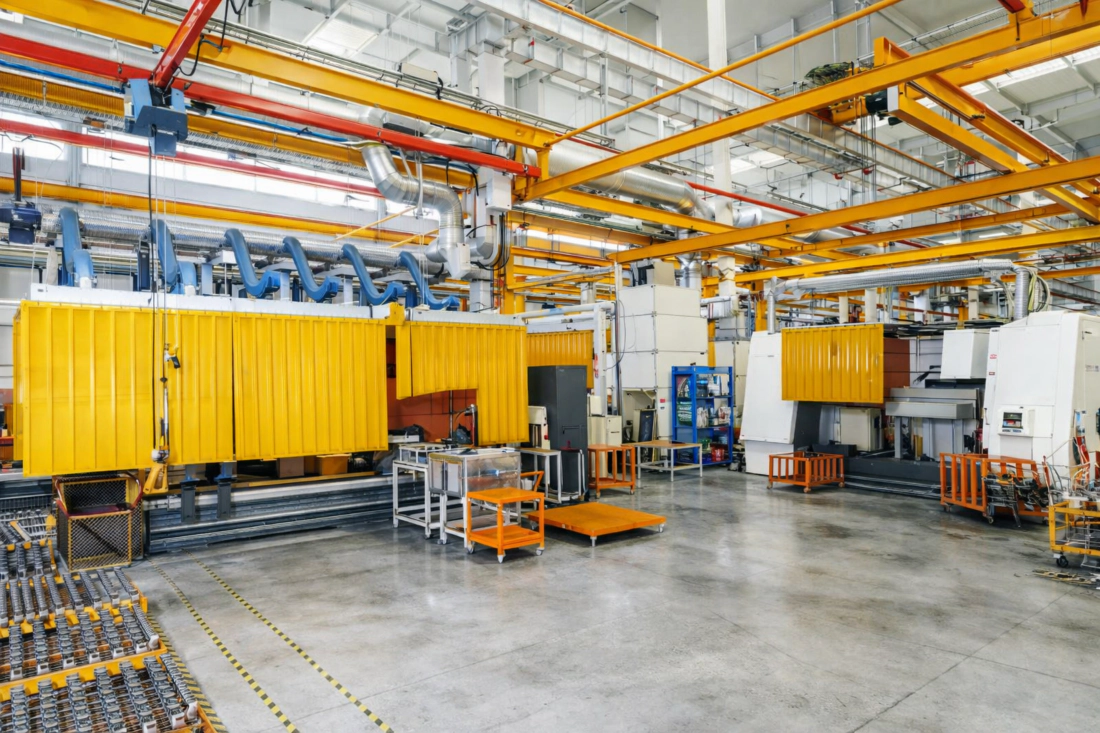
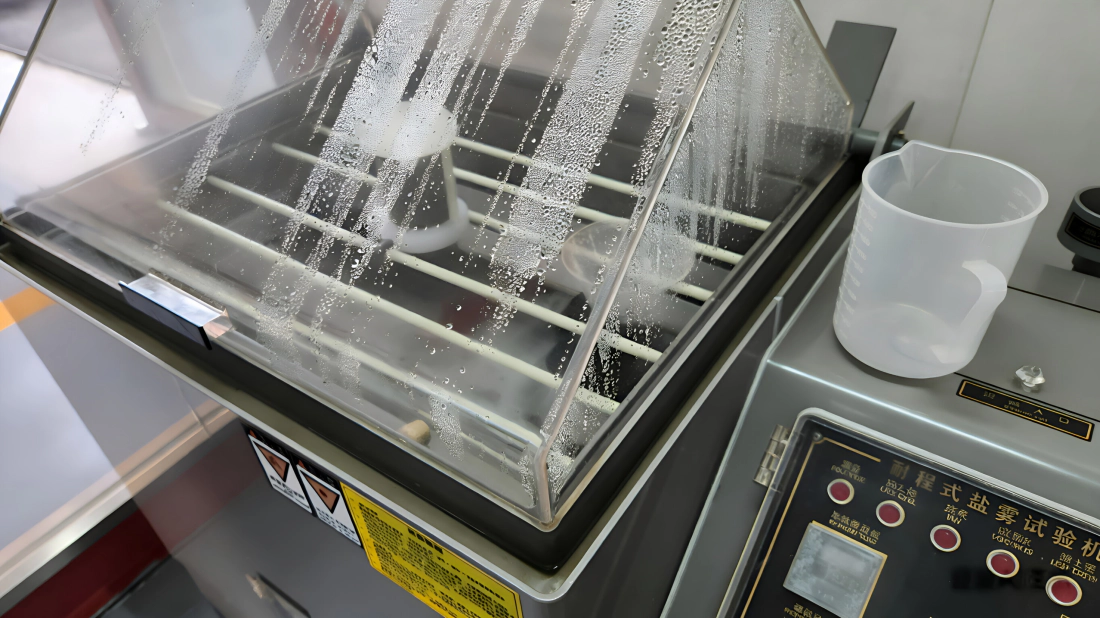
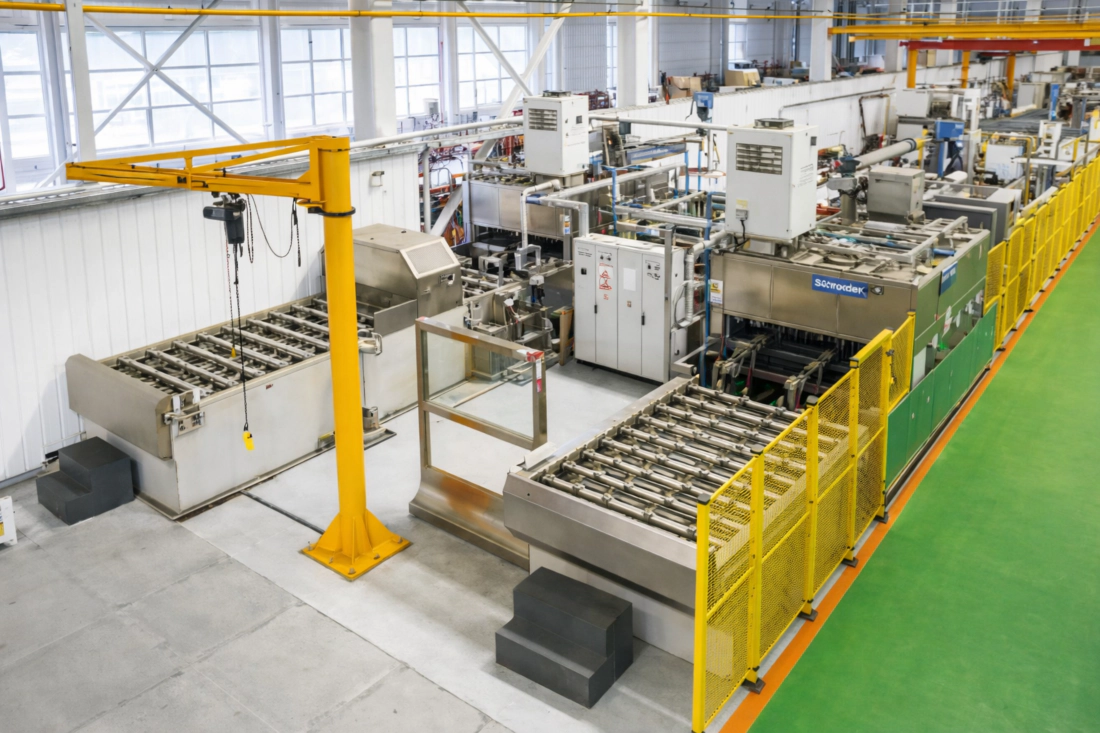
We don’t just assemble components; we engineer complete fluid power solutions. Our state-of-the-art facility utilizes advanced CNC turning centers, robotic welding, and micrometer-level quality inspection to craft every hydraulic cylinder. We believe in absolute transparency. We warmly welcome clients from all over the world to visit our virtual reality factory and witness the birth of world-class custom hydraulic products.
Expert Technical Insights: Frequently Asked Questions
1. Why should our automotive plant in Germany switch from pneumatic to a custom robot gripper hydraulic cylinder?
Air is compressible, which causes spongy, inconsistent gripping forces under heavy payloads. A custom hydraulic products solution provides incompressible fluid power. This means the robot gripper hydraulic cylinder exerts massive, locked-in clamping force in a fraction of the space. For heavy automotive engine block handling, a hydraulic system ensures precise, drop-free automated assembly.
2. How do you ensure the piston rod and cylinder barrel survive the harsh dust of agricultural machinery manufacturing?
The environment in agricultural machinery production is highly abrasive. We utilize heavy hard-chrome plating on the piston rod (活塞杆) and integrate advanced double-lip wiper seals to keep debris out. The cylinder barrel (缸体) is engineered with thick-walled ST52.3 steel, ensuring the internal hydraulic fluid remains uncontaminated, drastically extending the life of the actuator.
3. Can I integrate a compact power unit and hydraulic pump directly onto our six-axis robotic arms?
Absolutely. Long hydraulic hoses create latency. Our application engineering team designs miniaturized, decentralized power unit systems that can be mounted near the robot’s base or shoulder. We pair this with a high-speed micro hydraulic pump to deliver instant pressure to the end-effector gripper, optimizing your robotic cycle times.
4. What is the advantage of using a hydraulic motor alongside a micro hydraulic cylinder in robotic applications?
While the hydraulic cylinder provides the linear clamping force to grip the object, an integrated hydraulic motor provides endless, high-torque rotary motion at the robot’s wrist. This combination is essential for tasks like automated screwdriving, threading, or manipulating heavy components in complex 3D space during advanced manufacturing.
5. I am looking to buy highly reliable custom hydraulic products for my robotics facility in China. Where can I get a quote?
As a global leader in fluid power, we supply comprehensive hydraulic system solutions worldwide. From CAD design to final deployment of your robot gripper hydraulic cylinder, our expert engineering team manages the entire process. You can reach out directly via our contact portal for a detailed technical consultation and global pricing.