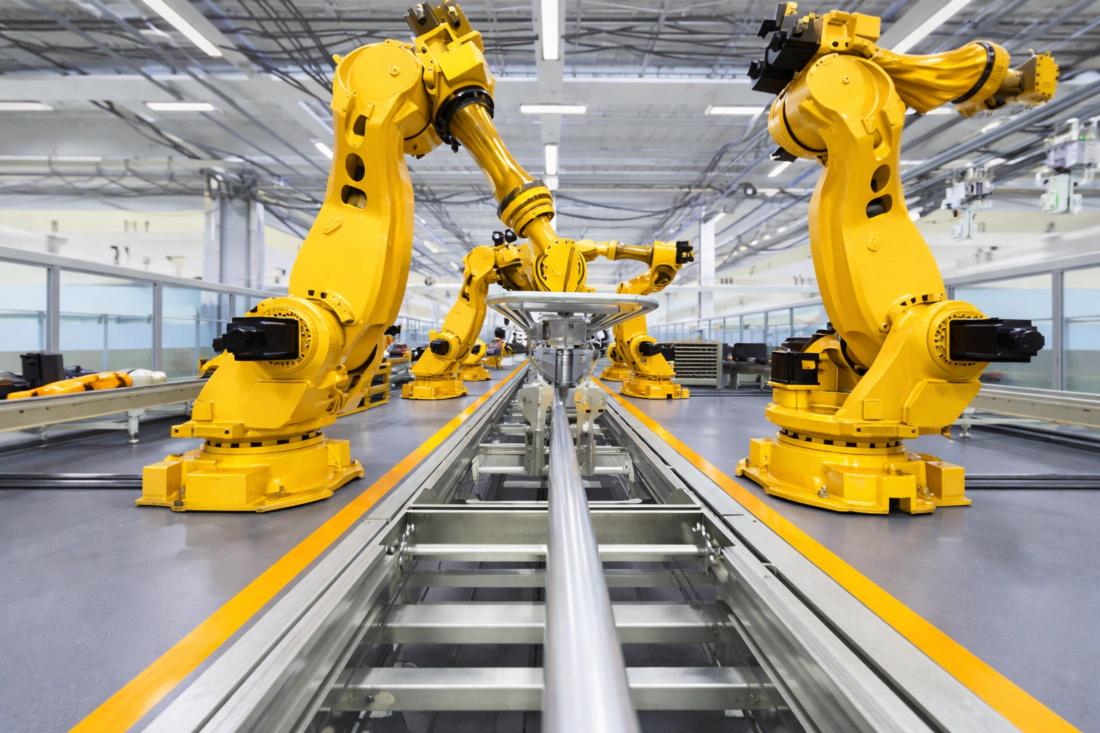
In the rapidly evolving landscape of modern manufacturing, stationary robotics are no longer sufficient to meet the demands of highly flexible, large-scale production facilities. The integration of a “7th axis”—a linear transfer track or slide stage—grants a standard six-axis robot unprecedented horizontal mobility, effectively multiplying its working envelope. At the mechanical heart of this extended mobility is the Slide Stage Drive Hydraulic Cylinder. As an application engineer with nearly two decades of rigorous field and design experience, I have dedicated my career to optimizing the kinetic energy transfer within these complex systems. A perfectly calibrated hydraulic cylinder operating on a 7th axis track is the definitive bridge between massive payload capacity and sub-millimeter positioning accuracy.
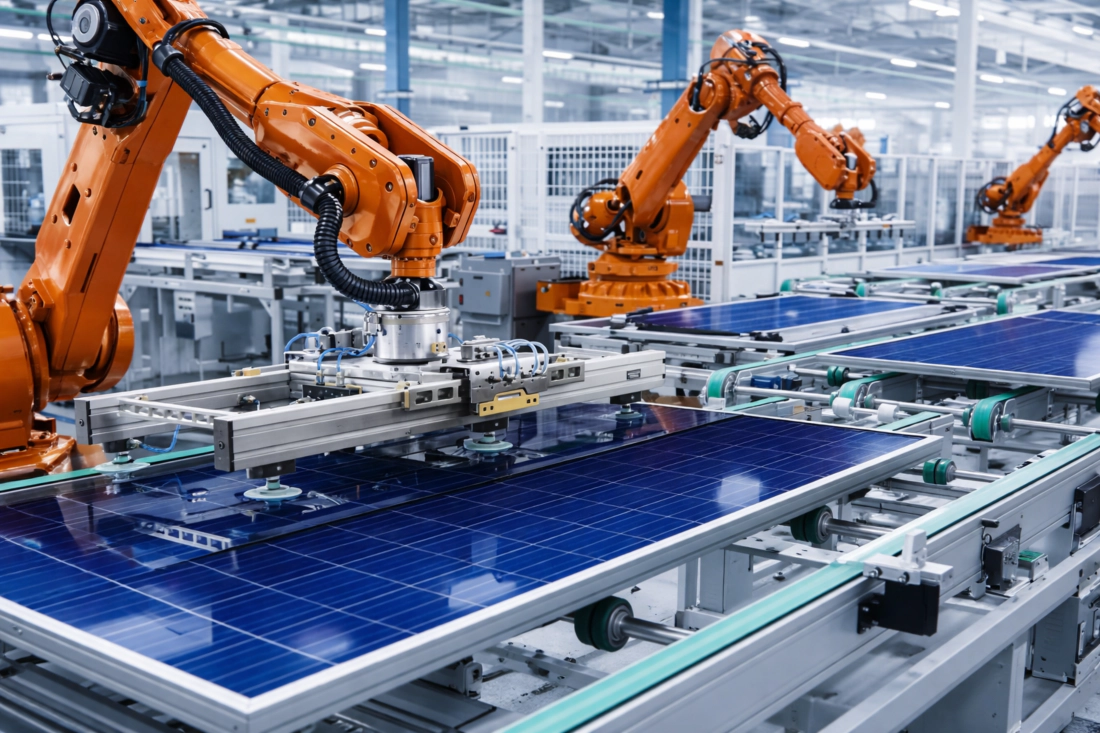
When accelerating a multi-ton robotic arm across a production floor, electric drives often face limitations regarding torque density and shock absorption. This is where a highly specialized Slide Stage Drive Hydraulic Cylinder demonstrates its absolute superiority. By utilizing incompressible fluid dynamics, these cylinders provide smooth, judder-free linear motion, ensuring the robotic arm remains entirely stable during transit. Throughout this comprehensive technical guide, we will dissect the anatomy of these systems, explore their integration within the broader hydraulic system, and illustrate why our globally recognized custom hydraulic products are the premier choice for automation integrators.
1. The Anatomy of a 7th Axis Slide Stage Drive Hydraulic Cylinder
Designing a Slide Stage Drive Hydraulic Cylinder requires a fundamental understanding of dynamic loads. Unlike vertical lifting cylinders, a horizontal drive cylinder must overcome static friction instantly and manage immense inertial forces during deceleration. The core structural integrity begins with the cylinder barrel. For 7th axis applications, the cylinder barrel is typically cold-drawn, honed to a micro-finish, and designed with a heavy-wall thickness to prevent ballooning under high-pressure spikes caused by emergency stops of the robotic mass.
Operating within this pristine barrel is the piston rod. In a robot slide stage, the piston rod is exposed to the factory environment and subjected to micro-vibrations. Therefore, we manufacture our piston rods using premium induction-hardened steel, heavily plated with hard chrome. This metallurgical composition ensures the piston rod resists scoring from airborne particulates and prevents buckling when the cylinder is at full extension pushing a heavy robot carriage. Furthermore, to achieve the pinpoint accuracy required for robotic welding or assembly, these cylinders frequently incorporate integrated linear position sensors within the hollowed piston rod, providing real-time, closed-loop feedback to the automation controller.
2. Synergy within the Complete Hydraulic System
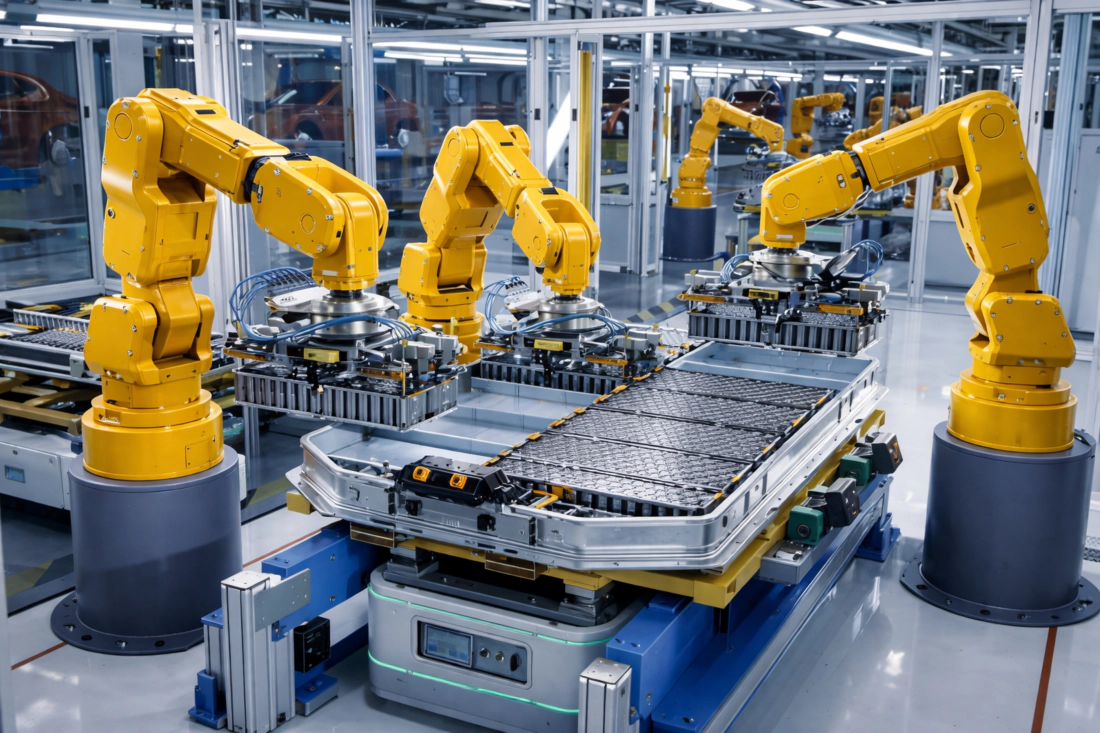
A high-performance Slide Stage Drive Hydraulic Cylinder is only as effective as the hydraulic system that powers it. For a 7th axis robotic track to operate with fluidity and futuristic precision, the fluid delivery must be flawless. The central nervous system of this operation is the power unit (Hydraulic Power Unit – HPU). We custom-engineer each power unit to match the specific volumetric and pressure demands of the slide stage. These units feature ultra-quiet enclosures, multi-stage filtration to maintain fluid purity, and advanced thermal management systems to handle 24/7 continuous duty cycles.
The heart of the power unit is the hydraulic pump. For robotic tracking applications, we predominantly utilize variable displacement proportional axial piston pumps. The hydraulic pump continuously adjusts its flow output to match the precise velocity profile demanded by the robot’s PLC. When the robot needs to move rapidly between stations, the hydraulic pump delivers maximum flow; as it approaches the target, the flow is proportionately reduced for a perfectly cushioned stop. In highly complex, multi-directional 7th axis stages where track turning or auxiliary rotary motion is required, a precision hydraulic motor is integrated seamlessly into the circuit. The synchronization between the hydraulic pump, the valving, the hydraulic motor, and the main hydraulic cylinder creates an orchestration of mechanical power that defines modern automation.
3. Unmatched Capability in Custom Hydraulic Products
No two automated production lines are identical. A robotic welding cell in an automotive plant has vastly different dynamics compared to a cleanroom semiconductor handling robot. Consequently, off-the-shelf actuators inherently compromise performance. Our core philosophy is rooted in the design and manufacturing of truly bespoke custom hydraulic products. We tailor every aspect of the Slide Stage Drive Hydraulic Cylinder to your precise operational parameters.
Tailored Stroke Lengths
Whether your 7th axis spans 2 meters or 20 meters, we engineer multi-stage telescopic or ultra-long stroke single-acting solutions. Our custom machining ensures the cylinder barrel maintains perfect concentricity over massive distances.
Proportional Valve Integration
We minimize fluid lag by designing custom hydraulic products with custom manifolds that mount high-speed servo-proportional valves directly onto the hydraulic cylinder, drastically increasing reaction times for the slide stage.
Frictionless Seal Technology
Low-speed positioning can suffer from stick-slip. We utilize advanced PTFE and polyurethane sealing matrices on the piston rod to ensure buttery-smooth motion from 1 mm/s up to maximum rapid traverse speeds.
4. Technical Parameters and Material Science
Transparency in engineering is vital. The longevity and reliability of our Slide Stage Drive Hydraulic Cylinder are derived directly from stringent material selection and ultra-tight machining tolerances. Below is a representative technical matrix for a standard heavy-duty robot slide stage integration.
| Component / Parameter | Material / Value | Engineering Impact on 7th Axis |
|---|---|---|
| Cylinder Barrel | ST52 / E355 Seamless Steel (Honed Ra ≤ 0.2μm) | Ensures minimal volumetric expansion under load, allowing the hydraulic system to maintain precise positional hold. |
| Piston Rod | 42CrMo4 Induction Hardened + Hard Chrome | High tensile strength prevents deflection over long slide tracks. Chrome resists spatter in robotic welding applications. |
| Operating Pressure | 160 Bar to 250 Bar (Customizable) | Provides the extreme force density required to accelerate multi-ton robot bases seamlessly from rest. |
| Positioning Sensor | Absolute Magnetostrictive Probe | Integrated inside the cylinder; communicates directly with the robot PLC for sub-millimeter repeatable accuracy. |
5. Unyielding Durability: From Robotics to Agricultural Machinery
The technological advancements we develop for ultra-clean, high-precision automated factory lines have profound crossover benefits. The robustness required to rapidly decelerate a massive robot on a 7th axis track translates perfectly into heavy-duty mobile applications. For example, the same ruggedized seal configurations and impact-resistant cylinder barrel designs we use in our Slide Stage Drive Hydraulic Cylinder are actively adapted for modern agricultural machinery.
In the context of agricultural machinery, such as autonomous combine harvesters or heavy-duty tillage equipment, the hydraulic system operates in punishing environments fraught with dirt, extreme temperature fluctuations, and severe shock loads. By infusing our agricultural machinery cylinders with the precision-engineering ethos of our robotic products—such as advanced fluid filtration from the power unit and unyielding piston rod coatings—we deliver custom hydraulic products that simply do not fail, whether they are navigating a pristine factory floor or a rugged crop field.
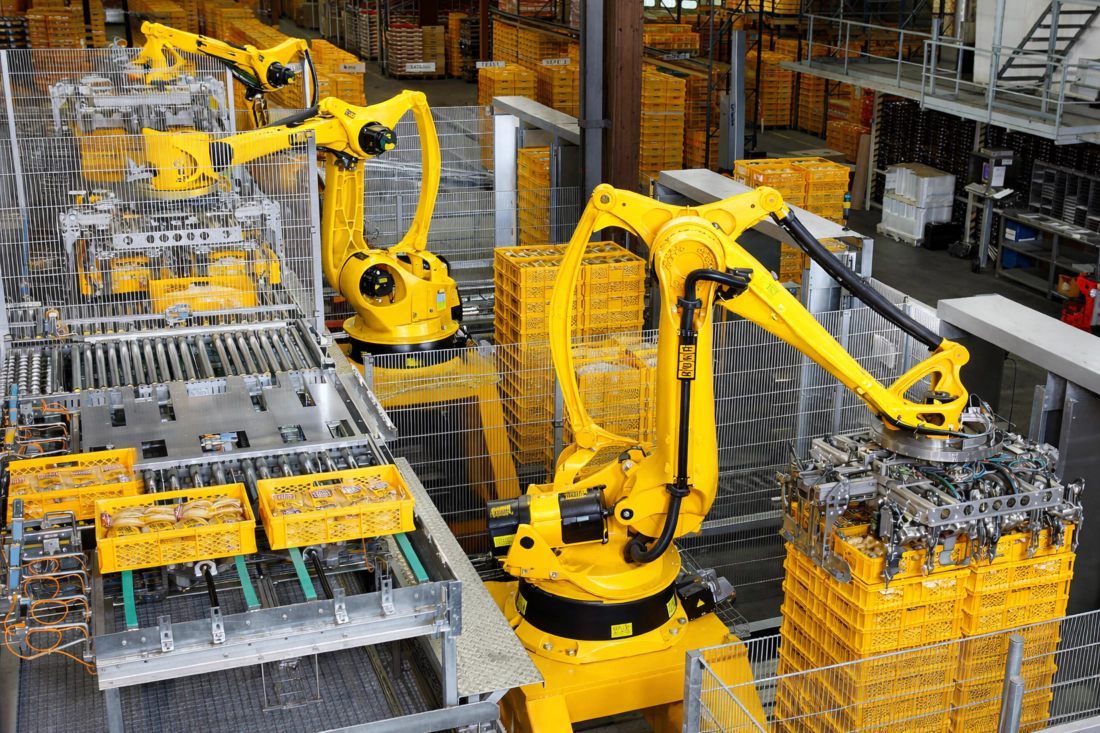
6. Inside Our World-Class Manufacturing Facility
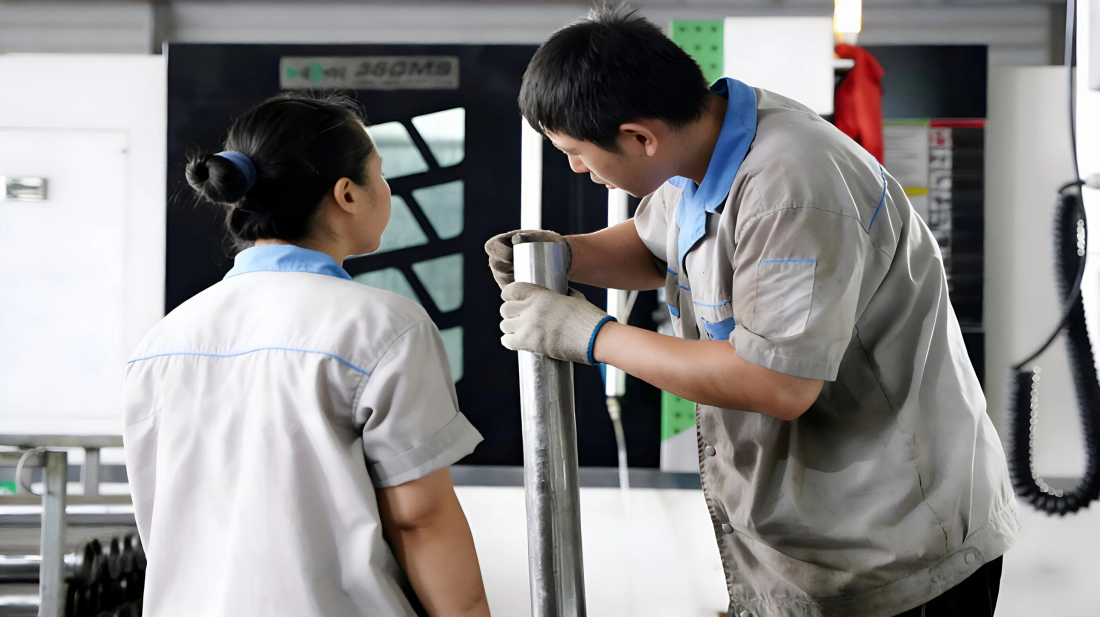
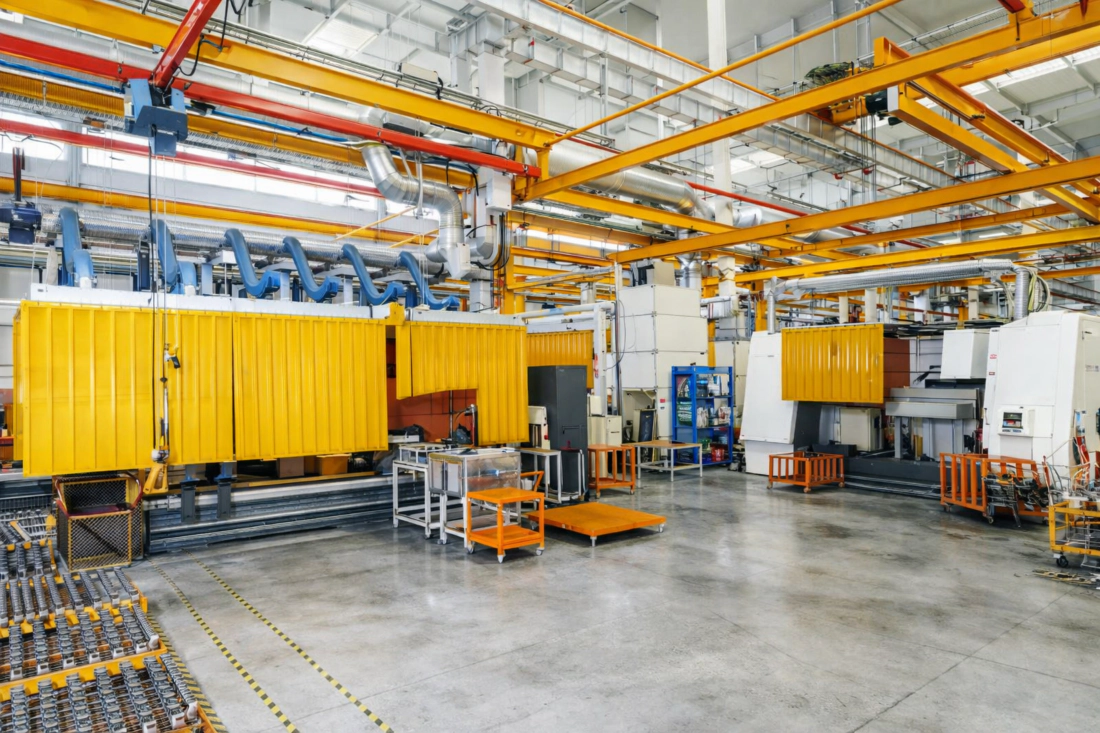
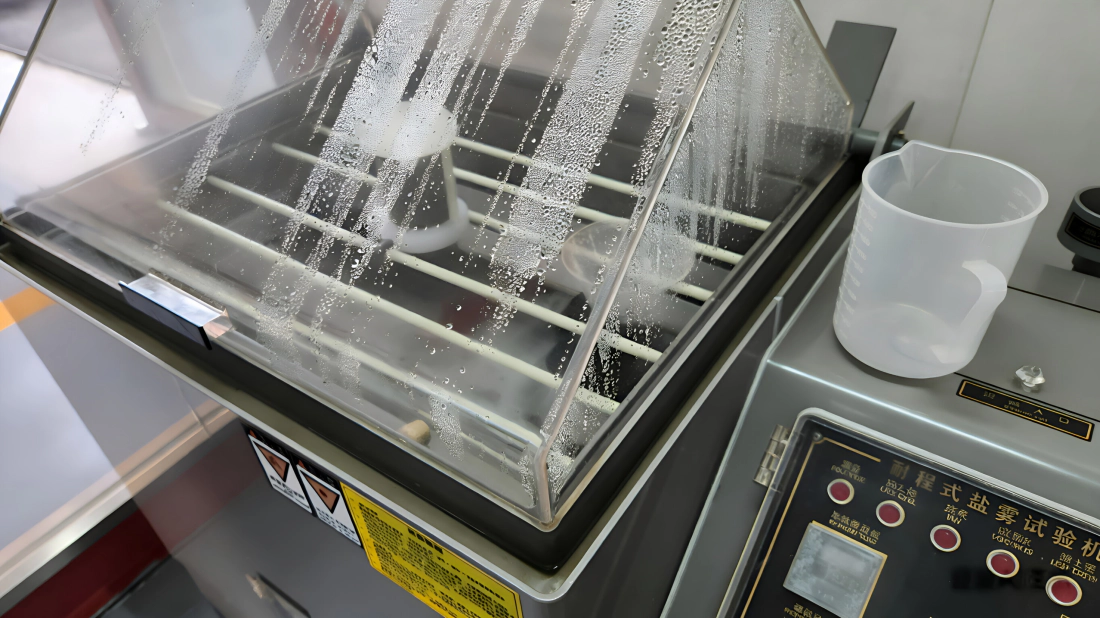
A high-fidelity hydraulic cylinder cannot be built in a rudimentary workshop. Our global manufacturing hubs represent the zenith of fluid power production. From the moment the raw steel arrives to be milled into a cylinder barrel, to the final dynamic testing of the completed hydraulic system, every step is rigorously monitored. We utilize multi-axis CNC lathes, automated robotic welding for trunnion mounts, and proprietary ultrasonic cleaning stations to ensure zero particulate contamination before the hydraulic pump ever introduces fluid to the system.
Experience Our Engineering Firsthand
We invite global clients to audit our capabilities without leaving their desks. Witness the meticulous assembly of our power units and cylinders through our immersive digital experience.
7. Global Success Story: Heavy Payload Automotive Welding in Germany
Recently, a Tier-1 automotive chassis manufacturer in Munich, Germany, approached us with a severe bottleneck. Their new EV chassis welding line utilized massive 6-axis robots mounted on 15-meter 7th axis slide tracks. The existing rack-and-pinion electric drives were failing prematurely due to the immense backlash and shock loads generated when the 3-ton robot halted abruptly to perform spot welds.
Our engineering team completely overhauled their linear locomotion. We deployed a highly specialized Slide Stage Drive Hydraulic Cylinder system. By engineering a custom power unit with accumulators to absorb hydraulic shock and utilizing a tandem hydraulic cylinder setup, we achieved a motion profile that was completely backlash-free. The integration of high-resolution magnetostrictive sensors inside the piston rod allowed the robot to hit its welding coordinates with a repeatability of ±0.05mm. The transition to our custom hydraulic products eliminated track maintenance downtime and increased overall cell throughput by 18%.
8. Voices of Our Global Partners
“Transitioning our heavy material handling robots to a 7th axis powered by their Slide Stage Drive Hydraulic Cylinder was a game-changer. The hydraulic pump tuning is so precise that the 4-ton gantry moves like a ghost. Unbelievable engineering.”
— Marcus T., Lead Integrator, USA
“We needed custom hydraulic products for a very unique foundry robot slide. The extreme heat destroyed standard seals. Their team specified a custom cylinder barrel and specialized high-temp seals on the piston rod. It has been running flawlessly for two years.”
— Elena R., Operations Director, Italy
“Their deep understanding of the entire hydraulic system sets them apart. They didn’t just sell us a cylinder; they designed the entire power unit and integrated a hydraulic motor for our auxiliary axis. True fluid power masters.”
— Jian W., Automation Architect, China
9. Frequently Asked Questions (FAQ)
What are the primary benefits of using a Slide Stage Drive Hydraulic Cylinder for robotic 7th axis automation over electric drives?
In heavy-payload automation sectors like aerospace or automotive manufacturing, a Slide Stage Drive Hydraulic Cylinder offers superior force density and shock absorption. Unlike electric drives that can suffer from gear backlash and high wear under immense inertial loads, a fluid-based hydraulic system provides infinitely stiff holding force and completely smooth acceleration, extending the life of the robot.
Can you engineer custom hydraulic products for cleanroom robotics and packaging industries in North America?
Yes, we supply highly specialized custom hydraulic products globally. For cleanroom or food packaging environments, we design cylinders with specialized non-contaminating seals, stainless steel cylinder barrels, and environmentally safe fluid compatibility to meet stringent international purity standards without sacrificing drive power.
How does the power unit and hydraulic pump configuration affect the speed of the robot slide stage?
The velocity of the hydraulic cylinder is directly dictated by the fluid volume delivered by the hydraulic pump. When designing the power unit, we calculate the exact displacement required to achieve your target track speed. By utilizing proportional valving, the power unit can dynamically alter the flow rate, allowing for high-speed transit and micrometer-slow docking sequences.
Are the technologies used in these precision robotic cylinders applicable to heavy agricultural machinery?
Absolutely. The core disciplines of fluid containment, high-yield strength materials, and robust piston rod hardening that make our robotic cylinders so reliable are identically applied to our products for agricultural machinery. The harsh shock loads of farming equipment are easily handled by designs originally engineered to rapidly decelerate multi-ton factory robots.
If my automation project requires both linear motion and rotation, do I need a separate hydraulic system?
No, a well-designed central power unit can drive multiple actuators simultaneously. We can engineer a unified circuit where the same hydraulic pump supplies fluid to the Slide Stage Drive Hydraulic Cylinder for linear travel, and simultaneously feeds a hydraulic motor to handle rotational indexing or conveyor auxiliary functions on the slide carriage itself.
Ready to Redefine Your Automation Capabilities?
Connect with our engineering team to spec your next high-performance robotic slide stage drive.