Product Description
Hydraulic Cylinder from Seamless Steel Oxygen Hydrogen Argon Helium Gas Cylinders.Oxygen Cylinder Filled with Oxygen/Argon/Helium/CO2, Find details about China Gas Cyliner, Oxygen Cylinder from 1L to 80L Gas Cylinder/ Oxygen Cylinder Filled with Oxygen/Argon/Helium/CO2
8L oxgen cylinder with cap and with valve
Outside diameters: 140mm
Wall thickness:3.6mm
Material mn: 37Mn
Working pressure: 150bar
test pressure: 250bar
Manufacture standard: ISO9809-3
Height without valve & cap: about 680 mm (without valve and cap)
Weight: about kg (without valve and cap)
Cap: Standard Round Cap
product-group/hMDECaNjAYVl/Seamless-Steel-Gas-Cylinders-catalog-1.html
| Type | (mm) Outside Diameter |
(L) Water Capacity |
(mm)
Height |
(Kg)
Weight(Without |
Working Pressure |
(mm) Design Wall Thickness |
Material Grades |
| ISO102-1.8-150 | 102 | 1.8 | 325 | 3.5 | 150 | 3 | 37Mn |
| ISO102-3-150 | 3 | 498 | 5.2 | ||||
| ISO102-3.4-150 | 3.4 | 555 | 5.7 | ||||
| ISO102-4.4-150 | 4.4 | 700 | 7.2 | ||||
| ISO108-1.4-150 | 108 | 1.4 | 240 | 2.9 | 150 | 3.2 | 37Mn |
| ISO108-1.8-150 | 1.8 | 285 | 3.3 | ||||
| ISO108-2-150 | 2 | 310 | 3.6 | ||||
| ISO108-3-150 | 3 | 437 | 4.9 | ||||
| ISO108-3.6-150 | 3.6 | 515 | 5.7 | ||||
| ISO108-4-150 | 4 | 565 | 6.2 | ||||
| ISO108-5-150 | 5 | 692 | 7.5 | ||||
| ISO140-3.4-150 | 140 | 3.4 | 321 | 5.8 | 150 | 4.1 | 37Mn |
| ISO140-4-150 | 4 | 365 | 6.4 | ||||
| ISO140-5-150 | 5 | 440 | 7.6 | ||||
| ISO140-6-150 | 6 | 515 | 8.8 | ||||
| ISO140-6.3-150 | 6.3 | 545 | 9.2 | ||||
| ISO140-6.7-150 | 6.7 | 567 | 9.5 | ||||
| ISO140-7-150 | 7 | 595 | 9.9 | ||||
| ISO140-7.5-150 | 7.5 | 632 | 10.5 | ||||
| ISO140-8-150 | 8 | 665 | 11 | ||||
| ISO140-9-150 | 9 | 745 | 12.2 | ||||
| ISO140-10-150 | 10 | 830 | 13.5 | ||||
| ISO140-11-150 | 11 | 885 | 14.3 | ||||
| ISO140-13.4-150 | 13.4 | 1070 | 17.1 | ||||
| ISO140-14-150 | 14 | 1115 | 17.7 | ||||
| ISO159-7-150 | 159 | 7 | 495 | 9.8 | 150 | 4.7 | 37Mn |
| ISO159-8-150 | 8 | 554 | 10.8 | ||||
| ISO159-9-150 | 9 | 610 | 11.7 | ||||
| ISO159-10-150 | 10 | 665 | 12.7 | ||||
| ISO159-11-150 | 11 | 722 | 13.7 | ||||
| ISO159-12-150 | 12 | 790 | 14.8 | ||||
| ISO159-12.5-150 | 12.5 | 802 | 15 | ||||
| ISO159-13-150 | 13 | 833 | 15.6 | ||||
| ISO159-13.4-150 | 13.4 | 855 | 16 | ||||
| ISO159-13.7-150 | 13.7 | 878 | 16.3 | ||||
| ISO159-14-150 | 14 | 890 | 16.5 | ||||
| ISO159-15-150 | 15 | 945 | 17.5 | ||||
| ISO159-16-150 | 16 | 1000 | 18.4 | ||||
| ISO180-8-150 | 180 | 8 | 480 | 13.8 | 150 | 5.3 | 37Mn |
| ISO180-10-150 | 10 | 570 | 16.1 | ||||
| ISO180-12-150 | 12 | 660 | 18.3 | ||||
| ISO180-15-150 | 15 | 790 | 21.6 | ||||
| ISO180-20-150 | 20 | 1015 | 27.2 | ||||
| ISO180-21-150 | 21 | 1061 | 28.3 | ||||
| ISO180-21.6-150 | 21.6 | 1087 | 29 | ||||
| ISO180-22.3-150 | 22.3 | 1100 | 29.4 | ||||
| ISO219-20-150 | 219 | 20 | 705 | 27.8 | 150 | 6.1 | 37Mn |
| ISO219-25-150 | 25 | 855 | 32.8 | ||||
| ISO219-27-150 | 27 | 915 | 34.8 | ||||
| ISO219-36-150 | 36 | 1185 | 43.9 | ||||
| ISO219-38-150 | 38 | 1245 | 45.9 | ||||
| ISO219-40-150 | 40 | 1305 | 47.8 | ||||
| ISO219-45-150 | 45 | 1455 | 52.9 | ||||
| ISO219-46.7-150 | 46.7 | 1505 | 54.6 | ||||
| ISO219-50-150 | 50 | 1605 | 57.9 |
Our Seamless Steel Oxygen Cylinders are mainly produced conformity with Standard GB5099-94, ISO9809-1/3 and EN1964. The raw material is either Seamless Steel Pipe or Steel Billet.
Our Seamless Steel Oxygen Cylinders can be widely used in many fields, such as industry, medical equipment, fire protection and scientific research, for storage and transport of permanent gases and high pressure liquefied gases, such as Oxygen Gas, Carbon Dioxide Gas, Argon Gas, Nitrogen Gas, Helium Gas, Carbon Monoxide Gas, SF6 Gas, N2O gas, Air, etc.
Our Oxygen Cylinder is widely applied in chemical, metallurgical, mechanical, medical, scientific research and building industry.
What we can promise for you:
1. High quality and security gas cylinders
2. Best price in the market
3. Fast delivery (3~4 weeks)
| Material: | Steel |
|---|---|
| Usage: | |
| Structure: | Piston Cylinder |
| Power: | Hydraulic |
| Standard: | Standard |
| Pressure Direction: | Double-acting Cylinder |
| Customization: |
Available
|
|
|---|
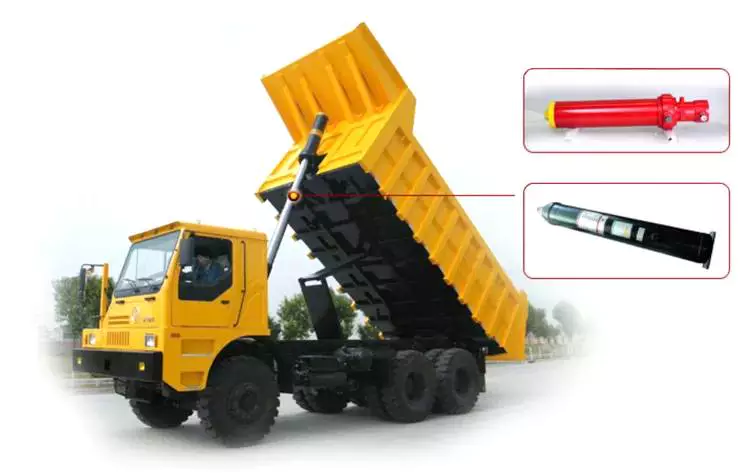
Can hydraulic cylinders be adapted for specialized applications like material handling?
Yes, hydraulic cylinders can be effectively adapted for specialized applications such as material handling. The versatility, power, and precise control offered by hydraulic cylinders make them well-suited for a wide range of material handling tasks. Hydraulic systems, including cylinders, are commonly used in industrial settings to lift, position, push, pull, and manipulate various types of materials. Here’s a detailed explanation of how hydraulic cylinders can be adapted for specialized material handling applications:
1. Lifting and Lowering:
– Hydraulic cylinders are commonly used for lifting and lowering heavy loads in material handling applications. By utilizing the force generated by hydraulic pressure, cylinders can provide the necessary power to lift and hold loads at different elevations. The precise control offered by hydraulic systems allows for accurate positioning of materials, ensuring efficient and safe lifting operations.
2. Pushing and Pulling:
– Hydraulic cylinders are capable of generating substantial pushing and pulling forces, making them ideal for applications that involve moving or manipulating materials. They can be used to push or pull heavy objects, control the movement of conveyors or rollers, or engage mechanisms for material transfer. The ability to exert high forces with precise control enables hydraulic cylinders to efficiently handle a variety of material handling tasks.
3. Tilting and Rotating:
– Hydraulic cylinders can be adapted to provide tilting and rotating functions in material handling equipment. By integrating cylinders into the design, equipment such as forklifts, cranes, or material handling arms can tilt or rotate to facilitate material placement or maneuvering. Hydraulic cylinders offer the required force and control to achieve smooth and controlled tilting or rotating motions, enhancing operational efficiency in material handling processes.
4. Gripping and Clamping:
– Hydraulic cylinders can be utilized to provide gripping and clamping functions for secure material handling. By incorporating specialized gripping or clamping mechanisms with hydraulic actuation, materials of various shapes and sizes can be securely held or clamped during transportation or processing. Hydraulic cylinders enable precise and adjustable gripping or clamping forces, ensuring the safe and reliable handling of materials.
5. Material Compaction and Forming:
– Hydraulic cylinders can be adapted for material compaction and forming applications. For example, in the production of bricks, hydraulic cylinders are used to apply high pressure and force to compact the raw materials into desired shapes. Similarly, in metal forming processes, hydraulic cylinders are employed to exert force on metal sheets or components, enabling precise shaping and forming operations.
6. Conveyor and Sorting Systems:
– Hydraulic cylinders can be integrated into conveyor and sorting systems to facilitate material movement and sorting. By incorporating hydraulic actuators, conveyor belts or sorting mechanisms can be efficiently controlled for optimal material flow and distribution. Hydraulic cylinders provide the necessary force and control to handle varying load capacities and adjust the speed and position of material transfer, improving the overall efficiency of handling and sorting operations.
7. Customized Designs:
– Hydraulic cylinders can be customized and adapted to meet specific requirements of specialized material handling applications. Engineers can design cylinders with unique dimensions, stroke lengths, mounting options, and sealing arrangements to fit into equipment or systems with specific space limitations or operating conditions. Customized hydraulic cylinders ensure optimal performance and compatibility for specialized material handling tasks.
In summary, hydraulic cylinders can be effectively adapted for specialized material handling applications, offering the necessary force, control, and versatility required in various material handling tasks. Whether it involves lifting and lowering, pushing and pulling, tilting and rotating, gripping and clamping, material compaction and forming, or integration into conveyor and sorting systems, hydraulic cylinders provide reliable and efficient solutions. Their adaptability, precise control, and ability to handle heavy loads make hydraulic cylinders a valuable component in optimizing material handling processes across different industries.
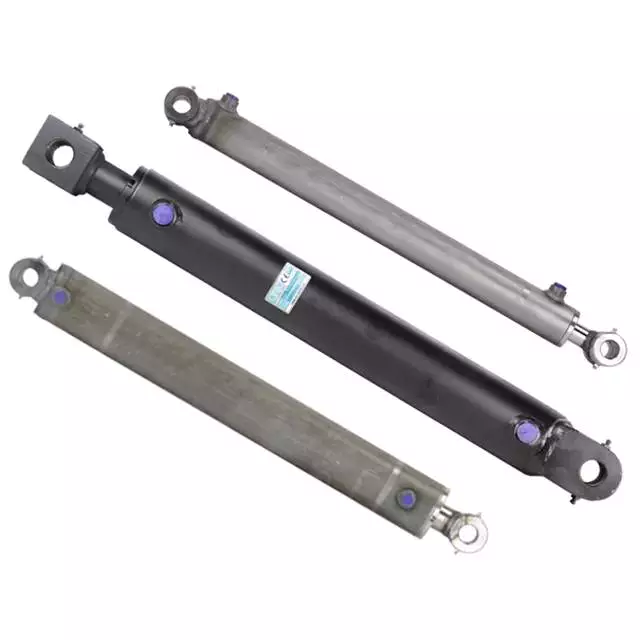
What considerations are important when selecting hydraulic cylinders for mobile equipment?
To select hydraulic cylinders for mobile equipment, several important considerations need to be taken into account. Here are the key factors to consider:
- Load Capacity: Determine the maximum load or force that the hydraulic cylinder will need to support. This includes both the static load and any dynamic or shock loads that may be encountered during operation.
- Stroke Length: Consider the required stroke length, which is the distance the hydraulic cylinder can extend and retract. Ensure that the stroke length is sufficient for the specific application and range of motion needed.
- Operating Pressure: Determine the maximum operating pressure required for the hydraulic system. This will depend on the load and the specific application. Select a hydraulic cylinder with a pressure rating that exceeds the maximum operating pressure to ensure safety and durability.
- Mounting Style: Consider the available space and the mounting requirements of the mobile equipment. Hydraulic cylinders come in various mounting styles, such as flange, trunnion, clevis, and pivot, among others. Choose a mounting style that is compatible with the equipment and provides the necessary support and stability.
- Size and Weight: Take into account the physical dimensions and weight of the hydraulic cylinder. Ensure that it can fit within the available space and that the equipment can support its weight without compromising performance or safety.
- Speed and Precision: Evaluate the required speed and precision of the hydraulic cylinder’s movement. Different cylinder designs and configurations can affect the speed and accuracy of motion. Consider factors such as cylinder bore size, rod diameter, and the presence of cushioning or dampening features.
- Environmental Factors: Assess the operating environment of the mobile equipment. Consider factors such as temperature extremes, exposure to moisture, dust, and chemicals. Select hydraulic cylinders with appropriate seals and coatings that can withstand the environmental conditions and prevent corrosion or damage.
- Reliability and Maintenance: Consider the reliability and maintenance requirements of the hydraulic cylinders. Look for reputable manufacturers that provide high-quality products with a proven track record. Evaluate factors such as expected service life, availability of spare parts, and ease of maintenance.
- Cost: Finally, consider the cost of the hydraulic cylinders, including the initial purchase price, installation costs, and long-term maintenance expenses. While it is essential to find a cost-effective solution, prioritize quality and performance to ensure safe and efficient operation.
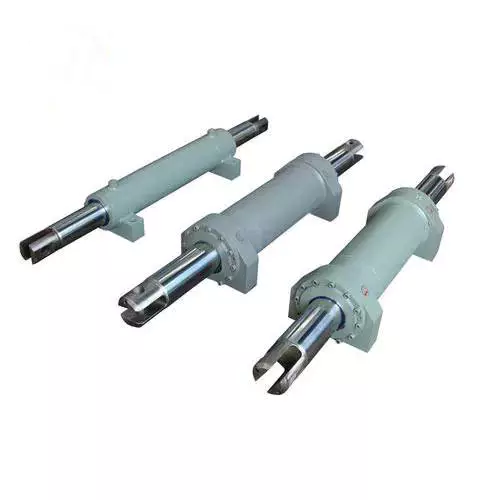
How do hydraulic cylinders ensure precise and controlled movement in equipment?
Hydraulic cylinders are widely used in various equipment and machinery to provide precise and controlled movement. They utilize hydraulic fluid and mechanical components to achieve accurate positioning, smooth operation, and reliable control. Here’s a detailed explanation of how hydraulic cylinders ensure precise and controlled movement in equipment:
1. Hydraulic Principle:
– Hydraulic cylinders operate based on Pascal’s law, which states that pressure exerted on a fluid is transmitted equally in all directions. The hydraulic fluid is contained within the cylinder, and when pressure is applied, it acts on the piston, generating force. By controlling the pressure and flow of hydraulic fluid, the movement of the cylinder can be precisely regulated, allowing for accurate and controlled motion.
2. Force and Load Management:
– Hydraulic cylinders are designed to handle specific loads and forces. The force generated by the hydraulic cylinder depends on the hydraulic pressure and the surface area of the piston. By adjusting the pressure, the force output can be controlled. This allows for precise management of the load and ensures that the cylinder can handle the required force without exerting excessive or insufficient force. Proper load management contributes to the precise and controlled movement of the equipment.
3. Control Valves:
– Control valves play a crucial role in regulating the flow and direction of hydraulic fluid within the cylinder. These valves allow operators to control the extension and retraction of the cylinder, adjust the speed of movement, and stop or hold the cylinder at any desired position. By manipulating the control valves, precise and controlled movement can be achieved, enabling operators to position equipment accurately and perform specific tasks with precision.
4. Flow Control:
– Hydraulic cylinders incorporate flow control valves to manage the rate of hydraulic fluid flow. These valves control the speed of the cylinder’s extension and retraction, allowing for smooth and controlled movement. By adjusting the flow rate, operators can precisely control the speed of the cylinder, ensuring that it moves at the desired rate without sudden or erratic movements. Flow control contributes to the overall precision and control of the equipment’s movement.
5. Position Sensing:
– To ensure precise movement, hydraulic cylinders can be equipped with position sensing devices such as linear transducers or proximity sensors. These sensors provide feedback on the position of the cylinder, allowing for accurate position control and closed-loop control systems. By continuously monitoring the position, the equipment’s movement can be controlled with high accuracy, enabling precise positioning and operation.
6. Proportional Control:
– Advanced hydraulic systems utilize proportional control technology, which allows for precise and fine-tuned control of the hydraulic cylinder’s movement. Proportional valves, often operated by electronic control systems, provide variable flow rates and pressure adjustments. This technology enables precise control of speed, force, and position, resulting in highly accurate and controlled movement of the equipment.
7. Cushioning and Damping:
– Hydraulic cylinders can incorporate cushioning and damping mechanisms to ensure smooth and controlled movement at the end of the stroke. Cushioning features, such as adjustable cushions or shock absorbers, reduce the impact and decelerate the cylinder before reaching the end of the stroke. This prevents abrupt stops and minimizes vibrations, contributing to precise and controlled movement.
8. Load Compensation:
– Some hydraulic systems utilize load compensation mechanisms to maintain precise movement even when the load varies. Load-sensing systems monitor the load demand and adjust the hydraulic pressure and flow accordingly to meet that demand. This compensation ensures that the equipment’s movement remains accurate and controlled, regardless of changes in the applied load.
In summary, hydraulic cylinders ensure precise and controlled movement in equipment through the application of hydraulic principles, force and load management, control valves, flow control, position sensing, proportional control, cushioning and damping mechanisms, and load compensation. These features and technologies allow operators to achieve accurate positioning, smooth operation, and reliable control, enabling equipment to perform tasks with precision and efficiency. The combination of hydraulic power and careful design considerations ensures that hydraulic cylinders deliver precise and controlled movement in a wide range of industrial applications.


editor by CX 2023-12-06