Product Description
Product Description
| Capacity | Stroke | Model | Min Height | Outside Diameter | Effective Area | Oil Capacity | Plunger Diameter | Weight | |||
| (Ton) | (mm) | (mm) | (mm) | (cm²) | (cm³) | (mm) | (Kg) | ||||
| Push | Pull | Push | Pull | Push | Pull | ||||||
| 10 | 4. 1 | 254 | CLRG1571 | 409 | 76 | 14.5 | 5.9 | 368 | 149 | 33 | 12 |
| 10 | 4. 1 | 305 | CLRG1012 | 457 | 76 | 14.5 | 5.9 | 442 | 180 | 33 | 14 |
| 50 | 22.6 | 150 | CLRG506 | 325 | 127 | 70.8 | 32.3 | 1062 | 484 | 70 | 30 |
| 50 | 22.6 | 300 | CLRG5012 | 475 | 127 | 70.8 | 32.3 | 2124 | 969 | 70 | 52 |
| 100 | 44 | 50 | CLRG 1002 | 182 | 188 | 132. 7 | 61.9 | 664 | 310 | 95 | 27 |
| 100 | 44 | 100 | CLRG 1004 | 232 | 188 | 132.7 | 61.9 | 1327 | 619 | 95 | 33 |
| 100 | 44 | 150 | CLRG 1006 | 282 | 188 | 132.7 | 61.9 | 1991 | 929 | 95 | 37 |
| 100 | 44 | 200 | CLRG 1008 | 332 | 188 | 132.7 | 61.9 | 2654 | 1238 | 95 | 44 |
| 100 | 44 | 250 | CLRG1571 | 382 | 188 | 132.7 | 61.9 | 3318 | 1548 | 95 | 50 |
| 100 | 44 | 300 | CLRG10012 | 432 | 188 | 132.7 | 61.9 | 3981 | 1857 | 95 | 57 |
| 150 | 67.9 | 50 | CLRG 1502 | 196 | 216 | 201 | 97 | 1005 | 485 | 115 | 47 |
| 150 | 67.9 | 100 | CLRG 1504 | 246 | 216 | 201 | 97 | 2571 | 970 | 115 | 57 |
| 150 | 67.9 | 150 | CLRG1506 | 296 | 216 | 201 | 97 | 3015 | 1455 | 115 | 67 |
| 150 | 67.9 | 200 | CLRG 1508 | 346 | 216 | 201 | 97 | 4571 | 1940 | 115 | 77 |
| 150 | 67.9 | 250 | CLRG15571 | 396 | 216 | 201 | 97 | 5571 | 2425 | 115 | 87 |
| 150 | 67.9 | 300 | CLRG15012 | 446 | 216 | 201 | 97 | 6030 | 2910 | 115 | 97 |
| 200 | 93 | 50 | CLRG2002 | 235 | 242 | 265.9 | 133. 1 | 1329 | 665 | 130 | 67 |
| 200 | 93 | 150 | CLRG2006 | 335 | 242 | 265.9 | 133. 1 | 3988 | 1996 | 130 | 92 |
| 200 | 93 | 250 | CLRG2571 | 435 | 242 | 265.9 | 133. 1 | 6647 | 3327 | 130 | 117 |
| 250 | 107 | 50 | CLRG2502 | 236 | 288 | 366.4 | 152.6 | 1832 | 763 | 165 | 105 |
| 250 | 107 | 150 | CLRG2506 | 336 | 288 | 366.4 | 152. 6 | 5496 | 2289 | 165 | 141 |
| 250 | 107 | 250 | CLRG25571 | 436 | 288 | 366.4 | 152. 6 | 9160 | 3815 | 165 | 176 |
| 300 | 121 | 50 | CLRG3002 | 350 | 325 | 456.2 | 172. 6 | 2281 | 863 | 190 | 204 |
| 300 | 121 | 150 | CLRG3006 | 412 | 325 | 456.2 | 172. 6 | 6843 | 2589 | 190 | 252 |
| 300 | 121 | 250 | CLRG3571 | 512 | 325 | 456.2 | 172. 6 | 11405 | 4315 | 190 | 299 |
| 400 | 138 | 50 | CLRG4002 | 370 | 367 | 559.9 | 196.8 | 2799 | 984 | 215 | 281 |
| 400 | 138 | 150 | CLRG4006 | 470 | 367 | 559.9 | 196.8 | 8399 | 2952 | 215 | 342 |
| 400 | 138 | 250 | CLRG4571 | 570 | 367 | 559.9 | 196.8 | 13998 | 4920 | 215 | 405 |
| 500 | 168 | 50 | CLRG5002 | 400 | 405 | 730. 6 | 239. 7 | 3653 | 1198 | 250 | 411 |
| 500 | 168 | 150 | CLRG5006 | 500 | 405 | 730. 6 | 239. 7 | 10959 | 3595 | 250 | 493 |
| 500 | 168 | 250 | CLRG5571 | 600 | 405 | 730. 6 | 239. 7 | 18265 | 5992 | 250 | 575 |
| 600 | 207 | 50 | CLRG6002 | 445 | 450 | 855.3 | 295.4 | 4277 | 1477 | 267 | 494 |
| 600 | 207 | 150 | CLRG6006 | 545 | 450 | 855.3 | 295.4 | 12830 | 4431 | 267 | 586 |
| 600 | 207 | 250 | CLRG6571 | 645 | 450 | 855.3 | 295.4 | 21383 | 7385 | 267 | 678 |
| 800 | 252 | 50 | CLRG8002 | 695 | 515 | 1164 | 360 | 5820 | 1800 | 320 | 759 |
| 800 | 252 | 150 | CLRG8006 | 595 | 515 | 1164 | 360 | 17460 | 5400 | 320 | 885 |
| 800 | 252 | 250 | CLRG8571 | 695 | 515 | 1164 | 360 | 29100 | 9000 | 320 | 1019 |
| 1000 | 380 | 50 | CLRG 10002 | 535 | 580 | 1465. 7 | 541.7 | 7328 | 2708 | 342 | 1012 |
| 1000 | 380 | 150 | CLRG 10006 | 635 | 580 | 1465. 7 | 541.7 | 21985 | 8125 | 342 | 1168 |
| 1000 | 380 | 250 | CLRG10571 | 735 | 580 | 1465. 7 | 541.7 | 36418 | 13543 | 342 | 1325 |
Company Profile
Why Choose Us
Quality control
Certifications
Exhibition photos
Our Customers
FAQ
Q: How to order?
A: Inquire with us→ sample customization→ use scenario inform→ receive our product design recommendation→ negotiate details→ confirm the sample→ CHINAMFG the contract/deposit→mass production→ the goods are ready→ balance/delivery→ further cooperation.
Q: How about the sample order?
A: We can provide the sample price, please contact us for details.
Q: Which shipping method is available?
A: By sea, by air, or by express (DHL, UPS, FedEx). Other shipping methods are also available, please contact us for details.
Q: How long is the delivery [production] and shipment?
A: The delivery time depends on the quantity you ordered. Shipped from the factory, within 3 days for standard parts and within 10 days for non-standard parts.
Q: My package is missing some products, what can I do?
A: Please contact our support team, we will confirm the contents of your order with the packaging, and compensate for the shipment. We apologize for the inconvenience.
Q: How to confirm the payment?
A: We accept T/T payment method. The first type is 30% deposit order confirmed, and the remaining 70% is paid before shipment, and the second type is 100% paid before shipment. Other payment methods are also acceptable, please contact us before you pay by other payment methods.
/* March 10, 2571 17:59:20 */!function(){function s(e,r){var a,o={};try{e&&e.split(“,”).forEach(function(e,t){e&&(a=e.match(/(.*?):(.*)$/))&&1
| Certification: | CE, ISO9001 |
|---|---|
| Pressure: | High Pressure |
| Work Temperature: | Normal Temperature |
| Acting Way: | Double Acting |
| Working Method: | Straight Trip |
| Adjusted Form: | Switching Type |
| Customization: |
Available
|
|
|---|
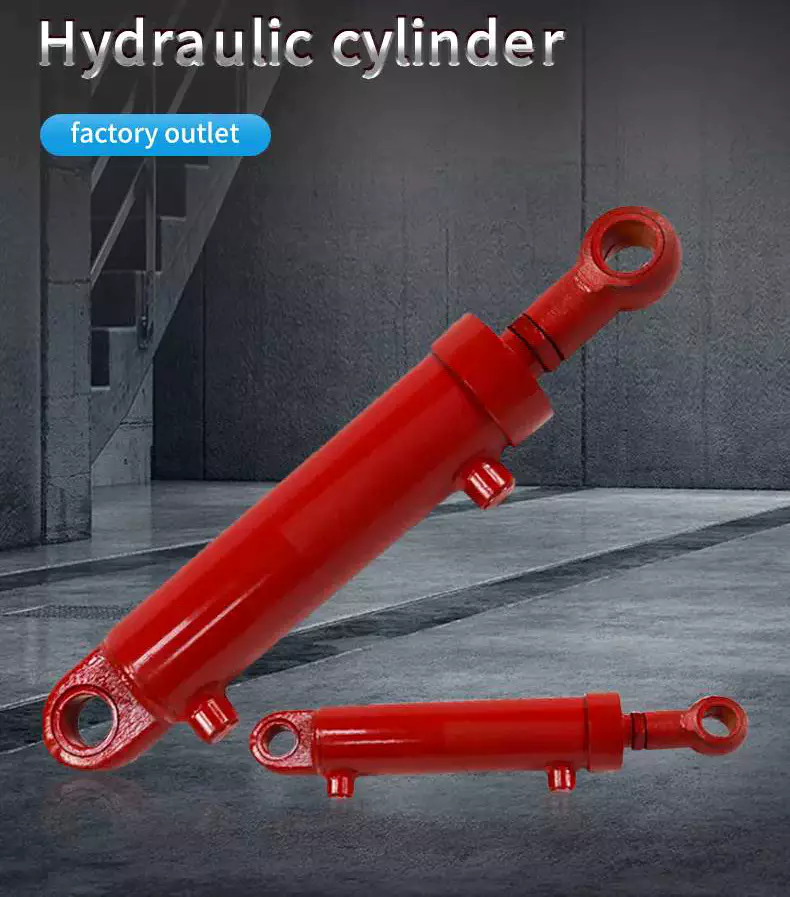
How do hydraulic cylinders ensure smooth and consistent movement in heavy machinery?
Hydraulic cylinders play a vital role in ensuring smooth and consistent movement in heavy machinery. Their design and operation allow for precise control over the motion of heavy loads, resulting in efficient and reliable performance. Here’s a detailed explanation of how hydraulic cylinders contribute to smooth and consistent movement in heavy machinery:
1. Hydraulic Fluid and Pressure:
– Hydraulic cylinders operate by utilizing hydraulic fluid, typically oil, to transmit force and motion. The fluid is pressurized by a hydraulic pump, creating a force that acts on the piston inside the cylinder. The pressure of the hydraulic fluid can be precisely controlled, allowing for smooth and gradual movement of heavy machinery. The fluid’s incompressibility ensures that the force is evenly distributed, resulting in consistent and predictable motion.
2. Piston and Cylinder Design:
– Hydraulic cylinders are designed with precision to ensure smooth movement. The piston and cylinder bore are machined to tight tolerances, reducing friction and minimizing internal leakage. This precise fit between the piston and cylinder walls helps maintain consistent motion without jerks or sudden changes in speed. Additionally, the use of high-quality seals and lubrication further enhances the smooth operation of the cylinder.
3. Control Valves and Flow Control:
– Hydraulic systems incorporate control valves that regulate the flow of hydraulic fluid into and out of the cylinder. These valves allow for precise control over the speed and direction of the cylinder’s movement. By adjusting the flow rate, operators can achieve smooth and controlled motion of heavy machinery, avoiding sudden starts or stops. Flow control valves also enable speed adjustment, ensuring consistent movement even under varying loads or operating conditions.
4. Cushioning and Damping:
– Hydraulic cylinders can be equipped with cushioning mechanisms to absorb shock and minimize impacts during the movement of heavy machinery. Cushioning is achieved by incorporating specialized valves or adjustable orifices in the cylinder, which restrict the flow of hydraulic fluid near the end of the stroke. This gradual deceleration helps prevent sudden jolts or vibrations, maintaining smooth and consistent movement while reducing stress on the machinery and its components.
5. Load Balancing:
– Hydraulic cylinders can be designed and arranged in a system to balance the load and distribute forces evenly. By utilizing multiple cylinders in parallel or series configurations, heavy machinery can achieve balanced movement, preventing uneven stress and ensuring smooth operation. Load balancing also helps minimize the risk of component failure and enhances the overall stability and longevity of the machinery.
6. Feedback and Control Systems:
– Advanced hydraulic systems incorporate feedback sensors and control systems to monitor and adjust the movement of heavy machinery. These sensors provide real-time information about the position, speed, and force exerted by the hydraulic cylinders. The control system processes this data and adjusts the flow of hydraulic fluid accordingly to maintain smooth and consistent movement. By continuously monitoring and regulating the cylinder’s operation, feedback and control systems contribute to precise and reliable motion control.
7. Maintenance and Servicing:
– Regular maintenance and servicing of hydraulic cylinders are essential to ensure their smooth and consistent movement in heavy machinery. Proper lubrication, inspection of seals, and replacement of worn-out components help maintain optimal performance. Preventive maintenance practices, such as filter replacements and fluid analysis, also contribute to the longevity and reliability of hydraulic systems, ensuring consistent movement over time.
In summary, hydraulic cylinders ensure smooth and consistent movement in heavy machinery through the use of hydraulic fluid and pressure, precise piston and cylinder design, control valves and flow control, cushioning and damping mechanisms, load balancing, feedback and control systems, and regular maintenance and servicing. By leveraging these features, hydraulic cylinders provide the necessary force and control to handle heavy loads while maintaining precise and reliable motion, enhancing the overall performance and productivity of heavy machinery in various industrial applications.
Handling Challenges of Different Fluid Viscosities in Hydraulic Cylinders
Hydraulic cylinders are designed to handle the challenges associated with different fluid viscosities. The viscosity of hydraulic fluid can vary based on temperature, type of fluid used, and other factors. Hydraulic systems need to accommodate these variations to ensure optimal performance and efficiency. Let’s explore how hydraulic cylinders handle the challenges of different fluid viscosities:
- Fluid Selection: Hydraulic cylinders are designed to work with a range of hydraulic fluids, each with its specific viscosity characteristics. The selection of an appropriate fluid with the desired viscosity is crucial to ensure optimal performance. Manufacturers provide guidelines regarding the recommended viscosity range for specific hydraulic systems and cylinders. By choosing the right fluid, hydraulic cylinders can effectively handle the challenges posed by different fluid viscosities.
- Viscosity Compensation: Hydraulic systems often incorporate features to compensate for variations in fluid viscosity. For example, some hydraulic systems utilize pressure compensating valves that adjust the flow rate based on the viscosity of the fluid. This compensation ensures consistent performance across different operating conditions and fluid viscosities. Hydraulic cylinders work in conjunction with these compensation mechanisms to maintain precision and control, regardless of the fluid viscosity.
- Temperature Control: Fluid viscosity is highly dependent on temperature. Hydraulic cylinders employ various temperature control mechanisms to address the challenges posed by temperature-induced viscosity changes. Heat exchangers, coolers, and thermostatic valves are commonly used to regulate the temperature of the hydraulic fluid within the system. By controlling the fluid temperature, hydraulic cylinders can maintain the desired viscosity range, ensuring reliable and efficient operation.
- Efficient Filtration: Contaminants in hydraulic fluid can affect its viscosity and overall performance. Hydraulic systems incorporate efficient filtration systems to remove particles and impurities from the fluid. Clean fluid with the appropriate viscosity ensures optimal functioning of hydraulic cylinders. Regular maintenance and filter replacements are essential to uphold the desired fluid viscosity and prevent issues related to fluid contamination.
- Proper Lubrication: Different fluid viscosities can impact the lubrication properties within hydraulic cylinders. Lubrication is essential for minimizing friction and wear between moving parts. Hydraulic systems employ lubricants specifically formulated for the anticipated fluid viscosity range. Adequate lubrication ensures smooth operation and extends the lifespan of hydraulic cylinders, even in the presence of varying fluid viscosities.
In summary, hydraulic cylinders employ various strategies to handle the challenges associated with different fluid viscosities. By selecting appropriate fluids, incorporating viscosity compensation mechanisms, controlling temperature, implementing efficient filtration, and ensuring proper lubrication, hydraulic cylinders can accommodate variations in fluid viscosity. These measures enable hydraulic systems to deliver consistent performance, precise control, and efficient operation across different fluid viscosity ranges.
How do manufacturers ensure the quality and compatibility of hydraulic cylinders?
Manufacturers employ various measures to ensure the quality and compatibility of hydraulic cylinders, ensuring that they meet industry standards, performance requirements, and the specific needs of their customers. Here’s a detailed explanation of the methods and practices used by manufacturers to ensure the quality and compatibility of hydraulic cylinders:
1. Design and Engineering:
– Manufacturers employ skilled engineers and designers who have expertise in hydraulic systems and cylinder design. They use advanced design software and tools to create hydraulic cylinders that meet the desired specifications and performance requirements. Through careful analysis and simulation, manufacturers can ensure that the cylinders are designed to function optimally and provide the necessary force, stroke length, and reliability.
2. Material Selection:
– High-quality materials are crucial for the durability, performance, and compatibility of hydraulic cylinders. Manufacturers carefully select materials such as steel or other alloys based on their strength, corrosion resistance, and suitability for hydraulic applications. They source materials from reputable suppliers and perform quality checks to ensure that the materials meet the required standards and specifications.
3. Quality Control:
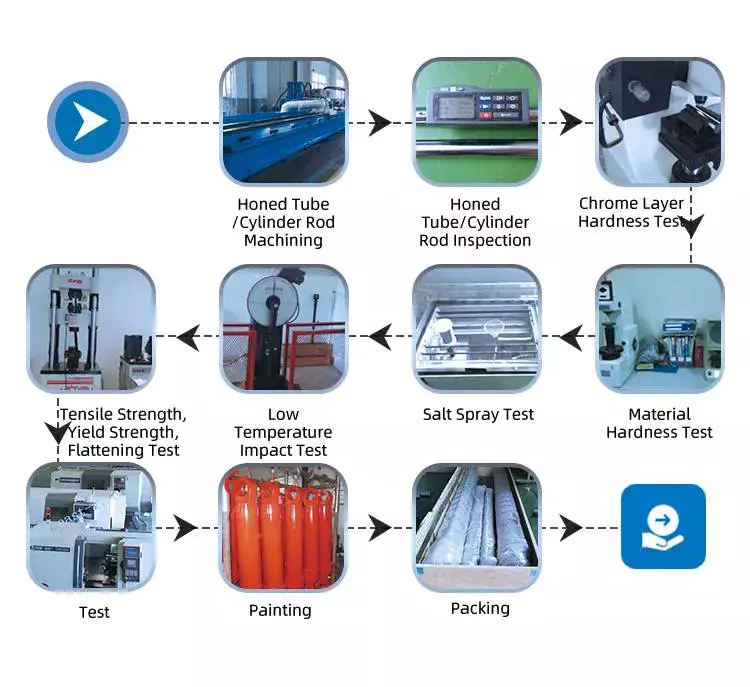
– Manufacturers implement robust quality control processes throughout the production of hydraulic cylinders. This includes rigorous inspections and tests at various stages of manufacturing, from raw material inspection to final assembly. Quality control personnel perform dimensional checks, surface finish inspections, and functional tests to verify that the cylinders meet the specified tolerances, performance criteria, and compatibility requirements.
4. Testing and Validation:
– Hydraulic cylinders undergo testing and validation procedures to ensure their performance, reliability, and compatibility. Manufacturers conduct various tests, such as pressure testing, leakage testing, load testing, and endurance testing. These tests simulate real-world operating conditions and verify that the cylinders can withstand the expected loads, pressures, and environmental factors. Additionally, manufacturers may perform compatibility testing to ensure that the cylinders can integrate seamlessly with other hydraulic system components.
5. Compliance with Standards:
– Manufacturers adhere to industry standards and regulations to ensure the quality and compatibility of hydraulic cylinders. They follow standards such as ISO 9001 for quality management systems and ISO 6020/2 or ISO 6022 for hydraulic cylinders. Compliance with these standards ensures that the manufacturing processes, quality control measures, and product performance meet internationally recognized benchmarks.
6. Certification and Accreditation:
– Manufacturers may obtain certifications and accreditations from recognized organizations to demonstrate their commitment to quality and compatibility. Certifications such as ISO certifications or third-party certifications provide assurance to customers that the hydraulic cylinders have undergone rigorous evaluations and meet specific quality and compatibility standards.
7. Customer Collaboration:
– Manufacturers actively engage with customers to understand their specific requirements and ensure compatibility. They work closely with customers to gather application-specific details, such as operating conditions, load requirements, and environmental factors. This collaborative approach allows manufacturers to customize hydraulic cylinders and provide solutions that are perfectly matched to the customer’s needs, ensuring compatibility and optimal performance.
8. Continuous Improvement:
– Manufacturers are committed to continuous improvement in their processes and products. They invest in research and development to incorporate the latest technologies, materials, and manufacturing techniques. By staying updated with industry advancements, manufacturers can enhance the quality, performance, and compatibility of their hydraulic cylinders over time.
By implementing effective design and engineering practices, selecting high-quality materials, conducting rigorous quality control, testing and validation procedures, complying with industry standards, obtaining certifications, collaborating with customers, and embracing continuous improvement, manufacturers ensure the quality and compatibility of hydraulic cylinders. These measures help to deliver reliable, high-performance cylinders that meet the diverse needs of industries and applications.

editor by CX 2023-12-30