Product Description
100 ton electric double acting lift hydraulic jack cylinder price
1. Describe:
High pressure electric hydraulic cylinder is powered by ZB series of high pressure electric oil pump, the function for oil pressure rebound, overflow, it is designed a safe protect pressurizer, it can protect emergent over pressure, especial construction can protect jack. Hydraulic jack can bear partial loading is 5% of rated pressure. High pressure alloy cylinder is very durable, especially
in the larger project, it is easily to be operated and control. It can be used for lifting heavy machine, bridge project, hydraulic engineering, harbour construction and other equipment. It has large output, light weight, remote control and other advantages, it can match with our high pressure oil pump, it can reach jack, push, pull and extrusion and kinds of working.
2. Technology parameters:
| Model | Tonnage T |
Stroke B-A mm |
Closed height A mm |
Extend height B mm |
Outer diameter of oil cylinder mm |
Dimension of plunger mm |
Dimension of oil pump mm |
Weight kg |
Pressure | Recommend electric oil pump |
| STQ50-100 | 50 | 100 | 225 | 325 | 127 | 70 | 100 | 35 | 63MPA | 50T-200T 0.55KW 0.75KW 1.5KW 3KW 4KW 5.5KW |
| STQ50-160 | 160 | 285 | 445 | 39 | ||||||
| STQ50-200 | 200 | 325 | 525 | 46 | ||||||
| STQ50-300 | 300 | 425 | 725 | 48 | ||||||
| STQ50-500 | 500 | 625 | 1125 | 63 | ||||||
| STQ100-100 | 100 | 100 | 250 | 350 | 180 | 100 | 140 | 58 | 63MPA | |
| STQ100-160 | 160 | 310 | 470 | 63 | ||||||
| STQ100-200 | 200 | 350 | 550 | 78 | ||||||
| STQ100-300 | 300 | 450 | 750 | 96 | ||||||
| STQ100-500 | 500 | 650 | 1150 | 130 | ||||||
| STQ150-100 | 150 | 100 | 260 | 360 | 219 | 125 | 180 | 58 | 63MPA | |
| STQ150-160 | 160 | 320 | 480 | 69 | ||||||
| STQ150-200 | 200 | 360 | 560 | 86 | ||||||
| STQ150-300 | 300 | 460 | 760 | 103 | ||||||
| STQ150-500 | 500 | 660 | 1160 | 255 | ||||||
| STQ200-100 | 200 | 100 | 285 | 385 | 240 | 150 | 200 | 96 | 63MPA | |
| STQ200-160 | 160 | 345 | 505 | 103 | ||||||
| STQ200-200 | 200 | 385 | 585 | 116 | ||||||
| STQ200-300 | 300 | 485 | 785 | 161 | ||||||
| STQ200-500 | 500 | 685 | 1185 | 221 | ||||||
| STQ320-100 | 320 | 100 | 310 | 410 | 330 | 180 | 250 | 196 | 63MPA | 1.5KW 3KW 4KW 5.5KW |
| STQ320-160 | 160 | 370 | 530 | 240 | ||||||
| STQ320-200 | 200 | 410 | 610 | 258 | ||||||
| STQ320-300 | 300 | 510 | 810 | 311 | ||||||
| STQ320-500 | 500 | 710 | 1210 | 456 | ||||||
| STQ400-100 | 400 | 100 | 355 | 455 | 380 | 200 | 290 | 198 | 63MPA | 3KW 4KW 5.5KW 7.5KW |
| STQ400-160 | 160 | 415 | 575 | 231 | ||||||
| STQ400-200 | 200 | 460 | 660 | 264 | ||||||
| STQ400-300 | 300 | 555 | 855 | 367 | ||||||
| STQ400-500 | 500 | 755 | 1255 | 456 | ||||||
| STQ500-100 | 500 | 100 | 360 | 460 | 430 | 200 | 320 | 323 | 63MPA | 3KW 4KW 5.5KW 7.5KW |
| STQ500-160 | 160 | 420 | 580 | 330 | ||||||
| STQ500-200 | 200 | 460 | 660 | 420 | ||||||
| STQ500-300 | 300 | 560 | 860 | 581 | ||||||
| STQ500-500 | 500 | 760 | 1260 | 599 | ||||||
| STQ630-100 | 630 | 100 | 417 | 517 | 500 | 250 | 360 | 560 | 63MPA | 4KW 5.5KW 7.5KW 11KW |
| STQ630-160 | 160 | 477 | 637 | 633 | ||||||
| STQ630-200 | 200 | 517 | 717 | 696 | ||||||
| STQ630-300 | 300 | 617 | 917 | 898 | ||||||
| STQ630-500 | 500 | 817 | 1317 | 1250 | ||||||
| STQ800-100 | 800 | 100 | 488 | 588 | 560 | 300 | 400 | 896 | 63MPA | 7.5KW 11KW |
| STQ800-200 | 200 | 598 | 798 | 1040 | ||||||
| STQ800-300 | 300 | 698 | 998 | 1380 | ||||||
| STQ800-500 | 500 | 898 | 1398 | 1520 | ||||||
| STQ1000-100 | 1000 | 100 | 530 | 630 | 600 | 320 | 450 | 1286 | 63MPA | 7.5KW 11KW |
| STQ1000-200 | 200 | 630 | 830 | 1332 | ||||||
| STQ1000-300 | 300 | 760 | 1060 | 1663 |
If the model you need is not in the form, please contact us. We can customize according to your project!
3.Application:
Our hydraulic jacks have been widely used for industrial field, such as steel plant, cement industry, chemical and refinery, bridge, railway, highway, hydropower station, ship repair, building, construction and maintenance.
4.Customer Praise:
5.Package:
6.Company information:
HangZhou Lead Equipment Co., Ltd. Have been in hydraulic tools industry since 2009. Our main products as follow:
Single acting hydraulic jack/cylinder/ram (10-100 tons)
Single acting hollow hydraulic jack/cylinder/ram (12-100 tons)
Double acting hydraulic jack/cylinder/ram (50-2000 tons)
Double acting hollow hydraulic jack/cylinder/ram (50-2000 tons)
Single acting hydraulic jack/cylinder/ram with lock nut (55-200 tons)
Thin type single acting hydraulic jack/cylinder/ram (10-200 tons)
Ultrathin hydraulic jack/cylinder/ram (10-200 tons)
Flange type hydraulic jack/cylinder/ram (10-630 tons)
Synchronous hydraulic jack (10-1000 tons)
Hydraulic accessories: high pressure oil hose, couplers, seal kits, mainfold, etc.
All the tonnage, stroke, height can be customized according to client’s requirements, supply the best quality and serve. Our warranty is 2 years.
| Material: | Steel |
|---|---|
| Usage: | Automation and Control |
| Structure: | Plunger Cylinder |
| Power: | Hydraulic |
| Standard: | Standard |
| Pressure Direction: | Double-acting Cylinder |
| Customization: |
Available
|
|
|---|
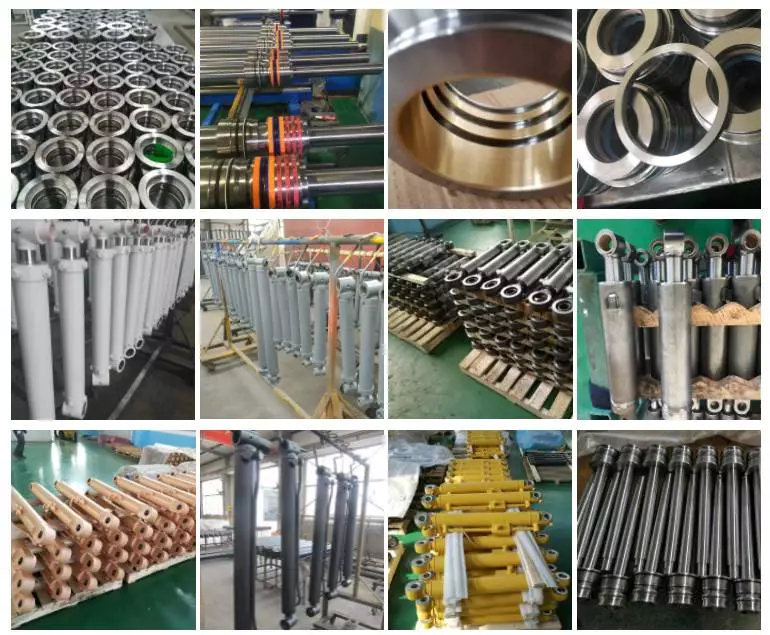
What advancements in hydraulic cylinder technology have improved energy efficiency?
Advancements in hydraulic cylinder technology have led to significant improvements in energy efficiency, allowing hydraulic systems to operate more efficiently and reduce energy consumption. These advancements aim to minimize energy losses, optimize system performance, and enhance overall efficiency. Here’s a detailed explanation of some key advancements in hydraulic cylinder technology that have improved energy efficiency:
1. Efficient Hydraulic Circuit Design:
– The design of hydraulic circuits has evolved to improve energy efficiency. Advancements in circuit design techniques, such as load-sensing, pressure-compensated systems, or variable displacement pumps, help match the hydraulic power output to the actual load requirements. These designs reduce unnecessary energy consumption by adjusting the flow and pressure levels according to the system demands, rather than operating at a fixed high pressure.
2. High-Efficiency Hydraulic Fluids:
– The development of high-efficiency hydraulic fluids, such as low-viscosity or synthetic fluids, has contributed to improved energy efficiency. These fluids offer lower internal friction and reduced resistance to flow, resulting in decreased energy losses within the system. Additionally, advanced fluid additives and formulations enhance lubrication properties, reducing friction and optimizing the overall efficiency of hydraulic cylinders.
3. Advanced Sealing Technologies:
– Seal technology has advanced significantly, leading to improved energy efficiency in hydraulic cylinders. High-performance seals, such as low-friction or low-leakage seals, minimize internal leakage and friction losses. Reduced internal leakage helps maintain system pressure more effectively, resulting in less energy waste. Additionally, innovative sealing materials and designs enhance durability and extend seal life, reducing the need for frequent maintenance and replacement.
4. Electro-Hydraulic Control Systems:
– The integration of advanced electro-hydraulic control systems has greatly contributed to energy efficiency improvements. By combining electronic control with hydraulic power, these systems enable precise control over cylinder operation, optimizing energy usage. Proportional or servo valves, along with position or force feedback sensors, allow for accurate and responsive control, ensuring that hydraulic cylinders operate at the required level of performance while minimizing energy waste.
5. Energy Recovery Systems:
– Energy recovery systems, such as hydraulic accumulators, have been increasingly utilized to improve energy efficiency in hydraulic cylinder applications. Accumulators store excess energy during low-demand periods and release it when there is a peak demand, reducing the need for the hydraulic pump to provide the full power continuously. By utilizing stored energy, these systems can significantly reduce energy consumption and improve overall system efficiency.
6. Smart Monitoring and Control:
– Advancements in smart monitoring and control technologies have enabled real-time monitoring of hydraulic systems, allowing for optimized energy usage. Integrated sensors, data analytics, and control algorithms provide insights into system performance and energy consumption, enabling operators to make informed decisions and adjustments. By identifying inefficiencies or suboptimal operating conditions, energy consumption can be minimized, leading to improved energy efficiency.
7. System Integration and Optimization:
– The integration and optimization of hydraulic systems as a whole have played a significant role in improving energy efficiency. By considering the entire system layout, component sizing, and interaction between different elements, engineers can design hydraulic systems that operate in the most energy-efficient manner. Proper sizing of components, minimizing pressure drops, and reducing unnecessary piping or valve restrictions all contribute to improved energy efficiency of hydraulic cylinders.
8. Research and Development:
– Ongoing research and development efforts in the field of hydraulic cylinder technology continue to drive energy efficiency advancements. Innovations in materials, component design, system modeling, and simulation techniques help identify areas for improvement and optimize energy usage. Additionally, collaboration between industry stakeholders, research institutions, and regulatory bodies fosters the development of energy-efficient hydraulic cylinder technologies.
In summary, advancements in hydraulic cylinder technology have resulted in notable improvements in energy efficiency. Efficient hydraulic circuit designs, high-efficiency hydraulic fluids, advanced sealing technologies, electro-hydraulic control systems, energy recovery systems, smart monitoring and control, system integration and optimization, as well as ongoing research and development efforts, all contribute to reducing energy consumption and enhancing the overall energy efficiency of hydraulic cylinders. These advancements not only benefit the environment but also offer cost savings and improved performance in various hydraulic applications.
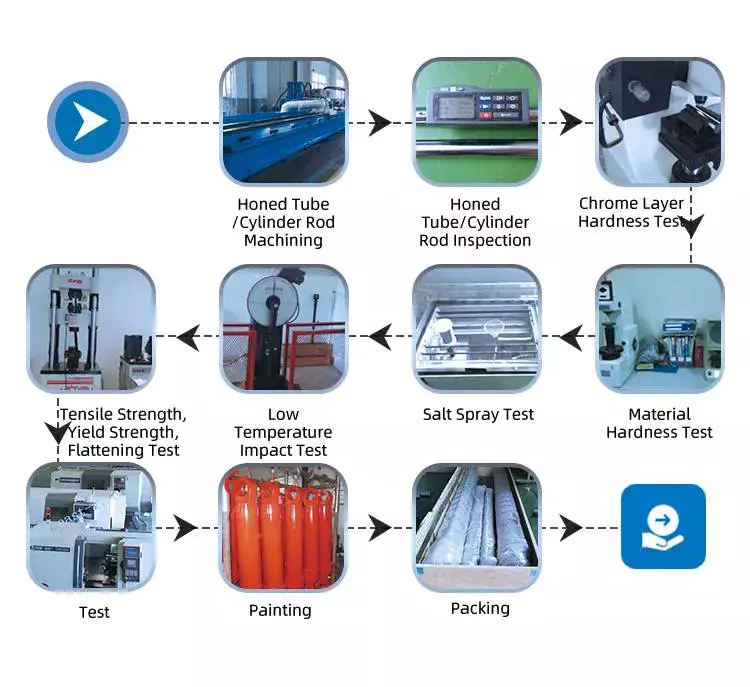
Handling Challenges of Different Fluid Viscosities in Hydraulic Cylinders
Hydraulic cylinders are designed to handle the challenges associated with different fluid viscosities. The viscosity of hydraulic fluid can vary based on temperature, type of fluid used, and other factors. Hydraulic systems need to accommodate these variations to ensure optimal performance and efficiency. Let’s explore how hydraulic cylinders handle the challenges of different fluid viscosities:
- Fluid Selection: Hydraulic cylinders are designed to work with a range of hydraulic fluids, each with its specific viscosity characteristics. The selection of an appropriate fluid with the desired viscosity is crucial to ensure optimal performance. Manufacturers provide guidelines regarding the recommended viscosity range for specific hydraulic systems and cylinders. By choosing the right fluid, hydraulic cylinders can effectively handle the challenges posed by different fluid viscosities.
- Viscosity Compensation: Hydraulic systems often incorporate features to compensate for variations in fluid viscosity. For example, some hydraulic systems utilize pressure compensating valves that adjust the flow rate based on the viscosity of the fluid. This compensation ensures consistent performance across different operating conditions and fluid viscosities. Hydraulic cylinders work in conjunction with these compensation mechanisms to maintain precision and control, regardless of the fluid viscosity.
- Temperature Control: Fluid viscosity is highly dependent on temperature. Hydraulic cylinders employ various temperature control mechanisms to address the challenges posed by temperature-induced viscosity changes. Heat exchangers, coolers, and thermostatic valves are commonly used to regulate the temperature of the hydraulic fluid within the system. By controlling the fluid temperature, hydraulic cylinders can maintain the desired viscosity range, ensuring reliable and efficient operation.
- Efficient Filtration: Contaminants in hydraulic fluid can affect its viscosity and overall performance. Hydraulic systems incorporate efficient filtration systems to remove particles and impurities from the fluid. Clean fluid with the appropriate viscosity ensures optimal functioning of hydraulic cylinders. Regular maintenance and filter replacements are essential to uphold the desired fluid viscosity and prevent issues related to fluid contamination.
- Proper Lubrication: Different fluid viscosities can impact the lubrication properties within hydraulic cylinders. Lubrication is essential for minimizing friction and wear between moving parts. Hydraulic systems employ lubricants specifically formulated for the anticipated fluid viscosity range. Adequate lubrication ensures smooth operation and extends the lifespan of hydraulic cylinders, even in the presence of varying fluid viscosities.
In summary, hydraulic cylinders employ various strategies to handle the challenges associated with different fluid viscosities. By selecting appropriate fluids, incorporating viscosity compensation mechanisms, controlling temperature, implementing efficient filtration, and ensuring proper lubrication, hydraulic cylinders can accommodate variations in fluid viscosity. These measures enable hydraulic systems to deliver consistent performance, precise control, and efficient operation across different fluid viscosity ranges.
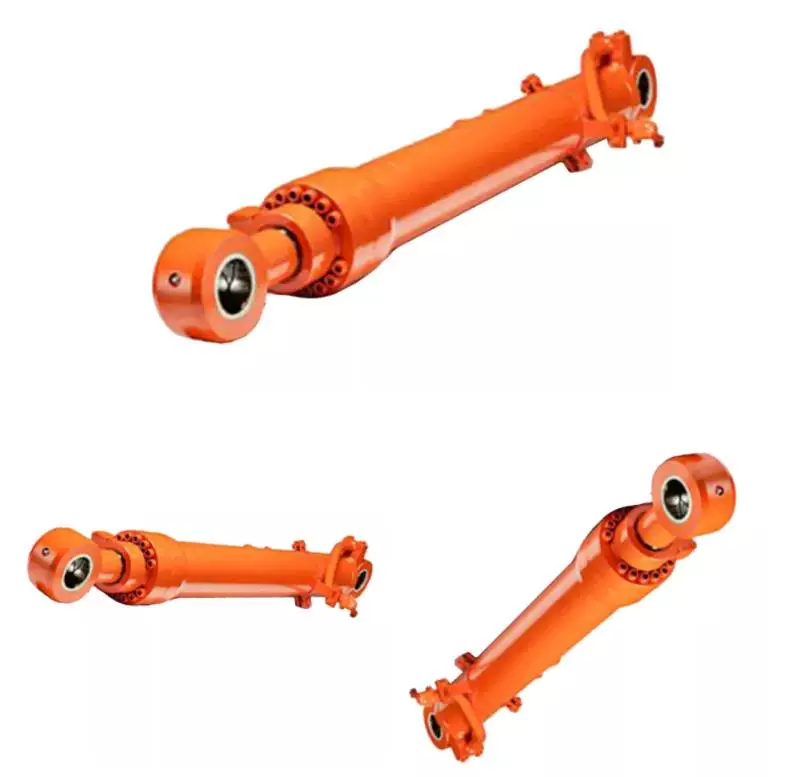
What benefits do hydraulic cylinders offer for tasks requiring heavy lifting or movement?
Hydraulic cylinders offer numerous benefits for tasks that involve heavy lifting or movement. Their unique design and characteristics make them well-suited for applications that require substantial force, precise control, and reliable operation. Here are the detailed benefits that hydraulic cylinders provide for such tasks:
1. High Force Generation:
– Hydraulic cylinders are capable of generating significant amounts of force. By utilizing hydraulic pressure, which can be easily amplified, hydraulic cylinders can exert substantial force to lift and move heavy loads. The force output of a hydraulic cylinder is directly proportional to the hydraulic pressure and the surface area of the piston. This high force capability makes hydraulic cylinders ideal for tasks that involve heavy lifting, pushing, or pulling.
2. Precise Control:
– Hydraulic cylinders offer precise control over the force and motion they generate. By regulating the flow of hydraulic fluid into the cylinder, the speed, direction, and position of the cylinder’s movement can be accurately controlled. This level of control is crucial for tasks that require precise positioning, delicate movements, or synchronization of multiple cylinders. It enables operators to perform operations with accuracy and minimize the risk of damage or accidents.
3. Safety:
– Hydraulic cylinders are designed with safety features to ensure the protection of both personnel and equipment. They incorporate overload protection mechanisms, such as relief valves, that prevent excessive force or pressure from damaging the system. Additionally, hydraulic cylinders allow for controlled and gradual movements, reducing the risk of sudden and uncontrolled motions that could pose safety hazards during heavy lifting or movement tasks.
4. Versatility and Adaptability:
– Hydraulic cylinders are versatile components that can be adapted to meet specific requirements. They can be customized based on factors such as force capacity, stroke length, speed, and mounting options, allowing them to be integrated into various types of machinery. This versatility makes hydraulic cylinders suitable for a wide range of applications, including construction, material handling, mining, agriculture, and more.
5. Smooth and Controlled Operation:
– Hydraulic cylinders provide smooth and controlled operation, ensuring efficient and reliable performance during heavy lifting or movement tasks. The hydraulic fluid acts as a cushioning medium, which helps dampen shocks and vibrations, resulting in smoother and quieter operation. This controlled operation also reduces the risk of damage to the load being lifted or the surrounding equipment.
6. Compact Design:
– Hydraulic cylinders offer a high power-to-size ratio, allowing for compact machinery design. Their relatively small size, compared to the forces they can generate, makes them suitable for applications where space is limited or weight restrictions apply. This compact design enables the integration of hydraulic cylinders into different types of equipment without compromising performance or efficiency.
7. Durability and Reliability:
– Hydraulic cylinders are built to withstand rigorous operating conditions and provide long-term reliability. They are constructed with robust materials, precise machining, and effective sealing systems to ensure durability and prevent fluid leakage. Hydraulic cylinders can withstand high pressures, heavy loads, and continuous use, making them suitable for demanding tasks involving heavy lifting or movement.
8. Energy Efficiency:
– Hydraulic cylinders contribute to energy efficiency in tasks requiring heavy lifting or movement. Hydraulic systems allow for the transfer of power over long distances without significant power losses. Additionally, hydraulic cylinders can incorporate energy-saving features such as load-sensing technology and regenerative circuits, which reduce energy consumption by optimizing the use of hydraulic fluid.
In summary, hydraulic cylinders offer several benefits for tasks that involve heavy lifting or movement. They provide high force generation, precise control, safety features, versatility, smooth operation, compact design, durability, and energy efficiency. These advantages make hydraulic cylinders indispensable components in various industries where heavy loads need to be lifted, pushed, or moved with accuracy and reliability.


editor by CX 2023-10-14