Forged Heavy-Duty Wheelset Press Hydraulic Cylinders for Railway Depot Maintenance Equipment
Mastering extreme tonnage and high-pressure fluid dynamics. Engineered with forged alloy steel to permanently eliminate cylinder barrel deformation during locomotive axle assembly.
The operational integrity of the global railway network relies entirely on the precision engineering executing within maintenance depots. The wheelset—comprising the axle, wheels, and associated brake discs or gearboxes—represents the most critical unsprung mass on any rail vehicle. Assembling these components requires an interference fit of microscopic tolerances, demanding an exact, perfectly linear application of immense force. The wheelset press machine is the mechanical behemoth responsible for this task, and the Wheelset Press Hydraulic Cylinder serves as its beating heart. Operating in an environment categorized by extremely high load requirements, these actuators are routinely tasked with generating pushing forces ranging from 300 to over 600 metric tons. The fluid pressure required to generate this tonnage often exceeds 40 MPa, pushing standard hydraulic components far beyond their structural limitations.
When forcing a forged steel wheel onto an axle with a deliberate dimensional interference, the resistance curve is not linear; it spikes dramatically as the components engage. The hydraulic cylinder must maintain absolute axial rigidity during this spike. Any microscopic lateral deflection or volumetric expansion of the pressure vessel directly compromises the pressing accuracy, potentially leading to axle scoring or out-of-gauge wheelset assembly. Understanding the violent physics operating within these machines is the foundation of our design philosophy. We invite procurement officers, depot managers, and railway engineering teams to visually verify our heavy-industrial manufacturing capabilities. Step inside our digital twin environment to observe our metallurgical processes and precision machining centers.
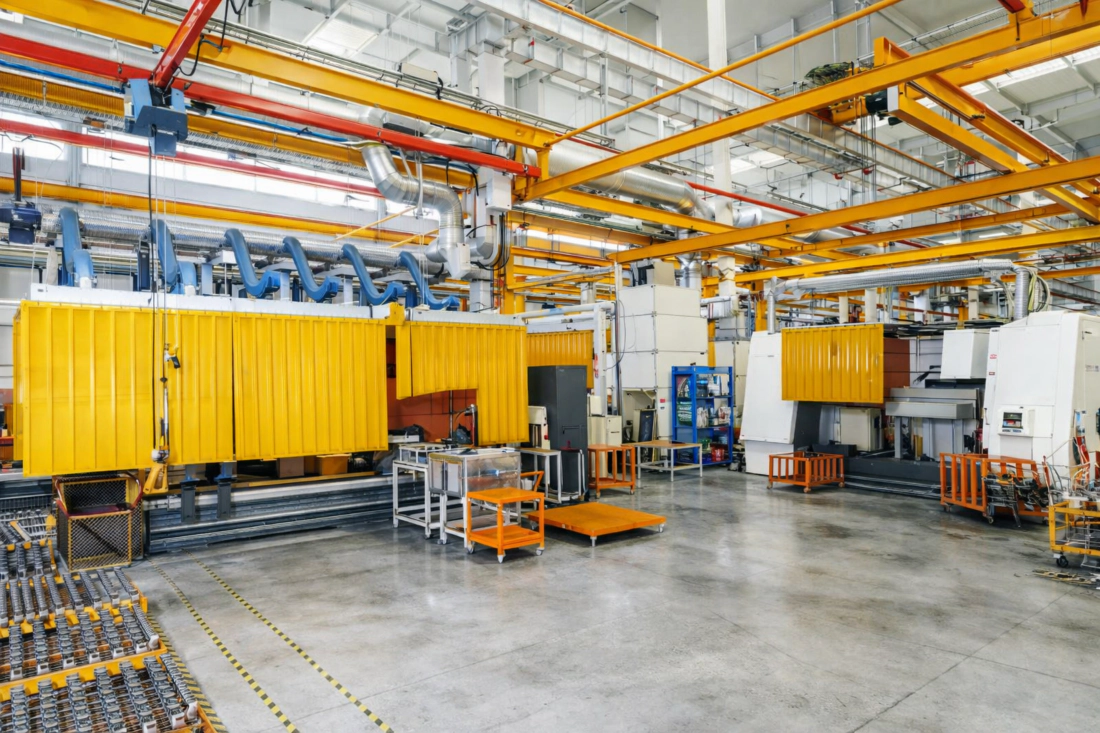
Explore Our Advanced Hydraulic Manufacturing Facility
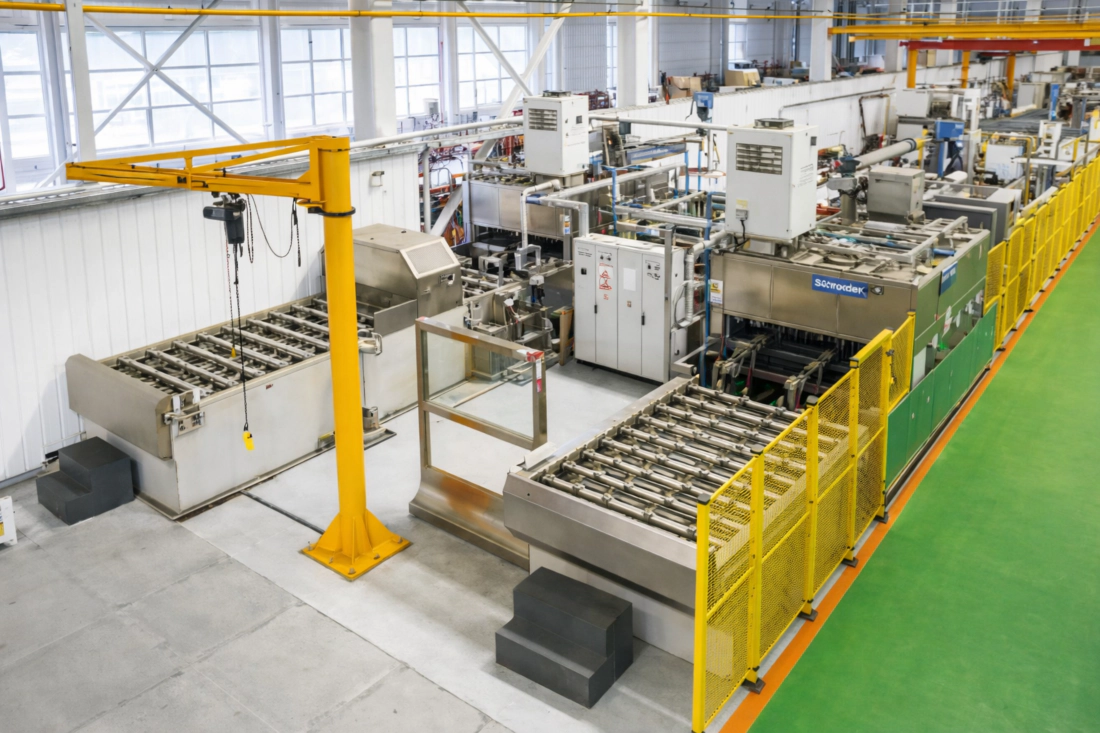
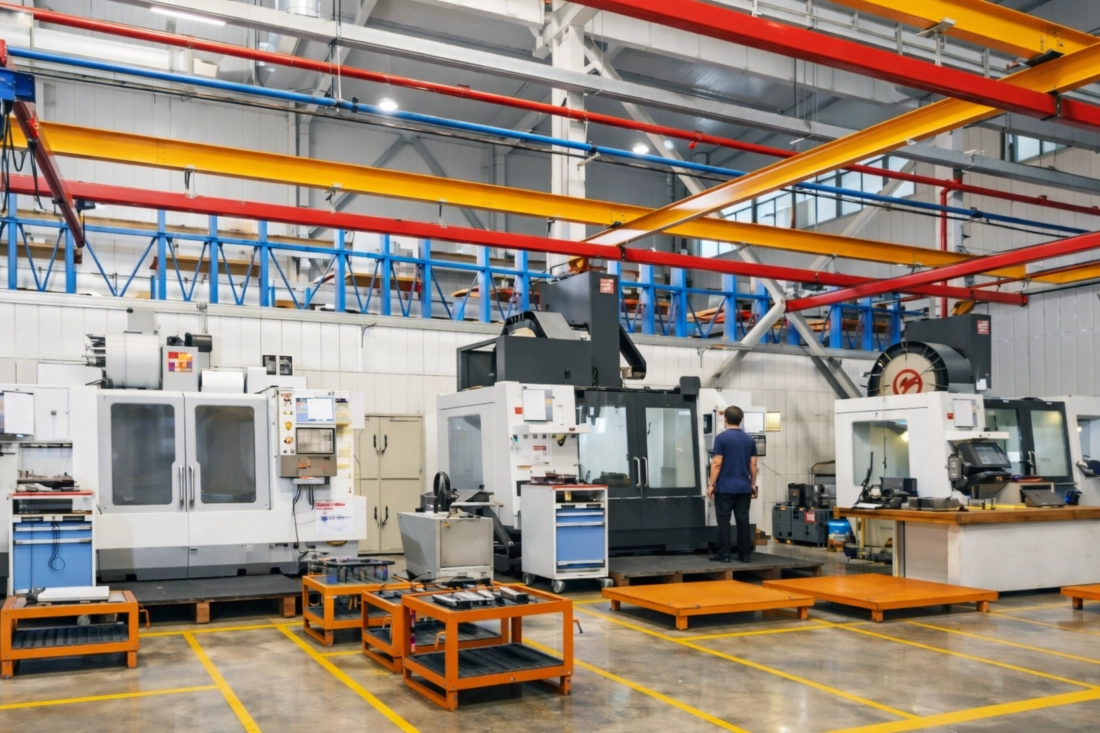
Transparency dictates quality. Tour our production lines virtually and inspect the heavy-duty forging and automated welding stations that produce our railway depot cylinders.
Defeating Cylinder Barrel Deformation
The most pervasive and catastrophic typical failure mode in wheelset press machinery is cylinder barrel deformation. When a conventional cylinder, manufactured from standard seamless steel tubing, is subjected to the extreme internal pressures (often spiking above 500 bar) required to press locomotive wheels, the radial forces generate immense hoop stress. This stress causes the steel tube to expand microscopically. Over repeated high-load cycles, this elastic deformation transitions into plastic deformation—the barrel permanently balloons. Once the barrel loses its perfect cylindrical geometry, the high-pressure hydraulic fluid bypasses the piston seals. The machine loses its pressing tonnage, the operation halts, and the entire production schedule of the railway depot is compromised.
Forged Alloy Steel Body
To eradicate barrel deformation, our recommended configuration utilizes a solid Forged Cylinder Barrel manufactured from premium alloy steel (such as 42CrMo). The forging process aligns the metallurgical grain structure of the steel, providing exponential increases in tensile strength and yield point compared to extruded tubing. This solid billet is deep-hole bored and honed, creating an impenetrable pressure vessel capable of absorbing infinite high-tonnage cycles without yielding.
Double-Acting Piston Architecture
Precision in press-fitting demands absolute control in both directions. The double-acting piston cylinder design allows the operator to apply exact pressing tonnage while also providing controlled, forceful retraction of the heavy pressing ram. This prevents the “sticking” commonly associated with single-acting gravity-return presses, drastically improving the cycle time for mounting and dismounting operations within busy rail depots.
Welded & Chrome Plated Integrity
The heavy-duty welded structure binds the massive forged components together, eliminating the vulnerability of tie-rods stretching under multi-ton loads. The main ram is treated with a specialized hard chrome plating process, delivering a surface hardness exceeding HRC 60. This ultra-smooth, wear-resistant barrier protects the rod from scoring during the harsh, metallic environment of railway maintenance, ensuring the high-pressure seals remain uncompromised.
Technical Parameters: Heavy-Duty Press Series
| Design Parameter | Standard Industrial Actuator | Ever Power Wheelset Press Grade |
|---|---|---|
| Cylinder Architecture | Seamless Steel Tube | Solid Forged Alloy Steel Billet |
| Core Metallurgy | ST52 / E355 | 42CrMo / 34CrMo4 (High Yield Strength) |
| Operating Pressure | 16 MPa – 25 MPa | 40 MPa (Peak Design >60 MPa) |
| Structural Assembly | Tie-Rod or Flange Bolted | Heavy-Duty Submerged Arc Welded |
| Sealing Configuration | Standard Polyurethane U-Cups | PTFE Bronze-Filled Step Seals (Anti-Extrusion) |
| Action Mechanism | Single-Acting Plunger | Double-Acting Piston (Controlled Retract) |
Expansive High-Tonnage Depot Applications
The metallurgical superiority established by our forged alloy steel architecture makes these cylinders the unequivocal choice for any application where extreme, unyielding tonnage is required. While primarily engineered for wheelset pressing, the zero-deformation profile of our heavy-duty cylinders dominates the entire railway maintenance machinery landscape.
- ✔
Locomotive Draft Gear Compression Presses - ✔
Heavy-Haul Bearing Pulling and Mounting Rigs - ✔
Track Switch Point Forging Presses - ✔
Automated Bogie Spring Testing Machines
Unlocking China’s Heavy Industrial Manufacturing Capacity
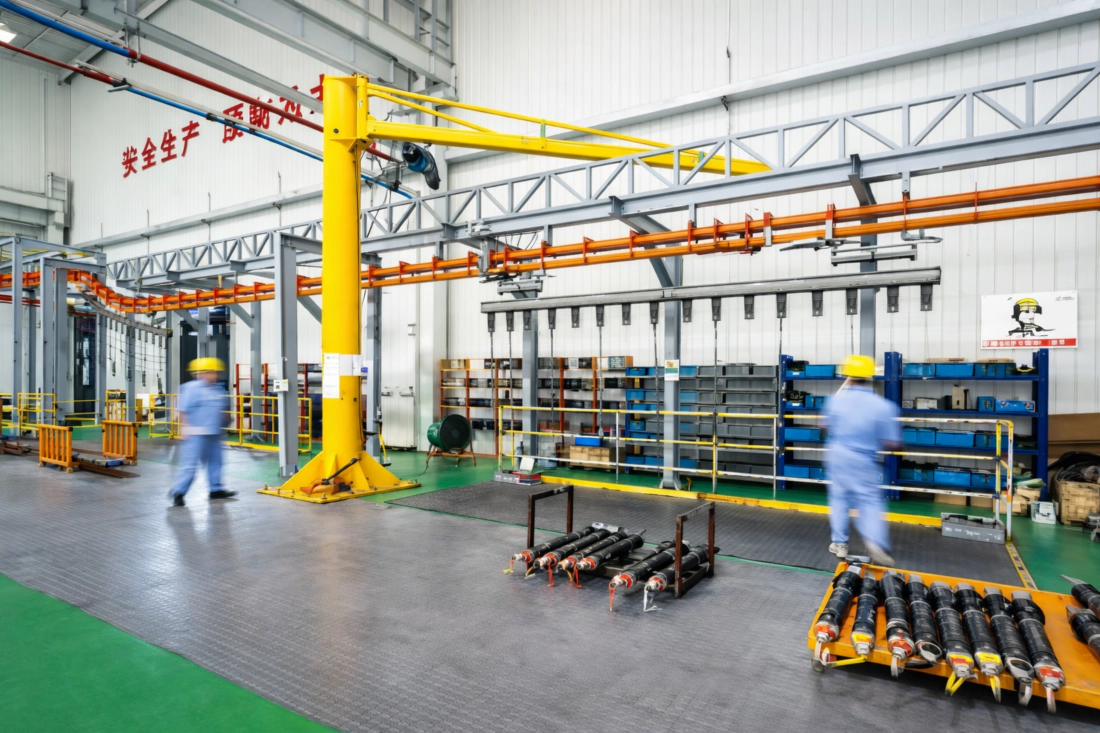
Constructing massive forged hydraulic cylinders requires an industrial infrastructure capable of handling extreme metallurgy. Situated at the epicenter of China’s heavy manufacturing sector, Ever Power possesses the in-house capabilities to process raw alloy steel billets weighing several tons. Our vertically integrated production model eliminates the reliance on fragmented supply chains, ensuring every phase—from ultrasonic flaw detection (UT) of the raw forging to the final pressure curve testing—is strictly controlled by our engineering matrix.
We cater explicitly to global clients who demand uncompromising reliability. Whether you require a single 600-ton replacement cylinder to rapidly repair an offline press machine, or you are an OEM designing a next-generation automated wheelset assembly line, our custom fluid power solutions deliver. Learn more about our technical pedigree on our About Us page, and discover how our manufacturing scale can redefine your procurement strategy.

Frequently Asked Engineering Questions
Why do standard hydraulic cylinders experience barrel deformation when used in railway wheelset press machines?
Standard cylinders are made from seamless steel tubes. When a wheelset press generates extreme high pressure (often above 40 MPa) to force a wheel onto an axle, it creates massive radial hoop stress. This stress exceeds the yield strength of standard tubing, causing it to balloon or permanently deform, leading to immediate seal failure.
What is the cost of a forged alloy steel wheelset press hydraulic cylinder from a Chinese supplier?
The final cost depends significantly on the required tonnage, bore size, and stroke length of the machine. However, leveraging a vertically integrated manufacturer in China generally provides a 30% to 40% cost reduction compared to European OEMs, while utilizing identical high-grade 42CrMo forgings. Request a detailed quote to receive accurate pricing for your specific equipment.
How does the double-acting piston design improve efficiency in railway depot maintenance equipment?
Many older wheelset presses use single-acting gravity or spring return mechanisms, which retract very slowly after the pressing cycle. A double-acting piston cylinder uses hydraulic power to actively and rapidly retract the heavy ram, significantly cutting down cycle times and increasing depot throughput.
Which seals are used to prevent fluid leakage under the extreme load of a wheelset press?
We discard standard polyurethane U-cups, which are prone to gap extrusion at 500+ bar pressures. Instead, we utilize high-performance, bronze-filled PTFE step seals backed by high-modulus energizing O-rings. These specialized seals maintain structural integrity and prevent bypass leakage during violent pressure spikes.
Where can we find technical drawings or 3D CAD models for heavy-duty press cylinders?
Our application engineering team provides comprehensive 2D manufacturing drawings and 3D solid models tailored to your specific press frame architecture. You can initiate a technical consultation and request engineering support directly through our main portal.
Eliminate Press Machine Downtime Permanently
Do not allow barrel deformation to dictate your depot’s maintenance schedule. Upgrade to the immovable strength of forged alloy steel fluid power.