Double-Acting Stainless Steel Small Hydraulic Cylinder for Aquaculture Automatic Feeder Boom Angle Adjustment
Advanced kinematic fluid power engineered to optimize aquatic feed distribution, completely neutralizing internal leakage and environmental degradation in modern fishery operations.
The global transition towards high-density, sustainable aquaculture demands absolute precision in resource management. Within intensive fishery operations, feed constitutes the single largest operational expenditure, making efficient distribution a paramount concern. The automatic feeder represents the core technology for dispensing these nutrients, utilizing a sophisticated projecting mechanism to scatter pellets across expansive aquatic surfaces. To maximize the feeding area and ensure all livestock receive adequate nutrition without localized water pollution, the projection trajectory must be continuously altered. This is achieved by manipulating the boom angle of the feeder arm. The mechanical actuator responsible for this critical targeting is the boom angle adjustment cylinder. Operating in a perpetually damp atmosphere, this fluid power component must execute micro-adjustments with zero positional drift while enduring constant exposure to humidity and biological aerosols. Our engineering division has dedicated extensive research and development to produce a highly customized hydraulic actuator that explicitly resolves these unique aquaculture challenges. We invite global aquaculture technology developers and machinery procurement specialists to witness our advanced manufacturing infrastructure firsthand. Welcome to visit our VR factory here to explore the precision automated machining, metallurgical testing, and rigorous clean-room assembly protocols that define our superior fluid power components.
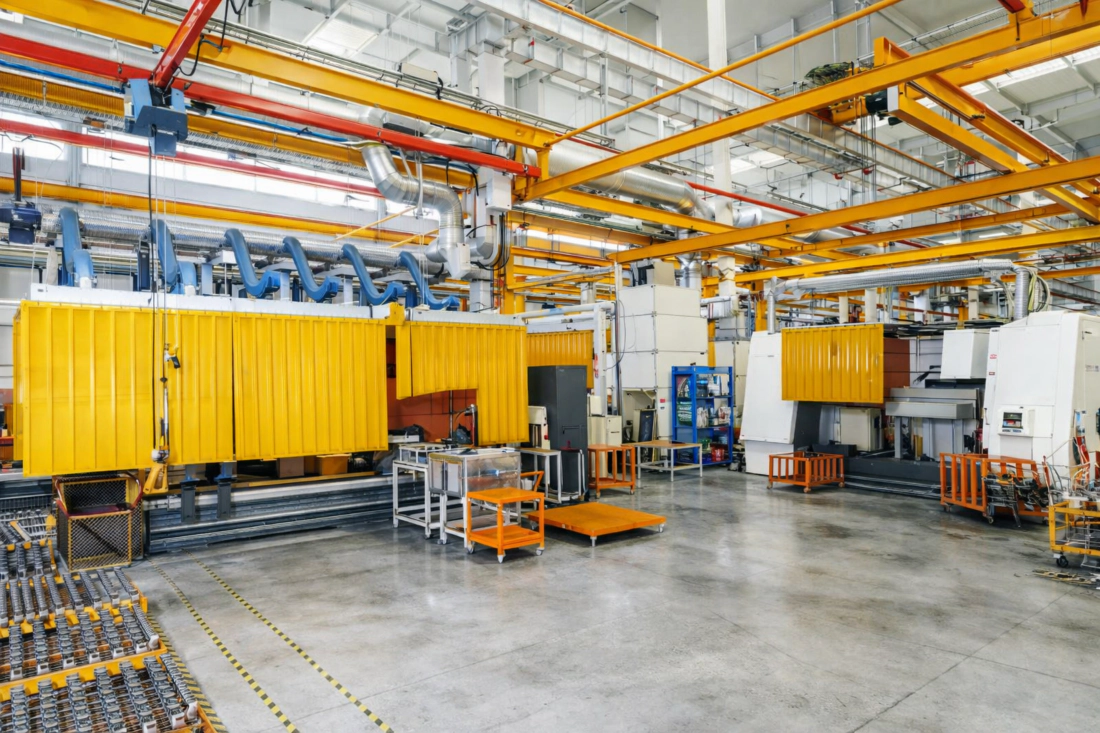
Kinematic Dynamics: Double-Acting Small Cylinder Architecture
The physical mechanics of controlling feeding direction involve elevating and depressing a cantilevered boom structure that is frequently subjected to dynamic wind loads and the internal vibration of the pellet impeller. Relying on a single-acting, gravity-return actuator is a profound engineering misstep in this application. Wind resistance against the feeder housing can easily overpower gravity, preventing the boom from lowering to its targeted angle, thereby disrupting the entire automated feeding pattern. To ensure absolute positional authority, our design employs a strict double-acting fluid power configuration. By channeling pressurized hydraulic fluid independently into both the extension and retraction chambers, the automated control system exerts active, forceful dominion over the boom’s exact trajectory. This dual-action capability allows the cylinder to rigidly lock the arm in place, preventing any un-commanded oscillation that would scatter feed outside the designated aquatic containment zone.
Integrating this immense bidirectional force requires navigating the highly constrained spatial envelope of a commercial automatic feeder. The chassis is predominantly occupied by the large bulk feed hopper, electric drive motors, and centrifugal broadcasting mechanisms. Our engineering team addressed this limitation by architecting a highly optimized small cylinder structure. Through rigorous finite element analysis (FEA), we maximized the internal fluid bore diameter while radically minimizing the external barrel dimensions. This results in an actuator that delivers astonishing power density within a miniature footprint. The compact geometry ensures that agricultural equipment manufacturers can seamlessly integrate the angle adjustment mechanism into sleek, aerodynamic feeder designs without adding cumbersome external weight that could destabilize floating aquaculture barges.
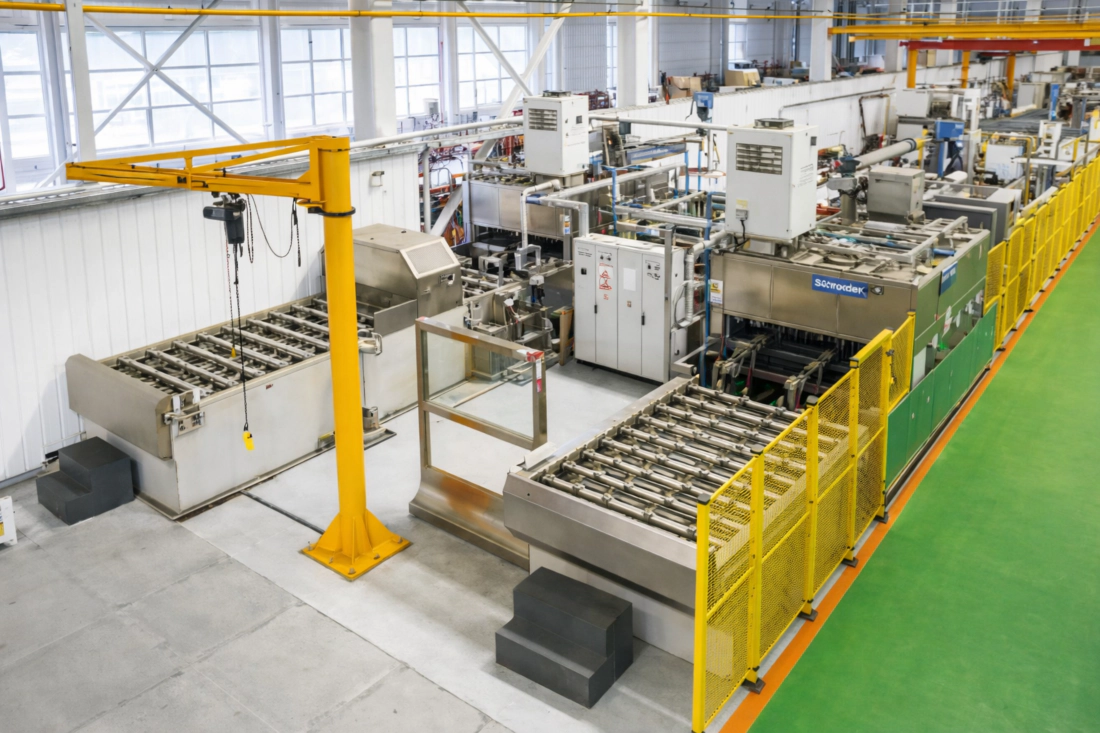
Metallurgical Defense: Polished Stainless Steel Matrix
Fishery automation equipment is deployed in environments characterized by continuous exposure to water vapor, morning dew, and the biological aerosols generated by high-density fish populations. While not fully submerged in saltwater, automatic feeders positioned on pond banks or freshwater floating platforms exist in a permanent mild corrosion atmosphere. Utilizing standard carbon steel actuators, even those coated with heavy industrial marine paints, is an inadequate strategy. Microscopic scratches or UV degradation of the paint film inevitably allow ambient moisture to penetrate, initiating rapid galvanic oxidation that compromises the structural integrity of the cylinder walls and ruins the dynamic seals. We entirely bypass this metallurgical vulnerability by forging our small cylinders exclusively from high-grade stainless steel.
This advanced alloy incorporates specific concentrations of chromium and nickel, spontaneously generating an invisible, self-healing passive oxide layer that completely neutralizes the threat of ambient mild corrosion. Elevating this inherent chemical defense, our manufacturing process mandates a meticulous polished surface treatment for the exterior barrel and the extending dynamic rod. Through multi-stage mechanical polishing, we eradicate microscopic surface valleys and topographical irregularities. This mirror-like, ultra-smooth finish prevents corrosive moisture droplets, algae spores, and aerosolized feed dust from adhering to the actuator. By ensuring the rod remains flawlessly sleek, we guarantee that the internal sealing architecture experiences zero abrasive friction during cycling, drastically extending the operational lifecycle of the angle adjustment mechanism.
Eradicating Fluid Bypass: Fluororubber Seal Optimization
Analyzing extensive maintenance forensics from commercial aquaculture installations reveals a highly specific, destructive typical failure mode affecting fluid power systems: internal leakage. When an automatic feeder is commanded to hold a specific boom angle for prolonged feeding cycles, it relies entirely on the volumetric integrity of the hydraulic cylinder. If the internal piston seals degrade, highly pressurized fluid imperceptibly bypasses the piston head, migrating from the high-pressure chamber into the low-pressure side. This pressure equalization causes the cylinder rod to slowly drift. Consequently, the heavy boom arm droops downward over time, completely altering the intended feeding direction. This results in feed being dumped dangerously close to the feeder rather than dispersed evenly, leading to localized water toxicity and severe livestock undernourishment.
The root cause of this internal leakage is the rapid aging of standard elastomeric seals when subjected to intense solar UV radiation, thermal cycling, and incidental exposure to the oils present in high-protein fish feed dust. Our engineering protocol implements a definitive polymer solution to conquer this exact failure trajectory. We exclusively integrate premium fluororubber seals (FKM/Viton) within the internal architecture of these bespoke cylinders. The molecular structure of fluororubber possesses extraordinary chemical and thermal stability, maintaining absolute elastic memory regardless of continuous environmental exposure. By pairing a flawlessly polished stainless steel bore with these hyper-resilient fluororubber boundaries, we guarantee a permanently tight, frictionless dynamic fluid interface. This combination entirely eradicates internal leakage, ensuring the feeder boom maintains its precise angle with mathematical rigidity throughout the entire feeding schedule.
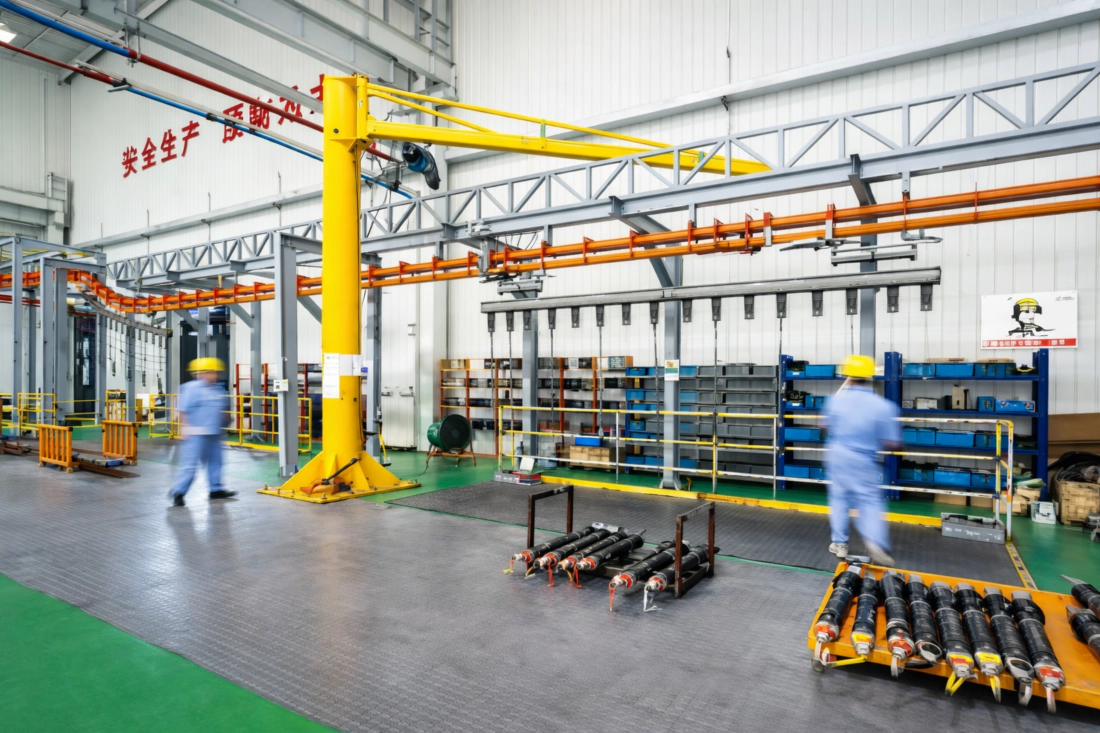
Core Engineering Parameters & Technical Specifications
| Engineering Parameter | System Specification |
|---|---|
| Target Application Industry | Agriculture | Fishery & Aquaculture Machinery |
| Primary Kinematic Function | Automatic Feeder Boom Angle Adjustment |
| Kinematic Action Mode | Double-Acting (Powered Extension & Retraction) |
| Structural Classification | Small Cylinder (High Force Density Matrix) |
| Manufacturing Material | High-Grade Stainless Steel Construction |
| Exterior Surface Treatment | Mechanical Polished Finish |
| Environmental Tolerance | Mild Corrosion (Freshwater & Pond Atmospheres) |
| Typical Failure Mode Addressed | Eradication of Internal Leakage & Positional Drift |
| Recommended Sealing Configuration | Premium Fluororubber Seals (FKM/Viton) |
Strategic Operational Advantages for Aquatic Husbandry
Deploying our specialized fluid power components into your automated aquaculture infrastructure yields immediate, highly measurable improvements in livestock management. The primary operational advantage is the absolute stabilization of feed distribution. Because the double-acting small cylinder definitively eliminates internal leakage, the automated system executes computer-programmed trajectory commands with zero physical deviation. When the central controller mandates a precise 35-degree boom elevation to maximize the dispersion radius across a densely populated pond, our actuator locks the heavy arm at exactly that angle, impervious to external wind pressure or internal vibrations.
Beyond precision targeting, our engineering approach drastically minimizes the total lifecycle cost of the feeding equipment. The integration of a polished stainless steel architecture guarantees that these cylinders survive years of relentless exposure to humid, mild corrosion environments without requiring emergency field replacement due to rust or seizing. The advanced fluororubber seals ignore the degrading effects of sun and biological oils, providing an uninterrupted operational lifespan. Explore our complete catalogue of agricultural fluid power innovations here. We empower fishery equipment designers to build automation systems that are not merely functional, but structurally dominant over their challenging climatic realities.
Elite Custom Hydraulic Manufacturing Excellence in China
As a distinguished fluid power engineering and production facility headquartered in China, our manufacturing complex represents the global vanguard for specialized agricultural hydraulics. We fundamentally understand that standard catalog components are invariably inadequate for the complex spatial constraints and unique kinematic demands of modern aquaculture machinery. Our paramount engineering competency is delivering deeply customized product solutions tailored specifically to your proprietary mechanical blueprints. Whether your automatic feeder design requires bespoke trunnion mounting dimensions, specific micro-stroke lengths for intricate boom articulation, or specialized hydraulic valving manifolds, our technical R&D team in China will collaborate directly with your engineers to co-develop the exact actuator your project dictates. By leveraging vast automated CNC machining capabilities, we process premium stainless steel with microscopic precision, guaranteeing rapid prototyping and highly scalable production runs. Partnering with our Chinese facility provides your global enterprise with unparalleled access to elite manufacturing quality, ensuring your fishery equipment remains fiercely competitive in the international marketplace.
Customer Success Story: Restoring Feed Efficiency in Massive Tilapia Operations
A leading aquaculture conglomerate managing expansive tilapia rearing ponds across Southeast Asia faced a severe operational crisis impacting their harvest yields. Their newly commissioned fleet of shore-mounted automatic feeders was suffering from erratic feed dispersion. Forensic maintenance evaluations revealed that the original aluminum cylinders controlling the boom angles were failing catastrophically. The ambient mild corrosion atmosphere of the humid, semi-tropical ponds was oxidizing the cylinder bodies, while intense solar radiation and feed dust were causing the standard nitrile seals to rapidly degrade. Consequently, massive internal leakage occurred, causing the feeder booms to steadily drift downward during operation. Instead of broadcasting feed over a wide 30-meter radius, the machines were dumping concentrated piles of pellets directly onto the shorelines, leading to monumental feed waste, severe localized water toxicity, and stunted livestock growth.
The conglomerate’s engineering directors collaborated immediately with our custom hydraulic team to deploy a permanent structural remedy. We engineered a highly specific batch of double-acting small cylinders constructed entirely from polished stainless steel to completely reject the humid, mildly corrosive atmosphere. Internally, the units were fortified with our proprietary fluororubber seals to definitively block thermal aging and eliminate the fluid bypass phenomenon. Upon retrofitting their entire feeder fleet, the operational transformation was absolute. The double-acting force snapped the booms to their precise calculated angles, holding them rigidly despite heavy coastal winds. Over the subsequent twenty-four months, the conglomerate reported zero instances of actuator drift or external rust. Feed conversion ratios returned to peak efficiency, completely restoring the environmental balance and profitability of their massive tilapia ponds. Read more about our global engineering legacy here.
Global Engineering Feedback
“The constant humidity and mild corrosion environment around our salmon hatcheries destroys standard actuators rapidly. Moving to these polished stainless steel units from their China factory completely solved our rust issues. The boom positioning is now flawlessly stable.”
— Lars E., Aquaculture Systems Director, Norway
“Controlling feeding direction accurately requires immense holding power in a very restricted machine chassis. The double-acting small cylinder design they customized for our feeders fits seamlessly and delivers incredible, reliable precision without drifting.”
— Nguyen V., Fishery Machinery OEM Lead, Vietnam
“Internal leakage was causing our booms to drop, wasting tons of expensive feed along the shore. Since installing these custom units with fluororubber seals, we haven’t experienced a single positional drop. The manufacturing precision is absolutely top-tier.”
— Carlos M., Regional Shrimp Farm Manager, Ecuador