If you have spent any time around a wet-mix shotcrete machine, you know that sound. It’s not the engine humming; it’s that subtle, grinding noise of the feeding system struggling against a harsh, dry aggregate mix. In my 18 years of designing and fixing hydraulic systems for the construction industry, the number one complaint I hear isn’t about power—it’s about longevity. You are pumping a mixture that is essentially liquid sandpaper at high pressures. It is brutal on equipment. Most operators don’t realize that the stock cylinders on many mid-range spraying machines are built with standard industrial seals, designed for clean factory floors, not the dusty, gritty reality of a tunnel face or a slope stabilization project.
The failure mode is almost always the same. Concrete splatter lands on the extended piston rod. It dries. The rod retracts. If your wiper seal isn’t aggressive enough, that dried concrete gets pulled right into the gland, shredding the main pressure seal. Suddenly, you have an internal bypass, your push force drops, and you are halting the spray to swap out a cylinder while the concrete in the lines starts to set. It is a nightmare scenario. That’s why we’ve moved away from standard steel and standard seals. The trick isn’t just a harder rod; it’s the combination of Q345D high-strength steel for the barrel (to handle the shock loads of the pumping cycle) and a specialized, multi-lip sealing configuration that acts like a fortress against grit.
👀 Walk Through Our Production Line
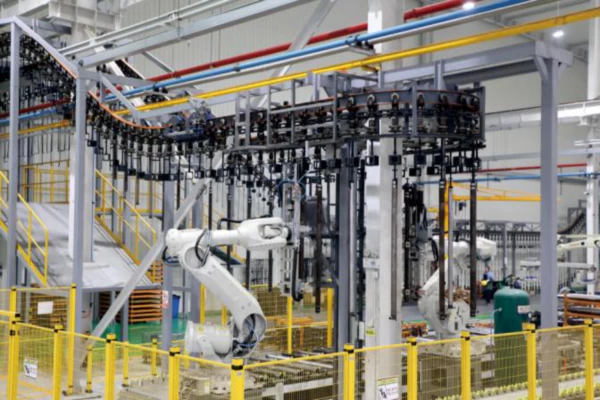
We don’t just talk about quality; we want you to see the welding robots and the chrome plating baths for yourself. We have set up a complete Virtual Reality tour of the factory. You can check out how we machine these heavy-duty barrels right from your phone.
Why “Welded” and “Q345D” Matter in Shotcrete
Let’s talk metallurgy for a second. Standard hydraulic cylinders often use 45# steel (similar to 1045) or sometimes even simpler mild steels. In a static application, that’s fine. But a shotcrete machine is basically a vibration factory. The constant pulsation of the pumping mechanism sends shockwaves through the cylinder body. We’ve seen tie-rod cylinders literally rattle themselves apart in these conditions—the tie rods stretch, the caps loosen, and you get leaks. That is why we exclusively recommend a fully welded construction for the feeding system. It turns the cylinder into a single, rigid structural unit.
Then there is the Q345D specification. The “D” is the important part here—it signifies that the steel has been impact-tested at -20°C. Why does this matter? A lot of shotcrete work happens in tunneling or high-altitude mining, where temperatures drop fast. Standard steel becomes brittle in the cold. When that piston hammers forward to push a dense load of concrete, brittle steel cracks. Q345D maintains its ductility and toughness even in freezing conditions, preventing catastrophic barrel bursts. We pair this with a deep-polished inner wall that reduces friction, keeping the hydraulic oil temperature down, which in turn extends the life of your seals.
Technical Specs: Built for the Grind
You can’t cheat physics, but you can engineer around it. The parameters below represent our “Gold Standard” configuration for shotcrete feeding/pushing cylinders. The critical upgrade here is the seal kit choice. We don’t use standard nitrile rubber for the wiper; we use high-grade polyurethane with a filled-PTFE buffer ring. This combination scrapes the rod clean on every retraction, ensuring that the cement dust stays outside where it belongs.
| Feature | Specification Details |
|---|---|
| Cylinder Type | Double-Acting Piston / Heavy Duty Welded |
| Barrel Material | Q345D (Low-temp impact-resistant high-strength steel) |
| Rod Plating | Hard Chrome (>30 microns), HV850+ Hardness |
| Sealing System | Parker/Hallite (PU Wiper + PTFE Bronze loaded Slide Ring) |
| Working Pressure | Rated 25 MPa / Peak 32 MPa |
| Stroke Speed | High frequency cycle capable (up to 0.5m/s) |
| Mounting Style | Self-aligning spherical bearings or rigid trunnion |
Where These Cylinders Do The Heavy Lifting
The primary habitat for these cylinders is the “wet spray” manipulator arm and the concrete pumping hopper. In a typical robotic shotcrete machine, you have cylinders controlling the boom (articulation) and cylinders pushing the material (feeding). Our Q345D series is specifically optimized for the feeding and pushing mechanism. This is where the concrete is densest, and the resistance is highest.
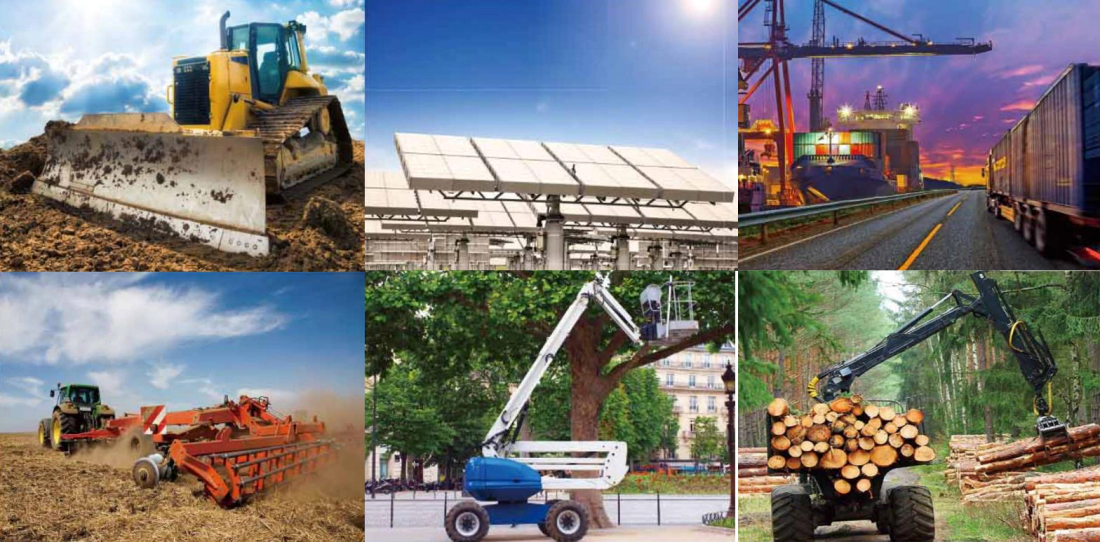
Beyond just tunneling, we are seeing these cylinders being retrofitted onto slope stabilization rigs used in highway construction. In these outdoor environments, the cylinder is exposed not just to concrete splatter, but to rain, mud, and UV radiation. The chrome plating we use helps, but the real hero is the chemical resistance of the seal compounds we select. Standard rubber dries out and cracks in the sun; our polyurethane compounds stay flexible for years.
SWOT Analysis: The Q345D Feeding Cylinder
In the spirit of being completely open with you—because no product is perfect for everyone—here is a breakdown of where this cylinder shines and where you need to be careful.
Strengths
- Durability: Q345D withstands shock loads that bend standard steel.
- Seal Tech: Multi-lip design virtually eliminates contamination.
- Maintenance: Welded design reduces leak points (no tie rods to stretch).
Weaknesses
- Weight: Heavier than standard agricultural-grade cylinders.
- Cost: Higher initial investment due to material and chrome specs.
- Repair: Requires cutting welds to service the piston (unlike the tie-rod).
Opportunities
- Ideal for retrofitting aging Sany or Zoomlion fleets.
- Growing demand in underground mining for robotic spraying.
- Customization for higher pressure outputs.
Threats
- Market flooding with cheap, non-plated rod replacements.
- Users neglecting hydraulic fluid filtration (kills any cylinder).
Customer Success Story: Breaking Through the Alps
Let me tell you about a project we supported recently with the Alpine Tunneling Group (a pseudonym for client privacy, but the project was very real). They were working on a 4km access tunnel in the Swiss Alps. The rock was hard, the timeline was tight, and their existing Italian-made shotcrete machines were blowing feeding cylinder seals every 200 hours. The fine granite dust was bypassing the wipers and scoring the rods.
They couldn’t afford the downtime. We consulted with their maintenance lead and proposed a custom Q345D cylinder with an oversized rod diameter (upgraded from 45mm to 50mm) and our “Severe Duty” seal kit. We also increased the chrome plating thickness to 50 microns. The result? They ran those machines for the remaining 14 months of the project—over 1,500 hours—without a single seal failure on the feeding system. They estimated the savings in downtime and parts at over $35,000 for just three machines.
Voice of the Customer
“We used to carry spare cylinders in the truck because we knew they would fail. With the Ever Power units, we stopped carrying spares. The chrome finish is noticeably harder than the OEM parts.”
– Hans G., Site Foreman, Austria
“I was skeptical that a Chinese manufacturer could match the specs of our German equipment. I was wrong. The welding quality on the trunnions is flawless. They fit perfectly.”
– David R., Procurement Manager, Australia Mining Co.
“Fast turnaround on the custom stroke length. Most suppliers told me 8 weeks; these guys got it done in 3 weeks. Saved our schedule.”
– Miguel S., Maintenance Lead, Chile
Trend Analysis: Where Shotcrete Tech is Going
The industry is shifting towards automation and “smart” hydraulics. We are seeing more demand for cylinders with integrated position sensors. While the Q345D cylinder is a mechanical workhorse, we are now offering options to machine ports for linear transducers. This allows the shotcrete robot to know exactly how much material has been pushed, optimizing the mix ratio in real-time. Even if your current machine isn’t “smart,” buying a cylinder that is sensor-ready creates future-proofing for your fleet.
Customization: We Build What You Need
Standard off-the-shelf parts are great if you have a brand-new machine. But most of you are running equipment that has been modified, welded on, and retrofitted. Maybe you need a slightly longer stroke to get that last bit of material out of the hopper. Maybe you need a beefier mounting lug.
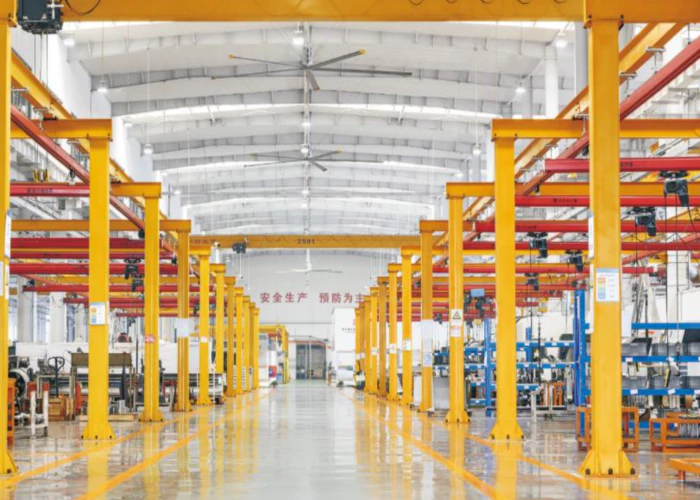
This is our bread and butter. You send us a sketch or a photo with a tape measure next to it, and our engineers generate a CAD drawing for your approval. We control the entire process, from cutting the raw Q345D tube to the final pressure testing.
Frequently Asked Questions (FAQ)
We get a lot of similar questions from guys in the field. Here are the honest answers.
How do you prevent seal failure in abrasive shotcrete environments?
It comes down to the wiper seal quality and the rod hardness. We use a double-lip polyurethane wiper combined with a chrome rod hardness of HV850 to stop grit from entering the gland. If the grit can’t get in, the pressure seal doesn’t fail.
Can I replace a standard feeding cylinder with a Q345D welded version?
Yes, absolutely. We can custom fabricate the mounting points to match your existing machine, but upgrade the barrel material to Q345D for better impact resistance. It’s a direct bolt-on upgrade.
What is the typical lead time for a custom concrete pump cylinder?
For custom specifications, we usually look at about 15 to 20 days for production, depending on the complexity of the integrated valve blocks. Standard sizes might ship faster.
Do you ship heavy hydraulic components to remote mining sites?
We sure do. We handle logistics globally, creating the cylinders specifically for rough transport to mines in Australia, South America, or Africa. We know the paperwork needed for customs, too.
Why is the cylinder rod scoring after only three months of use?
That is likely due to concrete splatter drying on the rod. If the chrome plating is too thin or soft, the dried concrete acts like sandpaper. You need thicker, harder chrome and a better wiper seal to fix this.
Ready to Stop the Leaks?
Don’t let a $500 cylinder stop a million-dollar project. Get the right parts, right now.