Precision at 30 Meters: The Ultimate Guide to Platform Leveling Cylinders for Dutch Aerial Fleets
There is a very specific, sinking feeling you get when you are suspended 25 meters in the air in a scissor lift basket, and suddenly, the floor beneath your boots tilts five degrees to the left. If you’ve been in this industry as long as I have—going on 18 years now—you know that sensation isn’t just uncomfortable; it’s a safety violation waiting to happen. Most printers and catalog designers treat the platform leveling cylinder as an afterthought. They focus on the big boom cylinders that do the heavy lifting. But let’s be honest: the leveling cylinder (often a small, double-acting piston cylinder) is the unsung hero that keeps the operator confident enough to actually do their job. Whether you are maintaining wind turbines off the coast of Zeeland or cleaning windows in downtown Amsterdam, gravity doesn’t negotiate.
In our experience, specifically dealing with the wet and often saline environment of the Netherlands, the standard “off-the-shelf” leveling cylinders often fail prematurely. Why? Because moisture gets past the wiper seal during those long, rainy autumns, causing the rod to pit. Once the rod pits, the seal fails, and you get that dreaded “basket drift.” The trick is not just replacing the seal, but fundamentally upgrading the cylinder architecture to handle both the environmental corrosion and the eccentric loads that happen when two technicians decide to stand on the same corner of the platform.
👀 See The Precision For Yourself
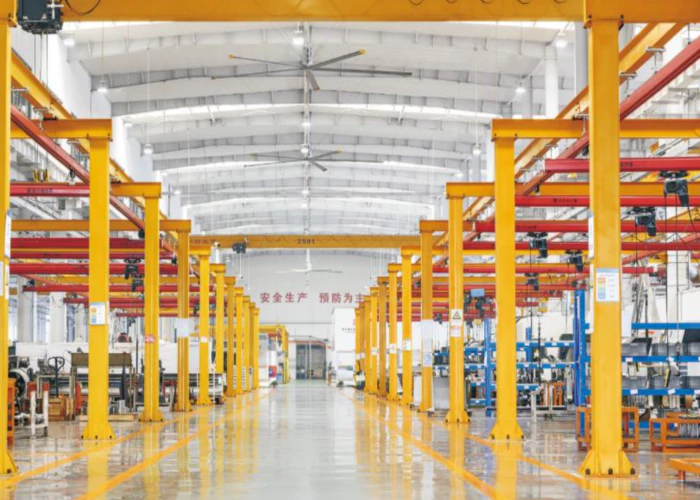
We don’t just talk about micron-level tolerances; we manufacture them. I invite you to take a digital walk through our facility to see how we chrome-plate our rods to resist the North Sea air.
Take the Virtual Tour: Welcome to visit our VR Factory
Why “Standard” Isn’t Good Enough for Leveling
Let’s get into the mechanics. Platform leveling typically works on a “Master-Slave” volumetric principle. The oil pushed out of the master cylinder (at the base) forces the slave cylinder (at the basket) to extend or retract. If there is even a tiny internal leak—I’m talking drops per minute—the synchronization is lost. The basket drifts. We’ve seen OEM cylinders made from standard 1020 or 1045 steel that simply balloon slightly under pressure, throwing off this volumetric balance. That is why we switched our production entirely to 27SiMn (Silicon-Manganese) steel for these applications. It has high tensile strength, allowing for a lighter cylinder wall that doesn’t deform.
Another issue we often encounter in the field is “side loading.” The leveling cylinder isn’t just pushing up and down; it’s often acting as a structural link. When the wind gusts hit a boom lift in Rotterdam port, the lateral force on that small cylinder is immense. A standard welded eye will crack. We use friction-welded ports and reinforced rod eyes with spherical bearings that allow for some misalignment without transferring that stress to the piston seal. This is the difference between a cylinder that lasts 6 months and one that lasts 6 years.

Technical Specs: The 27SiMn Advantage
Success Story: Solving the “Rotterdam Drift”
Let me share a case that is quite relevant to our Dutch friends. We were approached by a prominent equipment rental company based near the Port of Rotterdam—let’s call them “EuroLift Services.” They had a fleet of 50 articulating boom lifts that were critical for shipyard maintenance. The problem? The salty, humid air was corroding the exposed rods of the leveling cylinders. Within months, the seals were getting chewed up, and the baskets were drifting overnight. Safety inspectors were flagging them left and right.
They needed a solution that didn’t involve buying expensive OEM parts every 6 months. We engineered a custom replacement cylinder using Q345B steel for the eye (better weldability) and a rod treated with a specialized Nickel-Chrome multi-layer plating process. We also switched the seal kit to a hydrolysis-resistant Polyurethane that doesn’t degrade in high humidity. We shipped a test batch to Rotterdam. After a full year of operation in the port—rain, salt, and wind—the drift was zero. The rods looked brand new. EuroLift estimated they saved over €45,000 in maintenance costs in the first year alone.
What Our Customers Are Saying
“The master-slave synchronization on these cylinders is spot on. We installed them on our older Genie lifts, and the baskets are perfectly level again.”
— Hendrik V., Fleet Manager, Utrecht
“I was worried about shipping costs to the Netherlands, but their DDP quote was very transparent. The cylinders arrived in Rotterdam right on schedule.”
— Sarah J., Procurement Officer, Rotterdam
“The seals hold up much better in the cold than the stock parts. We used to have leaks every winter; this year has been dry.”
— Peter K., Service Technician, Eindhoven
Applications: More Than Just Cherry Pickers
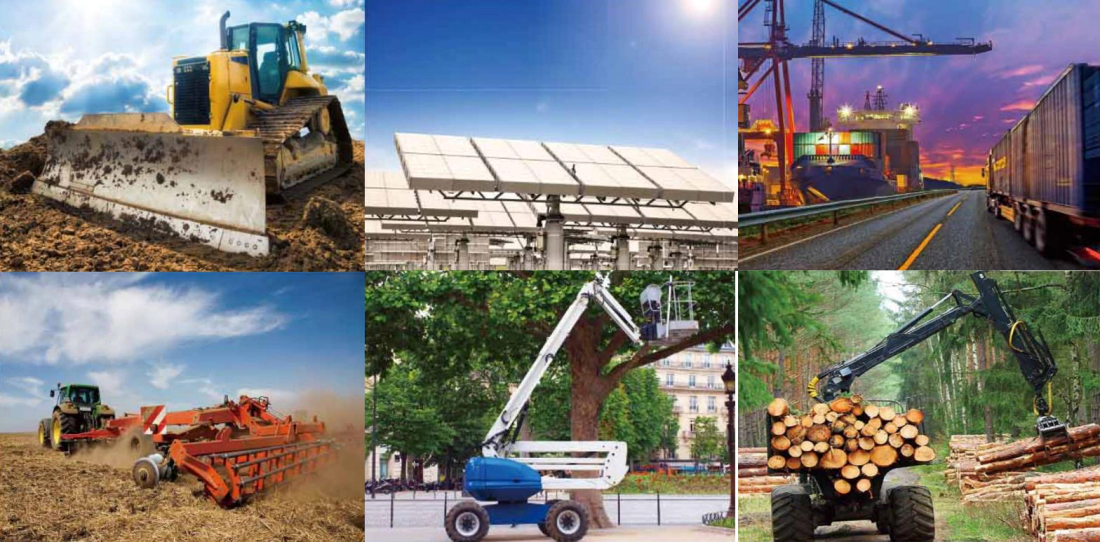
While we focus heavily on Aerial Work Platforms (AWP), these compact, high-pressure leveling cylinders are versatile. In the Netherlands, where logistics and specialized transport are huge, we see them used in:
- Scissor Lifts: Keeping the extending deck stable when holding heavy materials.
- Truck-Mounted Cranes: Leveling the operator cab or the outrigger pads on uneven cobblestone streets.
- Agricultural Machinery: Leveling harvester headers (very common in the Dutch flower industry).
Trend Analysis: Electronic vs. Hydraulic Leveling
If you follow the trade shows like Bauma or Apex, you’ll notice a shift. Modern AWPs are moving towards electronic leveling. This uses tilt sensors and an ECU to actively pulse the hydraulic valves, rather than relying purely on the passive mechanical “master-slave” hydraulic link. What does this mean for the cylinder? It means the cylinder needs to be even more responsive. We are now integrating magnetostrictive linear position sensors directly into the cylinder rod. This provides real-time feedback to the computer, ensuring the basket stays within the strict 3-degree tilt limit required by European EN280 standards. If you are still buying “dumb” cylinders for smart machines, you’re missing a trick.
Strategic SWOT Analysis
For our partners in Europe, understanding where we fit in the supply chain is key. Here is our honest assessment.
Strengths (Internal)
- Specialized 27SiMn material sourcing (lighter/stronger).
- In-house salt spray testing capabilities.
- Ability to produce low-volume custom orders.
Weaknesses (Internal)
- Shipping time to Europe (Netherlands) takes 4-5 weeks by sea.
- Less brand recognition than local giants like Bosch Rexroth.
Opportunities (External)
- High demand for aftermarket parts for aging European rental fleets.
- Stricter safety regulations requiring higher quality replacements.
Threats (External)
- Rising ocean freight costs.
- Fluctuating steel prices globally.
Factory Capabilities: Customization is Standard
We understand that a JLG lift is different from a Genie, which is different from a Niftylift. You can’t just use a generic cylinder. Our engineering team can take your worn-out sample, or even just a rough sketch with pin dimensions, and generate a CAD drawing within 24 hours. We use automated welding robots to ensure the base and rod eye are perfectly aligned—critical for preventing that side-loading wear we talked about earlier. We welcome low MOQ (Minimum Order Quantity) orders because we know you might only need 5 or 10 units to fix a specific batch of machines.
Frequently Asked Questions (FAQ)
How do I prevent my aerial platform basket from drifting when working in cold Dutch winters?
What is the typical cost for a custom replacement leveling cylinder shipped to Rotterdam?
Why is 27SiMn steel better than standard ST52 for manufacturing small piston cylinders?
Can you manufacture a master-slave cylinder pair for a JLG or Genie lift located in Amsterdam?
What is the lead time for a batch of welded leveling cylinders to arrive in Europe?
Level Up Your Safety Standards
Don’t let a drifting basket compromise your job. Get precision-engineered cylinders today.