Hydraulic Tensioning Cylinders for Mining Belt Conveyor Systems
Zero-Leak Stability. Q345D Structural Integrity. Engineered to Maintain Optimal Belt Modulus in High-Dust Environments.
The Science of Static Holding in Dynamic Conveyance
In the logistics of bulk material handling, the belt conveyor is the artery of the mine. The efficiency of this artery is entirely dependent on the tensioning system (take-up unit). The hydraulic cylinders responsible for maintaining this tension face a unique set of tribological and hydraulic challenges. Unlike cylinders that constantly cycle, a tensioning cylinder must often hold a static position under high pressure while absorbing the dynamic longitudinal oscillation of the belt caused by start-up torque and load variations. This creates a scenario where “stick-slip” friction and micro-vibration can destroy standard seals, leading to the primary failure mode: internal leakage.
We approach this application with a focus on structural rigidity and sealing longevity. Standard ST52 tubes often flex under the side-loading inherent in take-up trolleys. We utilize Q345D low-alloy high-strength steel for our welded cylinder bodies. Q345D offers superior impact toughness at low temperatures compared to standard carbon steels, ensuring the cylinder withstands the shock loads of a fully loaded belt starting from a dead stop. Furthermore, we combat the ingress of coal dust and iron ore fines—which act as a grinding paste—by implementing a multi-stage rod sealing architecture that prioritizes exclusion as much as retention.
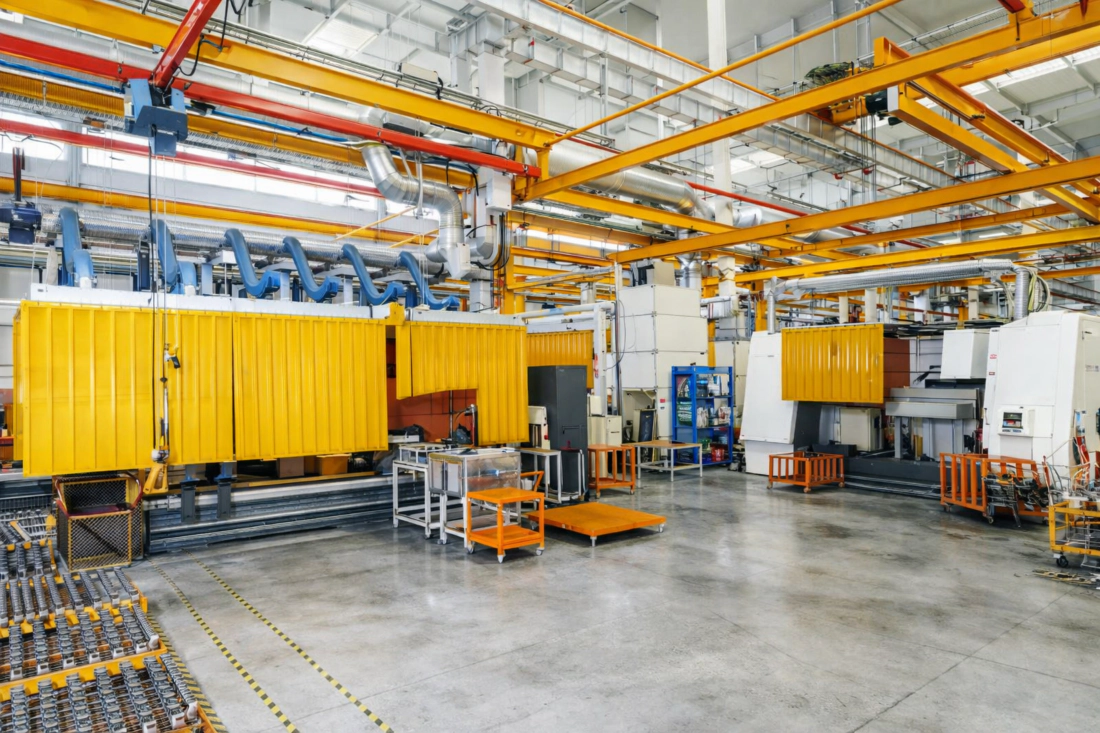
Immersive Manufacturing Experience
Transparency builds trust. We invite you to step inside our digital twin facility and witness how we weld Q345D steel and test seal integrity under high pressure.
Technological Superiority in Tension Control
Q345D Welded Structure
The mining environment is unforgiving. We utilize Q345D (equivalent to S355J2) for the cylinder barrel and cap. This material is chosen for its superior weldability and notch toughness at temperatures down to -20°C. The welded construction eliminates the failure points associated with threaded tie-rods or cast flanges, providing a monolithic structure capable of handling the lateral vibration of the take-up trolley.
Zero-Drift Sealing
Internal leakage causes tension loss, leading to belt slippage and potential fires. We implement a “zero-leak” sealing profile using high-grade polyurethane U-cups loaded with anti-extrusion rings. This configuration ensures that pressure is maintained statically for days without pump intervention, while still allowing for rapid retraction if the system detects a belt tear.
Dust-Proof Chrome
Conveyors generate immense amounts of dust. Our piston rods undergo precision grinding followed by hard chrome plating (minimum 30 microns) and polishing to Ra 0.2. Crucially, we install a metallic scraper ring followed by a double-lip wiper. This mechanical barrier physically shaves off caked-on mud and dust, protecting the primary hydraulic seals from abrasive damage.
Metallic Scraper & Double Wiper
Global Case Study: The Andean Copper Overland Conveyor
The Challenge: High Altitude Drift
A massive copper mine in the Chilean Andes utilized a 5km overland conveyor to transport ore from the pit to the processing plant. The existing tensioning cylinders were failing every 3 months. The combination of high UV exposure degrading external seals and the fine copper dust acting as an abrasive was causing internal bypass. This led to “belt sag” between idlers, increasing power consumption and causing tracking issues that triggered emergency stops.
The Solution: High-Life Sealing Retrofit
We engineered a custom drop-in replacement cylinder featuring our “High-Life” seal package. We utilized UV-stable hydrogenated nitrile rubber (HNBR) for all external wipers and upgraded the rod plating to a dual-layer nickel-chrome for enhanced corrosion resistance. We also integrated a larger oil volume in the cap end to act as a passive dampener against shock loads.
The new cylinders have been in operation for over 18 months with zero reported leakage. The stable belt tension reduced the drive motor amp draw by 4%, resulting in significant energy savings.
“The tension stability is remarkable. We used to adjust pressures weekly; now it’s set-and-forget.”
“Ever Power’s team understood the dust issue better than the OEM. The scraper seal is a game changer.”
“Delivery to the port was faster than expected. The Q345D welding quality is world-class.”
Technical Specifications & Performance Limits
| Parameter | Standard Specification | Performance Impact |
|---|---|---|
| Cylinder Type | Double Acting Piston | Allows active tensioning & de-tensioning |
| Body Material | Q345D (Low Alloy Steel) | High impact resistance at -20°C |
| Working Pressure | 16 MPa – 25 MPa | Optimized for standard hydraulic power units |
| Rod Surface | Hard Chrome (30μm+) | Resists scoring from coal/ore dust |
| Sealing System | PU U-Cup + Wiper | Zero-leak static holding capability |
| Stroke Length | Custom (up to 3000mm) | Accommodates belt stretch over time |
Versatility Across Material Handling
While focused on main conveyor belt tensioning, the robust design of our Q345D cylinders makes them ideal for various actuation points within the bulk material handling ecosystem.
Luffing and slewing cylinders for boom movement.
Heavy-duty drive and tensioning actuators.
Precise tensioning for dewatering efficiency.
Positioning cylinders for material discharge.
[Image of conveyor belt system]
Engineered in China, Powering the World
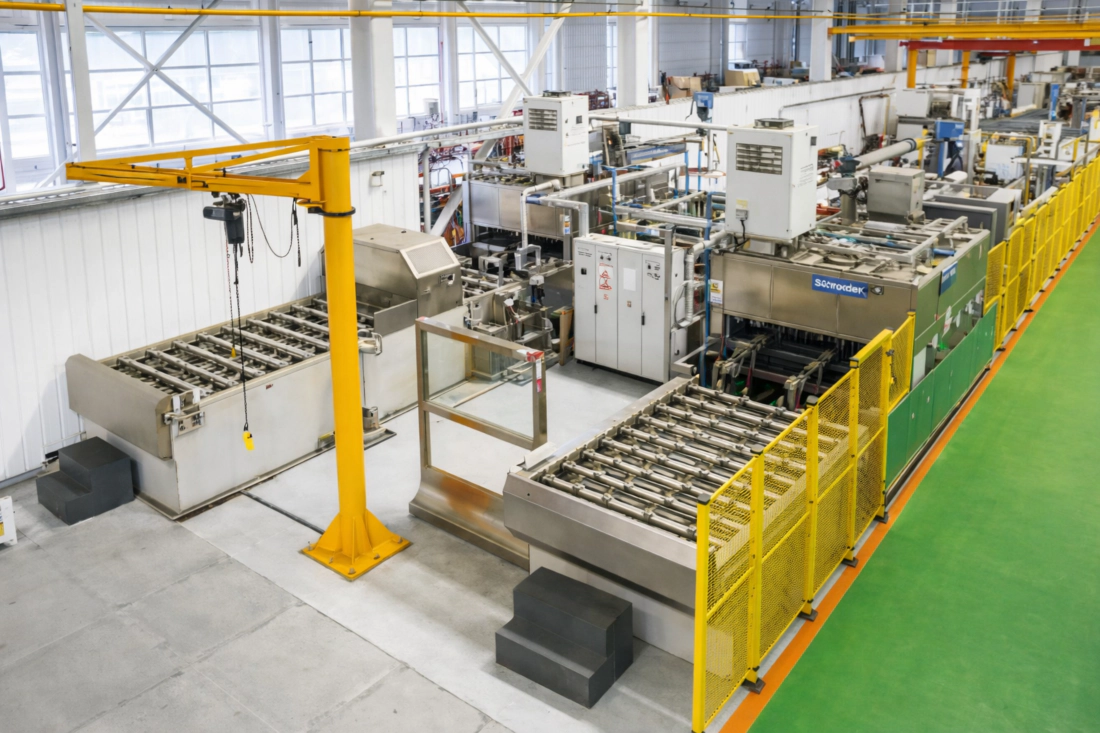
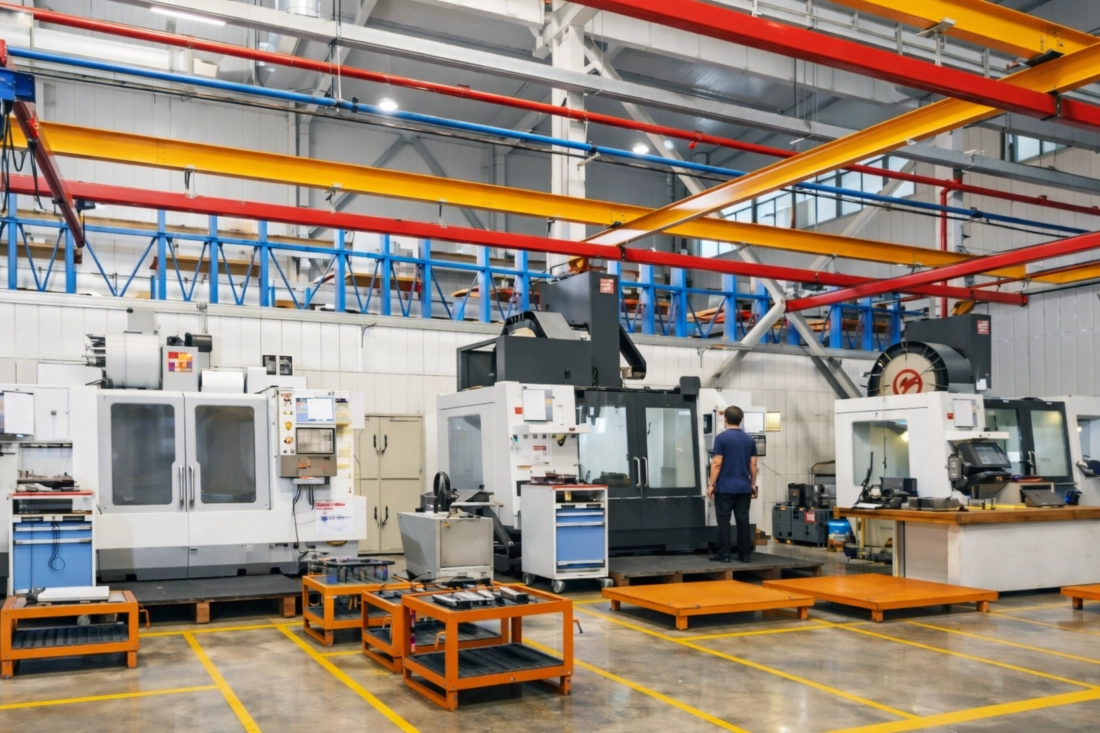
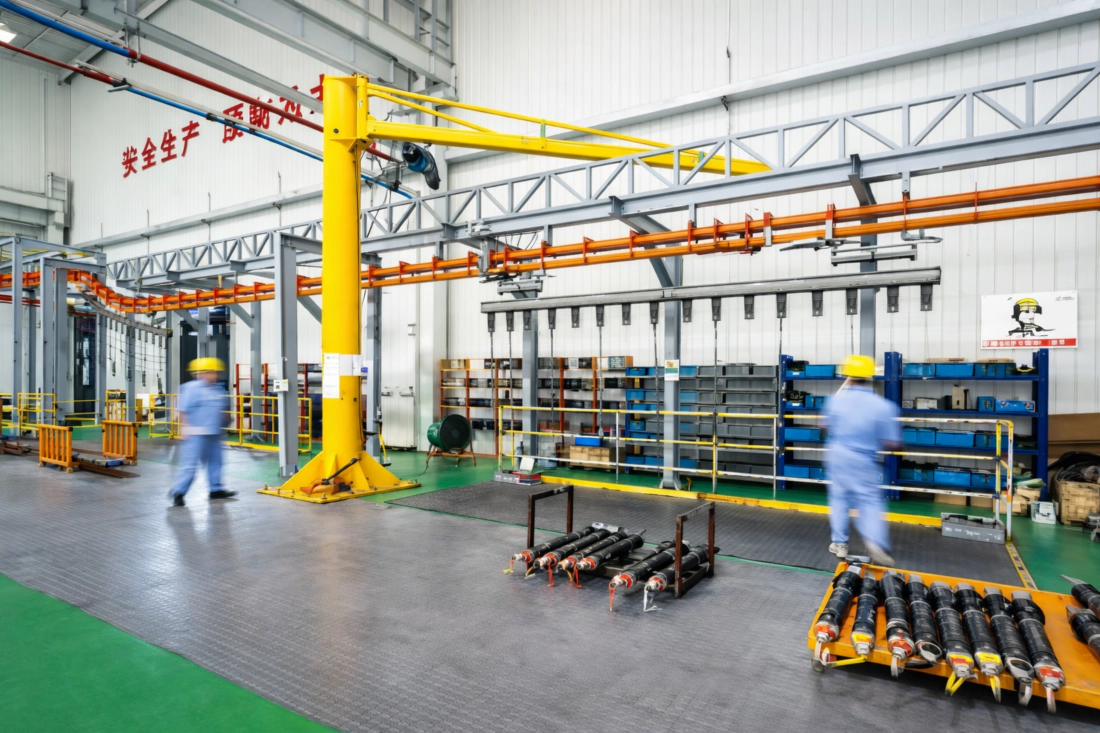
Our manufacturing hubs in Hangzhou and Shandong serve as the backbone of our global supply chain. We combine the cost advantages of Chinese manufacturing with rigorous international quality standards (ISO 9001). We don’t just sell cylinders; we offer comprehensive engineering support. From inspecting raw Q345D steel billets to the final pressure hold test, every step is controlled in-house to ensure your conveyor never stops.

Expert Answers to Tensioning Challenges
Why do standard cylinders leak internally when used for belt tensioning?
How does Q345D steel improve the lifespan of the cylinder?
Can you manufacture a tensioning cylinder to replace a specific OEM part?
What is the typical lead time for custom cylinders from your China factory?
Keep Your Operations Moving.