Strengthening Foundations: Unpacking Hydraulic Support Leg and Prop Cylinders for Unwavering Stability
Out on a job where everything hinges on solid support, the hydraulic support leg/prop cylinder steps in as that reliable backbone – extending to brace structures or machines against shifts and loads that could otherwise spell trouble. We’ve seen setups teeter when props give way under uneven pressure, turning a smooth operation into a scramble (and who hasn’t felt that pit in their stomach during a close call?). But tune it right, with cylinders that lock in place firmly, and your equipment stands tall through the toughest conditions. In our experience over the years, these hydraulic support leg/prop cylinders shine when built to handle dynamic forces, like in mining roofs or mobile rigs. Most folks overlook how a double-acting design allows precise retraction, too, making adjustments a breeze without manual fuss. And on the toughness front, we’ve designed them to fend off impacts and corrosion, keeping your supports propping up reliably – because in this game, stability isn’t optional, is it?
Join us virtually: Visit Our VR Factory – immerse in the creation process of these vital hydraulic support leg/prop cylinders!
Exploring the core of a hydraulic support leg/prop cylinder, its hydraulic fluid under control that extends the rod to prop up loads, with return springs or reverse pressure pulling it back when needed. We’ve found that seamless steel tubes for the body offer the compression resistance crucial for holding tons overhead, while nitrided rods combat wear from constant friction. Seals, often high-performance rubber composites, ensure no leaks at pressures up to 400 bar, vital in damp tunnels where moisture sneaks in (imagine a slow drip undermining your setup – not ideal). Performance highlights include strokes from 1 to 5 meters, bore sizes 100 to 300 mm for thrust forces exceeding 100 tons. In scenarios like roof propping, the cylinder’s load-holding valves prevent creep, maintaining height under vibration. We’ve integrated pressure reliefs in models to safeguard against overloads, enhancing safety. Materials such as alloy steels boost fatigue resistance, and in our builds, they’ve proven to cycle reliably in cyclic loading, outlasting expectations in harsh spots.
| Parameter | Typical Specs | Key Perk |
|---|---|---|
| Bore Diameter | 100-300 mm | Provides substantial propping force |
| Stroke Length | 1-5 meters | Adapts to varying support heights |
| Operating Pressure | Up to 400 bar | Handles heavy-duty loads steadily |
| Thrust Force | 50-200 tons | Supports massive overhead weights |
| Material | Alloy steel, nitrided | Endures wear in abrasive settings |
| Seals | Rubber composites | Seals tightly against contaminants |
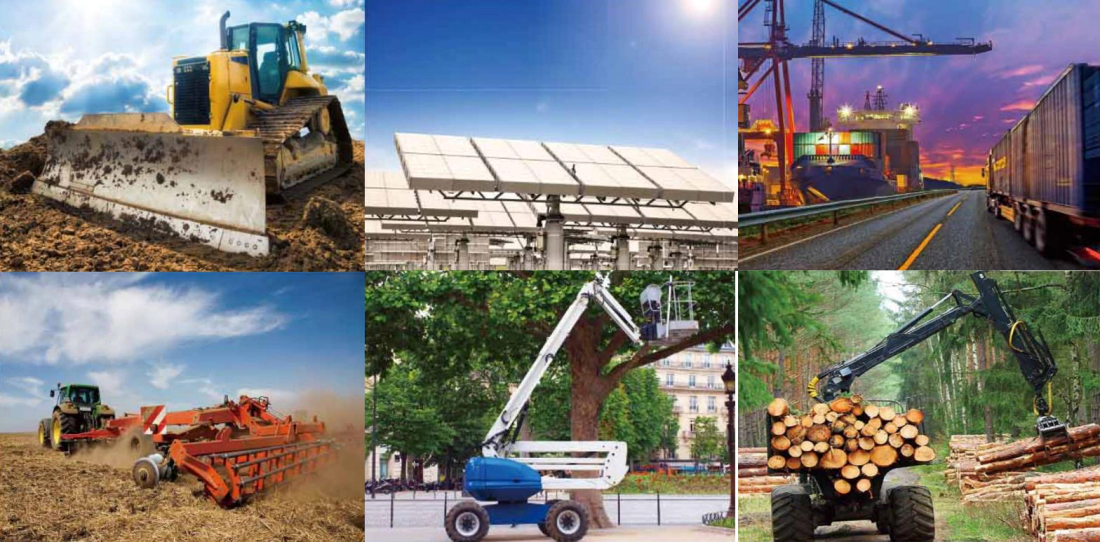
Diving into the fields where hydraulic support leg/prop cylinders prove indispensable, picture underground coal mines in Poland – propping roofs to shield workers as seams are extracted. We’ve supplied shield supports in Australian longwalls, where the props advance with the face, holding back tons of overburden. Construction trenches in Japan use them to brace walls against collapse during excavations. Offshore platforms in the Gulf employ leg cylinders to stabilize jack-ups on seabeds, countering waves (tried working on a rocking rig? Unnerving). Tunneling in Switzerland sees them supporting arches post-blast, ensuring safe passage for crews. And in wind turbine bases during installs across Denmark, they prop forms until concrete sets. The knack is syncing cylinder extension with load sensors; mismatch it, and you’re risking sags that compromise safety and slow progress.
Scanning the evolving landscape for hydraulic support leg/prop cylinders, advancements point to IoT-enabled versions that relay real-time load data, allowing predictive tweaks before failures creep in. Lighter carbon-fiber reinforcements are emerging, easing transport while upholding strength for remote sites. From our vantage, hybrid materials blending metals with polymers cut corrosion in salty environments, extending upkeep intervals. Automation trends favor self-adjusting props that respond to seismic shifts, a boon for volatile mines. However, commodity spikes might inflate costs, urging efficient sourcing. Stricter mining regs demand fail-safes, and we’re weaving in redundant circuits. The arena is propping up toward eco-designs, with recyclable components and low-leak seals aligning with green mandates.
A notable triumph involved a tunneling contractor in Spain, drilling a metro extension under Barcelona’s historic districts. Their existing props struggled with groundwater pressure, leading to frequent readjustments and project lags in the saturated clays. We tailored hydraulic support leg / prop cylinders with enhanced sealing and auto-lock mechanisms to maintain stance amid fluctuations. Following deployment, support integrity rose 40%, accelerating advance rates and trimming the timeline by a month, netting savings over €150,000. The site supervisor highlighted how the precise extensions minimized ground settlement, preserving nearby buildings – essential in urban digs where vibrations echo far.
Echoes from satisfied users underscore the difference. “These hydraulic support leg/prop cylinders anchored our UK shaft sinks flawlessly – no slips in wet rock, just steady holds!” remarked Ian from a civil engineering group. Ana from a Chilean copper mine: “In seismic zones, others buckled, but yours absorb shocks; props stay true, keeping ops flowing.” And Theo, a Dutch offshore tech: “We brace platforms in storms now without worry – the legs extend reliably, safer for all aboard.”
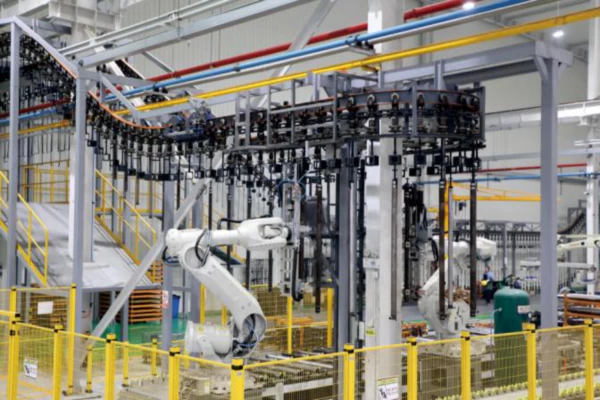
At our manufacturing core, championing customization for hydraulic support leg/prop cylinders defines our edge – adapting bore for exact loads or adding coatings for acidic mines, our specialists craft precision fits swiftly. We’ve conquered bespoke hurdles, such as slimming profiles for narrow shafts or fortifying for subsea pressures (and mastering that sidesteps field fixes). Robotic assembly and endurance trials – simulating endless props – affirm every piece’s readiness. Our nimble prototyping accelerates from sketch to sample, empowering your tests pre-commitment. Eyeing specifics? An informal exchange reveals bespoke avenues.
SWOT Analysis: Hydraulic Support Leg / Prop Cylinder Overview
| Strengths | Weaknesses |
|---|---|
| – Exceptional load-bearing for critical stability needs. – Flexible customizations suiting diverse environments. – Advanced seals prolonging operational lifespan. – Safety integrations averting potential failures. |
– Premium pricing for specialized builds. – Demands skilled setup for best results. – Bulkier in high-force variants affecting portability. – Reliant on clean hydraulics to avoid issues. |
| Opportunities | Threats |
| – Expanding mining in developing nations. – Sensor tech for smart monitoring growth. – Sustainability pushes for eco-materials. – Collaborations with equipment OEMs. |
– Budget rivals from emerging markets. – Material cost fluctuations. – Evolving safety norms are increasing compliance. – Economic slowdowns in infrastructure. |
Frequently Asked Questions
What is the average cost for hydraulic support leg cylinders from suppliers in the Australian mining sector?
Costs shift with size, but expect $1500 to $4500 for sturdy ones fitting longwall props – force and stroke matter.
How can I secure a quote for prop hydraulic cylinders for construction trenches in European urban projects?
Submit your site specs and load requirements; quotes are prompt, designed for compact, wet digs.
Which supplier gives the best price on support leg cylinders for offshore platforms in the Middle East oil industry?
Choose corrosion-proof types; ours begin at $2000 with marine warranties for wavy conditions.
Where to locate reliable suppliers offering quotes for hydraulic prop cylinders in South American tunneling operations?
Hunt for global experts with fast delivery; we align with seismic standards for mountain bores.
When is the optimal time to replace support leg hydraulic cylinders in heavy mining in Africa?
Monitor for extension drags or seals failing; in dusty pits, review post-3000 hours to sustain safety.