High-Response Servo Hydraulic Cylinders for Wind Turbine Transport Vessel Fin Stabilizers
The logistics of offshore wind energy demand absolute precision. Transporting 100-meter turbine blades and 500-ton nacelles across open oceans requires vessels that can virtually eliminate roll acceleration. The active fin stabilizer system is the only barrier between a successful delivery and catastrophic cargo damage. At the heart of this system lies the fin actuator—a hydraulic component that must execute thousands of micro-adjustments per hour under immense hydrodynamic loads. We engineer Double-Acting Servo Hydraulic Cylinders specifically for these punishing marine environments. Utilizing 2205 Duplex Stainless Steel and advanced ceramic coatings, our actuators are built to withstand the “sandpaper effect” of saltwater particulates and the fatigue of continuous wave impact, ensuring your vessel maintains a stable platform in Sea State 6 and beyond.
Validate Our Manufacturing Capabilities
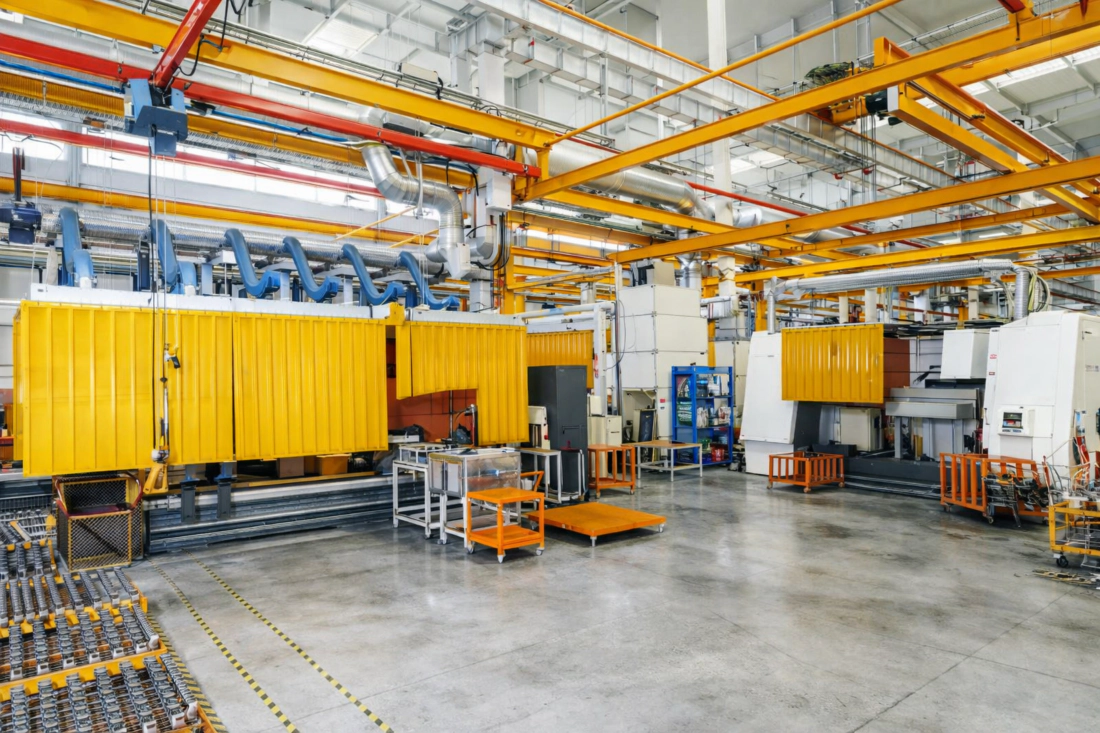
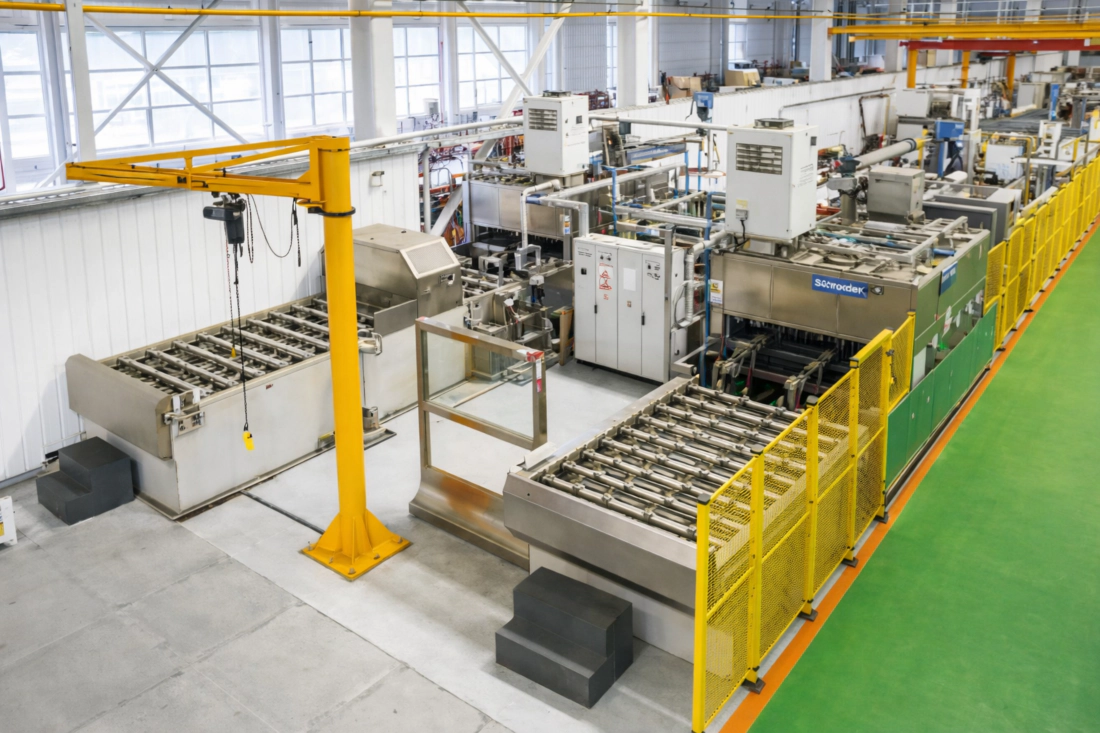
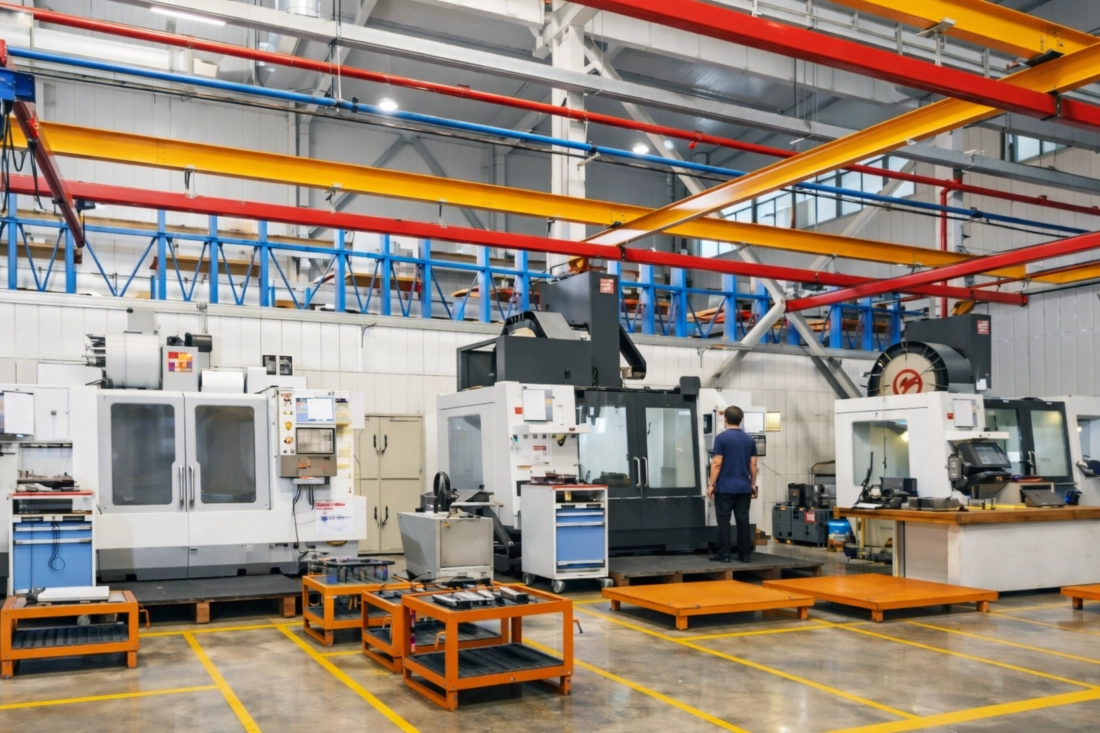
In the high-stakes world of marine manufacturing, seeing is believing. We invite you to virtually step onto our production floor in China. Witness the precision of our CNC machining centers, the rigor of our pressure testing zones, and the scale of our assembly lines dedicated to marine hydraulics.
The Engineering Challenge: Continuous Wave Impact & Corrosion
Unlike standard marine cylinders that operate intermittently (like hatch covers or cranes), a fin stabilizer cylinder is in a state of perpetual motion while the vessel is underway. It is the muscle behind the “Active Control” system, constantly extending and retracting to change the angle of attack of the stabilizer fin against the water flow. This creates a lift force that counteracts the ship’s roll. The operational frequency is high, and the loads are dynamic and non-linear.
The primary failure mode in this application is Corrosion Fatigue. Standard chrome-plated carbon steel rods develop micro-cracks under the cyclic bending loads imposed by wave impacts. Once seawater penetrates these cracks, the substrate corrodes, blistering the chrome and destroying the high-pressure servo seals. This leads to internal bypass, resulting in a “sluggish” fin response that fails to stabilize the ship effectively.
Our solution eliminates this vulnerability by transitioning to a 2205 Duplex Stainless Steel construction. With a microstructure of 50% ferrite and 50% austenite, 2205 offers double the yield strength of 316L stainless and superior resistance to chloride stress corrosion cracking. For the piston rod, we apply a high-velocity oxygen fuel (HVOF) ceramic coating, providing a surface hardness exceeding 1000 HV that is impervious to salt spray and submerged debris.
Core Technological Advantages
2205 Duplex Metallurgy
We utilize 2205 Duplex Stainless Steel for the cylinder barrel and head. This material provides a Pitting Resistance Equivalent Number (PREN) of >35, ensuring longevity in warm, oxygenated seawater environments where standard stainless steels suffer from pitting.
Integrated Servo Feedback
To achieve the millisecond response times required for roll reduction, our cylinders feature integrated Magnetostrictive Linear Position Sensors (MTS/Balluff) rated for 600 bar. This closed-loop feedback allows the ship’s gyroscope to control fin position with sub-millimeter accuracy.
Ceramic Rod Technology
The piston rod is the most exposed component. We apply a dense ceramic coating that is electrically insulating (preventing galvanic corrosion) and incredibly hard. This surface finish protects the seals from the abrasive action of crystallized salt and marine organisms.
Low-Friction Sealing
Standard seals create “stick-slip” which degrades control accuracy. We utilize a specialized PTFE-Bronze composite sealing arrangement with low-friction guide bands. This ensures smooth start-up motion even under high side loads from wave impact.
Case Study: Securing the “Aeolus Transporter”
The Challenge
A dedicated wind turbine installation vessel operating in the North Sea was experiencing critical roll issues. The existing stabilizer actuators, made from standard ST52 steel with chrome plating, were suffering from seal failure every 3 months due to the aggressive saline environment and high-frequency dithering. This instability forced the vessel to wait for perfect weather windows, delaying turbine erection schedules by weeks.
The Solution
Ever Power engineered a retrofit solution using our “Marine-Servo” series. We replaced the actuators with 2205 Duplex Stainless Steel units featuring integrated linear position sensors. The seal stack was upgraded to a redundant Hunger seal configuration designed for high-velocity oscillation.
The Result
Since the installation 18 months ago, the “Aeolus Transporter” has reported zero hydraulic failures. The roll reduction efficiency improved by 15% due to the faster response time of the new servo cylinders, allowing the vessel to operate in higher sea states and reducing project downtime significantly.
“The response time of these cylinders is instant. The fin stabilizers actually stabilize now, even in rough chop.”
— Capt. Anderson, Vessel Master, UK
“We used to change seals every docking. With the ceramic rod coating, we haven’t touched them in two years.”
— Chief Engineer Li, Marine Tech, Singapore
“Sourcing these from China was a strategic win. The quality of the Duplex steel welding matches any European supplier we’ve used.”
— Procurement Lead, Danish Wind Group
Technical Specifications
| Parameter | Specification Details |
|---|---|
| Actuation Type | Double-Acting Servo Hydraulic Cylinder |
| Body Material | Duplex Stainless Steel 2205 (UNS S32205) |
| Rod Surface | HVOF Ceramic Coating / Laser Cladding (>1000 HV) |
| Working Pressure | Rated 250 Bar / Peak Shock 350 Bar |
| Feedback System | Integrated Magnetostrictive Sensor (4-20mA / SSI / Profibus) |
| Seals | Low-Friction PTFE/Bronze Composite (Merkel/Trelleborg) |
| Classification | DNV-GL / ABS / CCS Certified Manufacturing |
Extended Application Scenarios
While optimized for wind turbine transport vessels, our stabilizer cylinders are engineered for any high-value marine asset requiring superior ride control:
- Luxury Expedition Yachts: Ensuring passenger comfort in polar regions.
- Ro-Ro Ferries: Preventing cargo shift during rough crossings.
- Naval Patrol Vessels: Maintaining weapons platform stability.
- Cable Laying Ships: Precise station keeping aid.
Your Strategic Partner in China
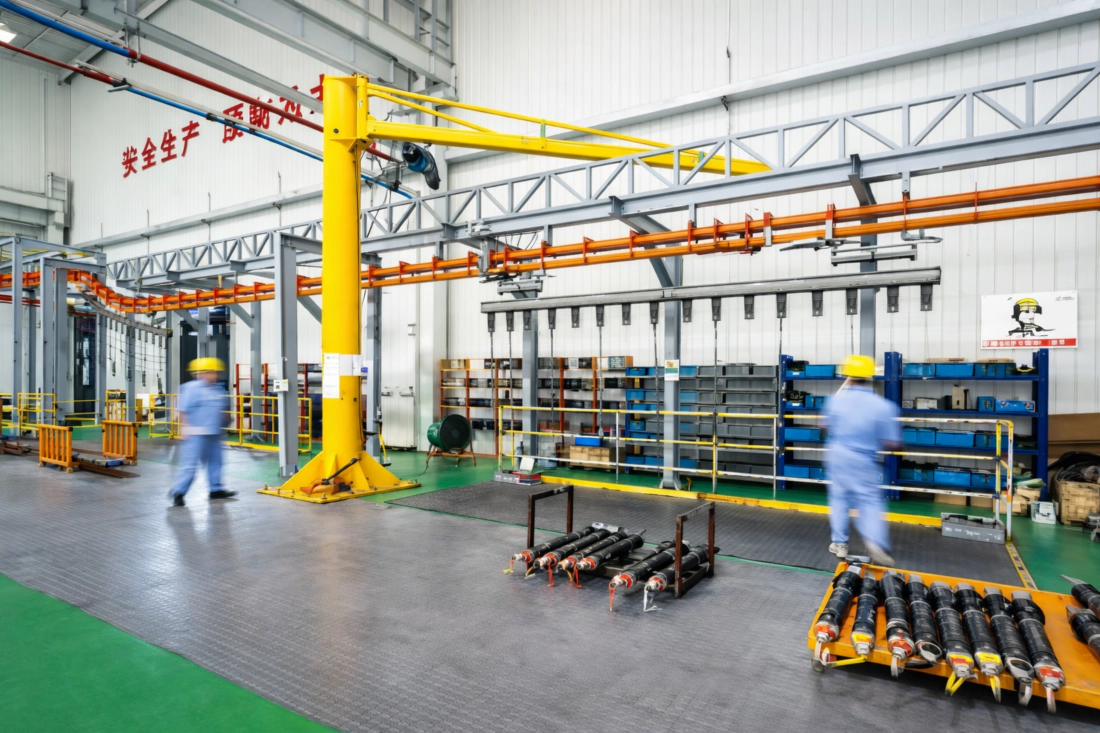
Ever Power is not just a supplier; we are a specialized manufacturer with 18 years of experience in heavy-duty hydraulics. Our facility in China handles the entire production lifecycle, from forging the 2205 duplex blocks to the final laser particle count testing of the hydraulic fluid.
We offer full OEM/ODM services. Whether you need a drop-in replacement for a legacy Sperry or Rolls-Royce stabilizer system, or a custom design for a new build, our engineering team provides full CAD/FEA support and material traceability.
Learn more about our quality control at About Us.

Frequently Asked Questions
What makes 2205 Duplex steel better for stabilizer cylinders?
2205 Duplex stainless steel offers superior yield strength and corrosion resistance compared to standard 316L or plated carbon steel. This is critical for preventing stress corrosion cracking in the high-load, saltwater environment of active fin stabilization.
How fast can these servo cylinders respond to wave motion?
With our low-friction seal design and integrated magnetostrictive sensors, our cylinders can achieve response times in the millisecond range, allowing for real-time correction of vessel roll as dictated by the ship’s gyroscope.
Can you manufacture cylinders to meet DNV or ABS classification?
Yes, we provide full certification support. We can coordinate witness testing with surveyors from DNV, ABS, Lloyd’s Register, or CCS to ensure the cylinders meet all class requirements for your specific vessel.
What is the advantage of ceramic coating over chrome plating?
Ceramic coatings are non-porous and electrically insulating, which prevents the pitting corrosion common in chrome. They are also significantly harder, providing better resistance to scratches from sand or debris in the seawater.
Do you offer replacement cylinders for existing stabilizer systems?
Absolutely. We specialize in reverse engineering and retrofitting. If you provide the specifications or the old unit, we can manufacture a drop-in replacement with upgraded materials (like Duplex steel) to extend the service life of your system.
Need to upgrade your vessel’s stability?