Earth Moving Muscle: Heavy-Duty Scraper Cylinders for Bowl, Apron, and Ejector Systems
There is a specific sound a scraper makes when it hits a patch of hard-packed clay or wet sand—the engine roars, the tires fight for traction, and the hydraulic system screams under maximum pressure. If you have spent as much time on earthmoving sites as I have (and ruined as many pairs of boots in the mud), you know that the scraper is the undisputed king of moving dirt efficiently. But here is the thing most fleet managers overlook until it’s too late: the hydraulic cylinders on a scraper take more abuse than almost any other component on the job site.
We are talking about three distinct systems working in a brutal symphony: the Bowl Lift carrying 30+ cubic yards of soil, the Apron fighting to keep that load contained against gravity, and the Ejector pushing sticky, heavy muck out the back. In our experience, when a scraper goes down, it’s rarely the engine; it’s a blown seal on the ejector cylinder or a bent rod on the apron because the operator caught a rock at the wrong angle. Most generic cylinders just aren’t built for the high-speed shock loads we see in modern cut-and-fill operations.
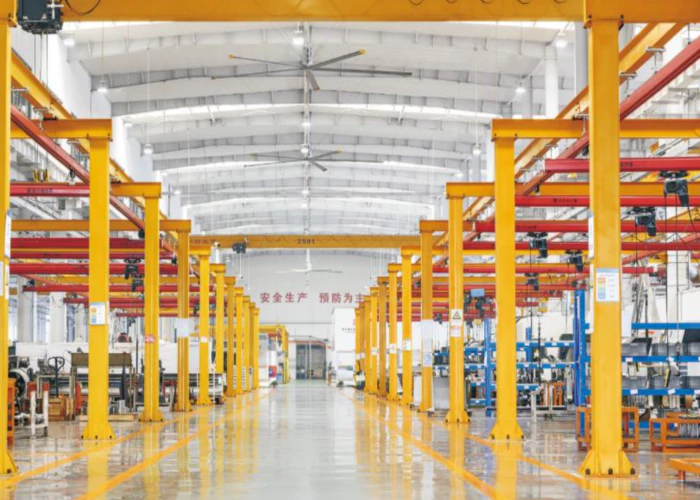
We’ve seen it time and again in the polders and infrastructure projects across the Netherlands—sand and grit bypass standard wipers, chew up the chrome, and suddenly you are leaking oil into the soil. That’s why we engineer our cylinders with 27SiMn or 42CrMo steel and oversize the guide rings. But you don’t have to take my word for it. We believe in showing, not just telling. You can walk through our production line right now and see the honing machines yourself.
🏭 Step Inside Our Heavy-Duty Factory
Transparency matters. See how we weld the trunnions and polish the rods for extreme durability.
The “Triple Threat” of Scraper Hydraulics
Let’s get technical for a minute. A scraper isn’t just one hydraulic system; it’s three, and each kills cylinders differently. Understanding the mechanics of these three components helps explain why off-the-shelf replacements often fail prematurely.
First, the Bowl Cylinders (usually two) act as the suspension when the machine is loaded. They face constant micro-oscillation and massive pressure spikes when the machine hits a bump. If the barrel swells (ballooning) under this pressure, the piston seal bypasses, and the bowl drops. We fix this by using heavy-wall seamless steel tubing that is skived and roller burnished, not just honed.
Then you have the Apron Cylinder. This is the gatekeeper. It often gets hit by falling debris or rocks flowing over the top of the bowl. We’ve seen rods look like bananas because they weren’t induction hardened deep enough. Our standard for apron cylinders involves a minimum 3mm induction hardened layer under the chrome to resist impact damage.
Finally, the Ejector Cylinder. This is usually a long-stroke telescopic or a long single-stage cylinder. The problem here is “sticking.” When pushing out wet clay or sticky Dutch soil, the vacuum effect is huge. If the return stroke is too fast, you get cavitation. We design custom cushioning into the cap end to prevent the piston from slamming home, which saves the welds from fatigue cracking over time.

Technical Architecture: Built for the Cut
We don’t just pull parts off a shelf. Scraper cylinders need a specific recipe to survive. Here is the breakdown of what makes our cylinders last longer in the field.
| Component | Our High-Spec Standard | Why It Matters for Scrapers |
|---|---|---|
| Piston Rod | 45# or 42CrMo, Induction Hardened & Chrome | Resists rock strikes on the apron; prevents bending on the ejector. |
| Barrel Tube | 27SiMn High Tensile Steel (H8 Tolerance) | Higher yield strength prevents “ballooning” under shock loads. |
| Wiper Seal | Double-Lip Metal Encased (Polyurethane) | The “Mud Scraper.” Aggressively removes wet sand to protect the main seal. |
| Guide Rings | Reinforced Phenolic / Bronze-Filled PTFE | Absorbs the massive side-loads when scraping on uneven ground. |
| Working Pressure | 210 Bar – 350 Bar | Designed to handle the pressure spikes of a full load. |
| Operating Temp | -30°C to +110°C | Versatile for both freezing Dutch winters and hot hydraulic systems. |
🇳🇱 Case Study: Holding the Line in the Polders
The Client: “Van Dijk Grondverzet B.V.” (Name changed for privacy), a large earthmoving contractor working on a dyke reinforcement project near the IJsselmeer.
The Challenge: They were running a fleet of tractor-pulled scrapers (approx. 15 cubic meters). The soil was a mix of abrasive sand and wet clay—a killer combination. Their existing apron cylinders were failing every 400 hours. The grit was getting past the wiper seals, scoring the rod, and causing massive internal leaks. The aprons wouldn’t stay closed, spilling expensive topsoil all over the haul roads.
The Solution: We engineered a custom “Severe Service” Kit for their cylinders. We switched the rod material to 42CrMo for better impact resistance and installed a specialized “Ice Scraper” style metal wiper seal. We also increased the overlap of the internal guide bands to handle the side load better.
The Result: The service intervals jumped from 400 hours to over 2,000 hours. The maintenance manager, Bram, told us, “It’s the first time in years we haven’t had to stockpile seal kits.” They saved roughly €35,000 in downtime and parts in one season.
Feedback from the Mud
★★★★★
“We retrofitted our Cat 627s with these cylinders. The fit was perfect, no modification needed on the trunnions. The ejection force feels stronger, too.”
— Koen J., Fleet Manager, Rotterdam
★★★★★
“The chrome plating on the rods is noticeably thicker than the aftermarket junk we used to buy. In the salty coastal sand we move, that matters.”
— Lars V., Mechanic, Zeeland
★★★★★
“Shipping heavy palletized cylinders to the Netherlands can be a headache, but Ever Power handled the logistics smoothly. Arrived right at our workshop door.”
— Sophie T., Procurement, Utrecht
Where These Cylinders Work Hardest
While we are focusing on scrapers, the technology we put into these cylinders applies to any machine that drags, pushes, or lifts heavy loads in dirty environments.
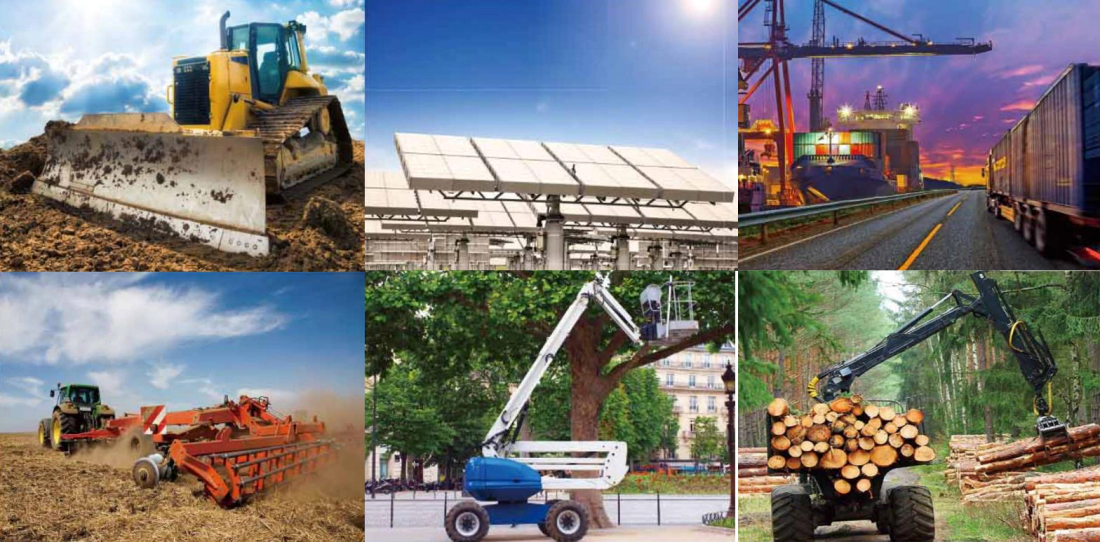
- Motor Scrapers (Self-Propelled): The classic Cat or Terex style machines. These run at high speeds, meaning the suspension (bowl) cylinders need high-flow ports to react quickly.
- Pull-Type Scrapers (Tractor Drawn): Very popular in European agriculture and land leveling. These cylinders often rely on the tractor’s hydraulic supply, so leak-free performance is critical to prevent contaminating the tractor oil.
- Articulated Dump Trucks (Ejectors): Many ADTs now use ejector bodies instead of tipping bodies for safety. The multi-stage telescopic cylinders we build for these are masterpieces of engineering.
We Don’t Just Sell, We Re-Engineer
Let’s face it, if you are running an older Reynolds or Ashland scraper, finding OEM parts is a nightmare. And even if you find them, they cost a fortune.
We specialize in custom manufacturing. You send us the failed cylinder (or just the drawings/specs), and we can build a drop-in replacement. But we often upgrade it. If the original design had a weak rod eye, we would weld on a heavy-duty forged clevis. If the ports were awkward to reach, we would move them. We use the latest CNC machining to ensure the pin fit is tight, reducing that annoying “slop” in the linkage.
Strategic Product Analysis (SWOT)
We believe in being honest about what our cylinders can (and can’t) do. Here is the breakdown.
💪 Strengths
- Durability: Heavy-wall tubing and induction-hardened rods resist impact.
- Sealing: Custom wiper configurations keep Dutch sand out.
- Customization: We can replicate obsolete dimensions perfectly.
🔻 Weaknesses
- Weight: Our cylinders are heavier than standard OEM units (due to thicker walls).
- Lead Time: Custom builds take longer than off-the-shelf generic parts.
🚀 Opportunities
- Infrastructure: Dykes and road widening in NL require massive earthmoving.
- Retrofit: Extending the life of older scraper fleets is more cost-effective than buying new.
⚠️ Threats
- Raw Material Costs: Fluctuations in high-grade alloy steel prices.
- Supply Chain: Shipping delays for heavy sea freight.
Chatting About Scraper Hydraulics: Common Questions
Why does my scraper apron cylinder keep bending?
Rod bending usually happens when the apron is forced closed on a large rock or obstruction, creating a massive side load. We solve this by using higher yield strength 42CrMo steel and, if the design allows, increasing the rod diameter slightly to stiffen the column.
Can you ship heavy cylinders to the Netherlands?
Yes, we ship to the Netherlands regularly. We handle the logistics to Rotterdam or directly to your facility. We use reinforced wooden crates to ensure the chrome rod arrives without a single scratch, ready to install.
What is the best seal for sandy soil conditions?
For sandy Dutch soil, standard rubber wipers fail quickly. You need a polyurethane double-lip wiper, or even a metal-cased scraper seal. This aggressively scrapes the rod clean before it retracts into the cylinder, keeping the hydraulic oil clean.
How much does a replacement ejector cylinder cost?
It varies by size and stroke length, but generally, buying direct from our factory saves you about 30% compared to the OEM dealer price. Plus, you get our upgraded sealing package included. Click the quote button for an exact price.
Do you repair cylinders or only make new ones?
We focus on manufacturing new, high-performance replacements. Often, by the time a scraper cylinder has failed, the barrel is scored and the rod is bent. Building a new one with better materials is usually safer and more cost-effective than patching up a tired unit.
Keep The Earth Moving
Don’t let a blown seal stop your cut. Upgrade to Heavy-Duty Scraper Cylinders today.
Manufacturer Direct • Global Shipping • ISO Certified