The Cycle Survivors: Heavy-Duty Hopper Wing Cylinders That Won’t Quit When the Asphalt is Hot
It’s 3:00 AM on a highway project near Utrecht. The floodlights are buzzing, the asphalt mix is coming in at 160°C, and the dump truck backs up to your paver. Bang. The truck hits the push rollers. You fold the hopper wings in to channel the mix, then fold them out for the next truck. You do this a hundred times a shift. Maybe two hundred. To the casual observer, the hopper cylinder is just a simple opener and closer. But to us—the people who actually study why machines fail—the Hopper Wing Cylinder is the frontline soldier taking the brunt of the heat, the dust, and the physical abuse of the material transfer.
In my nearly two decades of crawling under pavers and analyzing hydraulic failures, I’ve found that the hopper cylinder is often the most “value-engineered” (a polite way of saying “cheap”) part on the machine. OEMs often treat it as a secondary function. But when that cylinder starts to bypass internally because the seals cooked in the asphalt heat, or when the rod bends because a truck driver got too aggressive, your productivity nosedives. The wings drift down, material spills onto the tracks, and you are wasting expensive mix.
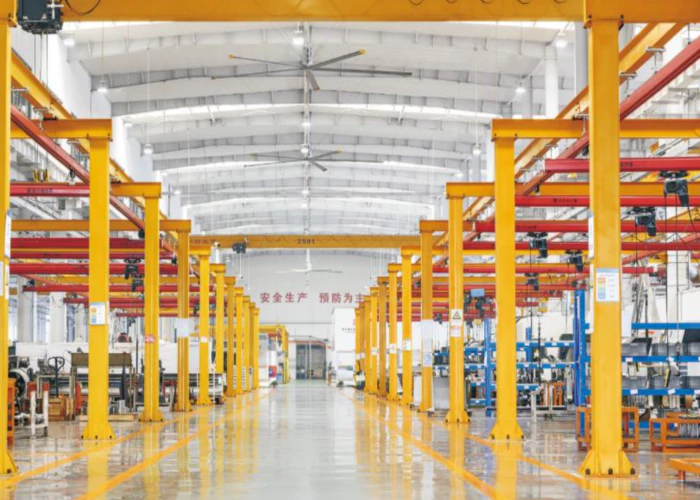
We take a different view. We build these cylinders with Q345D structural steel and thickened pistons because we know they aren’t just pushing air; they are managing tons of sticky, hot aggregate. Before we dive into why Q345D matters for the Dutch climate, I want to invite you to see where these heavy-duty units are actually made. We have nothing to hide.
👀 Step Inside Our VR Factory Here
Take a virtual walk through our chrome plating line and assembly stations. See the quality control firsthand.
Why “Standard” Cylinders Can’t Handle the Hopper
Let’s get technical for a moment (but I promise to keep it practical). The environment inside a paver hopper is brutal. You have radiant heat from the asphalt mix, which can easily raise the cylinder temperature to over 100°C. Standard NBR (Nitrile) seals start to harden and lose elasticity at these temperatures. Once they harden, they don’t seal. That is when you see the “Ghost Drift”—the hopper wings slowly sagging open or closed on their own.
Then there is the issue of High-Frequency Cycling. Unlike a leveling cylinder that makes micro-adjustments, the hopper cylinder is full-stroke, open-close, constantly. This creates heat friction. If the piston inside is the standard thin profile, the rapid movement combined with the weight of the asphalt on the wings can cause the piston to “cock” or tilt slightly inside the barrel. This scores the barrel wall. Game over.
That is why we use a Thickened Piston Design. By increasing the bearing surface area of the piston, we ensure it stays perfectly linear, even when the hopper wing is unevenly loaded with 5 tons of mix. And we pair this with Q345D steel for the barrel. Why Q345D? Because in the Netherlands, machines sit in freezing yards in winter. Q345D has excellent low-temperature impact toughness compared to standard carbon steel. It won’t crack when you fire up the hydraulics on a freezing Monday morning in Groningen.

Technical Architecture: Built for the Grind
We don’t just guess at these specifications. We’ve learned from the failures of generic parts. Here is what goes into a cylinder that actually lasts a full paving season.
| Feature | Our Hopper Series Spec | Field Advantage |
|---|---|---|
| Cylinder Type | Double-Acting Piston | Positive control for both opening and closing against heavy material loads. |
| Barrel Material | Q345D High-Strength Steel | Superior cold-weather toughness (Charpy V-notch tested at -20°C). |
| Piston Design | Elongated/Thickened Guide | Prevents internal tilting and scoring during rapid cycling. |
| Seals | High-Temp Polyurethane/Viton mix | Resists “baking” from asphalt heat; prevents internal bypass. |
| Rod Coating | Hard Chrome (>30 microns) | Resists corrosion from wet Dutch weather and abrasion from aggregate dust. |
| Wiper | Double-Lip Heavy Duty | Aggressively scrapes asphalt binder off the rod before it enters the gland. |
🇳🇱 Client Success Story: The Highway Specialist
The Client: “Asfalt Totaal B.V.” (Name changed for privacy), a major road construction contractor based near Rotterdam, handling large-scale highway maintenance.
The Challenge: Their fleet of Vögele pavers was experiencing a persistent issue with the hopper wings drooping. During truck exchanges, the wings wouldn’t stay fully open, causing fresh asphalt to spill onto the tracks, creating bumps in the mat and requiring manual cleanup. The OEM cylinders were failing every 6 months due to seal burnout from the high-heat mix (ZOAB porous asphalt laid at high temps).
The Solution: We supplied a custom batch of Q345D High-Temp Hopper Cylinders. We retrofitted the pistons with a 20% wider wear band to handle the side loads and used a Parker-equivalent high-temp seal kit designed for continuous 120°C operation.
The Result: The “droop” was eliminated instantly. The maintenance manager reported that after a full paving season (March to November), not a single cylinder showed signs of leakage. They estimated a saving of €15,000 in downtime and wasted material costs.
What The Operators Are Saying
“Finally, a cylinder that doesn’t leak after one summer. The dust seal on these is much tighter than the original ones we had.”
– Bas V., Workshop Chief, Eindhoven
“We work with polymer-modified bitumen which is extremely hot. These cylinders handle the heat without the seals turning into plastic.”
– Jeroen K., Paver Operator, Amsterdam
“Delivery to the Netherlands was fast. I sent them a drawing of my old Dynapac cylinder, and they matched it perfectly.”
– Pieter S., Fleet Manager, Zwolle
More Than Just Pavers
While we specifically optimized these for asphalt paver hoppers, the “High-Cycle + Dust + Heat” durability makes them perfect for other demanding roles in road construction machinery.

- Material Transfer Vehicles (MTVs): The “Shuttle Buggy” uses similar cylinders for its hopper walls. The continuous material flow here generates immense static electricity and heat, which our cylinders are grounded to handle.
- Cold Planers (Milling Machines): The conveyor folding cylinders on milling machines face extreme vibration. Our welded Q345D construction prevents fatigue cracks at the mounting points.
- Chip Spreaders: The gates on chip spreaders cycle rapidly. Our thickened piston design ensures smooth operation without binding, ensuring an even spread pattern.
We Fit Your Fleet (Even the Old Machines)
We know that in this business, you don’t just throw away a good paver because it’s 10 years old. But finding parts for older ABG, Blaw-Knox, or Bitelli machines can be a headache.
We specialize in custom reproduction. You don’t need to hunt for a part number that doesn’t exist anymore. Send us the dimensions—pin diameter, retracted length, stroke—and we will build a modern replacement. We can often improve on the original design by adding grease ports to the rod eye or upgrading the chrome thickness. We are set up for flexibility, so whether you need one cylinder for a breakdown or twenty for a fleet overhaul, we can handle it.
Strategic Product Analysis (SWOT)
We believe in being honest about what we sell. Here is the breakdown for our Hopper Cylinder line.
Strengths
- Heat Resistance: Seals engineered for asphalt proximity.
- Durability: Thickened piston prevents scoring during frequent cycling.
- Cold Toughness: Q345D steel withstands Dutch winters better than ST52.
Weaknesses
- Weight: Heavier construction than standard OEM cylinders.
- Initial Cost: Higher than generic “farm-grade” replacements.
Opportunities
- Infrastructure Boom: Ongoing highway expansions in the Netherlands.
- Retrofit Market: Extending the life of older Vögele and Dynapac fleets.
Threats
- Supply Chain: Fluctuations in specialized seal availability.
- Design Shifts: New pavers moving toward different hopper geometries.
Answering Your Burning Questions
Why do my paver hopper wings drift down?
Hopper drift is usually caused by internal seal failure (bypass). The radiant heat from the asphalt cooks standard rubber seals, causing them to shrink and harden. Oil slips past the piston, and gravity pulls the wing down. Upgrading to our high-temp seal kits is the permanent fix.
Can you ship replacement cylinders to the Netherlands fast?
Yes, we ship to the Netherlands weekly. We handle logistics to major hubs like Rotterdam and Amsterdam (Schiphol). We know that in the paving season, every day of downtime costs a fortune.
Is Q345D steel better than standard steel for pavers?
Yes. Q345D is a low-alloy structural steel that offers better impact resistance at low temperatures. This is crucial for machines that are stored outside in the Dutch winter and then subjected to immediate shock loads when the season starts.
Do you make cylinders for old Vögele pavers?
Absolutely. We can custom manufacture cylinders for older models (like the Super 1800-1) where OEM parts might be obsolete or incredibly expensive. We just need the basic dimensions.
What is the price of a hopper cylinder?
It depends on the size and mounting style, but buying direct from our factory typically saves you 30% compared to OEM dealer prices. Click the quote button for an exact figure.
Keep Your Wings Up & Costs Down
Don’t let leaking cylinders stop your crew. Get the heavy-duty upgrade today.
Factory Direct • Fast NL Shipping • ISO 9001