Header Lift Hydraulic Cylinder for Rice Combine Harvester Cutting Platform Elevation
A purpose-built header lift hydraulic cylinder engineered for rice combine harvesters, developed for smooth platform raising, wet-field durability, and dependable performance in water, mud slurry, and high-cycling seasonal work.
This release presents a welded double acting piston cylinder designed for rice combine header lift systems, using 42CrMo, chrome-plated surfaces, and an upgraded anti-mud sealing concept with scraper ring and nickel support for applications where rod pitting is a known service risk.
A header lift hydraulic cylinder shaped by real rice harvesting conditions in China
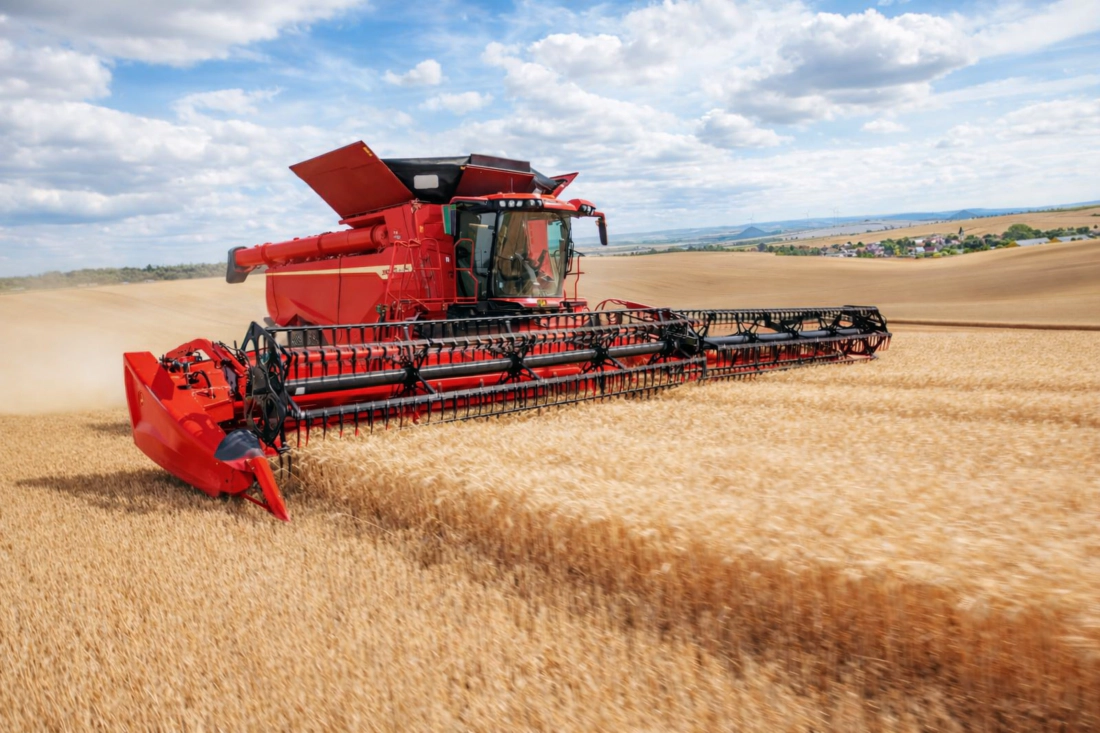
In rice harvesting, the cutting platform works close to standing water, mud, plant sap, abrasive residue, and repeated elevation changes across uneven ground. A header lift hydraulic cylinder in this operating zone does much more than lift a mechanism. It helps the combine maintain cutting efficiency, ground following stability, and operator confidence. It is exposed to moisture, contamination, impact, and long workdays during narrow harvest windows. That is why this header lift hydraulic cylinder has been developed around the realities of rice combine service rather than around a generic catalog format. The design centers on stable lifting force, structural integrity, and better resistance to rod surface damage in muddy conditions where conventional solutions often age too quickly.
Built for rice combine harvester cutting platform elevation, this header lift hydraulic cylinder uses a double acting piston cylinder layout with welded construction, a 42CrMo material system, and chrome-plated surfaces backed by nickel enhancement and scraper-ring protection. In practical terms, that means the cylinder is prepared for a work environment where water and mud slurry cling to exposed surfaces and can accelerate rod pitting if sealing and surface strategy are not chosen carefully. Buyers looking for a dependable supplier in China often need more than a dimensional match. They need a header lift hydraulic cylinder that reflects equipment use patterns in Hunan, Jiangxi, Hubei, Anhui, Guangxi, and other rice-growing regions where wet-field reliability can decide whether a machine keeps moving or loses valuable operating time.
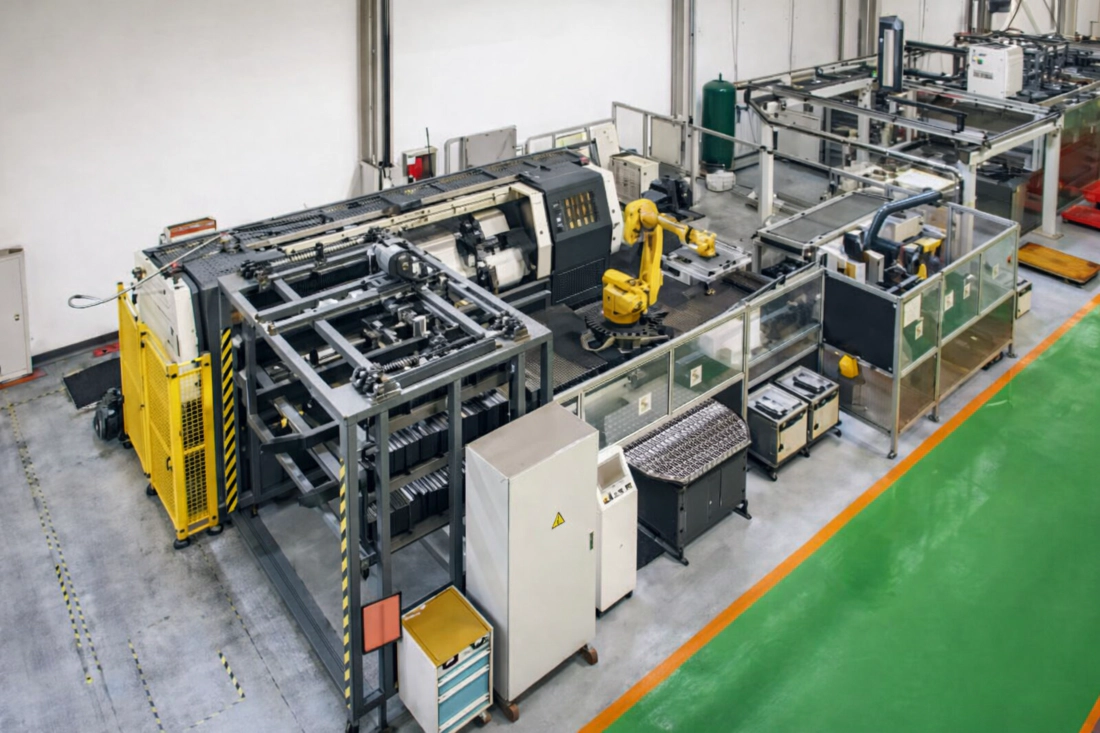
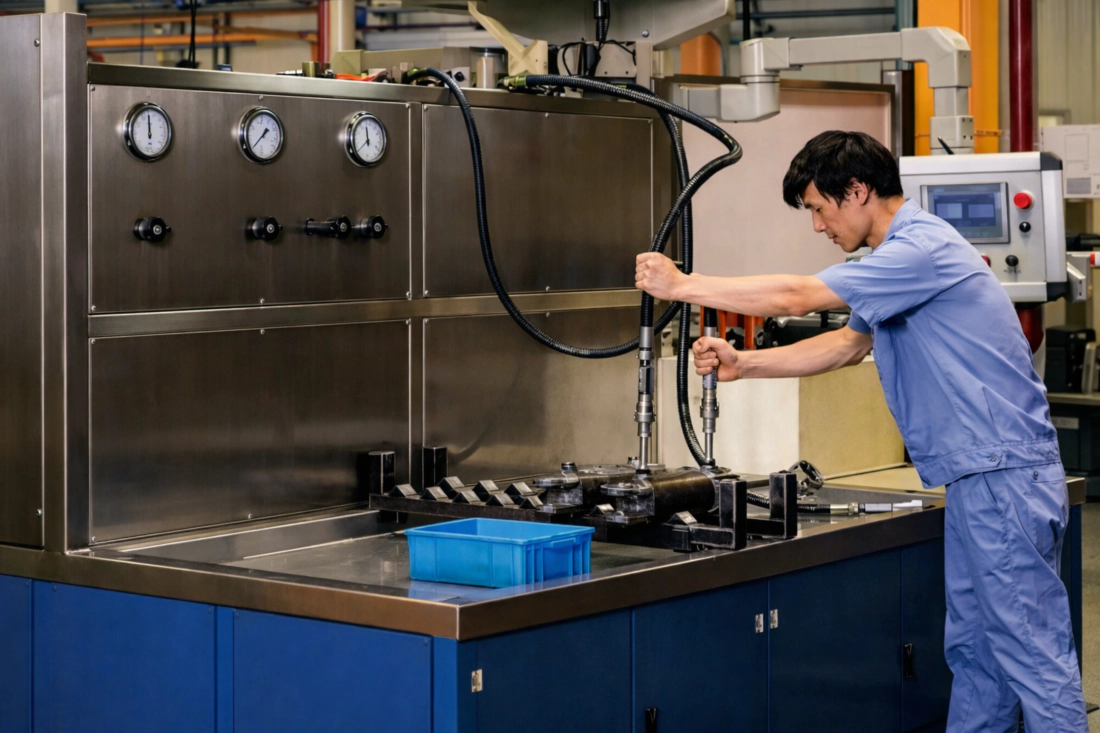
We welcome customers to visit our VR factory and explore how each header lift hydraulic cylinder is machined, welded, assembled, pressure tested, and prepared for shipment. It is a convenient way to review our manufacturing discipline, customization capability, and production environment before your sourcing team moves into sample approval or mass order planning.
High-strength steel selected for demanding agricultural lifting duty and long-term structural stability.
A proven surface choice for agricultural cylinders where smooth rod motion and corrosion resistance matter.
Frequently linked to wet contamination, persistent slurry adhesion, and compromised surface protection.
An anti-mud support strategy that helps the header lift hydraulic cylinder stay cleaner in wet field use.
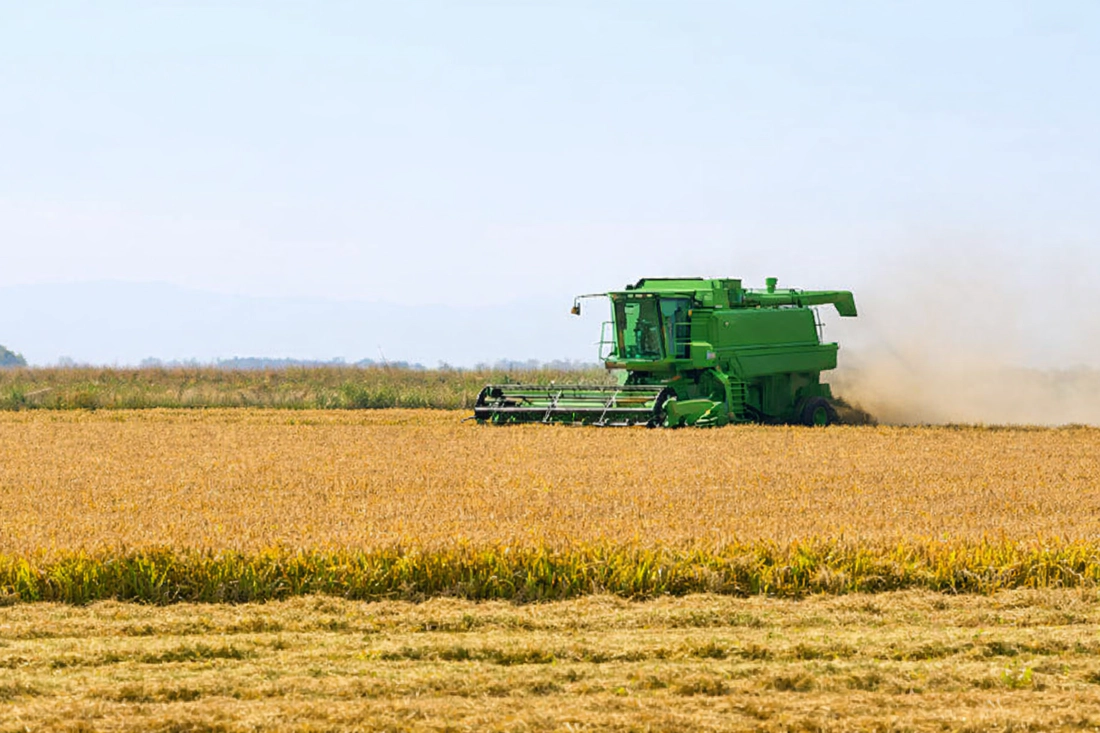
Why this header lift hydraulic cylinder creates measurable product value
The advantage of a header lift hydraulic cylinder is not limited to lifting force. In rice combines, the quality of platform elevation affects cutting stability, obstacle response, transport positioning, and operator workflow across saturated ground conditions. A poorly specified header lift hydraulic cylinder may still move the header, yet it often introduces jerky motion, seal wear, unstable support under load, or premature rod deterioration. This product is configured to reduce those risks through a more application-focused material and sealing approach. The 42CrMo structure gives the header lift hydraulic cylinder higher strength reserve than ordinary material choices, while the welded body supports compact packaging and dependable stiffness under repeated lift cycles. Chrome plating provides a familiar base for rod protection, and the addition of nickel support plus a scraper ring addresses the mud retention pattern common in rice fields.
For equipment producers and buyers, the result is a header lift hydraulic cylinder that feels more aligned with real field duty. The cylinder raises the cutting platform with predictable force, handles contamination more intelligently, and improves service life expectations where standing water and muddy residue cannot be avoided. These details matter at the machine level because the header lift hydraulic cylinder influences how confidently operators adjust cutting height during harvest, how quickly service teams can restore performance, and how consistently the combine behaves from one season to the next. This is why many sourcing teams in China and international grain equipment channels increasingly prefer cylinders that are engineered for a narrow use case instead of being adapted from broad industrial inventory.
Working principle, structure logic, and technical behavior of the header lift hydraulic cylinder
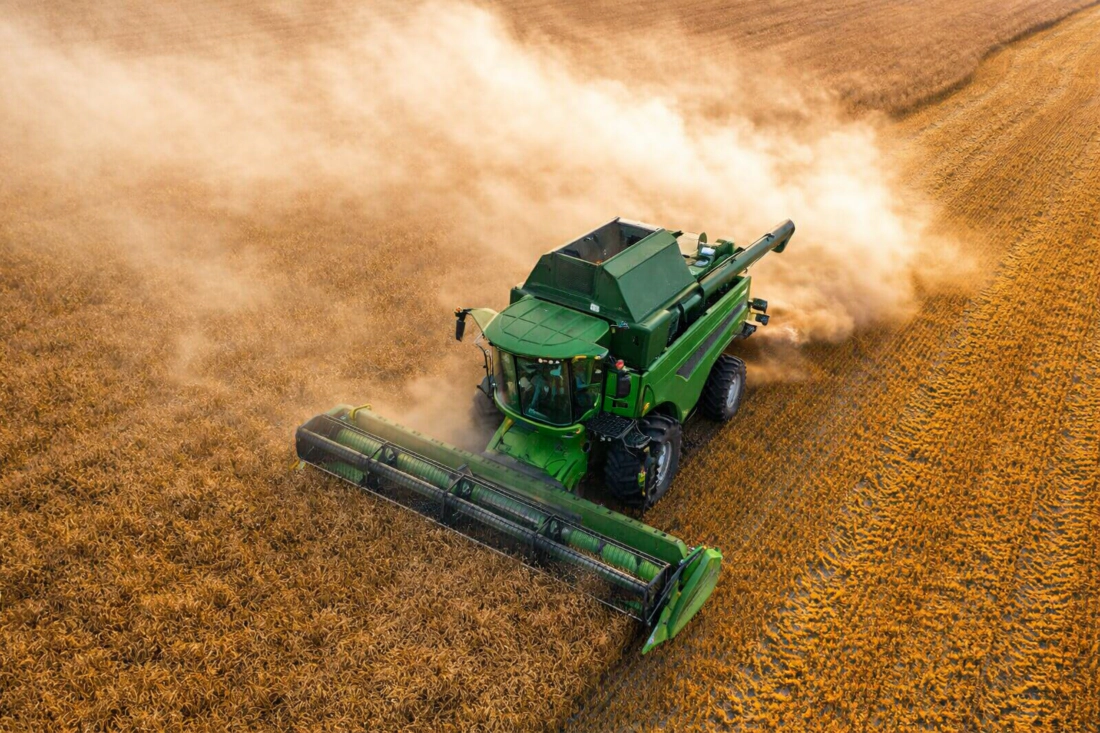
The operating principle of this header lift hydraulic cylinder is based on double acting hydraulic control. Pressure is introduced alternately to the piston side and rod side of the cylinder, allowing positive movement in both extension and retraction. In a rice combine harvester, that means the cutting platform can be lifted and lowered with stable hydraulic authority rather than relying on gravity or one-direction actuation. The header lift hydraulic cylinder works through linkage geometry determined by the machine design. As hydraulic oil enters the cylinder chamber, the piston moves and converts pressure into linear force, which is then transmitted through the mounting structure to elevate the header. During lowering, pressure is reversed so the header lift hydraulic cylinder can control descent and maintain better motion behavior over uneven terrain and variable crop density.
This application places strong emphasis on rod condition, sealing quality, and side-load management. In waterlogged paddy conditions, contamination reaches the rod surface repeatedly, often carrying fine abrasive particles that remain on the cylinder body and around the wiper area. If the header lift hydraulic cylinder is not equipped to shed mud effectively, pitting risk rises and long-term smoothness declines. That is why the recommended configuration includes a scraper ring and nickel reinforcement in combination with chrome plating. The goal is not cosmetic complexity. The goal is to give the header lift hydraulic cylinder a more resilient defense against slurry adhesion and rod point corrosion while preserving smooth operation in a compact agricultural package.
| Technical Item | Configuration | Application Meaning |
|---|---|---|
| Product Name | Header lift hydraulic cylinder | Dedicated to rice combine harvester cutting platform elevation |
| Action Mode | Double acting | Positive lifting and lowering control |
| Structure Type | Piston cylinder | Efficient force output and installation flexibility |
| Manufacturing Structure | Welded type | Compact body with practical agricultural durability |
| Material System | 42CrMo | Better strength reserve for repeated lifting loads |
| Surface Treatment | Chrome plated rod | Smooth motion and corrosion resistance foundation |
| Environment Grade | Water + mud slurry | Wet contamination pattern common in paddy harvesting |
| Working Feature | Lifting cutting platform | Supports cutting height adjustment and transport position |
| Typical Failure Mode | Rod pitting | Risk rises with moisture retention and abrasive slurry |
| Recommended Configuration | Scraper ring + nickel support | Helps the header lift hydraulic cylinder resist wet-field contamination better |
Material, surface protection, and failure prevention strategy for wet-field service life
A header lift hydraulic cylinder in rice machinery cannot be judged only by nominal pressure capacity. Its long-term value depends heavily on how well the rod surface, seal interface, and base material respond to water exposure and mud adhesion. That is the reason 42CrMo is selected here instead of a more ordinary steel route. The material gives the header lift hydraulic cylinder a stronger foundation under repeated lifting loads, transport movement, and seasonal shock conditions. Combined with welded construction, the cylinder body remains compact and structurally efficient, which is especially valuable where combine layout space is tight and adjacent components limit mounting freedom.
The most common service issue for this type of header lift hydraulic cylinder in paddy environments is rod pitting. Once the rod surface begins to degrade at isolated points, seal wear can accelerate and leakage may follow. Chrome plating remains a sound starting point for rod protection, yet the field environment often demands more. The recommended solution is to add a scraper ring for better mud shedding and strengthen the protection concept with nickel support. This combination gives the header lift hydraulic cylinder a more defensive posture against slurry retention, water exposure, and corrosive residues that cling to the rod after repeated lifting cycles. For machine builders and distributors, this is a practical engineering choice because it targets the failure mode that matters most instead of adding unnecessary complexity in less critical areas.
Application scenes where the header lift hydraulic cylinder proves its worth
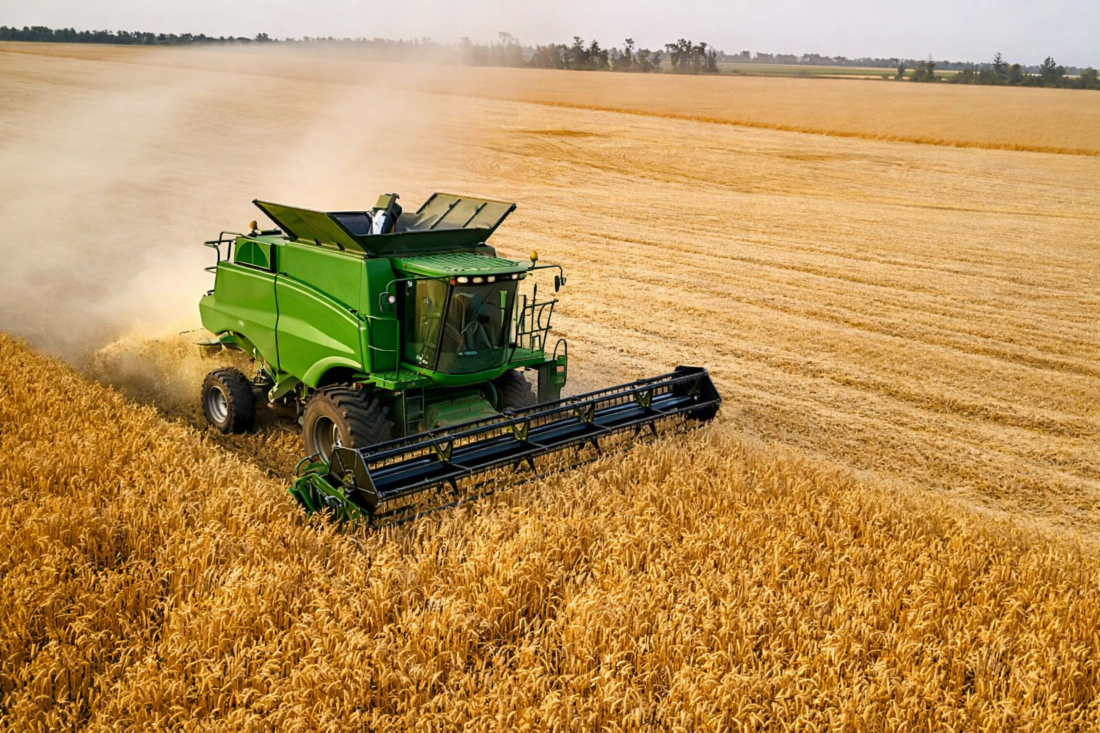
The core application of this header lift hydraulic cylinder is rice combine harvester cutting platform elevation, yet the design logic can extend to other agricultural lifting points that face water, mud, and repeated adjustment cycles. In rice harvesting, the header lift hydraulic cylinder supports cutting height changes during field entry, lodged crop handling, uneven paddy surfaces, and transport repositioning. It also influences how steadily the machine reacts when the operator needs to raise the platform to pass obstacles or transition between field sections. A stable header lift hydraulic cylinder contributes to cleaner work rhythm and more consistent machine behavior when daily harvest schedules leave little room for mechanical hesitation.
Within China, the demand for a well-adapted header lift hydraulic cylinder is closely tied to rice-producing provinces where wet-field harvesting remains intense and seasonal. Customers in Hunan, Jiangxi, Hubei, Guangxi, Sichuan, Guangdong, Fujian, and parts of Heilongjiang often face very different machine conditions, yet they share the same basic concern: the cylinder must remain dependable in moisture-rich contamination. That regional relevance matters for search visibility and buyer confidence because many purchasing teams specifically look for a header lift hydraulic cylinder supplier in China that understands rice harvesting conditions instead of offering only broad industrial inventory. For export supply, the same product concept also fits Southeast Asian rice equipment channels where waterlogged operation creates similar demand patterns.
Factory strength in China and tailored development for equipment manufacturers
A strong header lift hydraulic cylinder supplier does more than manufacture standard parts. The supplier must understand linkage geometry, pressure range, mounting space, contamination pattern, and service expectations of the final machine. Our factory in China supports this work with practical customization capability across bore and stroke changes, rod diameter optimization, clevis and eye-end variation, port configuration adjustment, surface strategy refinement, and sample validation for different combine platforms. When a customer tells us that a current header lift hydraulic cylinder lifts too slowly, suffers rod damage, or does not fit the machine envelope, we approach the issue as a system question rather than a simple drawing copy. That process helps prevent repeated problems during mass production and field use.
This kind of factory support is especially useful when customers need a header lift hydraulic cylinder for new platform development, replacement market consolidation, or export adaptation. Teams may need small-batch trial production before a larger order, or they may require revisions based on specific operating conditions in wet paddy zones. Our manufacturing and engineering workflow is structured to support those conversations clearly. You can learn more through our company profile at Ever Power or view the broader product direction at our hydraulic cylinder website. Buyers who need fast feedback on application details can move directly into quote discussion with our technical sales team.
Customer success case: Thailand rice machinery channel upgrade project
A machinery distribution partner in Thailand approached us after repeated service complaints on imported rice combines operating in muddy paddies with prolonged water exposure. Their existing header lift hydraulic cylinder performed acceptably in dry transport conditions but developed rod surface defects and leakage complaints after extended field use. The local service team had traced the problem to contamination retention near the rod entry area, where mud slurry collected and dried repeatedly. After reviewing the original dimensions, operating pressure, mounting geometry, and field photos, we proposed a revised header lift hydraulic cylinder using 42CrMo, welded construction, chrome-plated rod treatment, and the recommended scraper-ring plus nickel support concept focused on reducing rod pitting risk.
The trial batch was installed across a group of rice combine harvesters before peak season. Over the following harvest cycle, the distributor reported smoother platform lift behavior, fewer complaints regarding rod surface deterioration, and improved service confidence among regional dealers. The project then moved into a recurring procurement arrangement covering both replacement demand and select new machine programs. For the customer, the improvement was not abstract. A better header lift hydraulic cylinder helped lower maintenance interruptions and strengthened their reputation in a market where field reliability influences repeat orders very quickly. This case reflects what many buyers are looking for when sourcing from China: not just production capacity, but the ability to translate real operating pain points into a cylinder that performs better where it matters.
“The updated header lift hydraulic cylinder gave our rice combines more stable lifting in wet fields, and the rod condition stayed visibly better through the season.”
“Communication during drawing review was precise, and the header lift hydraulic cylinder matched our machine layout without unnecessary redesign.”
“Our service network wanted fewer mud-related failures, and this header lift hydraulic cylinder delivered a clear improvement during rice harvest operations.”
Recommended specification points before ordering a header lift hydraulic cylinder
A header lift hydraulic cylinder should always be specified with actual machine context. Useful data includes combine model, platform weight, desired lift angle, center-to-center dimensions, working stroke, system pressure range, mounting style, rod diameter, port direction, and the contamination pattern around the installation point. In rice combines, the environment description matters more than some buyers expect. When the work zone involves water and mud slurry, the header lift hydraulic cylinder must be reviewed with extra attention to rod surface strategy and scraper performance. Stating the target market also helps. A machine used in southern China rice paddies may need different details from one working in drier mixed-crop regions, even if the base lifting function looks similar on paper.
The most important recommendation for this application remains highly practical: configure the header lift hydraulic cylinder with a scraper ring and nickel support in addition to chrome plating. That recommendation directly responds to the typical failure mode of rod pitting. Buyers should also confirm whether the welded body dimensions leave enough margin for installation movement, hose routing, and maintenance access. When these details are handled at the quotation stage, the final header lift hydraulic cylinder is more likely to perform well from the first production batch onward. That creates value not just for the OEM but also for distributors, service centers, and end users who expect cleaner operation throughout a short and demanding rice harvest season.
FAQ
How can I get a Hunan rice harvester header lift hydraulic cylinder quote from a China supplier?
Share the combine model, current cylinder dimensions, mounting type, required stroke, operating pressure, and photos of the cutting platform linkage. A quote for a header lift hydraulic cylinder becomes far more accurate when the supplier can review both dimensions and wet-field operating conditions.
What is the Jiangxi rice machinery price range for a custom header lift hydraulic cylinder order?
Price depends on bore, stroke, rod diameter, material level, surface treatment, seal configuration, and order quantity. In Jiangxi rice machinery applications, a header lift hydraulic cylinder with better anti-mud protection may cost more initially but often lowers service cost over time.
Which Hubei agricultural supplier is suitable for wet-field header lift hydraulic cylinder customization?
A suitable supplier should understand rice combine operating conditions, offer drawing review, discuss rod pitting prevention, and confirm welded structure details before production. For wet-field use, the header lift hydraulic cylinder should never be selected by dimensions alone.
Where can Guangxi rice equipment buyers find a reliable header lift hydraulic cylinder supplier in China?
Look for a China manufacturer with agricultural project experience, clear customization support, and field-oriented recommendations for slurry contamination. A reliable header lift hydraulic cylinder supplier should explain sealing strategy, surface options, testing, and delivery consistency in a practical way.
When should an Anhui rice combine owner replace a pitted header lift hydraulic cylinder instead of repair?
If pitting has spread across critical rod travel zones, or if leakage returns after seal service, replacement is usually the safer choice. A header lift hydraulic cylinder with repeated surface damage will often continue to shorten seal life even after temporary repair.
Why does my Fujian rice harvester header lift hydraulic cylinder leak after heavy mud season, and can I request a quote?
Heavy mud season can leave abrasive slurry near the rod and scraper zone, which may damage sealing surfaces or accelerate rod pitting. Yes, you can request a quote by sharing photos, dimensions, usage hours, and the service history of the current header lift hydraulic cylinder.
What should a Guangdong importer ask before buying a rice machinery header lift hydraulic cylinder from China?
Ask about base material, surface treatment, anti-mud sealing, pressure testing, mount tolerance, production repeatability, and packing protection. A good header lift hydraulic cylinder supplier should answer these questions clearly before you confirm an order.
How do Sichuan agricultural buyers compare cost and supplier quality for custom header lift hydraulic cylinder projects?
Compare not only invoice cost but also material grade, rod protection method, field suitability, communication quality, and delivery consistency. A low-price header lift hydraulic cylinder may become more expensive if it fails early in wet harvesting conditions.