The Paradigmatic Shift in Facility Agriculture Machinery
Modern facility agriculture machinery has undergone a massive technological evolution, pivoting rapidly toward highly automated, precision-driven operations that demand absolute reliability from every mechanical component. Within the highly specialized domain of factory seedling lifting systems, the requirement for flawless execution is paramount, as delicate plant materials are continuously handled, sorted, and transported across massive greenhouse expanses. At the very core of this automation lies the robotic arm clamping mechanism, a sophisticated unit that relies entirely on fluid power to execute swift, controlled, and repeatable movements. The actuation force required to securely grip a clamping tray without causing structural damage to the delicate agricultural payloads necessitates the deployment of highly calibrated small double-acting hydraulic cylinders. These hydraulic actuators are engineered specifically to operate within the unique environmental parameters of modern agricultural facilities, where high humidity, continuous cycling, and the absolute necessity for spatial economy dictate the engineering standards. Engineering these components requires a deep understanding of fluid dynamics, material science, and kinematics to ensure they deliver exact force profiles during every single cycle. Our specialized engineering teams operating out of China have dedicated years to refining the exact geometric and metallurgical properties of these cylinders to perfectly match the rigorous operational profiles of advanced greenhouse robotics.
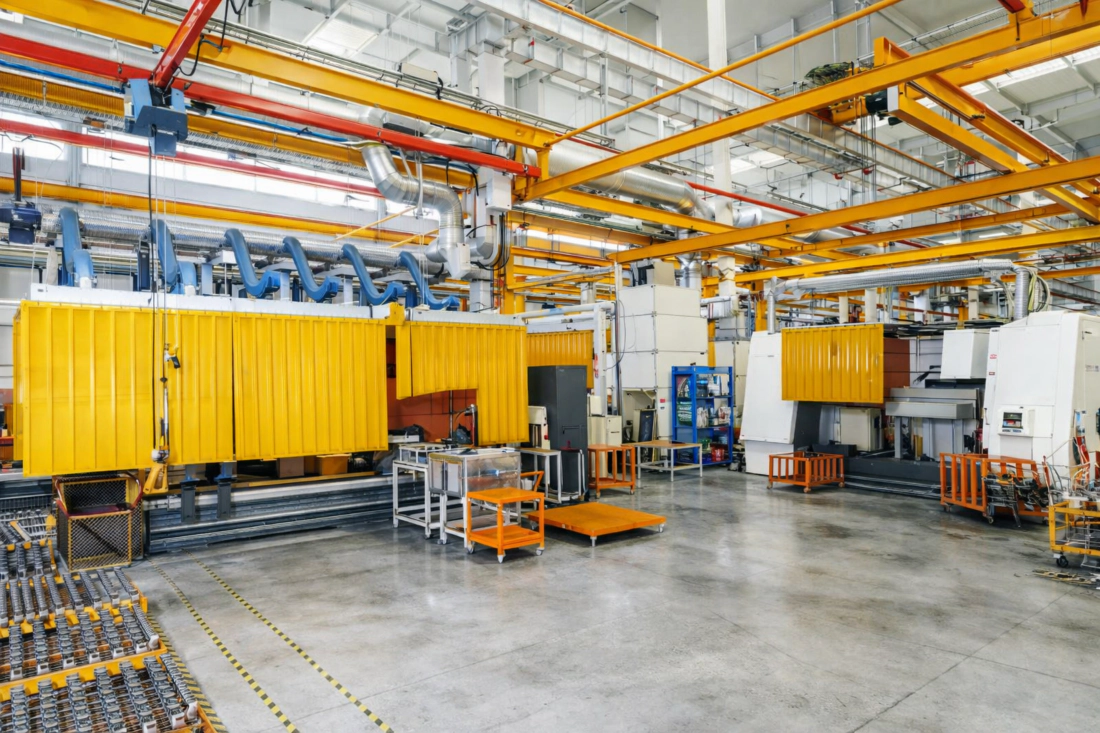
Transitioning from the theoretical demands of agricultural robotics to tangible manufacturing excellence requires profound transparency and continuous collaboration with our global industrial partners. Understanding the intricate processes that transform raw carbon steel into a precision-engineered small double-acting hydraulic cylinder is crucial for establishing long-term trust and technical alignment. We enthusiastically invite our prospective clients and engineering counterparts to embark on an immersive digital journey through our state-of-the-art production facilities. By utilizing our comprehensive virtual reality platform, you can witness firsthand the rigorous quality control protocols, advanced CNC machining centers, and automated assembly lines that guarantee the superior performance of our customized fluid power solutions. Experiencing this digital twin of our manufacturing environment provides invaluable insights into our commitment to dimensional accuracy and structural integrity. Please take a moment to explore our production capabilities through this interactive portal: Welcome to visit our VR factory here. We are fully equipped to translate your most demanding technical specifications into robust physical realities.
Kinematic Principles of Small Double-Acting Actuation
The fundamental operational requirement for a robotic arm clamping cylinder in a factory seedling lifting system is the capacity to exert controlled, bidirectional force. A double-acting configuration is absolutely indispensable in this specific light-duty application. Unlike single-acting variants that rely on mechanical springs or gravity for retraction, a double-acting hydraulic cylinder utilizes pressurized hydraulic fluid to power both the extension and retraction strokes of the piston rod. This bidirectional fluid power ensures that the mechanical jaws of the clamping mechanism can positively engage the clamping tray with precisely calibrated gripping force, while also guaranteeing an immediate, forceful release when the tray is securely deposited at its destination. The responsiveness of the double-acting design minimizes latency within the automated sequence, significantly increasing the overall throughput of the seedling lifting machinery. When dealing with high-volume agricultural operations, saving fractions of a second on each clamping cycle translates into massive cumulative gains in daily operational efficiency. Furthermore, maintaining a consistently small cylinder footprint is critical, as the end-of-arm tooling on agricultural robots must remain as lightweight and compact as possible to reduce inertial mass and allow for rapid acceleration and deceleration during the transfer phases.
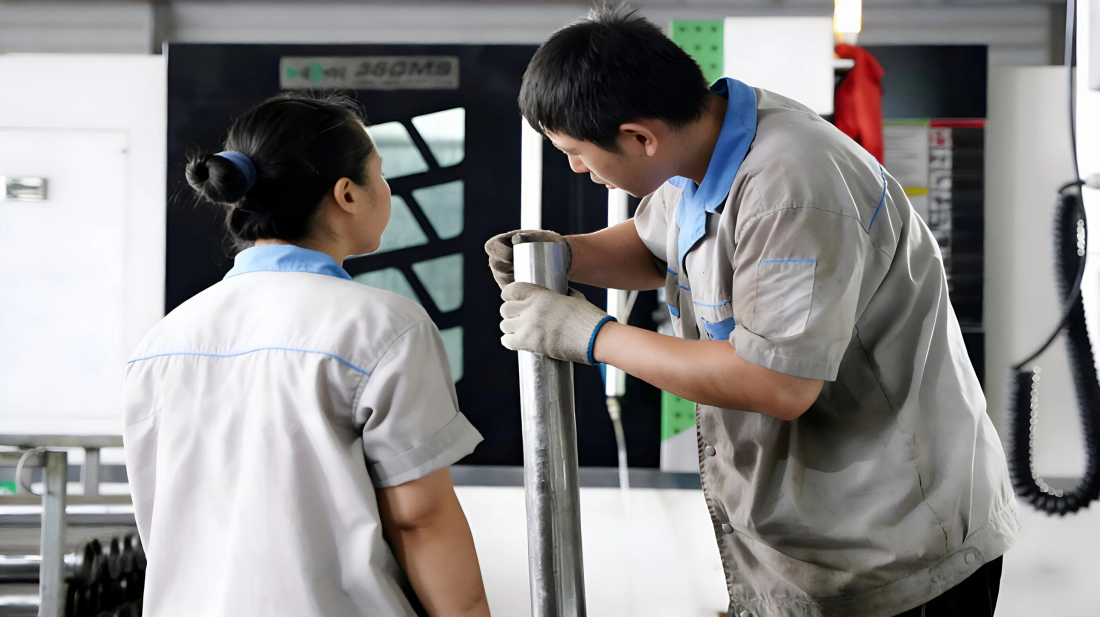
Integrating perfectly into these tight spatial constraints requires a manufacturing approach that eliminates unnecessary bulk while maximizing structural rigidity. A welded structure is specifically chosen over traditional tie-rod designs for these small double-acting hydraulic cylinders. By utilizing advanced welding techniques to fuse the end caps directly to the cylinder barrel, the overall external dimensions are drastically reduced without compromising the internal pressure rating. The absence of external tie rods allows the cylinder to be seamlessly embedded within the sleek robotic arm housings, preventing any interference with adjacent mechanical components or the delicate seedling trays themselves. The welded structure also inherently provides superior resistance to shock loads and continuous vibrations generated by the rapid movements of the facility agriculture machinery. This monolithic construction minimizes the potential for structural fatigue over millions of operational cycles. Every weld is meticulously inspected using non-destructive testing methods in our facility to guarantee absolute penetration and the total absence of microscopic inclusions that could otherwise compromise the pressure vessel under continuous operation.
Material Matrices: Carbon Steel and Chrome Plated Durability
Selecting the appropriate material matrix is a critical engineering decision that directly dictates the longevity and reliability of the hydraulic component. For the cylinder barrel and foundational structural elements, high-grade carbon steel is universally specified due to its exceptional yield strength and superior machinability. Carbon steel provides the necessary dimensional stability to maintain perfectly concentric internal bores, which is absolutely vital for ensuring an even distribution of hydraulic pressure and preventing localized wear on the internal sealing components. The immense tensile strength of carbon steel easily accommodates the internal pressures generated during the clamping action, ensuring that the cylinder barrel does not deform or balloon over extended periods of heavy utilization. Furthermore, the excellent weldability of carbon steel makes it the ideal substrate for creating the robust welded structure discussed previously, allowing for deep, secure fusion between the disparate geometric elements of the cylinder body. The precise alloy composition of the carbon steel utilized in our manufacturing processes is rigorously controlled to optimize both strength and long-term fatigue resistance in demanding industrial environments.
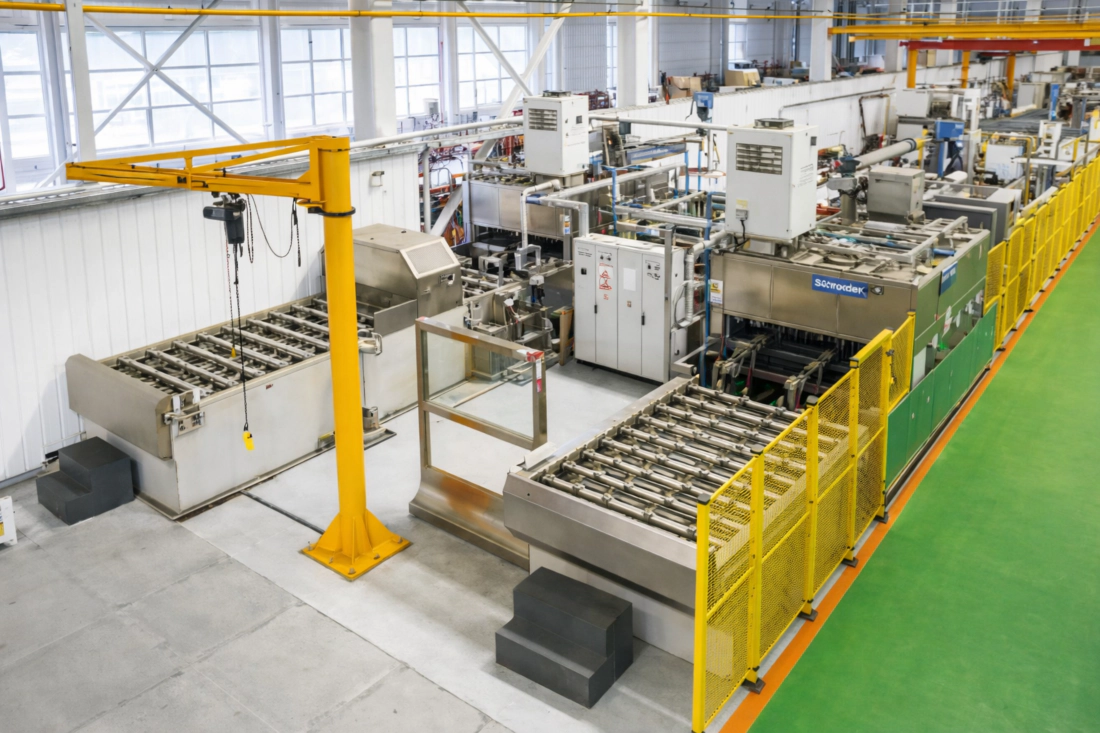
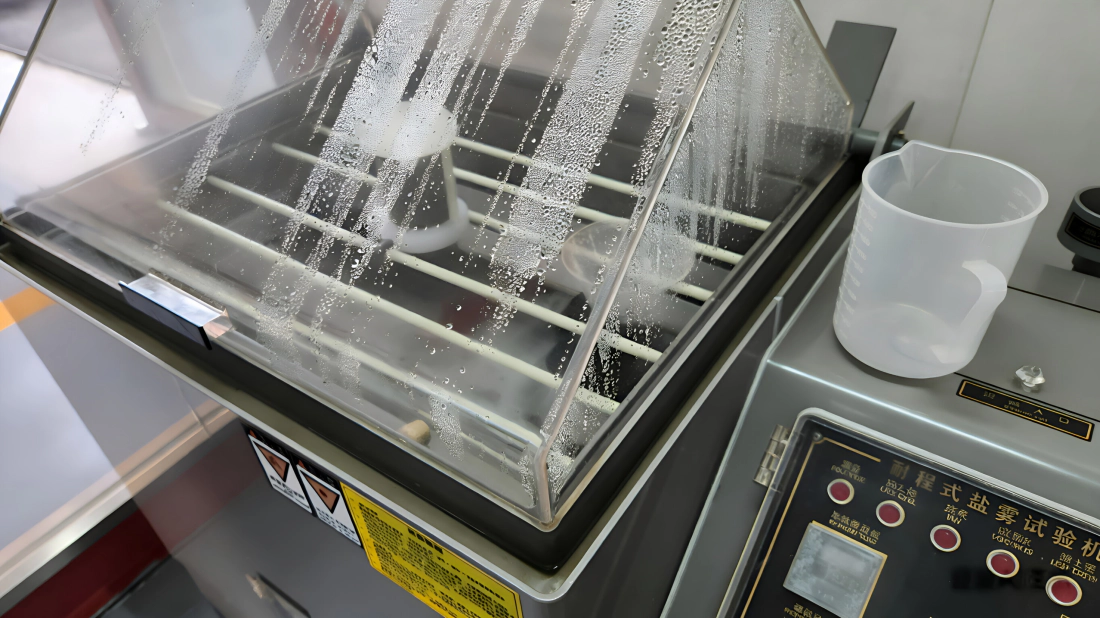
Operating within a factory seedling lifting system inherently exposes the mechanical components to highly aggressive micro-environments characterized by elevated humidity, fluctuating temperatures, and the constant presence of water, fertilizers, and agricultural chemicals. To combat these corrosive elements and maintain a perfectly smooth sealing surface, the piston rod undergoes a meticulous surface treatment process to become hard chrome plated. The application of a precisely controlled layer of hard chromium drastically elevates the surface hardness of the carbon steel rod, effectively preventing mechanical scoring, scratching, or pitting caused by abrasive airborne particulates commonly found in agricultural facilities. This chrome plated exterior creates an exceptionally low-friction interface with the rod seals, minimizing heat generation and extending the operational lifespan of the elastomeric sealing elements. The high corrosion resistance of the chrome plating ensures that the rod remains completely free from oxidative degradation, even when subjected to the persistent moisture of a controlled environment agriculture greenhouse. This flawless surface finish is non-negotiable for preventing external fluid loss and maintaining the pristine operational environment required for healthy plant propagation.
Mitigating Internal Leakage via Optimized Standard Seal Configurations
A thorough understanding of potential failure modes is essential for engineering robust hydraulic solutions. In the context of small double-acting cylinders tasked with continuous clamping tray manipulation, the most critical failure mode to address is internal leakage. Internal leakage occurs when pressurized hydraulic fluid bypasses the piston seal, flowing from the high-pressure chamber into the low-pressure chamber. This phenomenon results in a direct loss of gripping force, potentially causing the robotic arm to drop the delicate seedling tray mid-transfer, leading to catastrophic crop loss and severe operational downtime. Because the robotic arm clamping application is fundamentally categorized as a light-duty operation, the cylinder is not subjected to massive shock loads or extreme high-pressure spikes; however, it is subjected to incredibly high-frequency cycling. To counteract the threat of internal leakage under these specific conditions, precision-engineered standard seal configurations are implemented. These standard seals are manufactured from high-performance polyurethane or nitrile elastomers, designed to maintain a dynamic, positive sealing lip against the finely honed carbon steel internal bore.
The selection of standard seals rather than heavy-duty, high-friction alternatives is highly deliberate. Heavy-duty seals typically introduce excessive mechanical friction, which can lead to unpredictable, jerky movements—often referred to as stick-slip behavior—that are entirely unacceptable when handling fragile biological materials like seedlings. Standard seal profiles provide the optimal equilibrium between absolute fluid containment and minimal dynamic friction, ensuring smooth, linear actuation of the clamping mechanism. Regular monitoring of hydraulic fluid cleanliness and adhering to recommended preventative maintenance schedules are the primary operational strategies for maximizing the lifespan of these sealing elements. By preventing the ingress of microscopic contaminants into the hydraulic circuit, the physical integrity of the standard seal lips is preserved, completely mitigating the risk of gradual internal leakage and ensuring the robotic arm maintains an unyielding grip on the clamping tray throughout its operational lifecycle.
Technical Specifications Matrix
The following table delineates the exact technical parameters and architectural specifications of the hydraulic cylinders designed for factory seedling applications, ensuring seamless integration into facility agriculture machinery.
| Parameter Category | Technical Specification | Engineering Rationale |
|---|---|---|
| Action Type | Double Acting | Provides powered, bidirectional control for secure gripping and immediate release of the clamping tray. |
| Size Profile | Small Cylinder | Minimizes spatial footprint and end-of-arm weight on the robotic mechanism. |
| Manufacturing Structure | Welded Assembly | Eliminates bulky tie-rods, ensuring a compact profile highly resistant to constant vibration. |
| Base Material | High-Grade Carbon Steel | Delivers optimal yield strength and exceptional internal bore dimensional stability. |
| Surface Treatment | Hard Chrome Plated | Offers supreme corrosion resistance in humid agricultural environments and ultra-low seal friction. |
| Environment Level | Light Duty | Optimized for high-cycle, low-impact operations inherent to delicate agricultural lifting. |
| Primary Application | Robotic Arm Clamping Tray | Specialized end-effector integration for automated factory seedling logistics. |
| Targeted Failure Mode | Prevention of Internal Leakage | Ensures consistent gripping force to prevent accidental dropping of delicate payloads. |
| Sealing Technology | Standard Seal Profile | Balances absolute fluid containment with minimal dynamic friction for smooth actuation. |
Comprehensive Application Scenarios within Modern Agriculture
The integration of advanced fluid power within the sphere of facility agriculture machinery has revolutionized the methodology of factory seedling propagation. The most prominent application scenario is the automated transplanting and logistics line, where massive arrays of germinated seeds must be seamlessly transferred from germination chambers to cultivation zones. High-speed gantry robots equipped with highly specialized end-effectors utilize our small double-acting hydraulic cylinders to execute the physical handling of the clamping tray. As the robotic apparatus descends over a matrix of growing media, the cylinders actuate instantaneously, driving the lateral mechanical jaws inward to establish a secure, unyielding perimeter hold on the specialized plastic or composite trays. The precision provided by the standard seal internal architecture guarantees that the gripping force is perfectly distributed, eliminating any risk of crushing the thin-walled trays while ensuring absolute load security as the robotic arm hoists the payload into the air.
Expanding upon these primary logistics, these precise hydraulic actuators are equally indispensable during the grading and sorting phases of factory seedling production. Computer vision systems continually scan the emerging plant canopies, dictating complex sorting algorithms to robotic arms tasked with reorganizing individual trays based on growth metrics. This operation requires the cylinders to cycle at extraordinary rates, executing thousands of extension and retraction strokes every hour. The robust welded structure formed from premium carbon steel easily absorbs the continuous vibrational energy, while the chrome plated rod glides effortlessly through the sealing interface, resisting the ambient atmospheric moisture generated by the automated irrigation systems. Our hydraulic solutions guarantee that the physical mechanics of the agricultural automation never become the bottleneck in these high-tech controlled environment facilities, enabling maximum crop yield and operational profitability. For extensive technical documentation and to understand our broader product offerings, please visit our central repository at Ever Power Fluid Solutions.
Unparalleled Custom Engineering Services Based in China
Recognizing that no two agricultural automation systems are perfectly identical, Ever Power places immense emphasis on delivering highly sophisticated custom product capabilities to our global industrial clientele. Standardized off-the-shelf components frequently fall short when attempting to optimize the highly specific kinematic pathways of a proprietary robotic arm clamping system. Leveraging our expansive manufacturing footprint in China, we possess the comprehensive engineering infrastructure necessary to design, prototype, and mass-produce perfectly tailored hydraulic solutions. When an engineering team presents us with unique spatial constraints, uncommon stroke length requirements, or specialized mounting geometries, our metallurgical and fluid dynamics experts immediately initiate a collaborative design protocol. We meticulously analyze the specific light-duty cycle rates, evaluate the exact gripping force required to secure the clamping tray, and computationally model fluid pathways to guarantee zero internal leakage under the exact operational conditions specified.
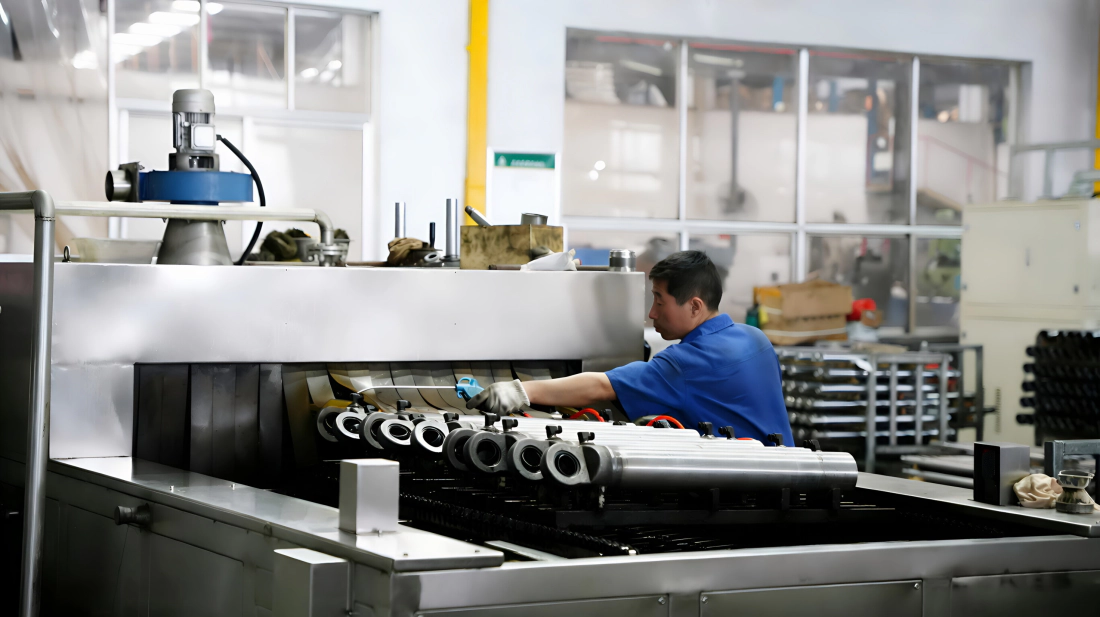
Our dedication to engineering excellence extends deeply into our material selection and machining tolerances. Whether adjusting the formulation of the carbon steel for unique environmental stressors or modifying the precise thickness of the chrome plated surface treatment, every aspect of the cylinder is open to optimization. We seamlessly integrate highly specific standard seal configurations based on the exact viscosity of the hydraulic fluid intended for the final application. By maintaining complete control over the entire production pipeline—from raw material forging to final ultrasonic weld inspection—we guarantee unparalleled consistency and rapid deployment timelines. Discover more about our engineering philosophy and historical legacy by exploring our corporate background at About Ever Power. We are strategically positioned to serve as your definitive manufacturing partner for advanced fluid power systems.
Global Success Case: Automated Horticultural Complex in the Netherlands
Demonstrating tangible operational excellence requires examining real-world deployment data. A premier automated horticultural complex situated in the Westland region of the Netherlands recently confronted severe operational bottlenecks within their massive factory seedling propagation lines. The legacy pneumatic actuators installed on their transplanting gantry robots were exhibiting inconsistent gripping force, leading to an unacceptably high rate of dropped clamping trays and subsequent biological waste. The high-humidity environment was also causing rapid corrosion on the non-treated metallic components. Recognizing the immediate need for a robust upgrade, their chief engineering staff collaborated deeply with Ever Power to completely retrofit the robotic arm clamping mechanisms. We successfully engineered and deployed a fleet of custom-dimensioned, small double-acting hydraulic cylinders. By leveraging a meticulously crafted welded structure manufactured from high-yield carbon steel, we delivered an incredibly compact actuator that fit perfectly into the existing end-of-arm tooling without requiring massive structural alterations to the machinery.
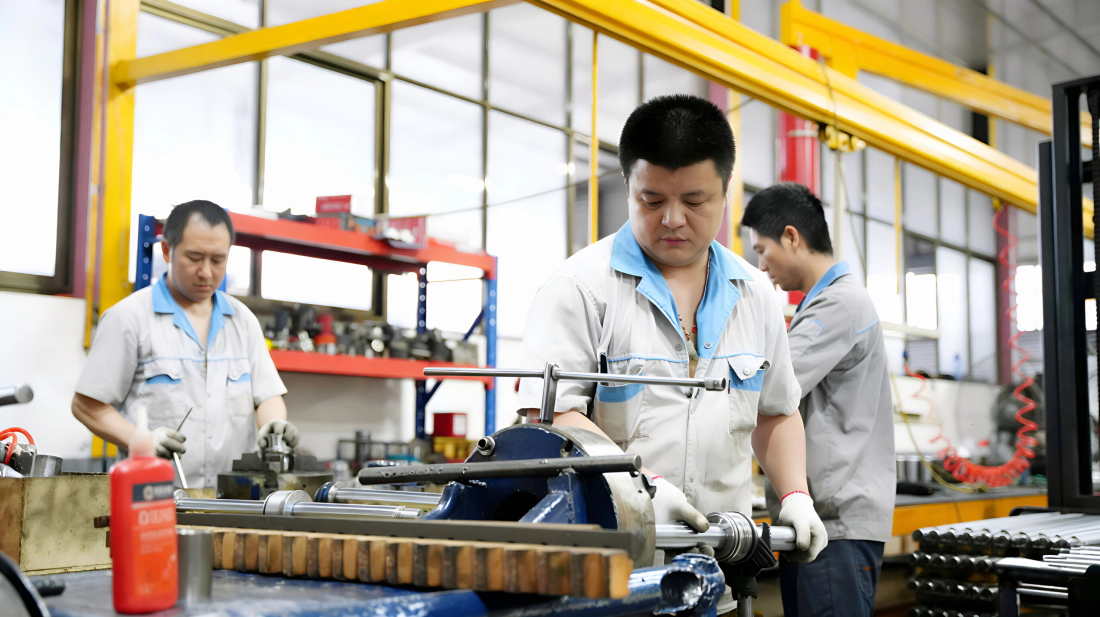
The implementation of our hard chrome plated rods completely neutralized the pervasive corrosion issues inherent to the damp greenhouse atmosphere. Most critically, the integration of precisely calibrated standard seals completely eradicated the previous internal leakage issues. The fluid power system provided instantaneous, unwavering gripping force, allowing the gantry robots to increase their acceleration and transfer speeds exponentially. Over a continuous six-month operational review, the horticultural complex recorded a staggering 34% increase in total daily seedling throughput, alongside a 98% reduction in mechanical drop events. The light-duty, high-cycle endurance of these cylinders thoroughly validated our advanced manufacturing methodologies and solidifying Ever Power’s reputation as a critical enabler of global agricultural automation.
Direct Customer Evaluations
“The customized double acting hydraulic cylinders completely revolutionized our tray lifting mechanics. The gripping consistency is absolute perfection.”
— Johan V., Lead Robotics Engineer, Netherlands
“Upgrading to Ever Power’s welded carbon steel units eradicated the structural fatigue we experienced with previous tie-rod designs. An incredible product.”
— Markus H., Facility Maintenance Director, Germany
“The chrome plated finish effortlessly withstands our aggressive greenhouse humidity. We have noticed zero internal leakage after millions of cycles.”
— Sarah L., Automation Systems Architect, United Kingdom
Frequently Asked Technical Questions
What is the estimated cost of small double-acting cylinders for agriculture machinery in China?
The exact price for a small double-acting hydraulic cylinder sourced directly from our manufacturing hubs in China depends entirely on your specific custom dimensions, exact stroke length, and the volume of your order. Because we completely engineer these units for robotic arm clamping applications, we strongly recommend reaching out directly with your technical schematics so we can quickly calculate a highly accurate and competitive volume quote tailored to your facility agriculture machinery needs.
How does a welded structure prevent internal leakage in tray lifting robots?
A fully welded structure utilizes premium carbon steel to maintain an incredibly rigid internal bore that strongly resists expansion under continuous fluid pressure. This high degree of dimensional stability guarantees that the standard seal configuration remains in perfect, uniform contact with the internal cylinder walls during rapid extension and retraction. By completely preventing the barrel from flexing during the clamping tray lifting cycle, the elastomeric seals can effectively halt fluid bypass, completely eliminating the critical failure mode of internal leakage.
Where can I find a reliable custom supplier for factory seedling hydraulic components?
Ever Power stands as a premier industrial supplier located in China, specifically engineered to deliver highly customized fluid power solutions for the global facility agriculture sector. We possess the extensive in-house engineering and massive CNC machining capacity required to rapidly design and manufacture highly specific small double-acting cylinders. Our deep expertise in mitigating internal leakage for light-duty robotic arm clamping applications makes us the definitive custom supplier for advancing your agricultural automation.
Which surface treatment is best for hydraulic rods in high humidity greenhouses?
For hydraulic cylinder rods operating within the persistently high humidity environments of a factory seedling greenhouse, a highly controlled hard chrome plated surface treatment is unequivocally the best engineering choice. This robust electroplating process deposits a dense layer of chromium over the underlying carbon steel, providing spectacular resistance to oxidative corrosion caused by atmospheric moisture and ambient agricultural chemicals. Furthermore, the chrome plated finish generates an exceptionally low-friction interface, significantly prolonging the functional lifespan of the standard seal.
When should we schedule maintenance to avoid robotic arm clamping failures?
Preventative maintenance for light duty agricultural cylinders should be rigidly scheduled based on continuous cycle counts rather than strict calendar dates. Because factory seedling lifting systems operate at extraordinarily high frequencies, you should actively monitor the hydraulic fluid for particulate contamination and visually inspect the chrome plated rod for micro-abrasions monthly. Proactively replacing the standard seal packages before internal leakage presents itself ensures the double-acting actuator maintains an unyielding grip on the clamping tray.