Product Description
Zx330 Zx330-3G Zx350h Zx360h-3G Zx350h-5g Zx350LC Hydraulic Cylinder Boom Arm Bucket Cylinder for Excavator
| Product name | Zx330 Zx330-3G Zx350h Zx360h-3G Zx350h-5g Zx350LC Excavator hydraulic cylinder |
| Condition | 100% new |
| Color | Yellow or Black & Customized |
| Material | 50Mn |
| Warranty time | One Year / 2000 hours(Normal life 4000 hours) |
| Packing |
Standard exported wooden pallet |
| Time of delivery | Within 3 davs after payment receipt |
| Port of shipment | HangZhou,China |
| OEM&ODM | Acceptable |
| Payment terms | Alibaba trade assurance payment, Western Union, T/T |
Our Cylinder Main Features
1. Seal kits: From USA, durable and hard-wearing to ensure the small hydraulic cylinder a long service life
2. Heat treatment: Quenching&Tempering which makes the piston rod super high hardness.
3. Cleaning: Ultrasonic cleaning.
4. Cutting: High precision provided by automatic roller cutting machine.
5. Testing: Ultrasonic detector, spectrograph, CMM, metallography, chrome thickness tester.
6. Advantage: Simple structure & reliable work, easy maintenance & diverse connecting ways of small hydraulic cylinder.
7. Plan: Different manufacturing plans for different customers.
8. MOQ: 1 PCS of small hydraulic cylinders
9. Lead time: 3-5 days depends on the small hydraulic cylinder quantity & whether customized.
10. Warranty: Change a new small hydraulic cylinder and we pay for the air freight in 1 years warranty time.
More cylinder model we can offer
| HYUNDAI | R55 R60 R80 R130LC-3-5 R200 R200-5 R210 R215-7/9 R220-5 R225LC-7/9 R290 R290 R290LC-7 R300LC R305LC R330LC R375 R360LC-7 R450LC |
| ZXAIS/HITACAI | EX35 EX40 EX55 EX60 EX60-3 ZX200 ZX210 ZX250 ZX290 ZX330 ZX470 EX1000 EX1200 |
| VOLVO | EC55 EC60 EC140BP EW145BP EW160BB EC210 EC240 EC290 EC360LC EC380.EC460 EC480 EC700 |
| KOMATSU | PC45 PC50 PC55 PC56 PC60-5-6-7 PC60-8 PC70-8 PC78 PC100-3 PC120-6 PC130-7 PC200-7/8 PC220 PC270 PC240 PC300-6/7 PC360 PC400-6/7/8 |
| PC450-6 PC600-6 PC650-3 PC650 PC800 PC1000 PC1200 PC1250 | |
| KOBELCO | SK35 SK50 SK60 SK75 SK100 SK120 SK200-1-2-3-4-5-6 SK230 SK250 SK260 SK280 SK300 SK330 SK330-6 SK350 SK400 SK450 SK480 |
| DOOSAN/DAEWOO | DH35 DH55 DH60 DH55 DH60 DH80 DH80-7 DH80GOLD DH150 DH200 DH220-3-5 DH280-5 DX60-DX200-DX225 DX260 DH290 DH360 DH420 DH500 |
| SUMITOMO | SH55 SH60 SH75 SH50 SH100 SH120 SH200 SH200-3-5 SH220-2-3 SH280 SH300 SH350 SH400 SH450 |
| KATO | HD820 HD1571 HD1430 HD2045 HD700 |
| SAN Y | SY55 SY60 SY65 SY70 SY75 SY85 SY95 SY115 SY135 SY155 SY195 SY200 SY205 SY215 SY220 SY225 SY235 SY245 SY285 SY305 SY335 SY365 SY375 |
| SY395 SY415 SY485 | |
| LIUGONG | CLG904 CLG9055 CLG906 CLG907 CLG9075 CLG908 CLG915 CLG150 CLG920 CLG921 CLG922 CLG225 CLG924 CLG925 CLG933 CLG936 CLG939 CLG942 |
| CLG948 CLG950 CLG952 CLG200 CLG205 CLG220 CLG225 | |
| KUBOTA | KX135 KX185 KX155 KX161 KX163 KX165 KX183 |
| IHI | IHI35 IHI50 IHI60 IHI55 IHI80 IHI100 |
| XCM G | XE55 XE60 XE65 XE75 XE80 XE85 XE135 XE150 XE155 XE200 XE205 XE215 XE225 XE245 XE270 XE305 XE335 XE370 XE380 XE400 XE470 XE490 |
| XE700 | |
| YANMAR | ViO35 ViO55 ViO75 |
| CASE | CX50 CX55 CX58 CX75 CX210 CX240 CX290 CX330 |
| YUCHAI | YC35 YC50 YC55 YC60 YC65 YC85 YC135 YC230 |
| JCB | JS130 JS210 JS220 JS290 JS330 |
Company Profile
Koko Shop Machine Co., Ltd is located in GuangZhou city with large construction machinery parts market and convenient transportation access.Our company is specialized in crawler excavator arm cylinder, boom cylinder, bucket cylinder, cylinder tube, cylinder rod also custom hydraulic cylinders, seal kits, hydraulic pump,electric parts,which are used for different excavator models.We have complete excavator part number svstems for different brands, physical photos. sizes.prices, and rich foreign trade knowledges,we believe professional ability makes business well.Now we have established friendly cooperative relations, some of our products are recognizedand recommeng by local brand dealers. We are committed to supply the highest quality, competitive prices, timely delivery and excellent services for every customers, we warmly welcome clients from all over the world to contact us for inquiry .
Our Service
1. We have advanced technology, professional team and 100% testing by comprehensive power hydraulic pump testing facilities originally or China made.
2. Competitive price to support the qualified hydraulic pumps to you.
3. The larger quantity you order, the better price and faster delivery we can supply
Certifications
Our product have been supplied to over 70 companies of more than 30 countries
Certificate such as CE, ISO, can also be a proof of our quality.
FAQ
1.How can I be sure the part will fit my excavator ?
Give us correct model number /machine serial number /any numbers on the parts itself .Or measure the parts give us dimension or drawing.
2. What material do you use on hydraulic cylinder?
High frequency quenching No.40 manganese steel as rod material, so the cylinder rod has better bending resistance; No.25 manganese steel as tube material ,so the tube has better wear resistance; high-strength hardened steel as rod head and tube head ,so the cylinder head and rod head more durable; name-brand seal kits to reduce the hydraulic cylinder oil leakage rate.
3.How long can an order delivery?
For some often used models of excavator hydraulic cylinder , we have in stock, within 7 days . For any order less than 1 container takes about 2 weeks to finish; Order of 1-2 container takes 4 -6weeks; At busy manufacturing season, manufacturing time needs more which can confirm by discussion.
4.How to pay?
Order less than 3000USD, full payment at order, Order over USD3000 value ,50% deposited in to start, 50% balance paid to deliver. Inspection service accepted. For customized order, 70%payment as deposit ,30% balance paid to deliver
5.How to delivery?
If you have shipping agent ,we will cooperate with your agent to arrange shipment . If not , we have good relationships with shipping companies, express suppliers. For light goods ,by UPS/DHL/TNT(DAP terms) , For heavy goods ,by sea (FOB,CIF,CFR)
| Certification: | GS, RoHS, CE, ISO9001, ISO9001: 2000 |
|---|---|
| Pressure: | High Pressure |
| Work Temperature: | Normal Temperature |
| Acting Way: | Double Acting |
| Working Method: | Straight Trip |
| Adjusted Form: | Regulated Type |
| Customization: |
Available
|
|
|---|
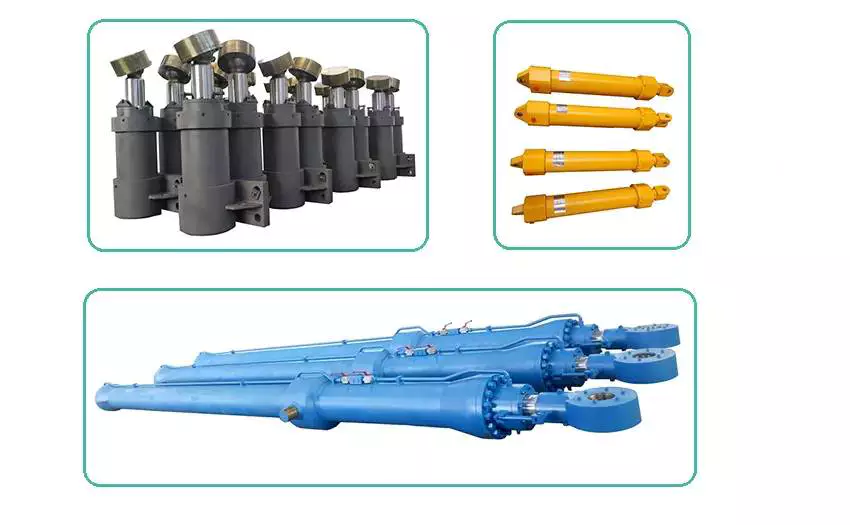
How do hydraulic cylinders compare to other methods of force generation like electric motors?
Hydraulic cylinders and electric motors are two different methods of force generation with distinct characteristics and applications. While both hydraulic cylinders and electric motors can generate force, they differ in terms of their working principles, performance attributes, and suitability for specific applications. Here’s a detailed comparison of hydraulic cylinders and electric motors:
1. Working Principle:
– Hydraulic Cylinders: Hydraulic cylinders generate force through the conversion of fluid pressure into linear motion. They consist of a cylinder barrel, piston, piston rod, and hydraulic fluid. When pressurized hydraulic fluid enters the cylinder, it pushes against the piston, causing the piston rod to extend or retract, thereby generating linear force.
– Electric Motors: Electric motors generate force through the conversion of electrical energy into rotational motion. They consist of a stator, rotor, and electromagnetic field. When an electrical current is applied to the motor’s windings, it creates a magnetic field that interacts with the rotor, causing it to rotate and generate torque.
2. Force and Power:
– Hydraulic Cylinders: Hydraulic cylinders are known for their high force capabilities. They can generate substantial linear forces, making them suitable for heavy-duty applications that require lifting, pushing, or pulling large loads. Hydraulic systems can provide high force output even at low speeds, allowing for precise control over force application. However, hydraulic systems typically operate at lower speeds compared to electric motors.
– Electric Motors: Electric motors excel in providing high rotational speeds and are commonly used for applications that require rapid motion. While electric motors can generate significant torque, they tend to have lower force output compared to hydraulic cylinders. Electric motors are suitable for applications that involve continuous rotary motion, such as driving conveyor belts, rotating machinery, or powering vehicles.
3. Control and Precision:
– Hydraulic Cylinders: Hydraulic systems offer excellent control over force, speed, and positioning. By regulating the flow of hydraulic fluid, the force and speed of hydraulic cylinders can be precisely controlled. Hydraulic systems can provide gradual acceleration and deceleration, allowing for smooth and precise movements. This level of control makes hydraulic cylinders well-suited for applications that require precise positioning, such as in industrial automation or construction equipment.
– Electric Motors: Electric motors also offer precise control over speed and positioning. Through motor control techniques such as varying voltage, frequency, or pulse width modulation (PWM), the rotational speed and position of electric motors can be accurately controlled. Electric motors are commonly used in applications that require precise speed control, such as robotics, CNC machines, or servo systems.
4. Efficiency and Energy Consumption:
– Hydraulic Cylinders: Hydraulic systems can be highly efficient, especially when properly sized and designed. However, hydraulic systems typically have higher energy losses due to factors such as fluid leakage, friction, and heat generation. The overall efficiency of a hydraulic system depends on the design, component selection, and maintenance practices. Hydraulic systems require a hydraulic power unit to pressurize the hydraulic fluid, which consumes additional energy.
– Electric Motors: Electric motors can have high efficiency, especially when operated at their optimal operating conditions. Electric motors have lower energy losses compared to hydraulic systems, primarily due to the absence of fluid leakage and lower friction losses. The overall efficiency of an electric motor depends on factors such as motor design, load conditions, and control techniques. Electric motors require an electrical power source, and their energy consumption depends on the motor’s power rating and the duration of operation.
5. Environmental Considerations:
– Hydraulic Cylinders: Hydraulic systems typically use hydraulic fluids that can pose environmental concerns if they leak or are not properly disposed of. The choice of hydraulic fluid can impact factors such as biodegradability, toxicity, and potential environmental hazards. Proper maintenance and leak prevention practices are essential to minimize the environmental impact of hydraulic systems.
– Electric Motors: Electric motors are generally considered more environmentally friendly since they do not require hydraulic fluids. However, the environmental impact of electric motors depends on the source of electricity used to power them. When powered by renewable energy sources, such as solar or wind, electric motors can offer a greener solution compared to hydraulic systems.
6. Application Suitability:
– Hydraulic Cylinders: Hydraulic cylinders are commonly used in applications that require high force output, precise control, and durability. They are widely employed in industries such as construction, manufacturing, mining, and aerospace. Hydraulic systems are well-suited for heavy-duty applications, such as lifting heavy objects, operating heavy machinery, or controlling large-scale movements.
– Electric Motors: Electric motors are widely used in various industries and applications that require rotational motion, speed control, and precise positioning. They are commonly found in appliances, transportation, robotics, HVAC systems, and automation. Electric motorsare suitable for applications that involve continuous rotary motion, such as driving conveyor belts, rotating machinery, or powering vehicles.In summary, hydraulic cylinders and electric motors have different working principles, force capabilities, control characteristics, efficiency levels, and application suitability. Hydraulic cylinders excel in providing high force output, precise control, and durability, making them ideal for heavy-duty applications. Electric motors, on the other hand, offer high rotational speeds, precise speed control, and are commonly used for applications that involve continuous rotary motion. The choice between hydraulic cylinders and electric motors depends on the specific requirements of the application, including the type of motion, force output, control precision, and environmental considerations.
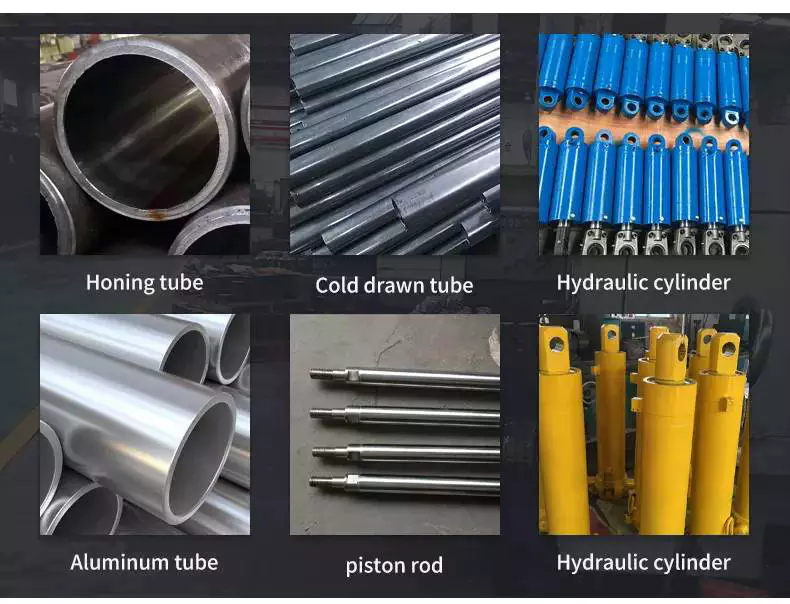
Ensuring Consistent Force Output for Repetitive Tasks with Hydraulic Cylinders
Hydraulic cylinders are designed to ensure consistent force output for repetitive tasks. This consistency is essential for maintaining precise control, achieving uniform results, and optimizing the performance of hydraulic systems. Let’s explore how hydraulic cylinders achieve consistent force output for repetitive tasks:
- Design and Manufacturing Standards: Hydraulic cylinders are manufactured to meet strict design and manufacturing standards. These standards ensure that the cylinders are built with precision and accuracy, enabling them to deliver consistent force output. The components, such as the piston, cylinder barrel, seals, and valves, are engineered to work together harmoniously, minimizing variations in force generation.
- Pressure Regulation: Hydraulic systems incorporate pressure regulation mechanisms to maintain a constant pressure level. Pressure relief valves, pressure regulators, and pressure-compensated pumps help maintain a consistent hydraulic pressure throughout the system. By regulating the pressure, hydraulic cylinders receive a consistent supply of pressurized fluid, resulting in consistent force output for repetitive tasks.
- Flow Control: Flow control valves are utilized in hydraulic systems to manage the flow rate of hydraulic fluid. These valves regulate the speed at which the fluid enters and exits the hydraulic cylinder, influencing the force output. By controlling the flow rate, hydraulic cylinders can achieve consistent force output for repetitive tasks. This is particularly important when it comes to tasks that require precise and uniform force application.
- Effective Seal Performance: Sealing systems play a crucial role in hydraulic cylinders by preventing fluid leakage and maintaining pressure integrity. High-quality seals and proper installation ensure effective sealing throughout the cylinder’s operation. By minimizing internal leakage, hydraulic cylinders can maintain consistent force output, even during repetitive tasks.
- Maintenance and Inspection: Regular maintenance and inspection of hydraulic cylinders are essential for ensuring consistent force output. By following maintenance schedules, replacing worn-out components, and monitoring cylinder performance, any potential issues that could affect force consistency can be identified and addressed promptly. This proactive approach helps maintain the reliability and performance of hydraulic cylinders over time.
In summary, hydraulic cylinders employ various mechanisms to ensure consistent force output for repetitive tasks. Adherence to design and manufacturing standards, pressure regulation, flow control, effective seal performance, and regular maintenance all contribute to achieving consistent force output. By maintaining precision, minimizing variations, and addressing potential issues, hydraulic cylinders provide reliable and consistent force generation, facilitating the successful completion of repetitive tasks in various applications.
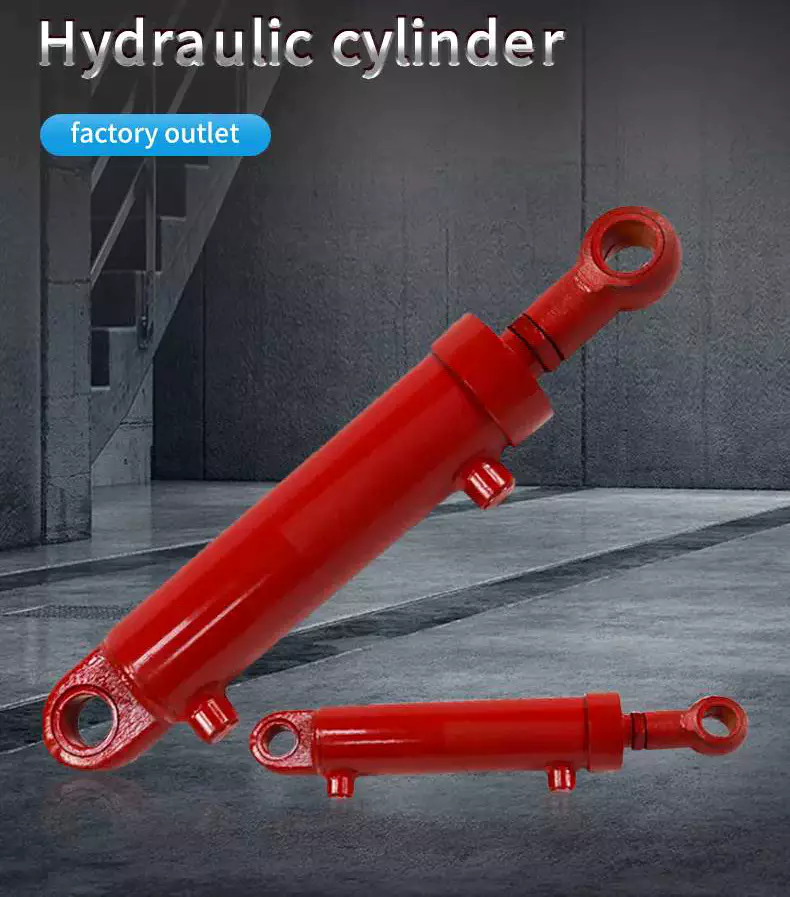
What safety precautions should be followed when working with hydraulic cylinders?
Working with hydraulic cylinders requires strict adherence to safety precautions to prevent accidents, injuries, and damage to equipment or property. Hydraulic systems operate under high pressures and involve moving parts, which can pose serious hazards if not handled properly. Here’s a detailed explanation of the safety precautions that should be followed when working with hydraulic cylinders:
1. Training and Knowledge:
– Ensure that personnel working with hydraulic cylinders have received adequate training and possess a thorough understanding of hydraulic system operation, maintenance, and safety protocols. Proper training should cover topics such as hydraulic principles, pressure ratings, safe work practices, and emergency procedures. Only trained and authorized personnel should be allowed to handle hydraulic cylinders.
2. Wear Personal Protective Equipment (PPE):
– Always wear appropriate personal protective equipment when working with hydraulic cylinders. This may include safety glasses, gloves, protective clothing, and steel-toed boots. PPE helps protect against potential hazards, such as hydraulic fluid leaks, flying debris, or accidental contact with moving parts.
3. Hydraulic System Inspection:
– Before working with hydraulic cylinders, inspect the entire hydraulic system for any signs of damage, leaks, or loose connections. Check hydraulic hoses, fittings, valves, and cylinders for integrity and secure fastening. If any issues are detected, the system should be repaired or serviced before operation.
4. Relieve Pressure:
– Before performing any maintenance or disassembly on a hydraulic cylinder, it is crucial to relieve the pressure in the system. Follow the manufacturer’s instructions to properly release pressure and ensure that the hydraulic cylinder is depressurized before starting any work. Failure to do so can result in sudden and uncontrolled movement of the cylinder or hydraulic lines, leading to serious injuries.
5. Lockout/Tagout Procedures:
– Implement lockout/tagout procedures to prevent accidental energization of the hydraulic system while maintenance or repair work is being conducted. Lockout/tagout involves isolating the energy source, such as shutting off the hydraulic pump and locking or tagging the controls to prevent unauthorized operation. This procedure ensures that the hydraulic cylinder remains in a safe, non-operational state during maintenance activities.
6. Use Proper Lifting Techniques:
– When working with heavy hydraulic cylinders or components, use proper lifting techniques and equipment to avoid strain or injury. Hydraulic cylinders can be heavy and awkward to handle, so ensure that lifting equipment, such as cranes or hoists, is properly rated and used correctly. Follow safe lifting practices, including securing the load and maintaining a stable lifting posture.
7. Hydraulic Fluid Handling:
– Handle hydraulic fluid with care and follow proper procedures for fluid filling, transfer, and disposal. Avoid contact with the skin or eyes, as hydraulic fluid may be hazardous. Use appropriate containers and equipment to prevent spills or leaks. If any hydraulic fluid comes into contact with the skin or eyes, rinse thoroughly with water and seek medical attention if necessary.
8. Regular Maintenance:
– Perform regular maintenance and inspections on hydraulic cylinders to ensure their safe and reliable operation. This includes checking for leaks, inspecting seals, monitoring fluid levels, and conducting periodic servicing as recommended by the manufacturer. Proper maintenance helps prevent unexpected failures and ensures the continued safe use of hydraulic cylinders.
9. Follow Manufacturer Guidelines:
– Always follow the manufacturer’s guidelines, instructions, and recommendations for the specific hydraulic cylinders and equipment being used. Manufacturers provide important safety information, maintenance schedules, and operational guidelines that should be strictly adhered to for safe and optimal performance.
10. Emergency Preparedness:
– Be prepared for potential emergencies by having appropriate safety equipment, such as fire extinguishers, first aid kits, and emergency eyewash stations, readily available. Establish clear communication channels and emergency response procedures to promptly address any accidents, leaks, or injuries that may occur during hydraulic cylinder operations.
By following these safety precautions, individuals working with hydraulic cylinders can minimize the risk of accidents, injuries, and property damage. It is essential to prioritize safety, maintain awareness of potential hazards, and ensure compliance with relevant safety regulations and industry standards.


editor by CX 2023-10-13