Product Description
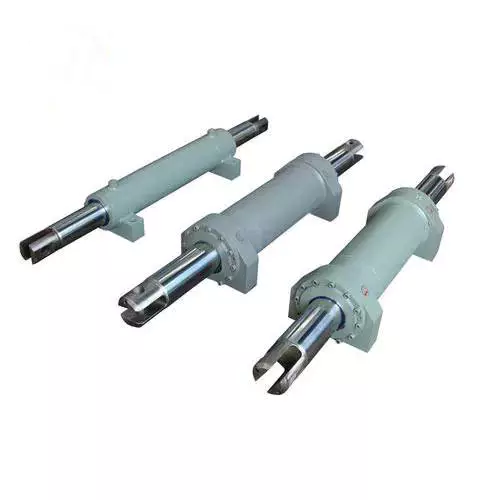
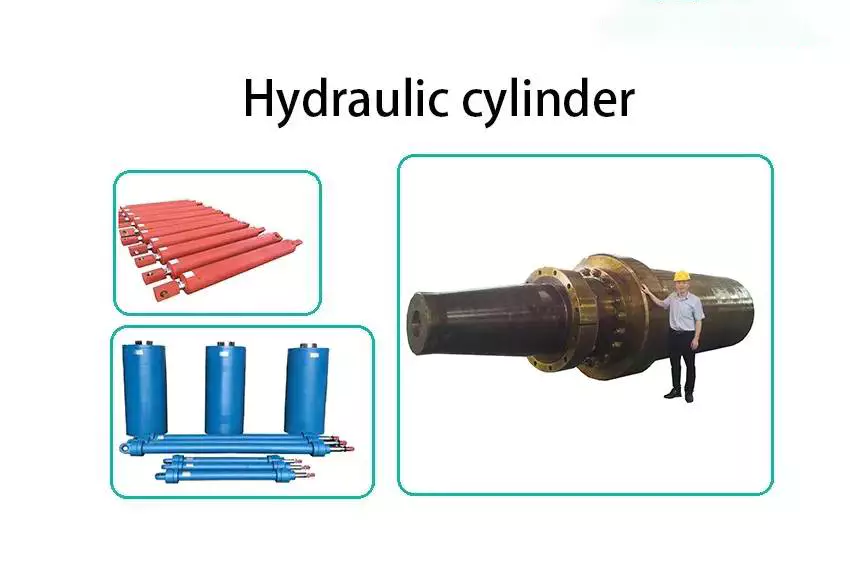
Our company produces all series of hydraulic cylinders, including engineering cylinders, tie rod cylinders, earring cylinders, multi-section cylinders, flange cylinders, high pressure cylinders, heavy-duty cylinders, HSG series hydraulic cylinders, single-acting cylinders, two-way cylinders, and other non-standard customized hydraulic product. After years of practice, our company has accumulated rich experience in processing and installation. The parts are precision CNC machined by all series of horizontal lathe, and the seals are made of CHINAMFG imported famous brand products. The products are continuously improved and improved, and the quality and accuracy are reliable and stable. Our cylinder products have been exported to the Middle East. , Asia, Europe and the United States and other places, we have more than 10 years of cooperation with oil cylinder customers.
In order to achieve maximum quality control, 80% of our parts are produced by ourselves, among which we can process super-large hydraulic cylinder body parts and telescopic shaft parts with our large horizontal lathes, we can even turn hydraulic cylinders with a length of more than 11 meters, and The surface finish of the shaft cylinder can reach Ra1.6 directly through the lathe.
Our main products :
tie rod cylinder, welding cylinder, double-acting cylinder, single-acting cylinder, piston cylinder, plunger cylinder, single-rod cylinder, double-rod cylinder, etc.;
Technical parameters: The cylinder diameter is 32~320mm, the stroke is 5~6000mm, and the working pressure is 2.5~31Mpa;
The installation methods include flange, single ear, double ear, foot seat, hinge shaft, welded pipe, etc., and provide rod end connectors, including Y-type joint, I-type joint, joint bearing, welded pipe, etc.;
Workshop overview:
Our sheet metal fabrication workshop equipped with a series of cutting machines, including laser cutter, flame cutter, water jet cutter, and plasma cutter, with these advanced CNC machine we can cut the materials with high efficiency and high accuracy.
| Laser Cutting | Plasma Cutting | Flame Cutting | Water-jet Cutting | |
| Cutting Depth | 25mm | 100mm | 450mm | 250mm |
| Cutting Width | 3500mm | 4000mm | 6000mm | 3500mm |
| Cutting Length | 28000mm | 20000mm | 20000mm | 10000mm |
| Accuracy | ±0.2mm | ±1mm | ±0.8mm |
We have a series of imported CNC Machining equipment, including large gantry machining center, horizontal boring and milling machine, turning and milling compound center, large vertical lathe machining center, heavy horizontal lathe machining center, dmulti-hole drilling and other machining equipment facilities.
Our processing capabilities are as follows:
| Gantry Machining Center | Max Height:4000mm | Max Width:4500mm | Max Length: 12000mm | ||
| Large Boring Mill | X: 15000mm | Y:4000mm | Z+W:900+1000 mm | Max Weight: 250T | Bore Tool Dia: 280mm |
| Truning and Milling center | Height: 4500mm | Weight: 350T | Max Diameter:11000mm | ||
| Vertical Lathe | Height: 4000mm | Weight: 50T | Max Diameter: 5000mm | ||
| Horizontal Lathe | Max Length: 12m | Weight: 50T | |||
| Deep hole drilling | X:3000mm | Y:2500mm | Z:700mm | Hole Dia: 16-80mm | Depth: 700mm |
| Multi-hole drilling | X:7000mm | Y:3000mm | Z:700mm | Hole Dia:2-120mm | Depth: 320mm |
We have a complete welding platform, including plasma welding, strip surfacing, argon arc welding, TIG welding, laser welding, hand arc welding, and submerged arc welding equipment clusters.Welding methods include tube-sheet strip surfacing, automatic submerged arc welding, carbon dioxide gas shielded welding, argon tungsten arc welding, electrode arc welding, plasma welding, etc. The materials that can be welded are carbon steel, alloy steel, stainless steel, and non-ferrous metals such as copper, aluminum, and titanium.
To ensure that the quality strictly meets the requirements, we have special quality inspectors to supervise and review the product quality for all projects, and we are equipped with a variety of inspection methods. For welding, we have magnetic particle inspection, X-ray inspection and other methods to inspect the weld quality. For precision machined products, we use advanced three-coordinate testing equipment to check product size, flatness, parallelism, concentricity, etc. For precision machined surfaces, we will also use special testing equipment to check that the surface roughness perfectly meets the acceptance criteria. Moreover, we will custom make inspection methods to serve for their project.
Inspection Facilites:
| After-sales Service: | Tbd |
|---|---|
| Warranty: | Tbd |
| Condition: | New |
| Certification: | ISO9001 |
| Standard: | ASTM |
| Customized: | Customized |
| Samples: |
US$ 2500/Ton
1 Ton(Min.Order) | |
|---|
| Customization: |
Available
|
|
|---|
How do manufacturers ensure the durability and reliability of hydraulic cylinders?
Manufacturers employ various strategies and techniques to ensure the durability and reliability of hydraulic cylinders. These measures are crucial as hydraulic cylinders are often subjected to demanding operating conditions and heavy loads. To ensure their longevity and dependable performance, manufacturers focus on the following aspects:
1. High-Quality Materials:
– Manufacturers use high-quality materials in the construction of hydraulic cylinders. Components such as cylinder barrels, piston rods, seals, and bearings are made from materials that possess excellent strength, corrosion resistance, and wear resistance properties. Common materials used include high-grade steel alloys, chrome-plated rods, and specialized coatings. The selection of appropriate materials ensures that hydraulic cylinders can withstand the stresses, pressures, and environmental conditions they encounter during operation.
2. Robust Design:
– Hydraulic cylinders are designed to withstand high loads and harsh operating conditions. Manufacturers use computer-aided design (CAD) software and finite element analysis (FEA) techniques to optimize the cylinder’s structural integrity and performance. The design includes factors such as proper wall thickness, reinforcement in critical areas, and appropriate sizing of components. Robust design practices ensure that hydraulic cylinders can withstand the forces and stresses they encounter, preventing premature failure and ensuring durability.
3. Quality Manufacturing Processes:
– Manufacturers follow stringent quality control measures during the manufacturing processes of hydraulic cylinders. These processes include precision machining, welding, heat treatment, and surface finishing. Skilled technicians and advanced machinery are employed to ensure dimensional accuracy, proper fitment of components, and overall quality. By adhering to strict manufacturing processes and quality standards, manufacturers can produce hydraulic cylinders with consistent performance and reliability.
4. Sealing Technology:
– The sealing system of hydraulic cylinders is critical for their durability and reliability. Manufacturers utilize advanced sealing technologies such as lip seals, O-rings, and composite seals to prevent fluid leakage and ingress of contaminants. Properly designed and high-quality seals ensure that hydraulic cylinders can maintain their performance over extended periods. Seals are tested for their compatibility with the hydraulic fluid, pressure resistance, and resilience to environmental factors such as temperature and humidity.
5. Performance Testing:
– Manufacturers subject hydraulic cylinders to rigorous performance testing to validate their durability and reliability. These tests simulate real-world operating conditions and evaluate factors such as load capacity, pressure resistance, fatigue life, and leakage. Performance testing helps identify any design flaws or weaknesses in the hydraulic cylinder and allows manufacturers to make necessary improvements. By conducting thorough performance testing, manufacturers can ensure that hydraulic cylinders meet or exceed the required performance standards.
6. Compliance with Industry Standards:
– Manufacturers adhere to industry standards and regulations to ensure the durability and reliability of hydraulic cylinders. These standards, such as ISO 6020/6022 and NFPA T3.6.7, provide guidelines for design, manufacturing, and performance requirements. By following these standards, manufacturers ensure that hydraulic cylinders are designed and built to meet specific quality and safety criteria. Compliance with industry standards helps establish a baseline for durability and reliability and instills confidence in the performance of hydraulic cylinders.
7. Regular Maintenance and Service:
– Manufacturers provide recommendations for regular maintenance and service of hydraulic cylinders. This includes guidelines for lubrication, inspection of components, and replacement of wear parts such as seals and bearings. Following the manufacturer’s maintenance guidelines helps ensure the long-term durability and reliability of hydraulic cylinders. Regular maintenance also allows for the early detection of potential issues, preventing major failures and extending the service life of the hydraulic cylinders.
8. Customer Support and Warranty:
– Manufacturers provide customer support and warranty services to address any issues that arise with hydraulic cylinders. They offer technical assistance, troubleshooting guidance, and replacement of defective components. The warranty ensures that customers receive reliable and durable hydraulic cylinders and provides recourse in case of any manufacturing defects or premature failures. Strong customer support and warranty policies reflect the manufacturer’s commitment to the durability and reliability of their products.
In summary, manufacturers ensure the durability and reliability of hydraulic cylinders through the use of high-quality materials, robust design practices, stringent manufacturing processes, advanced sealing technology, thorough performance testing, compliance with industry standards, regular maintenance guidelines, and customer support with warranty services. By focusing on these aspects, manufacturers can produce hydraulic cylinders that can withstand demanding conditions, provide long service life, and deliver reliable performance in various applications.
Utilizing Hydraulic Cylinders in Conjunction with Alternative Energy Sources
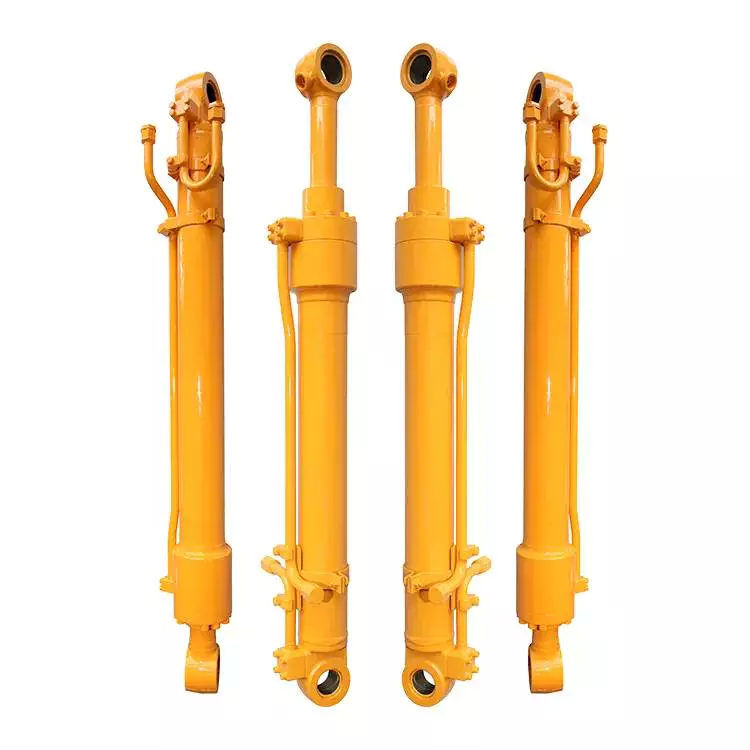
Hydraulic cylinders can indeed be used in conjunction with alternative energy sources. The versatile nature of hydraulic systems allows them to be integrated with various alternative energy technologies to enhance efficiency, control, and power generation. Let’s explore some examples of how hydraulic cylinders can be utilized alongside alternative energy sources:
- Hydraulic Energy Storage: Hydraulic cylinders can be employed in energy storage systems that utilize alternative energy sources such as renewable sources (e.g., solar or wind) or waste energy recovery. These systems convert excess energy into hydraulic potential energy by pumping fluid into a high-pressure accumulator. When the energy is needed, the pressurized fluid is released, driving the hydraulic cylinder and generating mechanical power.
- Wave and Tidal Energy Conversion: Hydraulic cylinders can be utilized in wave and tidal energy conversion systems. These systems harness the power of ocean waves or tidal currents and convert it into usable energy. Hydraulic cylinders, along with associated pumps and valves, can be used to capture and control the energy from the waves or tides, driving the cylinders and generating mechanical power or producing electricity.
- Hydroelectric Power Generation: Hydraulic cylinders play a crucial role in traditional hydroelectric power generation. However, alternative approaches such as small-scale or micro-hydropower systems can also benefit from hydraulic cylinders. These systems utilize natural or man-made water flows to drive turbines connected to hydraulic cylinders, which then convert the hydraulic energy into mechanical power or electricity.
- Hydraulic Actuation in Wind Turbines: Hydraulic cylinders can be employed in wind turbines to enhance performance and control. For example, hydraulic pitch control systems use hydraulic cylinders to adjust the pitch angle of wind turbine blades, optimizing their aerodynamic performance based on wind conditions. This allows for efficient power generation and protection against excessive wind loads.
- Geothermal Energy Extraction: Geothermal energy extraction involves utilizing the natural heat from the Earth’s interior to generate power. Hydraulic cylinders can be utilized in geothermal systems to control and regulate fluid flow, allowing for efficient extraction and utilization of geothermal energy. They can also be used in geothermal heat pumps for heating and cooling applications.
In summary, hydraulic cylinders can be effectively utilized in conjunction with alternative energy sources to enhance energy storage, power generation, and control. Whether it’s through hydraulic energy storage systems, wave and tidal energy conversion, hydroelectric power generation, hydraulic actuation in wind turbines, or geothermal energy extraction, hydraulic cylinders offer versatile and efficient solutions for harnessing and utilizing alternative energy sources.
How do hydraulic cylinders handle variations in load and pressure during operation?
Hydraulic cylinders are designed to handle variations in load and pressure during operation, making them versatile and efficient in various applications. Hydraulic systems use the principle of transmitting force through incompressible fluid to generate linear motion. Here’s a detailed explanation of how hydraulic cylinders handle variations in load and pressure:
1. Load Handling:
– Hydraulic cylinders are capable of handling different loads by utilizing the principle of Pascal’s law. According to Pascal’s law, when pressure is applied to a fluid in a confined space, the pressure is transmitted equally in all directions. In a hydraulic cylinder, the force applied to the piston results in an equal force output at the rod end of the cylinder. The size of the piston and the pressure exerted determine the force generated by the cylinder. Therefore, hydraulic cylinders can handle a wide range of loads by adjusting the pressure applied to the fluid.
2. Pressure Compensation:
– Hydraulic systems incorporate pressure compensation mechanisms to handle variations in pressure during operation. Pressure compensating valves or regulators are often used to maintain a consistent pressure in the hydraulic system, regardless of load changes. These valves automatically adjust the flow rate or pressure to ensure stable and controlled operation of the hydraulic cylinder. By compensating for pressure variations, hydraulic cylinders can maintain a consistent force output and prevent damage or instability due to excessive pressure.
3. Control Valves:
– Control valves play a crucial role in managing variations in pressure and load during hydraulic cylinder operation. Directional control valves, such as spool valves or poppet valves, control the flow of hydraulic fluid into and out of the cylinder, enabling precise control of the cylinder’s extension and retraction. By adjusting the position of the control valve, the speed and force exerted by the hydraulic cylinder can be regulated to match the load and pressure requirements of the application. Control valves allow for efficient handling of variations in load and pressure by providing fine-tuned control over the hydraulic system.
4. Accumulators:
– Hydraulic accumulators are often used to handle fluctuations in pressure and load. Accumulators store hydraulic fluid under pressure, which can be released or absorbed as needed to compensate for sudden changes in load or pressure. When the load on the hydraulic cylinder decreases, the accumulator releases stored fluid to maintain pressure and prevent pressure spikes. Conversely, when the load on the cylinder increases, the accumulator absorbs excess fluid to maintain system stability. By utilizing accumulators, hydraulic cylinders can effectively handle variations in load and pressure, ensuring smooth and controlled operation.
5. Feedback and Control Systems:
– Advanced hydraulic systems may incorporate feedback and control systems to monitor and adjust the operation of hydraulic cylinders in real-time. Position sensors or pressure sensors provide feedback on the cylinder’s position, force, and pressure, allowing the control system to make continuous adjustments to optimize performance. These systems can automatically adapt to variations in load and pressure, ensuring precise control and efficient operation of the hydraulic cylinder.
6. Design Considerations:
– Proper design considerations, such as selecting the appropriate cylinder size, piston diameter, and rod diameter, are essential for handling variations in load and pressure. The design should account for the maximum anticipated load and pressure conditions to ensure the hydraulic cylinder operates within its specified range. Additionally, the selection of suitable seals, materials, and components that can withstand the anticipated load and pressure variations is crucial for maintaining the reliability and longevity of the hydraulic cylinder.
By utilizing the principles of hydraulic systems, incorporating pressure compensation mechanisms, employing control valves and accumulators, and implementing feedback and control systems, hydraulic cylinders can effectively handle variations in load and pressure during operation. These features and design considerations allow hydraulic cylinders to adapt and perform optimally in a wide range of applications and operating conditions.


editor by CX 2023-10-14