Product Description
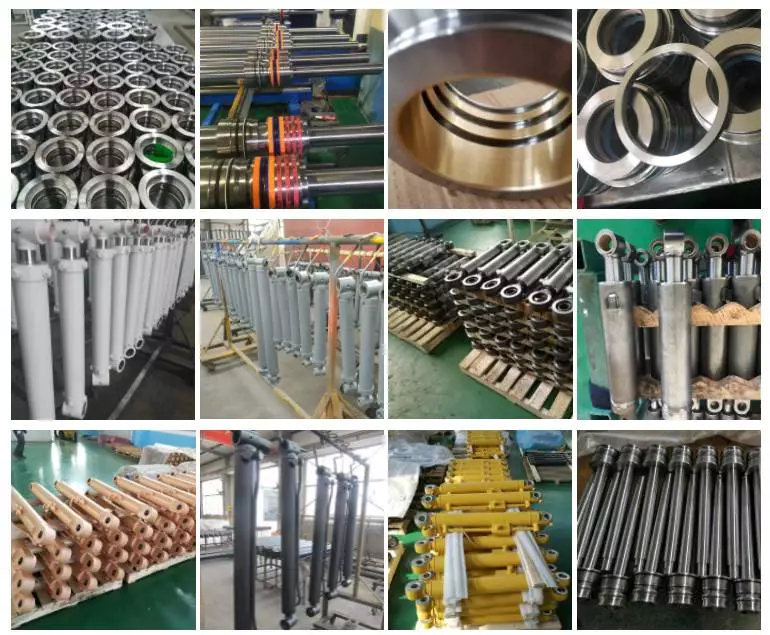
HYDRAULIC CYLINDER
Widely used in equipment for Construction, Coal&mine, Agriculture , Aerial work table and Environmental sanitation etc.
| Features | customized hydraulic cylinder |
| Bore Diameter | 2′-50’/50-1500mm |
| Rod Diameter | 1′ – 60’/25 -1000 mm |
| Wall Thickness | 0.1′-4’/3-100 mm |
| Max Stroke | 366’/9280 mm |
| Max Pressure | 9600 psi/600 bar |
| Test Pressure | 14500 psi/1000 bar |
| Material | 20#,40#,45#,16Mn,27SiMn,etc |
| Seal Kits | Hallite, Parker, NOK, SKF, DICHTOMATIK, Trelleborg, Merkel |
| Dimensional Accuracy | H7-H11 |
| Bore Roughness | Ra 0.4-1.6mm |
| Coating | hard chrome |
| Purpose | engineering, Coal &mining, agricultural machinery, environmental sanitation |
| OEM/ODM | Yes |
| MOQ | 1 Piece |
| Certificates | ISO9001,CE, CCS |
Q1. Are you a manufacturer?
Yes, we have manufactured hydraulic cylinders for over 30 years. They are widely used in Engineers, Coal&mine, Agriculture and Environmental Sanitation etc.
Q2. Do your products come with a warranty?
Yes, we have 1 year warranty.
Q3. Can we customize our products from you?
Yes, actually 70% of our products are customized for our clients. You just need to let us know your demand (specifications &drawing is better), and we shall realize them for you.
Q4. How do you deliver the products?
By sea, by plane, or by couriers.
Q5. How many days the samples can be finished, And how about the mass production?
Generally 5-7days for samples making. The lead time of mass production will depend on quality, production art and so on. Generally 35days.
| Certification: | CE, ISO9001 |
|---|---|
| Pressure: | High Pressure |
| Acting Way: | Double Acting |
| Working Method: | Straight Trip |
| Structure: | Piston Type |
| Material: | Carbon Steel |
| Customization: |
Available
|
|
|---|
What advancements in hydraulic cylinder technology have improved energy efficiency?
Advancements in hydraulic cylinder technology have led to significant improvements in energy efficiency, allowing hydraulic systems to operate more efficiently and reduce energy consumption. These advancements aim to minimize energy losses, optimize system performance, and enhance overall efficiency. Here’s a detailed explanation of some key advancements in hydraulic cylinder technology that have improved energy efficiency:
1. Efficient Hydraulic Circuit Design:
– The design of hydraulic circuits has evolved to improve energy efficiency. Advancements in circuit design techniques, such as load-sensing, pressure-compensated systems, or variable displacement pumps, help match the hydraulic power output to the actual load requirements. These designs reduce unnecessary energy consumption by adjusting the flow and pressure levels according to the system demands, rather than operating at a fixed high pressure.
2. High-Efficiency Hydraulic Fluids:
– The development of high-efficiency hydraulic fluids, such as low-viscosity or synthetic fluids, has contributed to improved energy efficiency. These fluids offer lower internal friction and reduced resistance to flow, resulting in decreased energy losses within the system. Additionally, advanced fluid additives and formulations enhance lubrication properties, reducing friction and optimizing the overall efficiency of hydraulic cylinders.
3. Advanced Sealing Technologies:
– Seal technology has advanced significantly, leading to improved energy efficiency in hydraulic cylinders. High-performance seals, such as low-friction or low-leakage seals, minimize internal leakage and friction losses. Reduced internal leakage helps maintain system pressure more effectively, resulting in less energy waste. Additionally, innovative sealing materials and designs enhance durability and extend seal life, reducing the need for frequent maintenance and replacement.
4. Electro-Hydraulic Control Systems:
– The integration of advanced electro-hydraulic control systems has greatly contributed to energy efficiency improvements. By combining electronic control with hydraulic power, these systems enable precise control over cylinder operation, optimizing energy usage. Proportional or servo valves, along with position or force feedback sensors, allow for accurate and responsive control, ensuring that hydraulic cylinders operate at the required level of performance while minimizing energy waste.
5. Energy Recovery Systems:
– Energy recovery systems, such as hydraulic accumulators, have been increasingly utilized to improve energy efficiency in hydraulic cylinder applications. Accumulators store excess energy during low-demand periods and release it when there is a peak demand, reducing the need for the hydraulic pump to provide the full power continuously. By utilizing stored energy, these systems can significantly reduce energy consumption and improve overall system efficiency.
6. Smart Monitoring and Control:
– Advancements in smart monitoring and control technologies have enabled real-time monitoring of hydraulic systems, allowing for optimized energy usage. Integrated sensors, data analytics, and control algorithms provide insights into system performance and energy consumption, enabling operators to make informed decisions and adjustments. By identifying inefficiencies or suboptimal operating conditions, energy consumption can be minimized, leading to improved energy efficiency.
7. System Integration and Optimization:
– The integration and optimization of hydraulic systems as a whole have played a significant role in improving energy efficiency. By considering the entire system layout, component sizing, and interaction between different elements, engineers can design hydraulic systems that operate in the most energy-efficient manner. Proper sizing of components, minimizing pressure drops, and reducing unnecessary piping or valve restrictions all contribute to improved energy efficiency of hydraulic cylinders.
8. Research and Development:
– Ongoing research and development efforts in the field of hydraulic cylinder technology continue to drive energy efficiency advancements. Innovations in materials, component design, system modeling, and simulation techniques help identify areas for improvement and optimize energy usage. Additionally, collaboration between industry stakeholders, research institutions, and regulatory bodies fosters the development of energy-efficient hydraulic cylinder technologies.
In summary, advancements in hydraulic cylinder technology have resulted in notable improvements in energy efficiency. Efficient hydraulic circuit designs, high-efficiency hydraulic fluids, advanced sealing technologies, electro-hydraulic control systems, energy recovery systems, smart monitoring and control, system integration and optimization, as well as ongoing research and development efforts, all contribute to reducing energy consumption and enhancing the overall energy efficiency of hydraulic cylinders. These advancements not only benefit the environment but also offer cost savings and improved performance in various hydraulic applications.
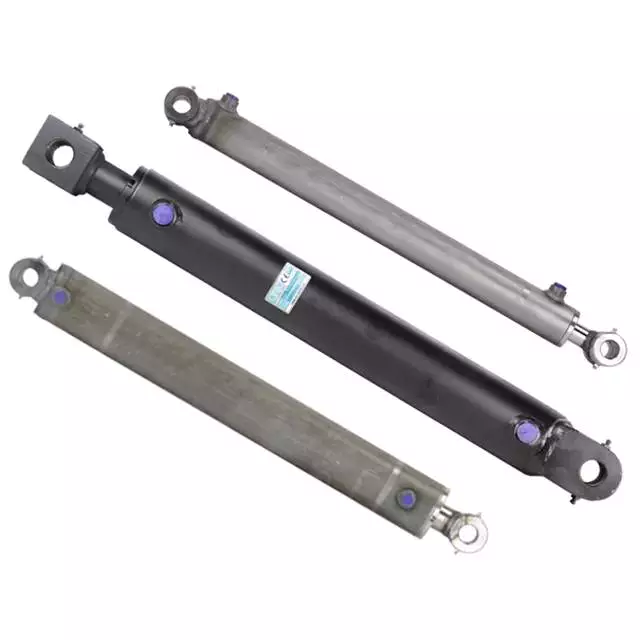
What considerations are important when selecting hydraulic cylinders for mobile equipment?
To select hydraulic cylinders for mobile equipment, several important considerations need to be taken into account. Here are the key factors to consider:
- Load Capacity: Determine the maximum load or force that the hydraulic cylinder will need to support. This includes both the static load and any dynamic or shock loads that may be encountered during operation.
- Stroke Length: Consider the required stroke length, which is the distance the hydraulic cylinder can extend and retract. Ensure that the stroke length is sufficient for the specific application and range of motion needed.
- Operating Pressure: Determine the maximum operating pressure required for the hydraulic system. This will depend on the load and the specific application. Select a hydraulic cylinder with a pressure rating that exceeds the maximum operating pressure to ensure safety and durability.
- Mounting Style: Consider the available space and the mounting requirements of the mobile equipment. Hydraulic cylinders come in various mounting styles, such as flange, trunnion, clevis, and pivot, among others. Choose a mounting style that is compatible with the equipment and provides the necessary support and stability.
- Size and Weight: Take into account the physical dimensions and weight of the hydraulic cylinder. Ensure that it can fit within the available space and that the equipment can support its weight without compromising performance or safety.
- Speed and Precision: Evaluate the required speed and precision of the hydraulic cylinder’s movement. Different cylinder designs and configurations can affect the speed and accuracy of motion. Consider factors such as cylinder bore size, rod diameter, and the presence of cushioning or dampening features.
- Environmental Factors: Assess the operating environment of the mobile equipment. Consider factors such as temperature extremes, exposure to moisture, dust, and chemicals. Select hydraulic cylinders with appropriate seals and coatings that can withstand the environmental conditions and prevent corrosion or damage.
- Reliability and Maintenance: Consider the reliability and maintenance requirements of the hydraulic cylinders. Look for reputable manufacturers that provide high-quality products with a proven track record. Evaluate factors such as expected service life, availability of spare parts, and ease of maintenance.
- Cost: Finally, consider the cost of the hydraulic cylinders, including the initial purchase price, installation costs, and long-term maintenance expenses. While it is essential to find a cost-effective solution, prioritize quality and performance to ensure safe and efficient operation.
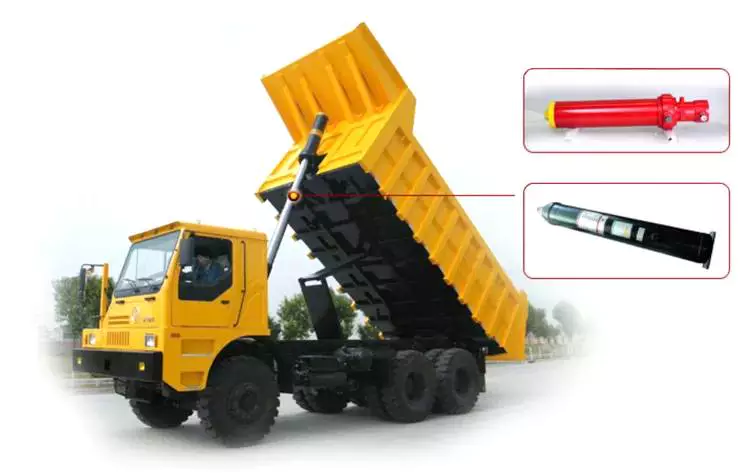
Can hydraulic cylinders be customized for specific equipment or attachment needs?
Yes, hydraulic cylinders can be customized to meet specific equipment or attachment needs. Hydraulic cylinder manufacturers often offer customization options to ensure that the cylinders meet the unique requirements of different applications. Here’s a detailed explanation of how hydraulic cylinders can be customized for specific equipment or attachment needs:
1. Size and Configuration:
– Hydraulic cylinders can be customized in terms of size and configuration to fit specific equipment or attachment requirements. The dimensions of the cylinder, such as bore size, rod diameter, and stroke length, can be tailored to match the available space and the desired force or movement requirements. Additionally, the mounting style and orientation of the cylinder can be customized to ensure proper integration with the equipment or attachment.
2. Operating Pressure and Force:
– The operating pressure and force capabilities of hydraulic cylinders can be customized to suit the specific equipment or attachment needs. Different applications may require different force outputs, and hydraulic cylinder manufacturers can design and manufacture cylinders with the appropriate piston area and pressure ratings to meet those requirements. Customization in this aspect ensures optimal performance and efficiency for the particular equipment or attachment.
3. Stroke Length:
– The stroke length of a hydraulic cylinder refers to the distance the piston can travel from fully retracted to fully extended. Customization of the stroke length allows the hydraulic cylinder to accommodate the specific range of motion required by the equipment or attachment. By adjusting the stroke length, the cylinder can be tailored to deliver the necessary extension and retraction capabilities for efficient operation.
4. Mounting Options:
– Hydraulic cylinders can be customized with various mounting options to facilitate easy installation and integration with specific equipment or attachments. Different applications may require different mounting styles, such as flange mounts, trunnion mounts, or clevis mounts. Manufacturers can provide customized mounting options to ensure proper alignment, stability, and functionality when the cylinder is connected to the equipment or attachment.
5. Sealing and Material Options:
– The sealing system of a hydraulic cylinder is crucial for preventing fluid leakage and maintaining the cylinder’s integrity. Hydraulic cylinder manufacturers offer customization options for sealing materials, such as different types of seals and seal configurations, to suit specific equipment or attachment needs. Additionally, customization of cylinder materials, such as selecting corrosion-resistant materials or specialized coatings, can enhance the cylinder’s durability and performance in specific operating environments.
6. Integration with Control Systems:
– In certain applications, hydraulic cylinders may need to be integrated with sophisticated control systems or automation technologies. Customization can involve incorporating sensors, position feedback devices, or other control elements into the hydraulic cylinder design to enable seamless integration with the overall equipment or attachment control system. This customization ensures precise control, monitoring, and synchronization of the hydraulic cylinder’s movements within the specific application.
7. Specialized Features or Accessories:
– Hydraulic cylinder customization can also involve incorporating specialized features or accessories to meet unique equipment or attachment needs. This may include the integration of safety features, such as pressure relief valves or load-holding valves, or the addition of specific ports or fittings for auxiliary functions or attachments. Customization allows hydraulic cylinders to be tailored to the specific requirements and functionalities of the equipment or attachment.
By offering customization options, hydraulic cylinder manufacturers can provide solutions that precisely match the needs of different equipment or attachment applications. Customized hydraulic cylinders ensure optimal performance, efficiency, and integration, enhancing the overall functionality and productivity of the equipment or attachment. It is important to work closely with experienced manufacturers or hydraulic system specialists to determine the specific customization requirements and ensure the successful implementation of customized hydraulic cylinders.


editor by CX 2023-11-20