The Critical Vertical Link in Sinter Production
In the relentless ecosystem of a sintering plant, the skip car (or charging car) acts as the primary artery, feeding the voracious appetite of the sintering machine with iron ore fines, coke breeze, and flux. The hydraulic lift cylinder responsible for elevating this payload operates at the intersection of extreme mechanical stress and environmental hostility. As an application engineer who has dedicated nearly two decades to metallurgical fluid power systems, I have analyzed the root causes of downtime in plants ranging from Hebei to Hamburg. The failure of a skip car cylinder is never just a component failure; it is a systemic arrest of the entire production line.
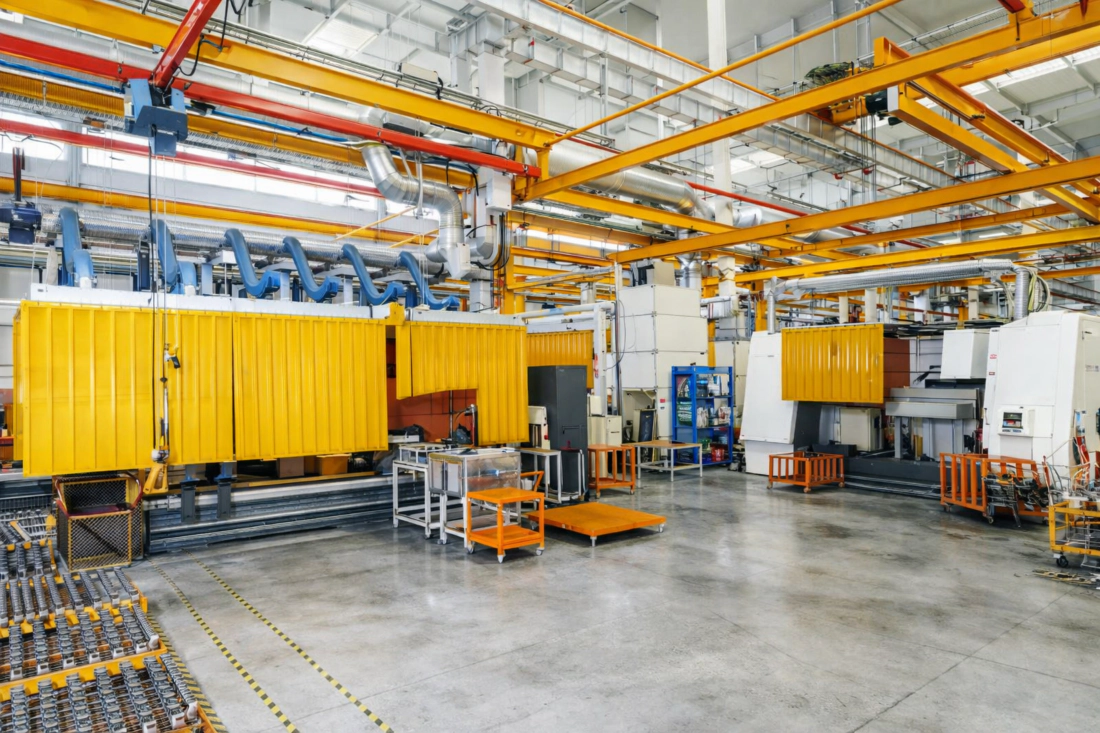
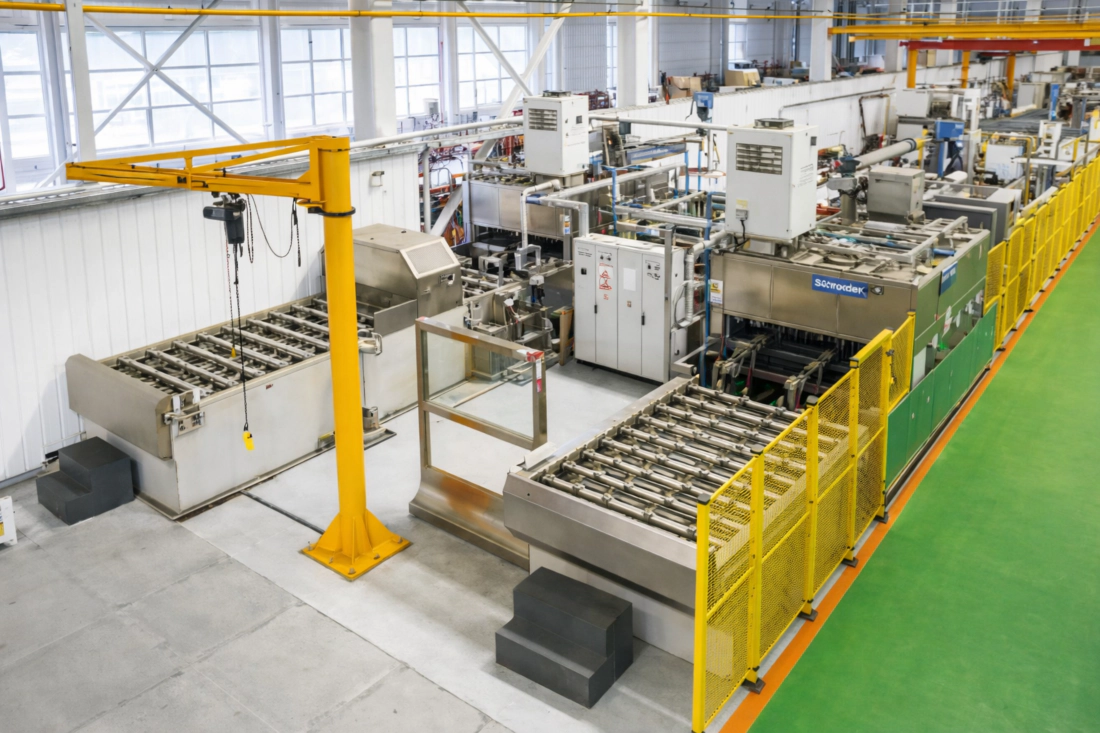
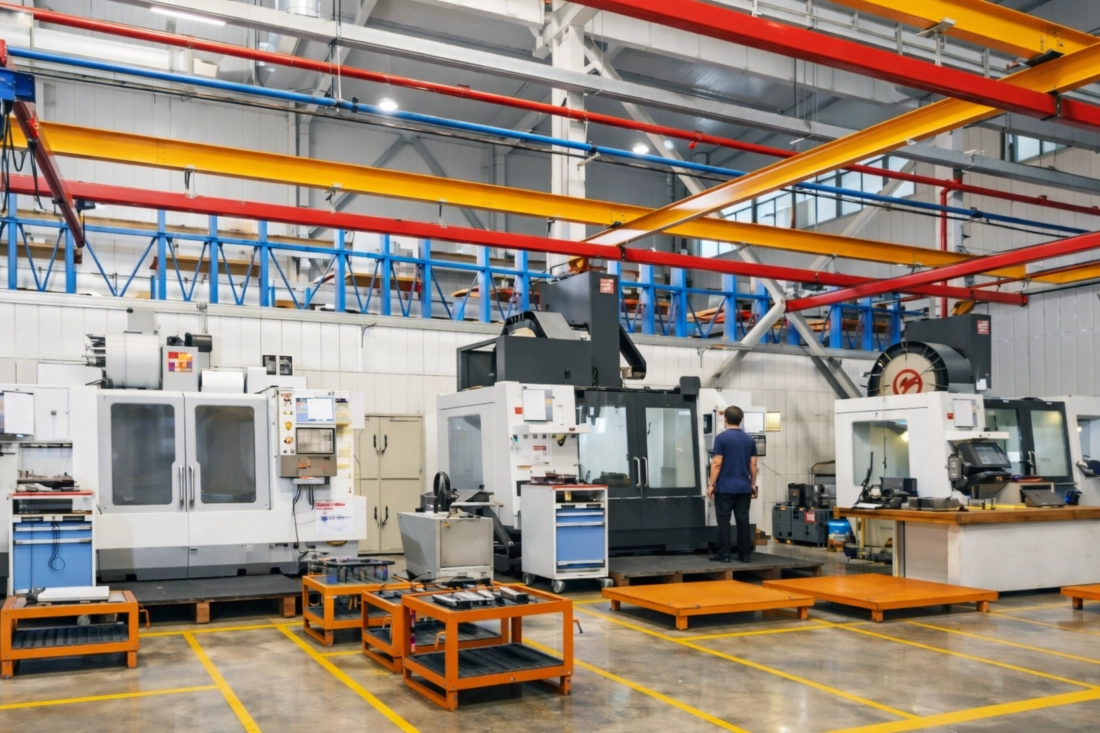
The standard industrial cylinder is ill-equipped for this duty. The combination of radiant heat from the ignition hood, abrasive sinter dust that acts like a grinding compound, and the high-cycle fatigue of heavy lifting demands a specialized architectural approach. At Ever Power, we have moved beyond standard carbon steel constructions. We utilize Q345D low-alloy high-strength steel, specifically welded to withstand the shear forces and thermal expansion inherent in this application. Transparency is the bedrock of our engineering philosophy. We invite you to step virtually onto our manufacturing floor to witness the precision honing and robotic welding technologies that set our products apart.
Verify our capabilities. Inspect our facility from anywhere in the world.
Analyzing the Failure Modes: Why Standard Cylinders Drift
The most insidious enemy of the skip car lift cylinder is internal leakage. In many sintering plants, operators report that the skip car begins to “drift” or sink slowly when holding a heavy load at the discharge position. This is rarely a sudden failure but a gradual degradation caused by the “Thermo-Abrasive” effect. As the cylinder extends, the piston rod is exposed to clouds of fine, conductive sinter dust. Simultaneously, the ambient temperature near the sintering bed often exceeds 80°C, with radiant spikes much higher.
Standard polyurethane seals harden and lose elasticity under this thermal load. When the rod retracts, microscopic dust particles that have adhered to the oil film are dragged past the hardened wiper seal. These particles embed themselves in the guide bands and piston seals, scoring the cylinder bore. Once the bore is scored, oil bypasses the piston, leading to pressure loss and load drift. Our design philosophy centers on breaking this cycle through material science—specifically utilizing Q345D for structural rigidity and high-temperature fluorocarbon sealing systems.
Technological Architecture of the Ever Power Skip Car Cylinder
Q345D Structural Metallurgy
We forego standard mild steel in favor of Q345D low-alloy high-strength steel for the cylinder barrel and trunnion mounts. Q345D offers superior impact toughness, particularly critical during the “dumping” shock load of the skip car. This material ensures the cylinder maintains bore circularity even under high thermal stress, preventing seal bypass gaps.
High-Temp Viton Sealing
Recognizing the heat profile of sintering plants, we equip these cylinders with FKM (Viton) seal kits reinforced with PTFE backup rings. Unlike NBR, which degrades at 100°C, our sealing architecture remains pliable and effective up to 200°C, ensuring consistent pressure holding throughout the summer months or during intensive production campaigns.
Micro-Crack Free Chrome
The piston rod is the most vulnerable component. We utilize a multi-layer plating process, finishing with a hard chrome layer exceeding 50 microns. Crucially, we control the electroplating bath to ensure a micro-crack free structure, preventing corrosive flue gases from penetrating to the base metal and causing sub-surface rust that lifts the plating.
Global Impact: Client Success Story
Technical Performance Matrix
| Parameter | Standard Specification | Ever Power “Sinter-Spec” |
|---|---|---|
| Structure Material | ST52 / 1045 Carbon Steel | Q345D High-Strength Low-Alloy |
| Cylinder Type | Tie-Rod or Welded | Heavy Duty Welded Construction |
| Rod Surface | Standard Chrome (20μm) | Multi-Layer Chrome (>50μm), HV850+ |
| Sealing System | NBR / Polyurethane | Viton (FKM) + PTFE Backup Rings |
| Max Temperature | +80°C | +200°C (Radiant Heat) |
| Dust Protection | Standard Wiper | Double Lip Wiper + Metallic Scraper |
Beyond the Skip Car: Metallurgical Versatility
The technology we deploy in our skip car cylinders—high thermal resistance and robust dust exclusion—is applicable across the entire “Hot Side” of the steel plant. Our Q345D cylinders are currently delivering reliable performance in:
Precise control of airflow and exhaust gases, operating in high-temperature flue gas environments.
Maintaining screen tension despite the thermal expansion of the screening deck, ensuring proper material separation.
Handling the abrasive wear of cooled sinter while maintaining a tight seal to control cooling air profiles.
Precision Manufacturing in China’s Industrial Core
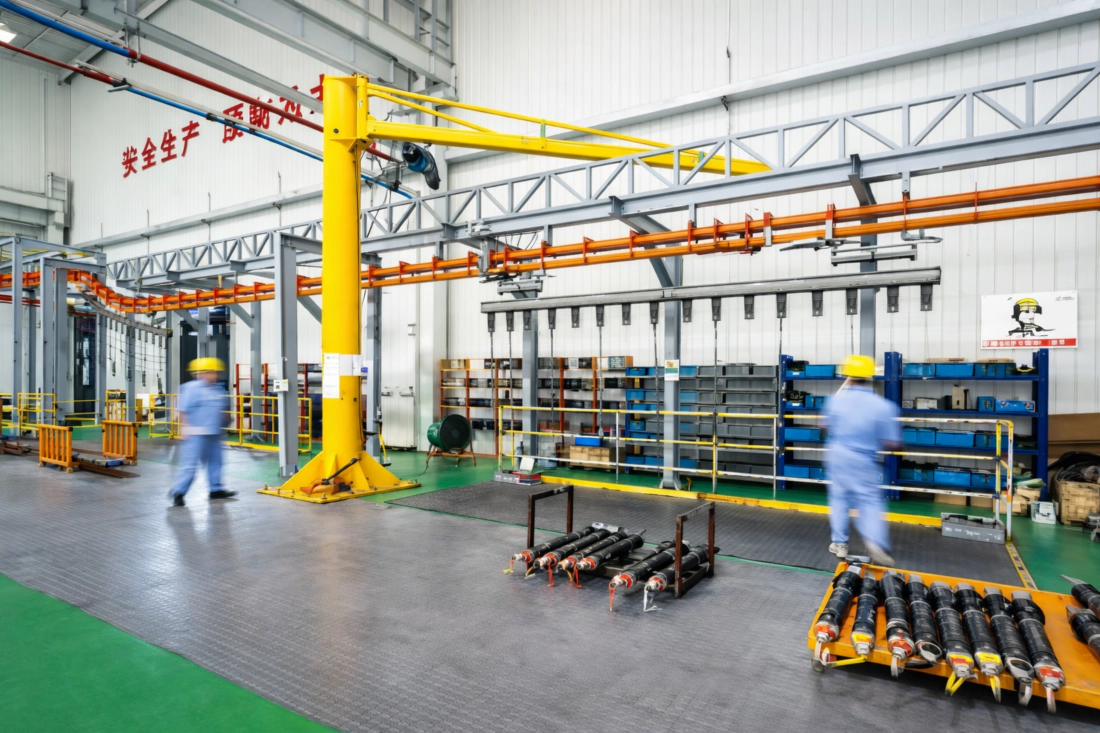
Ever Power is situated in a premier heavy industry zone in China, granting us direct access to high-grade alloy steel mills and advanced logistics networks. We challenge the narrative of “low-cost” manufacturing by shifting the focus to “high-value” engineering. Our facility operates German CNC honing machines and Japanese automated welding robots to ensure every cylinder meets strict ISO cleanliness and tolerance standards.
We are experts in global logistics. Whether your plant is in the Ural Mountains or the Australian Outback, we handle DDP (Delivered Duty Paid) shipping, managing all customs and duties so the parts arrive at your warehouse hassle-free.

Expert Dialogue: Common Questions on Sintering Hydraulics
Why is Q345D steel preferred over ST52 for sintering cylinders?
Q345D offers better impact toughness at varying temperatures compared to standard ST52. This is crucial for skip car cylinders that experience shock loads during dumping, ensuring the cylinder welds do not crack under fatigue.
How do you prevent seal failure in high-heat sintering zones?
We replace standard polyurethane seals with Fluorocarbon (Viton/FKM) seals reinforced with PTFE. These materials can withstand continuous temperatures up to 200°C without hardening or losing their sealing capability, effectively handling the radiant heat from the ignition hood.
Can Ever Power manufacture a direct replacement for my existing OEM cylinder?
Yes, absolutely. We specialize in aftermarket manufacturing. If you provide the OEM part number or a technical drawing, we can build a cylinder that is dimensionally identical but upgraded with our heavy-duty materials and sealing technologies.
What is the typical lead time for a custom skip car cylinder?
For custom designs, our standard production time is 4 to 5 weeks. However, we offer an expedited “breakdown service” where we can prioritize production to ship within 2-3 weeks to minimize your plant downtime.
How do I get a price quote for these hydraulic cylinders?
You can click the “Get a Quote” button on this page or contact us directly via email. Our engineering team will review your requirements and provide a detailed technical proposal and commercial offer within 24 hours.
Secure Your Production Line Today.
Reliability is a choice. Choose Ever Power.
© 2026 Ever Power Hydraulic Cylinder Manufacturer. Engineered for Extremes.