Smooth Roads, Hot Asphalt: The Screed Lift Cylinder That Eliminates the “Ripple Effect”
If you have ever stood behind a paver on a fresh highway project—maybe on the A2 near Utrecht or a provincial road in Friesland—you know that smell. The 160°C bitumen, the diesel fumes, and the intense heat radiating off the screed. It’s a harsh environment. But what really keeps a paving superintendent awake at night isn’t the heat; it’s the “ripple.” You know what I’m talking about—those rhythmic waves in the mat that you can feel when you drive over them later.
In my 18 years of digging into hydraulic failures on road construction equipment, I’ve found that most operators blame the leveling system electronics first. But often, they are looking in the wrong place. The culprit is frequently the Screed Lift/Leveling Cylinder. This cylinder has to “float.” It needs to hold the weight of the screed but also react instantly to the tow point adjustments. If the internal friction is too high (stick-slip) or if there is internal leakage (drift), the screed drops a millimeter, then jumps back up. That creates the wave.
We realized years ago that standard agricultural-grade cylinders just melt in this environment. The dust from the asphalt mix chews up the rod, and the heat cooks the seals hard as rock. That is why we moved to a 27SiMn welded construction with specialized high-temp low-friction seals. It’s about finesse, not just brute force.
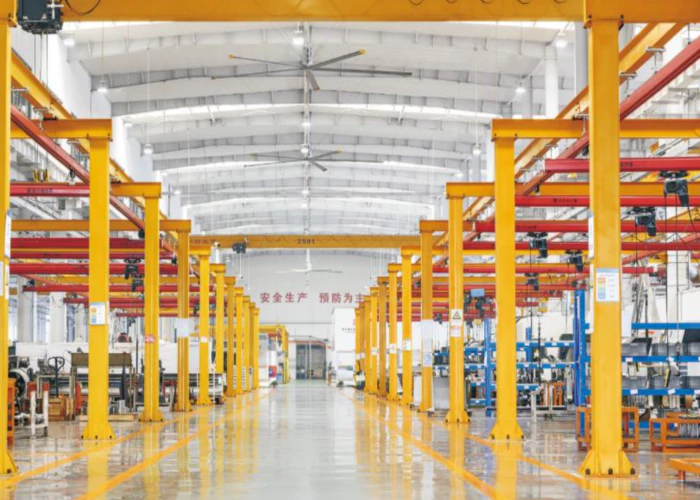
But hey, I can talk about seal durometers all day. Why don’t you see exactly how we machine these precision components? We believe in an open-door policy.
🏭 Step Inside Our Production Floor
Check out our chrome plating lines and seal assembly stations right now. No flight ticket required.
Why the “Black Top” Environment Kills Standard Cylinders
Let’s get real about the operating conditions. An asphalt paver screed is essentially a giant ironing board that vibrates. The cylinders controlling the thickness (levelling cylinders) and the lift are sitting right next to the augers and the heating elements. We’ve seen ambient temperatures near the cylinder barrel reach 120°C easily.
Standard Polyurethane seals start to soften and lose their “memory” at around 80-90°C. Once they get soft, they extrude. Once they extrude, you lose pressure-holding capability. This leads to internal leakage. On a paver, internal leakage means the screed slowly sinks when you stop the machine, waiting for the next truck. When you start again, you have a dip in the road. It’s a nightmare for the finishing crew.
The second enemy is the dust. Asphalt mix is abrasive. It’s full of sand and stone dust. If the rod wiper isn’t aggressive enough, that grit gets pulled into the cylinder head. It scores the rod and acts like sandpaper on the pressure seals. The trick is using double-lip wipers made from high-grade materials that can handle the heat while keeping the grit out. And using 27SiMn steel for the barrel gives us a harder, more rigid shell that resists the vibration-induced ovalization better than standard carbon steel.

Technical Specs: Engineered for Flatness
We don’t just guess at these specs. We engineer them based on the specific “Stick-Slip” curve required for automated leveling systems like MOBA or Topcon.
| Parameter | Our Paver Series Standard | Benefit for the Road Builder |
|---|---|---|
| Structure | Double-Acting, Welded Piston | Robust design withstands the constant high-frequency vibration of the screed. |
| Material | 27SiMn High Tensile Steel | Lighter than ST52, reducing the overall weight hanging on the screed arms. |
| Sealing System | Low-Friction PTFE/FKM (Viton) | Handles temps up to 200°C; eliminates stick-slip for smooth leveling adjustments. |
| Rod Coating | Hard Chrome (>30μm) + Polishing | Resistant to bitumen adhesion; easy to clean. |
| Internal Leakage | Near Zero (Class A) | Prevents screed “drift” or sinking during pauses in paving. |
| Wiper | Double-Lip Metal Encased | Aggressively scrapes off dried bitumen and asphalt grit. |
🇳🇱 Case Study: The Silent Ripple in Rotterdam
The Client: “Wegenbouw Rijnmond B.V.” (Name changed for privacy), a medium-sized paving contractor specializing in municipal road repairs in South Holland.
The Challenge: They were using a classic Vögele paver that had started to produce inconsistent mat thickness. The electronic leveling sensors were working fine, but the hydraulic response was lagging. The screed would “jump” 2mm every time the system tried to correct a dip. This resulted in a road surface that failed the flatness test (IRI) required by the municipality. They were facing penalty clauses in their contract.
The Solution: We diagnosed the issue as “high static friction” in the original cylinders due to seal swelling from heat. We replaced the leveling cylinders with our Low-Friction High-Temp Series. We used a Teflon-bronze glide ring that does not swell in hot oil.
The Result: The “jumpiness” vanished. The hydraulic response became fluid. The next 5km stretch of asphalt they laid in the Europoort area passed the inspection with flying colors. The fleet manager, Bram, told us, “It feels like a new machine.”
Feedback from the Dutch Road Builders
★★★★★
“We used to change screed cylinder seals every winter maintenance. These Ever Power cylinders have done two full seasons now, and they are still dry. The heat resistance is real.”
— Dirk J., Workshop Chief, Eindhoven
★★★★★
“The drift problem we had on our Dynapac is gone. The screed stays exactly where we set it during the truck changeovers. Saves us a lot of hand-work.”
— Marco V., Paver Operator, Groningen
★★★★★
“Shipping to Rotterdam was smooth. We had a breakdown mid-season, and they got the custom parts to us in 10 days. That saved our project timeline.”
— Anouk S., Procurement, Rotterdam
More Than Just Pavers
The technology we put into these cylinders—Heat Resistance + Precision Control—isn’t just for asphalt pavers. It solves problems in several road construction machines we see daily in the Netherlands.

- Road Wideners: These machines often work on the shoulder of the road. The cylinders extending the blade face high side-loads and plenty of dust. Our 27SiMn bodies handle that stress effortlessly.
- Milling Machines (Cold Planers): The leveling cylinders here take a beating from vibration. We use reinforced guide rings to prevent the piston from slapping the barrel wall during deep cuts.
- Asphalt Compactors: Steering cylinders on rollers need to be responsive to prevent marking the mat. Our low-friction seals give the operator that “fingertip” control feeling.
Customization: We Re-Engineer for the Job
Let’s face it, paving is seasonal. When the weather is good in the Netherlands, you pave. You cannot afford to wait 8 weeks for a standard part that might fail again in the heat.
We specialize in rapid customization. If you have an older machine—maybe a trusty ABG or a Bitelli—and the parts are obsolete, we can manufacture a drop-in replacement. We just need the basic dimensions. But we don’t just copy the old design; we upgrade the seals to modern high-temp standards. We can also add integrated linear position sensors if you are upgrading to a 3D leveling system.
Strategic Product Analysis (SWOT)
We believe in being upfront about what our product offers. Here is the honest breakdown of our Screed Lift Cylinder line.
💪 Strengths
- Heat Resistance: Seals rated for 200°C prevent failure in hot asphalt zones.
- Precision: Low-friction design enables smoother mat leveling.
- Material: 27SiMn provides a superior strength-to-weight ratio.
🔻 Weaknesses
- Cost: High-temp seals and alloy steel cost more than standard “ag” cylinders.
- Maintenance: Requires clean hydraulic fluid; sensitive to contamination.
🚀 Opportunities
- Infrastructure Push: Ongoing road upgrades in Europe demand high-precision machinery.
- Automation: 3D paving systems require high-response cylinders.
⚠️ Threats
- Electrification: Electric linear actuators are entering the market (though slowly for heavy loads).
- Supply Chain: Fluctuations in specialized seal availability.
Paver Talk: Common Questions Answered
Why does my paver screed drift down when I stop?
Screed drift is usually caused by internal leakage in the lift cylinders. When the seals get damaged by heat or wear, oil slips past the piston, allowing gravity to pull the screed down. Replacing the cylinder with high-temp, zero-leak seals usually fixes this immediately.
How quickly can you ship replacement cylinders to the Netherlands?
We ship to the Netherlands regularly. Logistics to Rotterdam or Amsterdam is streamlined. For urgent needs during the paving season, we can arrange air freight to get parts to your workshop in days, not weeks.
Are your cylinders compatible with MOBA leveling systems?
Yes. Our low-friction cylinder design is specifically engineered to work well with automated leveling systems like MOBA or Topcon. The smooth response ensures the sensors can control the screed height without the “dead band” or lag that causes ripples.
What is the best seal material for asphalt pavers?
For the high-heat environment near the screed, we recommend FKM (Viton) or specialized PTFE composites. Standard Polyurethane often gets too soft and fails prematurely when exposed to 150°C+ temperatures for long shifts.
Do you offer a warranty on these high-heat cylinders?
Yes, we provide a 12-month warranty. We are confident in our materials and testing process, so we stand behind the durability of our products even in harsh paving conditions.
Stop the Ripple, Start the Smooth
Upgrade your paver with cylinders that can take the heat. Dutch shipping available now.
Manufacturer Direct • High Temp Specs • Fast Delivery