Double-Acting Hydraulic Braking Cylinders for Offshore Platform Turntable Systems
Engineering absolute static holding power: A technical deep dive into alloy steel locking actuators with integrated leak-free valve technology for high-vibration marine environments.
Nikkel-verchroomd
Zero-Drift Holding
Counteracting the Forces of the Open Sea
In the dynamic environment of an offshore platform—whether it is an FPSO, a drilling rig, or a heavy-lift crane vessel—the turntable system acts as the rotational heart of operations. However, when that rotation needs to stop, the engineering challenge shifts from motion control to absolute static holding. Over my eighteen years specializing in marine actuation, I have observed that standard industrial cylinders frequently fail in this specific “brake and lock” application. The culprit is rarely structural burst pressure; it is micro-movement. The constant rhythmic loading from wind gusts and wave harmonics creates a “dithering” effect that induces internal leakage across the piston seal, leading to dangerous turntable drift.
To secure these massive rotating loads, we utilize a specialized Double-Acting Braking Cylinder. Unlike standard actuators, these units are engineered with a focus on “Zero-Leak” containment. We employ high-tensile Alloy Steel (42CrMo) for the barrel and rod construction to eliminate elastic deformation (ballooning) under shock loads. Furthermore, the integration of flange-mounted Pilot Operated Check Valves (POCV) is not an option; it is a necessity to hydraulically lock the fluid volume, ensuring the turntable remains frozen in position regardless of external torque loads.
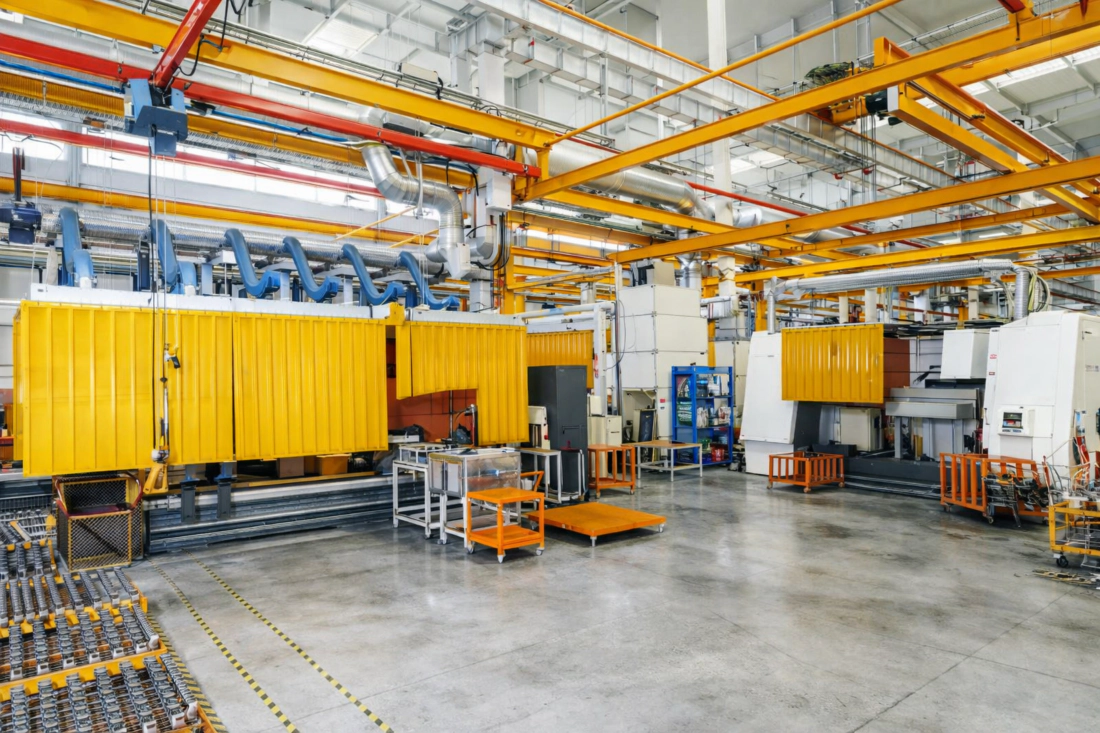
At Ever Power, we have refined the manufacturing process to deliver this level of precision. I invite you to step directly onto our production floor and witness the testing of these locking systems via our digital twin technology.
Immersive VR Factory Tour
Explore our dedicated marine cylinder assembly line and pressure testing facility in 360° detail.
The Anatomy of a Marine Locking Actuator
Combating Internal Leakage
The primary failure mode for turntable brakes is “creep”—where the cylinder slowly retracts or extends under load due to fluid bypassing the piston seal. In high-vibration environments, standard PTFE seals can lose their energization. We utilize a proprietary “Matrix Sealing” configuration involving glass-filled PTFE slide rings backed by heavy-duty elastomeric energizers. This maintains seal contact pressure even during the micro-vibrations caused by wave impact.
Alloy Steel vs. Vibration
Offshore turntables are subject to multi-axial fatigue loading. Standard construction steel (like Q345B) has a finite fatigue life that can be exceeded in rough seas. We specify 42CrMo (AISI 4140) for the cylinder barrel and rod. The superior yield strength and toughness of this alloy steel prevent the development of fatigue cracks at the weld transitions, ensuring the structural integrity of the braking system for the vessel’s 20-year operational life.
Nikkel-Chroom Defensie
Corrosion on a braking cylinder rod is catastrophic; a pitted rod will shred the gland seal, destroying the hydraulic lock. We do not rely on simple hard chrome. Instead, we implement a duplex barrier coating: a base layer of electroless nickel for chemical impermeability, followed by a hard chrome topcoat for wear resistance. This “Ni-Cr” system withstands over 1000 hours of neutral salt spray testing without red rust appearance.
Why Ever Power Cylinders Hold the Line
Integrated Load Holding Valves
Safety is engineered directly into the cylinder body. We machine ports to accept flange-mounted dual Pilot Operated Check Valves (POCV). By eliminating external piping between the valve and the cylinder, we remove potential leak points and ensure the brake remains engaged even in the event of a catastrophic hose burst.
Spherical Bearing Articulation
Offshore platforms flex. A rigid mount would transfer destructive side-loads to the cylinder rod. We equip our braking cylinders with maintenance-free, self-lubricating spherical bearings (GE Series) capable of accommodating the structural deflection and misalignment inherent in heavy seas.
Dubbelwerkende precisie
While the primary function is static holding, the cylinder must also actively engage and disengage the friction pads or locking pins. Our double-acting design ensures positive hydraulic force in both directions, preventing the brake from “dragging” during turntable rotation.
Technical Specifications: Turntable Brake Series
| Parameter | Standaardspecificatie | Ever Power Marine Spec |
|---|---|---|
| Cilindermateriaal | ST52 / Q345B | 42CrMo gelegeerd staal |
| Stangcoating | Hardchroom (20 μm) | Nickel-Chrome (Ni-Cr) or Ceramic |
| Interne lekkage | Standaardtolerantie | Zero-Leak (with POCV) |
| Afdichtingssysteem | Polyurethaan | Composite PTFE + NBR Energizer |
| Bedrijfsdruk | 210 Bar | 350 Bar (5000 PSI) |
| Ventielintegratie | External Manifold | Integrated Counterbalance/Check |
Critical Locking Applications
Our 42CrMo locking cylinders are the preferred choice for a variety of offshore station-keeping and handling systems:
- Pedestal Cranes: Actuating the mechanical slewing brake to prevent uncontrolled boom rotation during power loss.
- Pipe Handling Carousels: Locking the pipe spool in position on lay barges during transit or splicing operations.
- Drilling Rig Top Drives: Securing the torque tube orientation during high-torque drilling sequences.
- Mooring Winches: Band brake actuation cylinders for emergency release and hold functions.
China’s Premier Hub for Marine Hydraulics
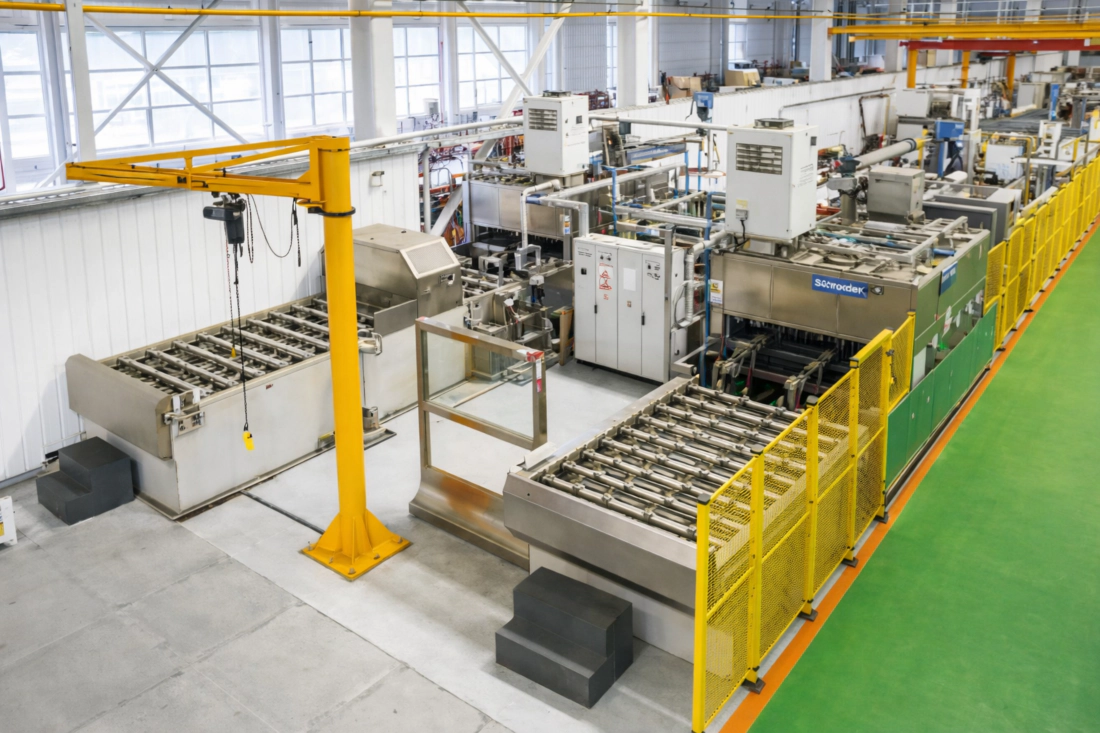
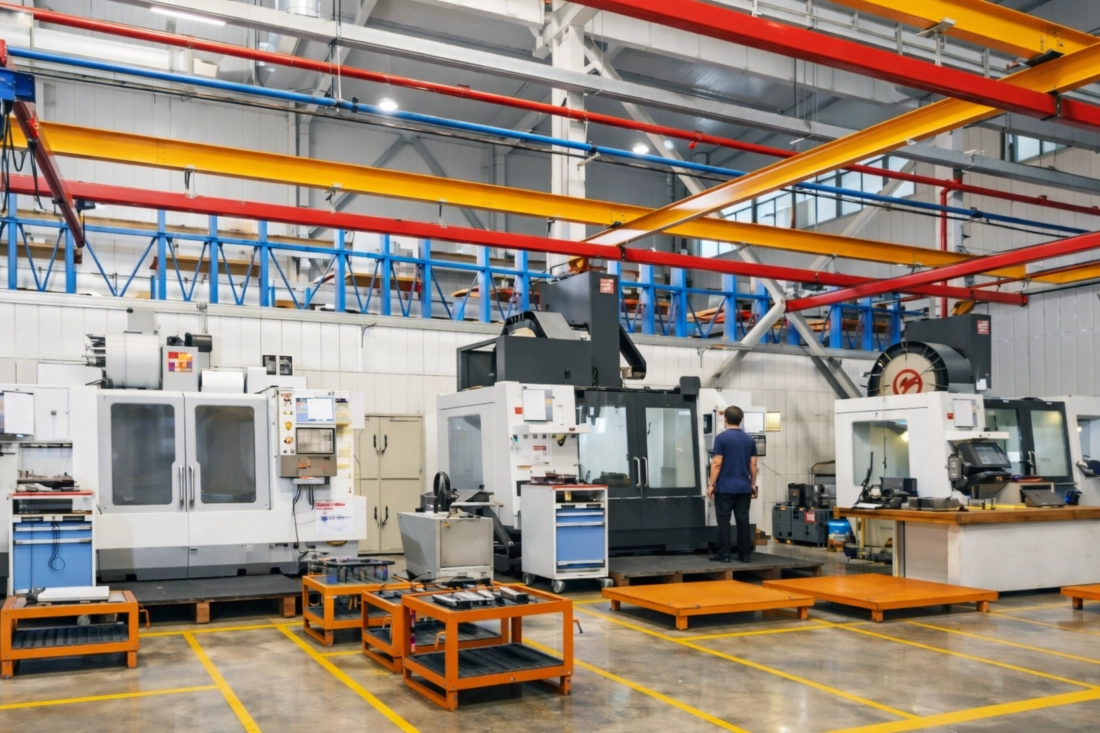
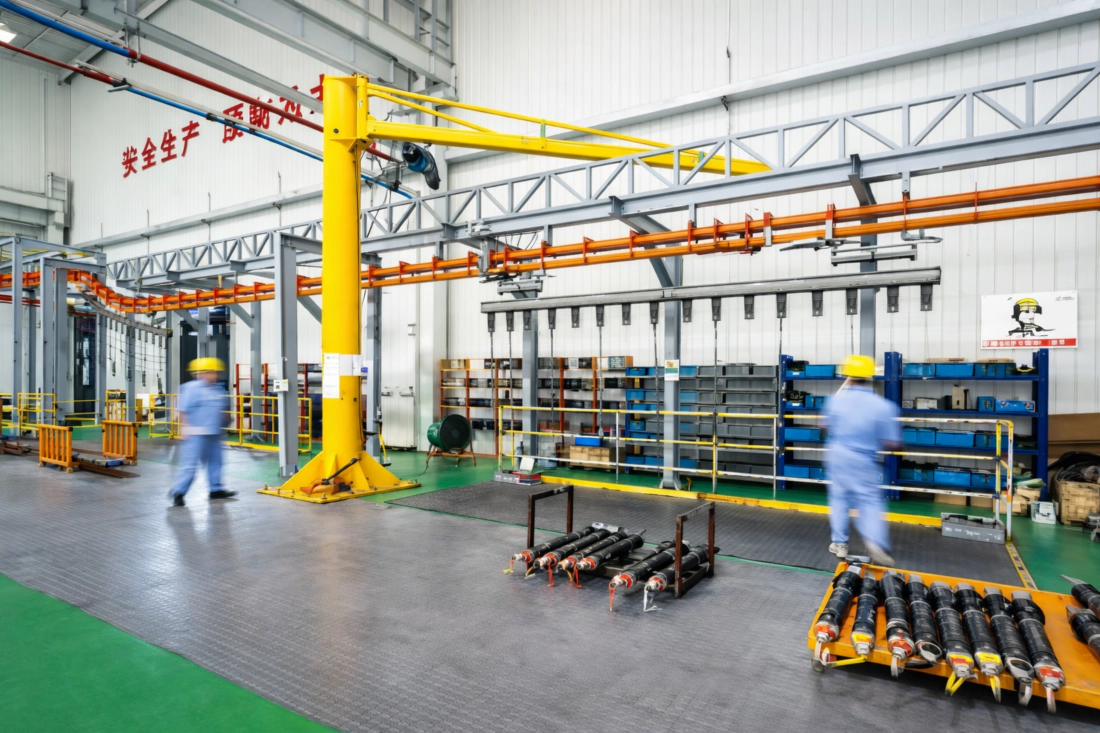
Located in the advanced manufacturing center of Hangzhou, Ever Power combines robust industrial capability with global marine standards. By vertically integrating our supply chain—from 42CrMo forging to precision valve integration—we deliver heavy-duty braking cylinders that meet DNV and ABS requirements at a competitive cost. Our Hangzhou facility is optimized for the rapid production of high-mix, low-volume custom actuators specifically for the offshore sector.

Veelgestelde vragen
What is the cost of a custom turntable braking cylinder?
The price depends on the bore size, stroke, and valve configuration. Typically, our direct-from-factory pricing in China is 25-30% lower than European suppliers for the same 42CrMo alloy specification. Neem contact met ons op voor een offerte..
How do you prevent internal leakage in these cylinders?
We use a combination of high-performance composite seals and integrated Pilot Operated Check Valves (POCV). This creates a hydraulic lock that prevents fluid from bypassing the piston, ensuring zero drift even under load.
What is the lead time for a custom marine cylinder order?
Our standard lead time for custom marine actuators is 45-60 days. This includes material procurement, precision machining, Nickel-Chrome plating, and rigorous pressure testing.
Can you provide DNV or ABS certification for braking cylinders?
Yes, we regularly work with classification societies like DNV, ABS, and CCS. We can provide witnessed testing, material traceability reports (3.1/3.2), and design verification as needed.
How does your corrosion warranty compare to others?
Our Nickel-Chrome plating process offers superior protection compared to standard hard chrome. We offer specific warranties against rod pitting depending on the maintenance environment, often exceeding industry standards.
Ever Power Hydraulic Solutions | Global Offshore Partner