The Foundation of Safety: High-Strength Outrigger Cylinders for Aerial Work Platforms
You know, in the 18 years I’ve been breathing hydraulic fluid fumes and staring at blueprints, I’ve come to a pretty firm conclusion: everyone looks at the boom, but nobody looks at the legs. When you see a massive 100-foot aerial work platform (AWP) extended to the sky, the glory goes to the telescoping arm. But if the dış destek hidrolik silindiri at the base fails? Game over. We’ve seen it happen too many times—a chassis twists, a trunnion snaps, and suddenly you have a machine worth half a million dollars lying on its side (or worse). Most printers and catalog designers don’t realize that the outrigger cylinder is actually the most abused component on the truck. It takes the full weight of the machine, plus the dynamic load of the wind, plus the ground impact when operators slam the legs down on uneven concrete.
In our experience, the standard “off-the-shelf” cylinders using cast iron mounts and standard carbon steel rods just don’t cut it for modern, heavy-duty applications. The trick is understanding “side-loading.” No ground is perfectly flat. When a stabilizer leg hits the dirt at a 2-degree angle, that force tries to snap the cylinder in half. That is why we stopped using cast components years ago. We moved strictly to forged trunnions Ve 42CrMo steel rods. It’s a bit more expensive to manufacture, sure, but I’ve never had a client call me screaming because a forged piece cracked. A cast piece? That’s a different story.
👀 Step Inside Our Forge & Machine Shop
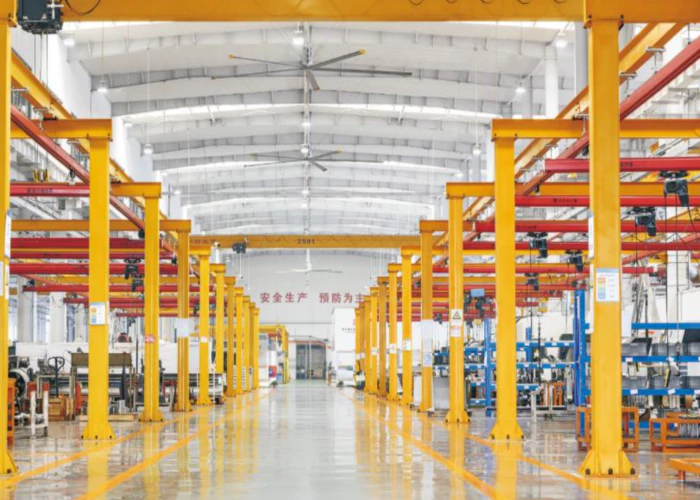
Words are cheap, right? I want you to see exactly how we weld these trunnions and test the pressure limits. We’ve built a digital twin of our factory.
Walk the floor with us here: VR Fabrikamızı ziyaret etmeye hoş geldiniz.
The “Hidden Killer”: Trunnion Breakage
Let’s get into the weeds a bit. The most common failure mode we see in stabilizer cylinders isn’t the seal leaking—it’s the trunnion (the mounting ears) snapping off. In traditional designs, these trunnions are often welded directly onto the cylinder barrel or, worse, made of cast iron. Cast iron is brittle. When you are setting up an outrigger on rocky ground, the sudden shock load acts like a hammer blow. Cast iron shatters under that shock. We solved this by utilizing integral forged trunnion seats. Forging aligns the grain structure of the metal, making it incredibly tough. It might bend under extreme catastrophe, but it won’t snap. And that difference is what keeps the operator safe.
Then there is the rod material. Standard 1045 steel is fine for indoor forklifts. But for an outrigger cylinder that might be exposed to flying gravel, road salt, and accidental impacts? We specify 42CrMo (Chromium-Molybdenum) steel. It has a yield strength that is significantly higher than that of standard carbon steel. This rigidity is crucial because when the outrigger is fully extended, it acts like a long column. If the rod flexes too much (buckling), the seal geometry distorts, and you get internal leaks. With 42CrMo, the rod stays straight, the seals stay tight, and the truck stays level. It’s really that simple.

Technical Specs: Built for the Rough Stuff
Case Study: The Mining Town Miracle
I want to tell you about a project we did for a rental company in Western Australia—let’s call them “RedRock Machinery.” They service the mining industry, so their trucks are constantly operating on blasted rock and uneven slopes. They were burning through outrigger cylinders every 6 months. The failure was almost always the same: the mounting ear would sheer off when the operator tried to level the truck on a 5% grade. It was costing them a fortune in downtime and field service calls.
They sent us the broken parts. We saw immediately that the original OEM cylinders used cast trunnions with poor weld penetration. We redesigned the cylinder for them using a one-piece forged trunnion base and upgraded the rod to 42CrMo to handle the lateral stress. We also integrated a heavy-duty wiper seal to keep the mining dust (which is basically grinding powder) out of the system. We supplied 20 test units. Two years later? Not a single structural failure. The maintenance manager called me and said, “Mate, these things are bulletproof.” That’s the best feedback you can get.
What The Industry Says
“The forged trunnions are a game changer. We haven’t had a single cracked mount since switching our fleet to Ever-Power cylinders.”
— David L., Safety Inspector, Canada
“Stability is everything for us. The integrated lock valves work perfectly, no drift even when parked for 48 hours.”
— Ahmed K., Construction Manager, Dubai
“Great communication on the drawings. They spotted an interference issue with our chassis design before we even started production.”
— Sarah J., OEM Engineer, UK
Where These Cylinders Do Their Best Work
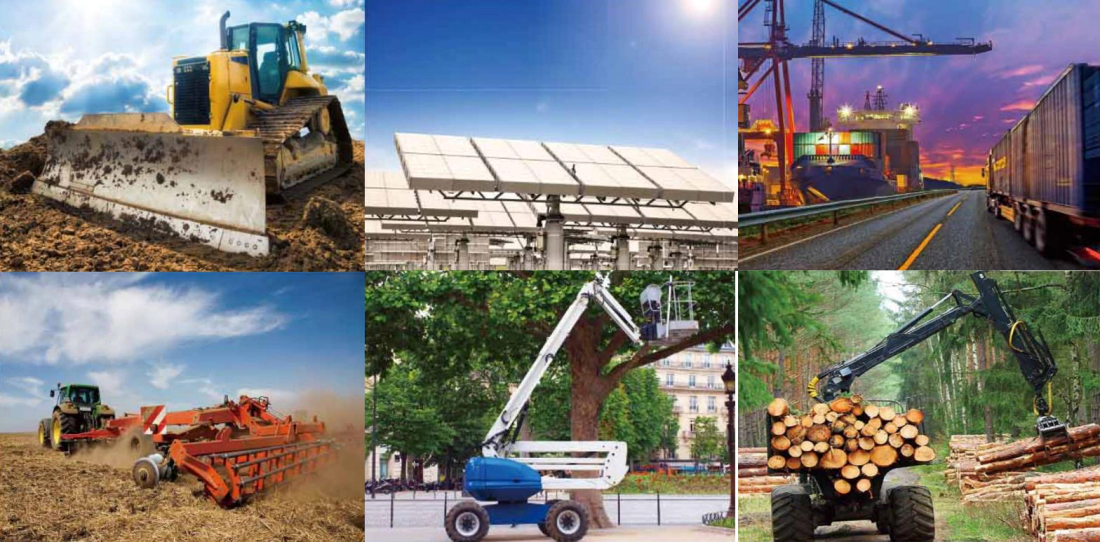
While we are talking about AWPs, the application for these high-strength stabilizer cylinders goes way beyond just your standard cherry picker. We customize them for:
- Beton Pompa Kamyonları: These generate massive vibration. The welds on standard cylinders will crack from fatigue. Our forged design absorbs that vibration.
- Mobile Cranes: The side loads here are immense when the boom swings. The 42CrMo rod rigidity is non-negotiable.
- Fire Engines (Ladder Trucks): Speed and reliability are life-and-death factors. We use high-flow ports to ensure the legs deploy instantly.
Trend Analysis: The Rise of Smart Stabilizers
What’s the next big thing? We are seeing a huge push for “intelligent leveling.” In the past, the operator had to eyeball the bubble level. Now, manufacturers want linear position sensors built directly into the outrigger cylinder. This sends data to the ECU to auto-level the truck in seconds. We are also seeing a demand for lighter-weight designs (using higher tensile steels) as electric AWPs need to conserve battery power. If your current supplier is still just selling you “dumb iron,” you might be falling behind the curve.
Strategic SWOT Analysis: Why Forge Ahead with Us?
Making a supplier change is a strategic move. Here is how we stack up against the generic market.
💪 Güçlü Yönler
- Proprietary forging technology for trunnions.
- 100% X-Ray testing on critical welds.
- In-house chrome plating (quality control).
📉 Weaknesses
- Forged parts have higher initial tooling costs for new shapes.
- Slightly heavier than hollow-cast alternatives (but much stronger).
🚀 Fırsatlar
- Safety regulations are getting stricter worldwide, favoring our high-spec designs.
- Retrofitting older fleets with safer cylinders.
⚠️ Tehditler
- Raw material price volatility (Molybdenum/Chrome).
- Low-cost competitors using inferior casting methods.
Factory Capabilities: We Don’t Just Assemble, We Engineer
We aren’t a trading company. We are a manufacturer. That means when you need a custom stroke length because your new chassis design is 50mm shorter, we just change the program on the CNC lathe. We don’t have to call a supplier and ask permission. We can integrate specialized valve blocks (Sun or HydraForce cartridges) directly into the cylinder cap to save you piping headaches. We pressure test every single outrigger cylinder to 1.5x working pressure. No random sampling. Every single one.
Sıkça Sorulan Sorular (SSS)
Why do my aerial lift outrigger cylinders keep drifting down overnight?
What is the price difference between cast iron and forged trunnion mounts for outriggers?
How long does it take to manufacture custom outrigger cylinders for a project in the United States?
Can you retrofit heavy-duty outrigger cylinders onto an older model bucket truck?
What maintenance is required for chrome-plated rods operating in muddy construction sites?
Is Your Fleet Resting on Weak Legs?
Don’t wait for a trunnion to snap. Upgrade to forged safety today.