The Heart of the Pave: Why Precision Screed Extension Cylinders Matter for Dutch Roads
You know that sinking feeling when you are laying a fresh mat of asphalt on a chilly morning near Utrecht, and you see the edge of the screed starting to creep? It’s not the operator’s fault; 90% of the time, it’s the hydraulic cylinder giving up the ghost against the immense resistance of the mix. In my 18+ years of crawling under pavers—from the massive highway-class machines to the compact units used for bike paths—I’ve seen more “good enough” cylinders fail than I care to count. The reality is, a paver isn’t just a heavy vehicle; it’s a factory on wheels, and the hydraulic cylinders are the muscles keeping that factory running.
Most maintenance managers don’t realize that the heat generated by the asphalt (often exceeding 160°C) combined with the high-frequency vibration of the tamper bars creates a torture chamber for hydraulic seals. Standard agricultural-grade cylinders simply cook. The seals harden, the internal bypass increases, and suddenly your screed extension is drifting in, ruining your joint match. We’ve learned—sometimes the hard way—that for the Dutch market, where precision and surface finish are practically a religion, you need a cylinder that is purpose-built to handle both the thermal shock and the physical abuse.
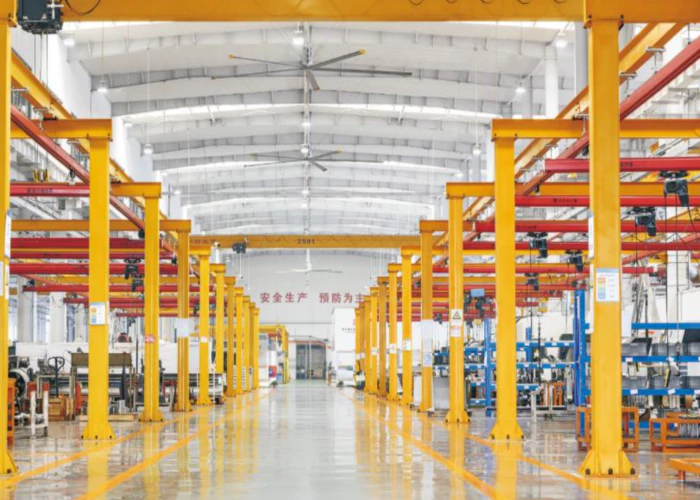
Before we dive into the metallurgy and the sealing tech (the fun stuff), I want to invite you to see exactly where we engineer these components. We believe in total transparency.
The trick is balancing rigidity with heat tolerance. When we design a çift etkili piston silindiri for a screed extension or a hopper wing, we aren’t just looking at the push force. We are looking at “holding” capability. If you are paving a variable-width lane—common in the tight urban centers of Amsterdam or Rotterdam—that cylinder has to lock in position and stay there, regardless of the drag from tons of asphalt. We use specialized high-temperature guide rings and a rod coating that resists the sticky bitumen residue that inevitably coats everything.
The Engineering Fight: Vibration vs. Chrome
Let’s talk about the rod surface. On a paver, the cylinders are often exposed to flying aggregate, dust, and corrosive fumes. Standard chrome plating often develops micro-cracks under the high-frequency vibration of the screed. Once that happens, moisture (and we get plenty of that in the Netherlands) penetrates the steel substrate. The result? Pitting. And pitting shreds seals.
We’ve moved towards a hard-chrome plating over a nickel base for our premium paver cylinders. The nickel acts as a sealant against corrosion, while the chrome provides the hardness to resist scratching from asphalt grit. Inside the barrel, we use high-grade alloy steel, often ST52 or 27SiMn, honed to a mirror finish. This reduces friction, which in turn reduces heat build-up—it’s a virtuous cycle.

Strategic Analysis: The Paver Cylinder Landscape
We don’t just sell parts; we analyze how they fit into your business model. Downtime on a paving train costs thousands of Euros per hour. Here is a SWOT analysis of upgrading to our specialized heavy-duty paver cylinders:
Güçlü Yönler
- Isıya Dayanıklılık: Viton/FKM seals rated for 200°C+, preventing “cooked” leaks.
- Zero Drift: Tight tolerance machining ensures the screed width holds firm.
- Bitumen Defense: Specialized wiper seals prevent asphalt build-up in the gland.
Zayıflıklar
- Başlangıç Maliyeti: High-temp seals and nickel-chrome plating cost 15-20% more than standard units.
- Ağırlık: Robust barrel walls add slight weight (negligible for heavy pavers).
Fırsatlar
- Altyapı Patlaması: Increasing road maintenance projects in the Benelux region.
- Yenileme Pazarı: Upgrading older Vogele or Dynapac machines to modern reliability standards.
Tehditler
- Generic Parts: Low-quality “fits-all” cylinders that fail under thermal shock.
- Tedarik Zinciri: Fluctuations in raw nickel prices are affecting plating costs.
Case Study: Resurfacing the A12 near The Hague
Let me share a story about a mid-sized contractor, “Van Rijn Infra” (name changed for privacy), who specializes in highway maintenance. They were working on a critical night-paving shift on the A12 corridor. The job specs required a seamless 6-meter width. However, their primary paver’s right-hand screed extension cylinder kept “creeping” inwards by about 5mm every 10 minutes due to internal bypass when the oil got hot.
This meant the screed operator had to constantly adjust the width manually, distracting him from monitoring the mat texture. The result was uneven joints and a grumpy inspector.
Çözüm:
They pulled the machine off-shift and we rushed a set of our “Thermal-Lock” Screed Cylinders to their workshop. These units feature a specialized Hallite piston seal profile designed specifically for static holding capability at high temperatures.
Sonuç:
The drift was eliminated instantly. The operator could set the width and forget it, focusing entirely on the material flow. Van Rijn reported a 15% increase in paving speed because they weren’t fighting the machine. Six months later, those cylinders are still running without a single drop of leakage.
Ortaklarımız Ne Diyor?
“The asphalt fumes usually eat wiper seals for breakfast. These cylinders seem immune to it. We haven’t had a rod seal failure on our fleet since we switched.”
– Henk de Vries, Fleet Manager, Rotterdam
“Delivery to Eindhoven was fast. The mounting pins fit perfectly, which isn’t always the case with aftermarket parts. Solid build.”
– Marco Jansen, Heavy Equipment Mechanic
“No more screed drift. It saves us so much hassle on variable-width jobs in the city center. Worth the investment.”
– Lars Bakker, Site Foreman
Technical Specifications: Built for the Heat
We believe in transparency. A paver cylinder is a specialized tool. Here are the specs that make ours different from the standard “off-the-shelf” hydraulic rams.
| Özellik | Teknik Özellik Detayları |
|---|---|
| Başvuru | Screed Extension / Hopper Wing / Leveling / Auger Lift |
| Çubuk Malzemesi | 42CrMo4 (Q&T), Hard Chrome + Nickel Underlay |
| Sızdırmazlık Sistemi | Viton (FKM) / High-Temp PTFE Composite (Rated up to 220°C) |
| Çalışma Basıncı | 210 Bar (Continuous) / 350 Bar (Shock Load) |
| Positioning | Zero-Leakage internal design for precise hold |
| Sensors | Optional Integration for Linear Position Sensors (Smart Pavers) |
| Montaj | Spherical Bearings / Clevis (Customizable) |
Beyond the Screed: Complete Paver Solutions
While screed cylinders are the stars of the show regarding precision, a paver relies on hydraulics for almost everything. We apply the same rigorous standards to the entire hydraulic ecosystem of the machine.

- ✔
Hopper Wing Cylinders: These take a beating from the dump trucks. We reinforce the mounting eyes to prevent cracking during the material transfer.
- ✔
Auger Lift Cylinders: Essential for clearing obstacles (like manhole covers) quickly. Fast response time is key here.
- ✔
Leveling Cylinders: The fine-tuners. Even a millimeter of play here translates to a bump in the road. We use ultra-tight tolerances for these units.
Özelleştirme: Biz "Yeniden Tasarlama" Dili Konuşuyoruz
Here is the reality of the business: you might have a perfectly good paver chassis that is 15 years old, but the OEM has stopped making the specific cylinder you need, or they want a fortune for it with a 12-week lead time. That’s where we step in.
We specialize in reverse engineering. Send us the old, beaten-up cylinder (or even just the main dimensions), and we can fabricate a drop-in replacement that often outperforms the original. We can adjust stroke lengths, upgrade seal kits, or modify port locations to make hose routing easier.
From the Workshop: Frequently Asked Questions
Why do my screed extension cylinders keep drifting inward during paving?
It’s almost always internal leakage (bypass). The hydraulic fluid gets hot and thin, and if the piston seal is worn or not rated for high temperatures, the fluid slips past. We solve this by using high-temp Viton seals and precision-honed barrels to ensure a tight seal even at 100°C+ oil temps.
How quickly can you ship replacement cylinders to the Netherlands?
We know downtime kills profitability. For custom orders, production takes about 15-20 days. We offer expedited air freight to Amsterdam Schiphol or efficient sea freight to Rotterdam. We provide a full DDP (Delivered Duty Paid) quote, so you don’t worry about customs.
Can you make a cylinder for an obsolete paver model?
Absolutely. That’s our specialty. If you can give us the pin diameters, stroke length, and retracted length (or just send us photos and basic measurements), we can engineer a replacement that fits perfectly. We don’t need the original part number.
What is the benefit of nickel-chrome plating over standard chrome?
Standard chrome is porous; moisture can get through to the steel. Nickel-chrome adds a layer of nickel underneath the chrome. The nickel seals the steel from moisture (like Dutch rain and salt), while the chrome provides the hardness. It significantly extends rod life in outdoor environments.
Do you test the cylinders for heat resistance before shipping?
Yes. Every single cylinder undergoes a pressure test, and for our paver series, we verify seal compatibility with high-temperature specs. We don’t ship anything that hasn’t passed a rigorous QC check to ensure it holds pressure without leaking.
Is your paver struggling to hold the line?
Don’t let a drifting screed ruin your mat quality. Upgrade to precision hydraulics.