Double-Acting Stainless Steel Small Cylinders for Aquaculture Aerator Impeller Angle Adjustment
Advanced fluid power architecture forged entirely from polished stainless steel, engineered specifically to eradicate rod corrosion and deliver uncompromising, millimeter-precise kinematic control within hyper-humid, water-saturated fishery environments.
The Complex Dynamics of Aquaculture Oxygenation
Modern intensive aquaculture and commercial fishery operations face profound mechanical challenges operating at the volatile intersection of fluid dynamics and precision machinery. The automated aerator functions as the absolute biological heart of any high-density farming operation. Delivering exact quantities of dissolved oxygen dictates the feed conversion ratio, prevents catastrophic stock mortality, and directly drives the financial viability of the entire aquatic enterprise. Governing this critical oxygenation process is the impeller angle system, a sophisticated mechanical linkage that modulates the submersion depth and the attack trajectory of the aerator blades. This vital mechanism is actuated exclusively by the impeller angle adjustment cylinder, a highly specialized fluid power component subjected to an incredibly hostile tribological reality. Positioned directly over massive bodies of agitated water, these actuators endure a relentless micro-environment characterized by extreme high humidity, constant water mist, and highly pervasive oxidative conditions that rapidly degrade standard industrial metals.
The physical nature of active water oxygenation significantly exacerbates the mechanical strain placed upon the actuation system. As the heavy impellers churn the surface water, they generate immense reactionary forces and severe turbulent vibrations that transfer directly back into the supporting hydraulic linkages. A standard hydraulic cylinder, operating with passive return mechanics or constructed from inferior carbon steel, lacks both the necessary kinetic holding force and the chemical resistance to survive this continuous bio-fouling. The actuator must possess unrelenting, active bidirectional authority to forcefully dictate the impeller’s position, pushing through turbulent water resistance to guarantee precise optimal oxygen dispersion without hesitation, mechanical stalling, or the catastrophic loss of hydraulic pressure.
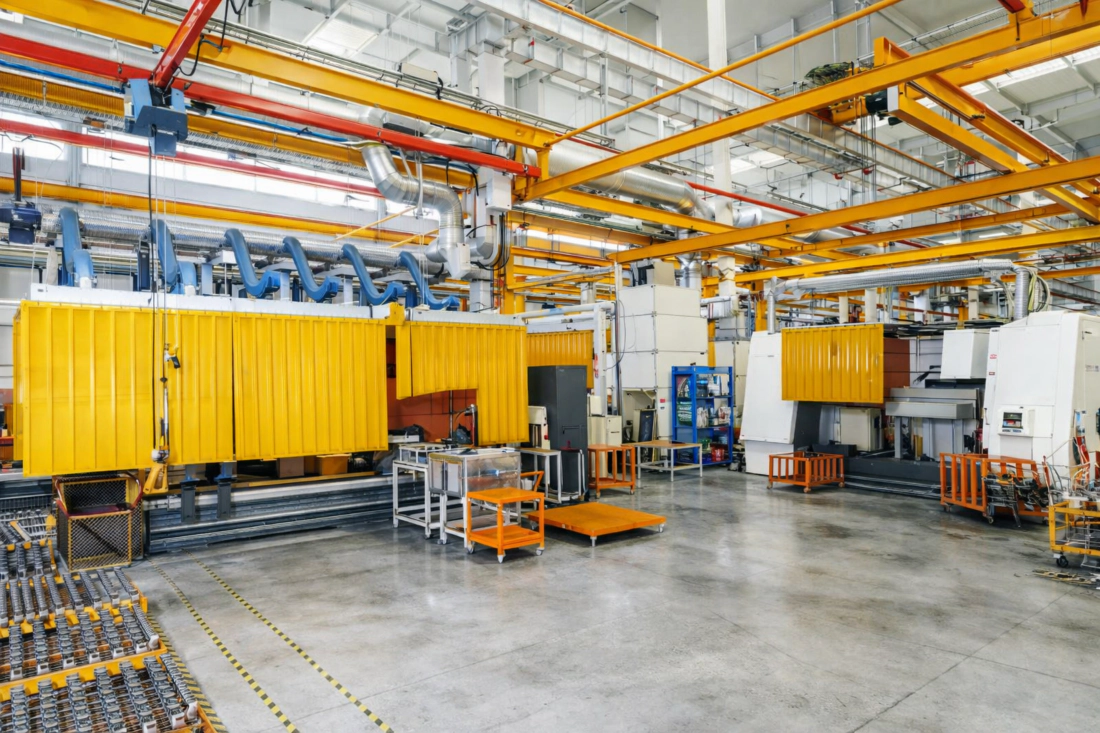
Developing fluid power architecture capable of surviving and thriving under this relentless environmental assault requires a total departure from generic industrial manufacturing paradigms. We execute purpose-driven mechanical solutions entirely from the ground up, merging elite metallurgical science with high-precision automated machining. Absolute transparency forms the core of our international engineering partnerships. We actively invite global agricultural and fishery equipment designers to digitally traverse our state-of-the-art production ecosystem located in China. By engaging with our Etkileşimli VR Fabrika Turu, you can directly inspect our multi-axis turning centers, our clean-room sealing assembly lines, and the rigorous hydrostatic pressure testing laboratories that guarantee the uncompromising structural integrity of every custom actuator we forge. Experiencing this scale of industrial capability provides the absolute assurance required for your next-generation aquatic machinery design.
Kinematic Authority: Double-Acting Small Cylinder
Controlling the precise submersion angle of a heavy, rapidly rotating aerator impeller requires absolute, unwavering bidirectional force. A single-acting, gravity or spring-return mechanism is inherently flawed in this context; the upward thrust generated by the churning water creates massive counter-forces that easily overwhelm a passive return stroke, leaving the impeller jammed at a sub-optimal angle and wasting massive amounts of electrical energy. Our double-acting cylinder configuration utilizes highly pressurized hydraulic fluid to actively drive both the extension and the critical, powered retraction stroke. This ensures the actuator can forcefully push through turbulent water resistance, delivering exact angular positioning and hydraulically locking the system instantly when the directional control valve neutralizes.
Packaging this kinetic force within the dense mechanical layout of a floating aerator pontoon dictates a highly optimized physical envelope. We engineer these specific actuators as a small cylinder profile. By utilizing advanced metallurgical techniques to optimize the internal barrel wall thickness, we deliver immense hydraulic push and pull force from an incredibly compact, unobtrusive geometric footprint. This ensures the fluid power system integrates seamlessly into the tight confines of the buoyancy tanks without interfering with the complex rotational drive shafts of the primary electric motors.
Metallurgical Immunity: Stainless Steel & High Polishing
The defining characteristic of inland and offshore fishery operations is the constant presence of water mist combined with varying levels of organic compounds. Exposing standard carbon steel or basic flash-chrome plated components to this environment invites rapid, irreversible oxidation. We mandate a completely all-stainless steel architecture—utilizing premium alloys—for the impeller angle adjustment cylinder. This austenitic material contains high levels of chromium, allowing it to spontaneously generate a microscopic, self-repairing passive oxide layer. This chemical barrier effectively neutralizes the aggressive moisture and organic acids present in the aquatic atmosphere, preventing structural degradation entirely.
To maximize this defensive metallurgical strategy, the structural design avoids vulnerable threaded tie-rods in favor of clean, welded or precision-threaded enclosed designs. Furthermore, the external surfaces and the hydraulic rod undergo an ultra-high mechanical polishing process, reducing the surface roughness to near-mirror finishes. This highly polished, hydrophobic surface prevents corrosive water droplets and sticky algae from adhering, naturally shedding aquatic contaminants and protecting the dynamic wiper seals from abrasive biological dragging. This level of surface engineering is paramount for ensuring long-term survival above active water bodies.
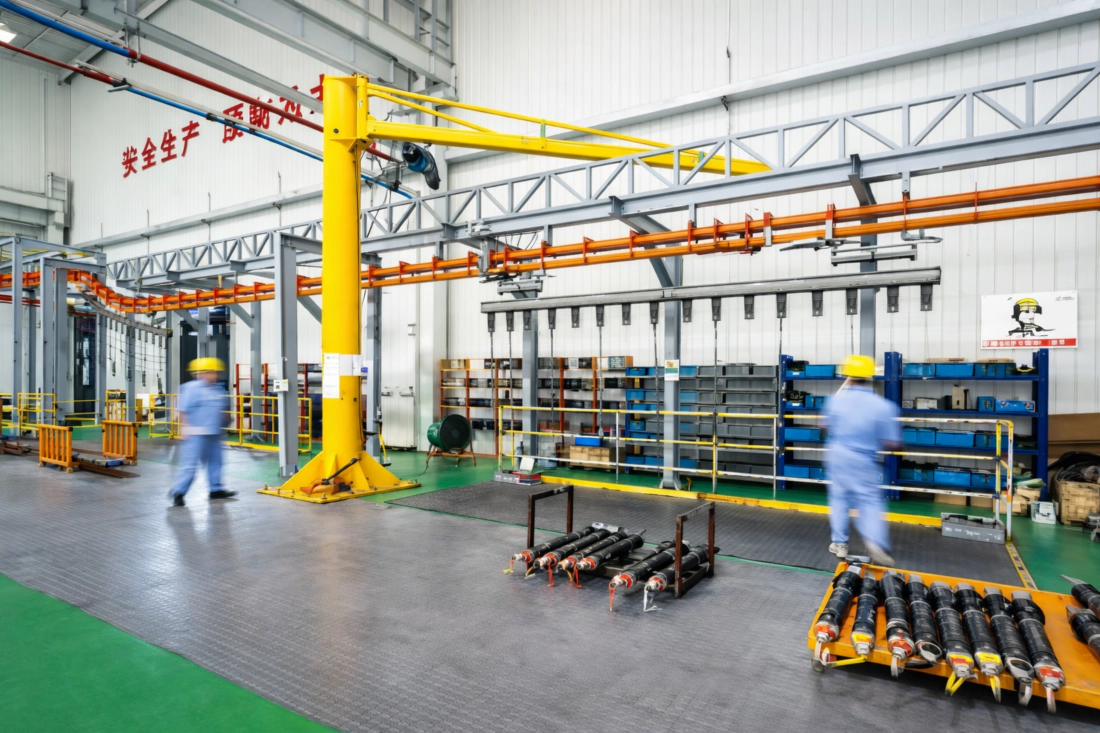
Tribolojik Tanı: Piston Kolu Korozyonunun Ortadan Kaldırılması
Analyzing the exact failure vectors of generic equipment reveals why specialized engineering is absolutely non-negotiable in aquaculture applications. The most persistent, costly, and environmentally hazardous failure mode for actuation systems attached to aerators is progressive rod corrosion. The operational zone directly above the churning impellers is continuously bathed in high humidity and dense water mist. When a conventional carbon steel hydraulic cylinder rod, even one protected by standard industrial hard chrome plating, is deployed in this exact location, the constant micro-droplets of water easily breach the microscopic porosity inherent in the chrome layer.
This environmental breach initiates severe sub-surface galvanic oxidation. The underlying carbon steel begins to rust, creating expansive iron oxide formations beneath the plating layer. This volumetric expansion causes the chrome to physically blister, flake, and spall off the rod. As this now deeply pitted, jagged rod retracts through the cylinder head during the angle adjustment sequence, it acts exactly like a high-speed abrasive rasp. It instantaneously lacerates and shreds the internal polyurethane wiper rings and primary pressure seals. Once this critical sealing architecture is compromised, highly pressurized hydraulic fluid hemorrhages directly into the rearing tanks, causing catastrophic toxic contamination of the water supply and triggering massive biological die-offs.
The Absolute Configuration: Stainless Steel Rod Architecture
Our recommended engineering configuration permanently nullifies this devastating threat matrix. By specifying a solid stainless steel rod, we entirely remove the material susceptibility to sub-surface oxidation and galvanic corrosion in this environment. There is no plating to flake off; the material is uniformly corrosion-resistant throughout its entire cross-section. Coupled with advanced, hydrolysis-resistant sealing polymers, this specialized stainless architecture ensures the actuator maintains absolute hermetic fluid integrity and flawless angular control across years of continuous, high-cycle oxygenation operations in the most punishing aquatic environments on earth.
Technical Blueprint: Impeller Angle Adjustment Cylinder
| Mühendislik Parametresi | Conventional Agricultural Setup | Ever Power Gelişmiş Mimari |
|---|---|---|
| Kinematik Protokol | Tek Etkili Yerçekimi Geri Dönüşü | Çift Etkili (Motorlu Geri Çekme) |
| Yapısal Geometri | Bulky Tie-Rod Assembly | Compact Small Cylinder Form |
| Çekirdek Baz Metalürjisi | Karbon Çelik (Epoksi Boyalı) | Solid Stainless Steel Housing |
| Çubuk Yüzey İşlemi | Standart Sert Krom Kaplama | Stainless Steel Rod + Polished |
| Baskın Arıza Modu | Severe Rod Corrosion & Pitting | Alaşım Seçimi Yoluyla Ortadan Kaldırıldı |
| Operasyonel Ortam | Kuru Endüstriyel Ortamlar | High Humidity + Dense Water Mist |
Çin'de Organize Edilen Küresel Özel Üretim
Procuring highly specialized fluid power for complex aquaculture aeration machinery demands an engineering partner capable of translating precise kinematic constraints into tangible, highly reliable hardware at scale. As a dominant custom hydraulic cylinder manufacturer operating from our expansive technological hub in China, Ever Power bridges the massive chasm between bespoke engineering architecture and aggressive global production deployment. We strictly reject the industry standard of constraining equipment designers to restrictive, pre-existing product catalogs. We mold the fluid power solution entirely around the specific mechanical realities, tight spatial footprints, and harsh environmental profiles of your unique aerator design.
Our deep, highly optimized integration within China’s elite metallurgical and machining supply chains grants us unparalleled access to high-purity stainless steel billets and advanced fluoropolymer seal compounds. Whether your specific floating pontoon linkage requires a completely custom machined trunnion to navigate a dense maze of existing framework, or a highly specific, micro-calibrated stroke length to prevent over-extension of the impeller shafts, our engineering department will execute the blueprint flawlessly. We oversee the entire production lifecycle in-house—from rapid digital 3D CAD prototyping and robotic welding to intense, million-cycle hydrostatic endurance testing—delivering absolute structural perfection and profound procurement advantages to our international integration partners.
Critical Action Theaters for Aerator Cylinders
High-Speed Paddlewheel Aerators
Operating vigorously in commercial shrimp and tilapia ponds. The double-acting cylinder continuously micro-adjusts the paddlewheel depth to maximize oxygen transfer efficiency, relying on the solid stainless steel rod to reject the intense spray of mineral-rich water generated by the churning blades.
Deep-Water Spiral Aspirators
Utilized in deep reservoirs to destratify the water column. The small cylinder profile ensures the actuator fits within the compact floating chassis, while the polished stainless construction ignores the constant condensation and dampness rising from the deep-water injection process.
Coastal Aquaculture Barges
Deployed in harsh offshore environments where high humidity mixes with corrosive marine air. The solid stainless steel rod is an absolute necessity here, preventing the rapid galvanic oxidation that would otherwise destroy standard cylinders within months of coastal deployment.
Operational Reality: Rescuing Chilean Commercial Fisheries
A premier marine engineering firm based in Puerto Montt, Chile, encountered a devastating mechanical crisis across their fleet of newly deployed automated paddlewheel aerators. These massive floating arrays, responsible for sustaining millions of salmon in the coastal facilities, were experiencing catastrophic hydraulic actuator failures at the impeller angle mechanisms. The original equipment manufacturer had integrated standard carbon steel cylinders equipped with generic chrome-plated rods. Within just three months of exposure to the frigid, high-humidity coastal winds and relentless water mist generated by the churning blades, the cylinders suffered massive rod corrosion. The rods pitted severely, shredding the internal polyurethane seals during retraction. Hydraulic fluid hemorrhaged directly into the rearing pens, causing massive toxic contamination, while the impellers seized at inefficient angles, plunging oxygen levels and threatening the entire harvest.
Mühendislik Müdahalesi: The Chilean consortium urgently engaged our advanced fluid power division to execute a comprehensive architectural overhaul. Our engineering team immediately diagnosed the severe environmental mismatch. We designed a highly customized, double-acting small cylinder constructed entirely from solid stainless steel, incorporating a polished stainless steel rod to ensure absolute structural survival in the continuous water mist. We integrated proprietary hydrolysis-resistant seals designed to ignore constant aquatic exposure. The entire emergency production run was manufactured at scale in our China facility and expedited directly to the South American facilities for rapid retrofitting.
Following the extensive installation of our custom stainless steel cylinders, the aerator arrays returned to optimal efficiency. Over the ensuing thirty-six months of relentless, high-volume automated oxygenation in brutal maritime conditions, the cooperative recorded a zero-percent failure rate related to fluid power components. The rod corrosion issue was completely eradicated, securing the precise dissolved oxygen algorithms and rescuing the firm’s biological yield.
Mühendislik Cephesinden Gelen Geri Bildirimler
“The rod corrosion from the old carbon steel units was an ecological nightmare. Since upgrading to the solid stainless steel rod design from Ever Power, the actuators look brand new even after three years of constant water mist. Absolutely incredible metallurgy.”
Mateo V.
Chief Marine Engineer, Chile
“Controlling the impeller angle requires instant, bidirectional force against heavy water resistance. The double-acting precision of these custom small cylinders pushes through the turbulence instantly, locking the blades exactly where the PLC demands.”
Diego S.
Director of Aquaculture Operations
“Sourcing bespoke stainless steel fluid power directly from their factory in China was incredibly smooth. They understood the physics of our aerator pontoons immediately and delivered a flawless corrosion-resistant prototype in record time.”
Camila R.
Global Supply Chain Director