The operational integrity of modern urban rail vehicles relies on an invisible, highly pressurized network of pneumatic pathways. Within this complex infrastructure, the brake air pipe system serves as the critical lifeline, dictating the deceleration and precise stopping protocols of multi-ton passenger trains. Modulating these pressurized airflow dynamics requires actuation components that operate with absolute certainty. The air valve pneumatic hydraulic cylinder is deployed at these critical junctions, acting as the definitive gatekeeper for air duct control. Operating a transit network exposes these actuators to a relentless combination of environmental and mechanical stressors. Condensation within the pneumatic lines creates an environment of perpetual moisture, while the physical movement of the bogie across varying rail geometries introduces continuous, high-frequency vibration.
Standard industrial actuators are fundamentally ill-equipped for this specific matrix of operational hazards. The dominant failure mode in urban rail pneumatic systems is corrosion—a slow, insidious process where moisture compromises the cylinder barrel, leading to seal degradation, pressure loss, and ultimately, a compromised braking mechanism. Addressing this demands a departure from conventional manufacturing paradigms. We have engineered a specialized double acting small piston cylinder that directly counters these failure modes through rigorous material science and advanced structural design. By integrating a fully welded architecture with premium metallurgy, we eliminate the structural vulnerabilities that lead to catastrophic air leaks in transit systems. Before we dissect the intricate engineering specifications of this solution, we invite you to observe our exact manufacturing methodologies directly.
Experience Absolute Manufacturing Transparency
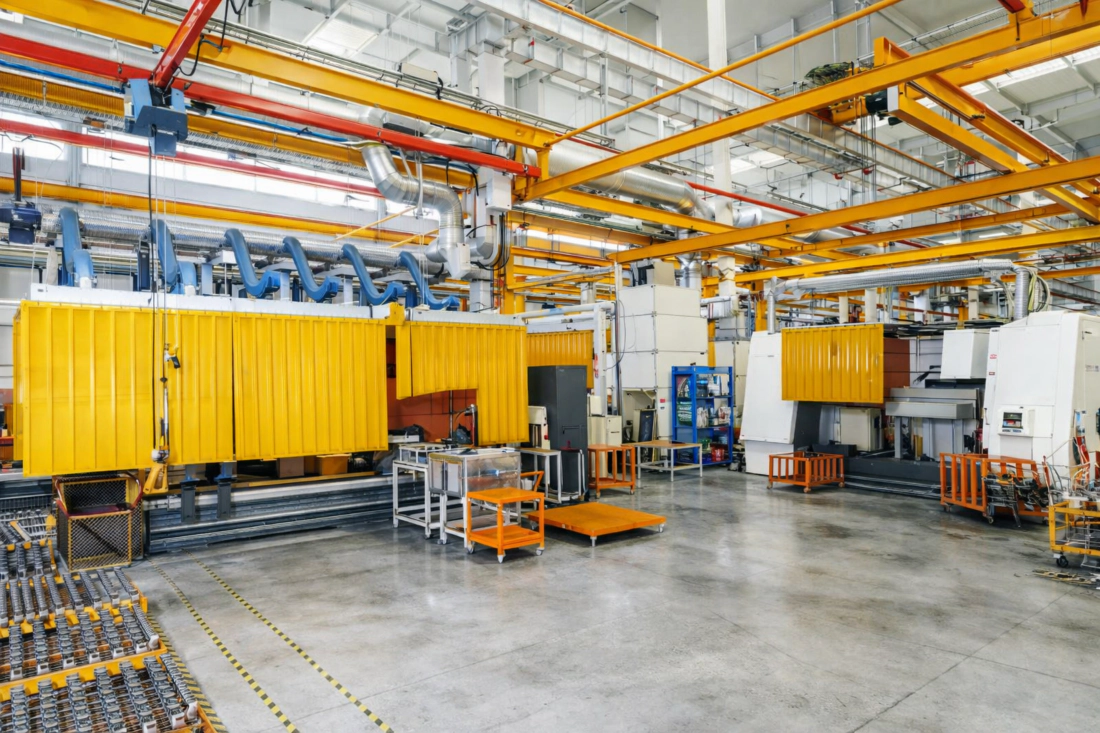
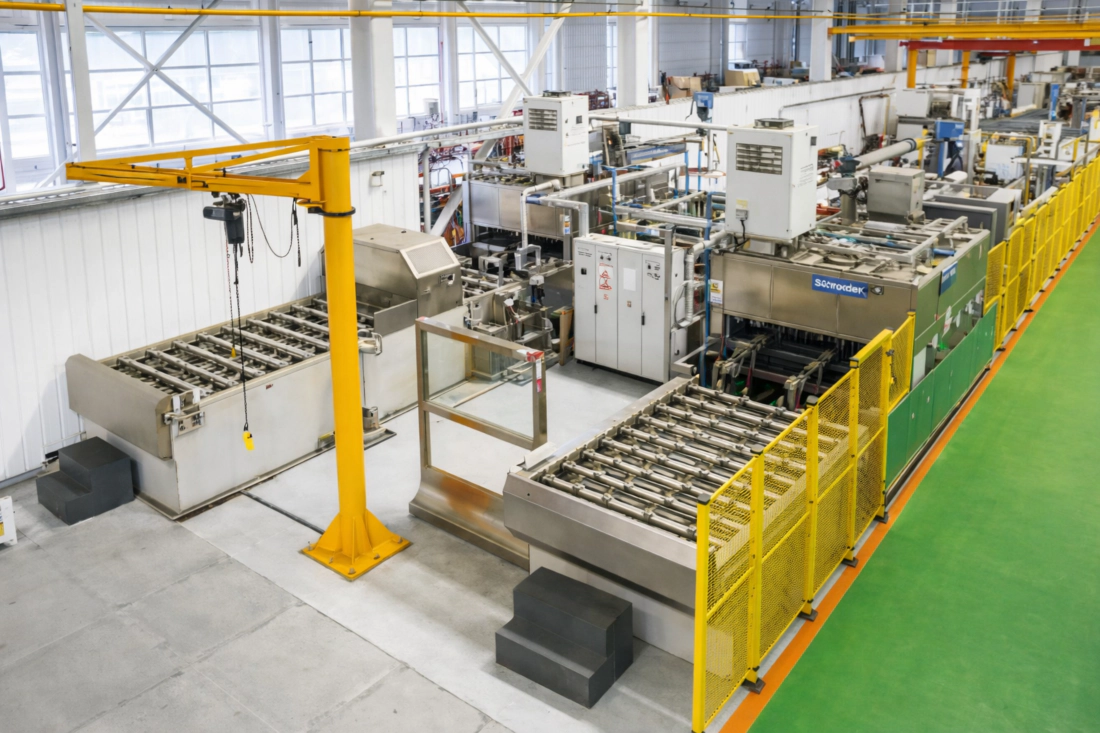
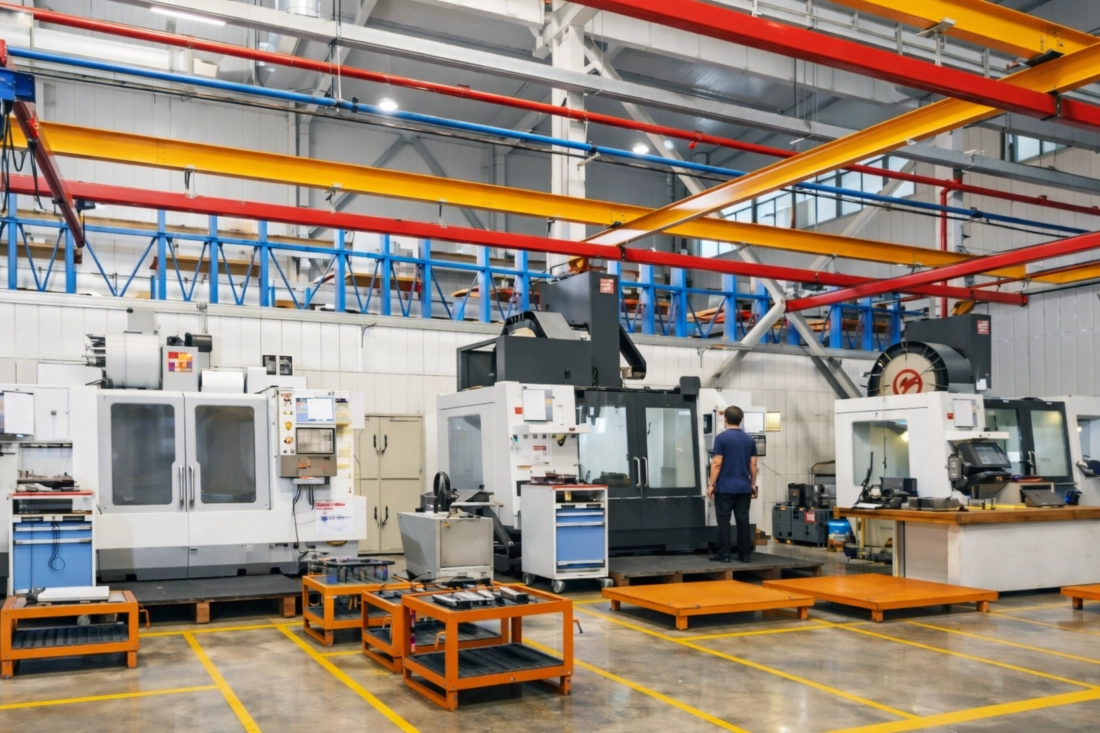
Precision in urban rail vehicles cannot be assumed; it must be verified. We welcome you to step onto our digital production floor. Witness the advanced laser welding stations, the multi-stage surface polishing rigs, and the clean-room assembly environments where every small piston cylinder is crafted. See exactly how we transform raw 316L stainless steel into life-critical transit components.
Metallurgical Superiority and Structural Integrity
The defining characteristic of our air valve pneumatic hydraulic cylinder is its uncompromising material composition. We exclusively utilize 316L stainless steel for both the cylinder barrel and the piston rod. Unlike standard 304 stainless or carbon steel, the 316L variant incorporates a significant addition of molybdenum. This specific alloying element drastically enhances the material’s resistance to chloride pitting and crevice corrosion—the exact types of metallurgical degradation that occur when compressed air condenses into moisture within the confined spaces of an urban rail vehicle’s brake air pipe. This deliberate material selection ensures that the internal bore remains pristine, preserving the critical seal interface and eliminating the risk of internal blow-by that could compromise air duct control.
Complementing this premium metallurgy is a highly specialized polished surface treatment. The internal barrel and external rod undergo a multi-stage honing and polishing process, achieving a surface roughness (Ra) of less than 0.2 micrometers. This mirror-like finish serves a dual purpose. It significantly reduces dynamic friction, allowing the small piston cylinder to actuate rapidly and smoothly, ensuring instantaneous brake valve response. Simultaneously, the ultra-smooth surface prevents microscopic water droplets and particulate matter from adhering to the metal, further mitigating the risk of long-term oxidation and seal abrasion in the moisture-rich transit environment.
The physical architecture is entirely predicated on a welded structural type. In environments characterized by relentless vibration, traditional tie-rod cylinders are a severe liability; the high-frequency oscillation inevitable in urban rail transport invariably loosens threaded connections over time. Our fully welded construction permanently fuses the end caps to the cylinder body. This monolithic design creates a completely hermetic, vibration-proof pressure vessel. The double acting action mode guarantees positive, forceful control in both the extension and retraction strokes, ensuring the air valve is forcefully opened and decisively closed, regardless of back-pressure within the brake air pipe network.
Global Application Validation: Southeast Asia Mass Rapid Transit
Project Context: A major underground mass rapid transit operator in Southeast Asia faced a critical safety challenge. Their fleet of urban rail vehicles was experiencing premature wear in the brake air pipe modulation systems. The combination of intense tropical humidity, the extreme temperature variations of moving from surface to deep-tunnel tracks, and continuous track vibration resulted in massive condensation. This “moisture + vibration” matrix caused standard aluminum and coated-steel cylinders to corrode within 18 months, leading to sticky valves and erratic air duct control.
The Engineering Intervention: We partnered with the transit authority to retrofit their fleet with our customized 316L stainless steel double acting small piston cylinders. By implementing the fully welded structure and utilizing our proprietary polished internal bore, we completely isolated the actuation mechanism from the corrosive ambient air and internal pipe condensation. The robust welded design easily absorbed the 50Hz continuous vibration profiles recorded on the bogies.
“The transition to the 316L welded cylinders eliminated our corrosion issues entirely. We have extended our maintenance replacement cycle from 18 months to over 5 years, drastically reducing fleet downtime.”
– Marcus T., Chief Rolling Stock Engineer
“The polished surface treatment inside the small piston cylinder ensures the brake air valves respond with zero hesitation. The double acting mechanism provides the exact pneumatic control we require for automated train operations.”
– Sarah L., Systems Integration Manager
“Partnering with an experienced hidrolik silindir üreticisi who understood the specific ‘moisture and vibration’ challenges of urban rail was a game-changer for our procurement strategy.”
– David K., Head of Procurement
Technical Parameters & Operational Matrix
The operational principle of this specialized component revolves around converting fluid or pneumatic pressure into precise, linear mechanical force to actuate air duct valves. The double acting nature means pressure is applied alternately to both sides of the piston, providing active force for both the opening and closing strokes. This is vital in urban rail vehicles where relying on a mechanical spring for the return stroke introduces unacceptable latency and potential failure points in the brake air pipe network. The meticulous material selection and manufacturing processes are codified in the technical parameters below, representing a standard engineered specifically for the most demanding transit infrastructure applications.
| Mühendislik Parametresi | Specification & Justification |
|---|---|
| Eylem Modu | Çift Etkili – Ensures positive, active force for bidirectional air valve control. |
| Yapı Tipi | Küçük Piston Silindiri – Compact footprint optimized for dense bogie and chassis packaging. |
| Üretim Yapısı | Kaynaklı – Eliminates threaded tie-rods, neutralizing the risk of loosening under constant vibration. |
| Malzeme Sistemi | Stainless Steel (316L) – Premium molybdenum-alloyed steel for ultimate chloride and pitting resistance. |
| Yüzey İşlem | Cilalı – Ultra-low Ra finish minimizes friction and prevents moisture adhesion. |
| Çevre Sınıfı | Moisture + Vibration – Specifically calibrated for underground and humid transit networks. |
| Çalışma Durumu Özelliği | Air Duct Control – High-cycle, rapid-response modulation of pressurized brake lines. |
| Typical Failure Mode Prevented | Corrosion – The entire design ethos is structured to prevent moisture-induced material decay. |
Critical Subsystem Integration
While the primary engineering focus of this small piston cylinder is the brake air pipe network, its robust, corrosion-resistant design makes it an ideal actuator for various critical pneumatic subsystems within urban rail vehicles. The precision required for air duct control translates seamlessly into other vehicle operations that demand extreme reliability in the face of moisture and high-frequency movement.
Pantograph Air Control Systems
Regulating the pneumatic pressure that raises and lowers the pantograph against the overhead catenary. The polished 316L construction ensures the valves do not freeze or corrode when exposed to exterior weather conditions on roof-mounted arrays.
Suspension Leveling Valves
Operating the secondary air suspension systems on the bogie. The welded structure is impervious to the relentless mechanical shocks transferred directly from the track, maintaining perfect ride height modulation.
Precision Customization from China’s Industrial Core
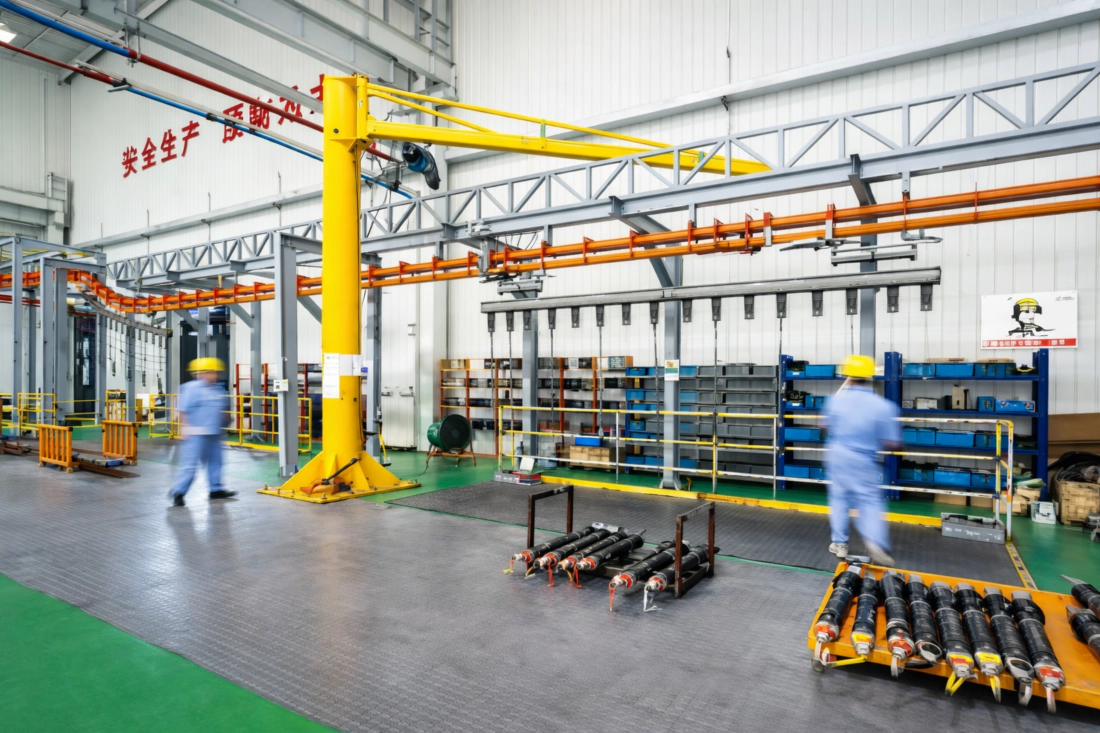
Global transit infrastructure requires a supply chain that blends unparalleled quality control with scalable production capacity. Situated in the heart of China’s advanced manufacturing sector, our facility represents the pinnacle of fluid power engineering. We do not simply supply off-the-shelf parts; we partner with international transit authorities and OEMs to engineer custom air valve pneumatic hydraulic cylinder solutions. Whether you require specific port alignments, custom stroke lengths, or specialized sensor integrations, our extensive engineering capabilities are at your disposal. Our rigorous testing protocols simulate the exact moisture and vibration frequencies of your rolling stock, ensuring performance before deployment.

Ready to secure your fleet’s pneumatic infrastructure?