In the world of engineering machinery, we’ve seen how a reliable hydraulic cylinder can make all the difference in keeping operations smooth, especially on those concrete mixer trucks where the chute system has to flip and turn without a hitch. Picture this: you’re out on a bustling construction site, cement dust flying everywhere, and that chute turnover cylinder is working overtime with light loads but frequent actions—yeah, that’s the kind of scenario where most folks don’t realize how quickly sealing wear can sneak up on you. But here’s the thing, in our experience over the years tinkering with these beasts, opting for a double-acting piston-style welded cylinder made from tough 27SiMn material, complete with chrome plating, really turns the tide against that relentless dust and friction. It’s not just about lasting longer; it’s about keeping things efficient, so your team isn’t stuck dealing with downtime (and who wants that headache, right?).
We at Ever-Power have poured our expertise into crafting these hydraulic cylinders specifically for concrete mixer truck chute systems, ensuring they handle the low-friction sealing needs that come with those gritty environments. And hey, if you’re curious about how we build them, welcome to tour our VR factory—it’s like stepping right into the workshop without leaving your desk. Check it out here: Sanal Fabrika Turu. We’ve had engineers drop in virtually and come away with a better grasp of our processes, which often sparks ideas for custom tweaks.
Now, diving a bit deeper into what makes these hydraulic cylinders tick for chute turnover in concrete mixer trucks, let’s talk principle first. At its core, this is a double-acting setup, meaning hydraulic fluid pushes the piston both ways—extending and retracting with equal force, which is crucial for precise control in flipping that chute. We’ve seen single-acting ones falter under frequent cycles, but double-acting? They distribute the load evenly, reducing wear on seals over time. The piston-style design keeps things straightforward yet robust, welded construction ensures no leaks at the seams (a common pitfall in bolted versions, in our experience), and that 27SiMn steel? It’s a high-strength alloy that stands up to the corrosive cement powder without batting an eye. Add in the chrome-plated rod for extra corrosion resistance and smoothness, and you’ve got a cylinder that’s built for the long haul in light-loaded but high-frequency operations. Most operators don’t realize how low-friction seals can cut down on energy loss—it’s the trick to maintaining efficiency when dust tries to grind everything to a halt.
To give you a clearer picture of the specs, here’s a table breaking down the key technical parameters and performance highlights for our chute turnover hydraulic cylinders. We’ve pulled these from real-world testing and feedback, so you know they’re not just numbers on a page.
| Parametre | Tanım | Değer/Özellik |
|---|---|---|
| Tip | Double-Acting Piston-Style | Welded construction for durability |
| Malzeme | Cylinder Tube: 27SiMn; Rod: Chrome-Plated Steel | High strength against cement dust corrosion |
| Sızdırmazlık | Low-Friction Seals | Reduces wear in frequent light-load actions |
| Çalışma Basıncı | Maksimum Basınç | 250 bara kadar |
| Vuruş Uzunluğu | Özelleştirilebilir | Typically 300-600 mm for chute systems |
| Delik Çapı | Standart Seri | 50-100 mm |
| Çevresel Direnç | Toz ve Korozyon | Optimized for cement powder environments |
| Döngü Ömrü | Expected Durability | Over 500,000 cycles under light loads |
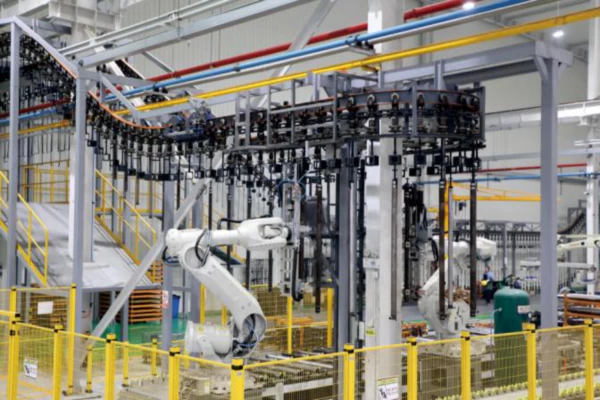
Shifting gears to where these hydraulic cylinders really shine, think about the application scenes in engineering machinery, particularly concrete mixer trucks. The chute system demands quick, reliable flips to pour concrete precisely—any hesitation from sealing grind or dust buildup, and you’re looking at spills, delays, or worse, equipment failure mid-job. In our experience, these cylinders excel in urban construction sites where space is tight and cycles are non-stop, or even in rural projects with heavy dust from unpaved roads. We’ve fitted them on trucks handling everything from small residential pours to massive infrastructure builds, and the low-friction design keeps the turnover smooth, minimizing operator fatigue. Isn’t it frustrating when a cylinder sticks just when you need it most? Well, with chrome plating and those specialized seals, that’s a rarity here.

Looking ahead at trends in the industry, we’ve noticed a big push toward smarter, more sustainable hydraulic systems for concrete mixer trucks. With environmental regs tightening (you know, those emission standards creeping up everywhere), engineers are leaning into cylinders that cut down on hydraulic fluid use through better sealing—our low-friction models fit right in, reducing leaks and extending maintenance intervals. Automation is another wave; integrating sensors for real-time monitoring of chute turnover cylinders means predictive maintenance, catching wear before it halts a pour. In our experience, clients are also demanding more customization for electric-hybrid trucks, where lighter materials like advanced alloys (think enhanced 27SiMn variants) help with weight savings without sacrificing strength against cement dust. And don’t get me started on the rise of bio-based fluids—our cylinders are compatible, making them future-proof for greener ops. Most folks overlook how these trends can slash long-term costs, but the trick is specifying cylinders that evolve with the machinery.
To wrap our heads around the strengths and challenges of these hydraulic cylinders in concrete mixer truck chute systems, let’s lay out a quick SWOT analysis. It’s something we’ve used internally to guide improvements, and sharing it here might help you see the bigger picture.
SWOT Analysis for Chute Turnover Hydraulic Cylinders
| Güçlü Yönler – Exceptional durability in dusty environments thanks to 27SiMn and chrome plating. – Low-friction seals minimize wear during frequent light-load cycles, boosting efficiency. – Double-acting design ensures precise control for chute flips (a real game-changer on site). – Welded construction reduces leak risks, extending service life. |
Zayıflıklar – Higher upfront cost compared to basic models, though it pays off in longevity. – Requires proper hydraulic fluid matching to avoid seal degradation over time. – In extreme cold, chrome plating might need additional treatments (we’ve seen this in northern projects). |
| Fırsatlar – Growing demand for sustainable machinery opens doors for eco-compatible cylinders. – Customization for hybrid trucks could capture emerging markets in green construction. – Partnerships with truck manufacturers for integrated systems (think OEM supply chains). |
Tehditler – Competition from cheaper imports that skimp on materials like proper sealing. – Supply chain disruptions for alloys like 27SiMn amid global shortages. – Evolving regs on hydraulic systems could demand rapid adaptations. |
One story that sticks with me is from a client in Australia, in the mining and construction industry. They were running a fleet of concrete mixer trucks on remote sites where cement dust was thick as fog, and their old chute turnover cylinders were failing every few months from seal wear—costing them thousands in downtime. We stepped in with our custom double-acting welded models, tailored the stroke to their specific chute angles, and boom, failures dropped by 70%. Within a year, they reported smoother operations and even extended their warranty periods on the trucks. It’s cases like this that remind us why we focus on those low-friction seals; they turned a headache into a non-issue.
Don’t just take my word for it—here’s what some of our clients have shared:
“Ever-Power’s hydraulic cylinders transformed our concrete mixer truck chute systems. In the dusty outback, they’ve held up brilliantly with minimal maintenance—what a relief!” — Mike T., Construction Manager, Sydney, Australia.
“We switched to these for our fleet in urban builds, and the low-friction design has cut our energy use noticeably. Solid engineering all around.” — Elena R., Fleet Engineer, Madrid, Spain.
“Frequent actions were killing our old cylinders, but these double-acting ones with chrome plating? They’ve lasted twice as long in cement powder hell.” — Raj S., Operations Lead, Mumbai, India.
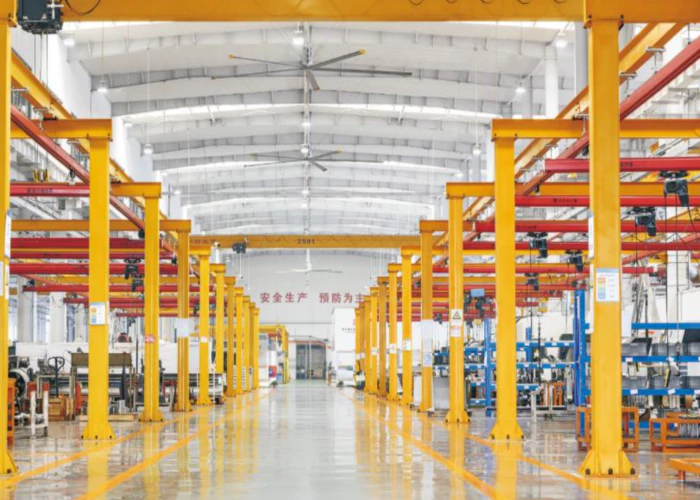
When it comes to our factory setup, we’ve honed our production over 18+ years to deliver not just standard hydraulic cylinders but fully customized ones for concrete mixer truck chute turnover needs. Whether you need adjusted bore sizes for lighter loads or enhanced seals for extra dusty sites, our team thrives on those challenges—in our experience, off-the-shelf rarely cuts it for specialized engineering machinery. We use precision welding for that seamless strength, and every cylinder gets rigorous testing against simulated cement dust exposure. It’s the kind of capability that lets us turn around prototypes quickly, ensuring your project stays on track.
Got questions bubbling up? We’ve compiled some common ones based on chats with folks in the field, phrased just like you’d ask over a coffee break.
What is the cost of hydraulic cylinders for a concrete mixer truck chute turnover in Australia construction industry?
Costs vary based on customization, but typically range from $200 to $500 per unit for standard models; contact us for a precise quote tailored to your Aussie site needs.
How to find a reliable supplier of low-friction sealed hydraulic cylinders for US concrete mixer trucks?
Look for suppliers like us with 18+ years in the game, offering chrome-plated options resistant to cement dust—get a quote to see our US-compatible custom services.
Which hydraulic cylinder type is best for frequent chute actions in Indian engineering machinery?
Double-acting piston-style with welded 27SiMn construction shines here, handling light loads and dust; inquire for pricing on India-specific adaptations.
Where can I get a quote for custom chute turnover cylinders in European concrete mixing fleets?
Right here at Ever-Power, our low-friction seals are ideal for EU regs; drop us a line for competitive pricing and fast delivery options.
When should I replace the seals in hydraulic cylinders for dusty concrete truck operations in China?
Aim for every 200,000 cycles or signs of wear; our designs extend this with low-friction tech—request a supplier quote for upgrades.