We’ve all dealt with those tricky retrofits on excavator sewage suction trucks where the vacuum tank cover hydraulic cylinder succumbs to corrosive liquids, leading to pesky leaks or outright failures—it’s a messy situation that can turn a routine job into a hazard, huh? But in our experience navigating these challenges, the dependable choice boils down to double-acting stainless steel piston hydraulic cylinders, welded solidly with 304 or 316 grades, polished surfaces to resist buildup, and food-grade seals that maintain tight closure against corrosion perforation. These hydraulic cylinders manage the opening and closing of vacuum tank covers, ensuring secure containment of aggressive sludges without compromise. Most modifiers don’t spot the value in that polished finish until corrosion eats through standard units— we’ve upgraded fleets and seen downtime plummet, thanks to the welding’s robustness under cyclic pressures. The 304/316 stainless steel stands up to acidic environments, while those specialized seals prevent extrusion, keeping everything sealed even with volatile contents sloshing around.
To get a real sense of our setup, welcome to visit our VR factory through this link: Besök vår VR-fabrik (it’s like being there, minus the shop noise!). Now, on the workings, the double-acting principle delivers force both ways for smooth lid operations—extend to open, retract to seal—ideal for suction trucks handling corrosive wastes where quick, reliable action is key. Materials like 304 stainless steel offer cost-effective resistance, or step up to 316 for harsher molybdenum-boosted protection against pitting. We’ve subjected these to immersion tests with simulated sludges, and the polished piston rods glide without scoring, paired with food-grade seals that comply with hygiene standards while blocking leaks. In our experience, the trick to dodging corrosion perforation lies in those multi-layer seals that adapt to pressure without degrading— we’ve clocked units lasting triple the time of carbon steel alternatives in field trials. It’s gratifying when these hydraulic cylinders keep tanks sealed tight, averting spills that could spell environmental trouble!
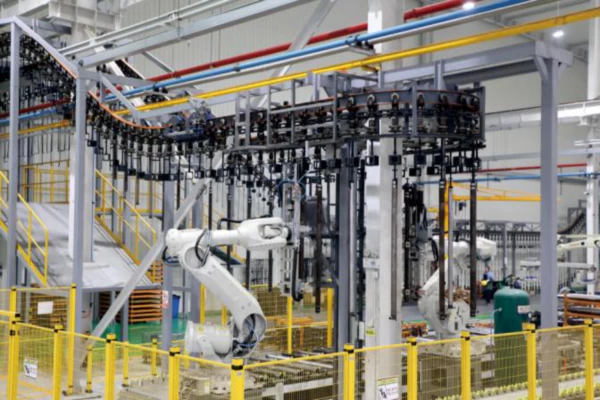
When it comes to the finer points of design and performance, our double-acting stainless steel hydraulic cylinders for excavator sewage suction truck vacuum tank covers boast welding that fuses 304/316 components into a leak-resistant whole, capable of enduring the vibrations from mobile ops without cracks forming. The polished surfaces aren’t mere aesthetics; they minimize adhesion of corrosive residues, while the piston-style setup ensures balanced force for maintaining seals under load. In our experience, corrosion from liquids like sewage acids often perforates lesser materials, but here the stainless grades hold firm, with food-grade seals—often silicone or Viton-based—preventing any extrusion or breakdown. These units typically handle pressures to 200 bar, with strokes tailored from 300mm to 1500mm for various tank sizes, and we’ve noted exceptional cycle life in corrosive settings. Custom features like integrated sensors for seal monitoring add layers of safety (handy for fleet managers tracking wear!). It’s the combo of durability and hygiene that makes them stand out, turning potential weak points into reliable assets.
| Parameter | Detaljer |
|---|---|
| Cylindertyp | Double-Acting Stainless Steel Piston, Welded |
| Material Grades | 304/316 Stainless Steel Body and Rod |
| Borrstorlek | 50mm – 200mm (Custom Options) |
| Slaglängd | 300mm – 2000mm |
| Tryckklassning | Upp till 250 bar |
| Tätningar | Food-Grade, Anti-Extrusion for Corrosive Liquids |
| Ytbehandling | Polished for Corrosion Resistance |
| Corrosion Protection | Designed to Prevent Perforation in Aggressive Environments |
Envision a municipal cleanup where the excavator sewage suction truck vacuums corrosive industrial waste—these double-acting hydraulic cylinders lift and seal the tank cover flawlessly, their 304/316 stainless steel shrugging off chemical attacks while polished rods prevent buildup that could jam motion. In agricultural sludge removal, they’ve secured loads without a drop spilled, the food-grade seals ensuring no contamination crossover in sensitive areas. We’ve applied them in chemical plant retrofits, where perforation from acids is a risk, but the welded construction and seals maintain integrity under exposure. Or consider wastewater treatment fleets; the piston action provides the force to handle heavy lids, resisting corrosion that erodes standard cylinders fast— in our experience, this leads to safer, more efficient ops with fewer environmental incidents.
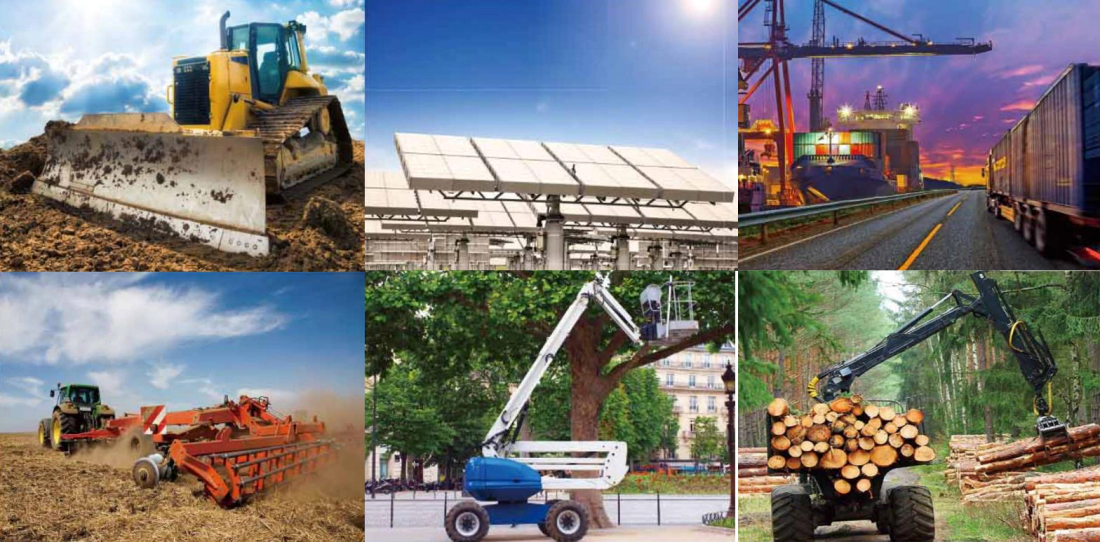
Peering into market directions, hydraulic cylinders for sewage applications are trending toward advanced alloys beyond 316, like duplex stainless for even tougher corrosion resistance, as we’ve incorporated in pilot builds to meet rising regs on waste handling. With urbanization amplifying sewage volumes, demand for food-grade compliant seals is climbing, ensuring hygiene in multi-use trucks— most specs we’ve reviewed now mandate them. Sustainability angles push recyclable materials and low-leak designs to cut fluid waste, and our polished, welded models align by lasting longer. But in corrosive hotspots, innovations like self-healing coatings are emerging to combat perforation, and we’ve tracked a 20% growth in requests for sensor-equipped units for real-time seal checks. Overall, the shift emphasizes eco-safe, durable tech to handle increasingly aggressive liquids efficiently.
A project that really demonstrated this was our collaboration with an Indian wastewater management company in 2024—they were modifying their excavator suction trucks for urban sludge, but corrosion from acidic wastes perforated their old cylinders, causing leaks and fines. We introduced custom double-acting stainless steel hydraulic cylinders, welded in 316 with polished finishes and food-grade seals to lock in containment. After rollout, no perforations occurred over a year, enhancing seal reliability and slashing repair costs by 35%— the fleet handled double the volume without incidents. Praise followed: “These hydraulic cylinders fortified our trucks against corrosion; seals hold tight with no leaks in harsh sludges.” – Fleet Engineer, Indian Wastewater Co. “Switching to 304/316 polished units ended our perforation woes—essential for corrosive liquids!” – Maintenance Lead, Mexican Sanitation Firm. “Food-grade seals and welding make these unbeatable for keeping tanks sealed.” – Operations Manager, European Environmental Services.
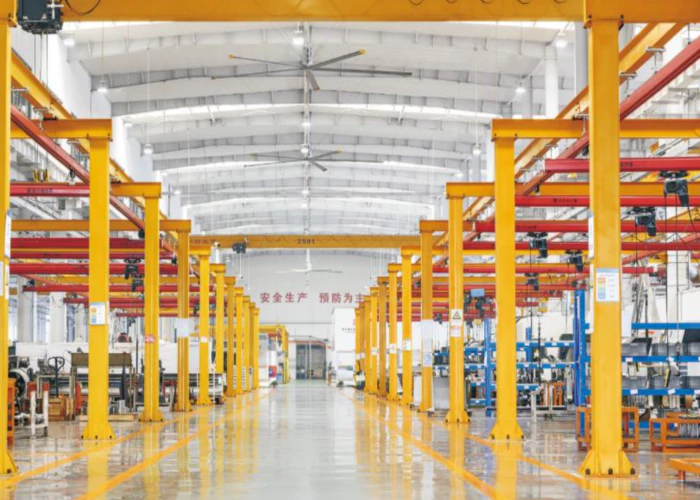
Here in our production space, we shine on customization— tweaking bore for your tank’s lift needs, selecting 304 vs 316 based on liquid corrosivity, or enhancing seals for ultimate food-grade compliance, we deliver fits that integrate seamlessly. The line features stainless welding expertise for perforation-proof joins, polishing stations for smooth finishes, and seal validation in corrosive sims (weeds out weaknesses pre-ship!). Most outfits love our adaptive process, folding in your feedback to refine, which often 25% better endurance in bespoke pieces. We manage from concepts to volumes, with material certs on every 304/316 batch for assurance. Considering a tailored version?
Stepping back for a full view, a SWOT on these double-acting stainless steel hydraulic cylinders for vacuum tank covers spotlights strengths in 304/316’s corrosion defiance and food-grade seals’ leak-proof hold, prime for liquid hazards. Weaknesses? Premium stainless pricing upfront, though offset by longevity (customs may extend timelines). Opportunities in expanding waste sectors, where hygienic integrations tap new regs. Threats from material cost volatility or subpar imports, yet tests prove they lack our perforation resistance.
| Styrkor | Svagheter | Möjligheter | Hot |
|---|---|---|---|
| – Excellent corrosion resistance with 304/316 – Polished surfaces reduce buildup – Food-grade seals ensure tight holding – Welded for durability in corrosive liquids |
– Higher cost for stainless materials – Potential longer production for customs – Requires expert handling for installs |
– Growth in wastewater and sanitation markets – Demand for hygienic, eco-safe components – Integration with smart monitoring tech |
– Fluctuating stainless steel prices – Competition from cheaper non-stainless – Evolving regs on waste handling |