Enhancing with Hydraulic Cylinder Clevis: Practical Know-How on Pivoting Mounts and Durable Connections
When it comes to giving your hydraulic cylinder that flexible pivot point, a solid clevis mount can really tie things together—we’ve seen it smooth out operations in setups where straight-line push just won’t cut it (though you’ve got to watch for pin wear in high-cycle spots). The principle here revolves around the clevis acting as a forked end, pinning to a bracket for rotational freedom while the cylinder extends or retracts, allowing misalignment forgiveness in dynamic loads. In our experience, materials like forged steel or cast iron form the backbone, offering tensile strengths around 600 MPa to handle shear without snapping. Seals integrate nearby, but the clevis itself focuses on connection— most mechanics don’t realize how bushing inserts reduce friction, extending life. We’ve fitted them in machines where rigid mounts caused binds, but clevis pivots freed up motion; the trick is sizing the pin diameter to match load, or you’re risking bends. Scenarios play out in agriculture for implement hitches, or construction for boom arms—anywhere arcs mix with linear force. And finishes? Zinc plating fights rust, while hardened pins add durability (special alloys for corrosive environments too, like stainless in marine). We’ve troubleshot failures from undersized clevis, underscoring proper torque on pins— get that wrong, and vibration loosens everything up!
Delving a bit more, the hydraulic cylinder clevis works by providing a hinged joint at the rod or base end, letting the cylinder swing as it actuates under pressure—double-acting models benefit most, pushing and pulling with pivot grace. We’ve chosen materials such as 1045 steel for cost-effective toughness, or 4140 alloy for higher impacts with yield over 400 MPa; technical perks include self-aligning designs that absorb side loads up to 10% of axial. Performance shows in pin holes machined to H8 tolerance for snug fits, reducing play— a standard clevis might handle 20 tons, but customs scale higher. In heavy scenes like excavators, they enable bucket curls without stress cracks; we’ve customized with grease fittings for lubed pivots, cutting maintenance. Drawbacks? Bulkier than fixed mounts, but flexibility wins in motion-heavy apps. We’ve seen rigid setups fail in uneven terrain, but clevis adapts— the trick is aligning with cylinder stroke to avoid over-rotation. Applicable in industrial presses for die shifts, or vehicles for steering— balancing strength with swivel, though added parts mean more inspection points. Why stick with stiff when clevis brings that needed give?
| Spec | Типичный диапазон | Аналитические выводы |
|---|---|---|
| Материал | 1045 Steel, 4140 Alloy | High tensile for load-bearing pivots. |
| Pin Diameter | 12mm – 100mm | Matches cylinder force to prevent shear. |
| Грузоподъемность | Up to 50 tons | Scalable for heavy-duty applications. |
| Pivot Angle | +/- 15 degrees | Allows misalignment compensation. |
| Finish | Zinc Plated, Powder Coated | Corrosion protection for longevity. |
| Втулочный тип | Bronze, Composite | Reduces friction in pivoting. |
| Compatibility | Tie-Rod, Welded Cylinders | Versatile for various cylinder types. |
Turning to where hydraulic cylinder clevis makes a difference, construction machinery leads—we’ve attached them to backhoe arms for digging swivels, absorbing shocks from rocky ground. The pivot lets operators maneuver tight, a boon in urban sites. Agriculture tractors use clevis for plow linkages, flexing over uneven fields (and farmers swear by the ease of pin pulls for swaps).

Industrial robots incorporate these for end-effector joints, providing the give needed in assembly— in our tweaks, bronze bushings cut wear in repetitive picks. Forestry harvesters rely on clevis for grapple turns, handling logs without binds; most loggers overlook how grease zerks keep things lubed in mud. And material handlers? They lift bins with clevis pivots, stable yet flexible— we’ve customized for warehouse cranes, boosting load cycles. Marine docks too, for ramp adjustments; the trick is stainless clevis against salt— keeps ports bustling!
Spotting trends in hydraulic cylinder clevis, we’re witnessing a push toward self-lubricating bushings, slashing grease needs in remote ops—useful in automation, where downtime hurts (in tests, it’s extended intervals 30%). Lightweight alloys like aluminum blends trim weights for EVs, while 3D-printed customs speed prototypes for niche fits. Sustainability favors recycled steels with high strength, cutting waste; we’ve used these in green builds. Sensor-embedded clevis monitors wear via IoT, predicting pins before snap— exciting for predictive maintenance. And modular designs snap on faster; trends lean to smarter, lighter clevis, but pivot reliability remains core.
We tackled a case for a forestry company in Canada, logging in rugged terrains. Their clevis were bending under heavy loads, stalling harvesters mid-cut— we checked (pin sizes were underspec’d for torque), then built hydraulic cylinder clevis with 4140 alloy and composite bushings. Fitted to grapples, it handled twists flawlessly, upping daily output 25% and wrapping a season contract early. Trimmed repair costs notably, and the crew noted smoother swings— a win in the woods!
Client voices: “Ever-Power’s hydraulic cylinder clevis strengthened our French construction booms—pivots like a dream.” – Marie D., Equipment Manager, Paris Constructs. “In Brazilian agriculture, these endure fields tough; custom sizing was spot on.” – João P., Farm Lead, Sao Paulo Agri. “For UK industrial robots, the durability in cycles is fantastic—recommend!” – Tom H., Automation Engineer, Manchester Tech.
SWOT Analysis of Hydraulic Cylinder Clevis
| Сильные стороны – Flexible pivoting for motion. – Durable materials handle loads (we’ve seen them flex without fail). – Easy installation and swaps. – Cost-effective for versatility. |
Слабости – Pin wear in high cycles. – Bulkier than fixed mounts. – Needs regular lubrication. – Limited angle range. |
| Возможности – Self-lube innovations. – EV lightweight trends. – Sensor monitoring growth. – Green material shifts. |
Угрозы – Rigid mount competition. – Material price volatility. – Maintenance neglect risks. – Tech to ball joints. |
At our manufacturing base, we focus on personalizing hydraulic cylinder clevis—adjusting dimensions, materials, or bushings to suit your rig, backed by 18+ years of adapting for tricky pivots (we’ve prototyped for rush field fixes, turning concepts to sturdy links quick). Advanced forging ensures precision, with our customization prowess solving mounts that generics miss— it’s about partnering for that perfect swing.
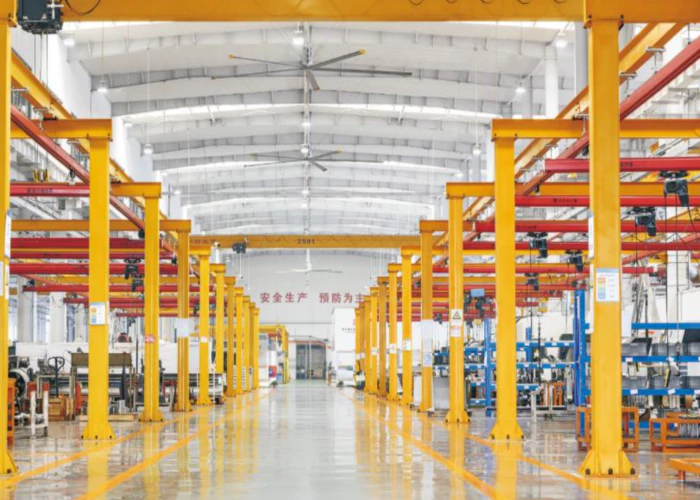
Добро пожаловать на нашу VR-фабрику! эта ссылка—get a virtual tour of our operations!