Threaded Rod End Hydraulic Cylinders: The “Swiss Army Knife” of Actuation
Infinite Adjustability. Custom Attachments. Built for Engineers who need options.
Solicite um orçamento personalizado
You know that feeling when you order a standard welded clevis cylinder, get it out to the site, and realize the mounting bracket is off by half an inch? I’ve seen grown men cry over less. That is exactly why, after nearly two decades in this industry, I always steer my clients toward Threaded Rod End Hydraulic Cylinders when the application geometry is even slightly “fluid.” Unlike fixed mounts that force you into a corner, a threaded rod gives you options. You can screw on a spherical rod eye, a floating joint, a custom flange, or even bolt it directly into a machine slide. It is the chameleon of the hydraulic world. But here is the thing most printers—I mean, most purchasing managers—don’t realize: not all threads are created equal. I’ve seen cheap “cut” threads strip out under heavy tension loads because the grain structure of the steel was severed. We focus on rolled threads wherever possible, which compresses the grain and increases the fatigue strength by upwards of 30%.
The real beauty of this design is the adjustability (and let’s be honest, who doesn’t love a bit of wiggle room?). By using a jam nut and a threaded attachment, you can fine-tune the stroke start point or the total extended length without moving the base mount. In our experience, this is a lifesaver in conveyor tensioning systems or agricultural linkages where chains stretch and belts wear out over time. You just spin the rod eye out a few turns, lock the nut, and you’re back in business. However, it does introduce a variable: vibration. If you don’t torque that jam nut correctly, or if you ignore the thread class fit (we stick to 2A/2B or tighter), that attachment is going to walk away from you. The trick is treating the thread like a precision component, not just a bolt from the hardware store.
Technical Integrity: It’s All in the Threads
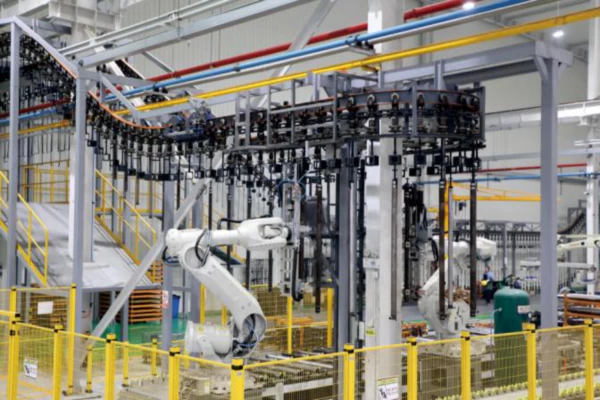
Our precision CNC turning center, where rod threads are machined to Class 2A tolerances.
When we engineer these cylinders, the rod material selection is paramount. Since the thread creates a stress riser (a concentration of physical stress at the root of the thread), using soft steel is a recipe for disaster. We standardly use 1045 or 4140 Induction Hardened Chrome Plated (IHCP) bar. The hard chrome stops at the shoulder, and the threads are typically left unplated or zinc-plated to prevent hydrogen embrittlement and allow the nut to spin freely. Another detail we obsess over is the “thread relief” or undercut. You have to have a clean relief at the base of the thread so the mating part can seat flush against the shoulder. Without that, you get a gap, the stud bends, and snap—there goes your production line.
| Recurso | Especificação padrão (Ever Power) | A visão do "Veterano" |
|---|---|---|
| Thread Type | Male (Ext) or Female (Int) | Female threads save overall length; Male threads are usually stronger. |
| Thread Standard | UNF (Fine) / Metric Fine | Always use fine threads for hydraulics—better vibration resistance and finer adjustment. |
| Material da haste | 4140 / 1045 Hard Chrome | High tensile strength is non-negotiable here to prevent thread stretching. |
| Attachments | Rod Eyes, Clevises, Flanges | Ensure the attachment is rated for the cylinder’s push force! |
| Locking | Jam Nut / Cross-Drill | Never run a threaded cylinder without a lock nut. Just don’t. |
SWOT Analysis: Is Threaded Right for You?
I’m a big fan of transparency. While I love these cylinders for their flexibility, they aren’t the “plug and play” solution for everyone. You have to do some assembly. Here is the strategic breakdown.
Pontos fortes
- Versatilidade: Change the end effector without changing the cylinder.
- Adjustability: Fine-tune stroke length and tension easily.
- Inventory: Stock one cylinder and five different attachments to cover multiple machines.
Pontos fracos
- Vibration: Threads can loosen if not properly locked (operator error is a risk).
- Side Load: If the attachment isn’t seated straight, you induce side loads immediately.
Oportunidades
- Personalização: Easy integration with modern load cells for force sensing.
- Retrofit: Ideal for upgrading older machines where original parts are obsolete.
Ameaças
- Corrosion: Exposed threads are rust magnets if not maintained or plated.
- Over-Torque: Mechanics stripping threads during field repairs.
Onde os vemos brilhar

You see these heavily in the Packaging Industry. Machines that fold, seal, and cut boxes need precise timing and positioning. Being able to screw the rod in or out by 2mm can mean the difference between a perfect seal and a crushed box. Another massive sector is Textile Machinery. The tension on large fabric rolls needs to be constant, but as the machine heats up or wears in, that geometry changes. Threaded rod ends allow maintenance teams to adjust the tension rollers without cutting and welding. We also see them in Braking Systems for industrial winches, where the mechanical linkage needs to be adjusted as the brake pads wear down.
Trend Analysis: Smarter Threads
The boring old thread is getting an upgrade. We are seeing a trend towards **Zinc-Nickel plating** on the rod threads, offering 1000+ hours of salt spray protection, which is huge for outdoor mobile equipment. Also, “Visual Locking” indicators—special nuts that show a colored band if they start to back off—are becoming popular in safety-critical applications. OEMs are moving away from standard UNF threads to custom metric pitches to prevent unauthorized field repairs with hardware store parts (a bit sneaky, but it ensures safety).
Case Study: The Textile Tension Troubles
Cliente: Anatolian Fabrics Ltd. | Localização: Bursa, Turkey
O desafio: A high-volume carpet weaving manufacturer was using standard welded clevis cylinders on their tensioning rollers. As the pivot points on the machine frame wore down over years of use, the geometry shifted. The cylinders ran out of stroke before applying proper tension, leading to loose weave patterns and a rejection rate of 8%. They were facing a complete machine teardown to relocate the mounting brackets.
Nossa solução: We supplied custom Threaded Rod End Cylinders with extended male threads (M30x2).
1. Adjustability: We provided extra-long spherical rod eyes that could be screwed onto the rod, effectively extending the reach of the cylinder by up to 50mm.
2. Strength: We used 4140 pre-hardened steel for the rods to handle the constant vibration of the loom.
3. Locking: Included a double-nut locking system to ensure the setting didn’t drift.
O resultado: The maintenance team adjusted the cylinders in 20 minutes. The tension was restored, product quality hit 99.8%, and they avoided a $50,000 machine overhaul.
“We thought we had to weld new brackets on the frame. The threaded cylinders let us dial in the tension perfectly. Simple, but brilliant.”
— Murat K., Plant Engineer
“Ever Power shipped the custom metric threads in 3 weeks. Local suppliers quoted us 12 weeks. Speed matters.”
— Elif Y., Procurement Specialist
“The threads are clean, and the jam nuts actually hold. We haven’t had to retighten them in six months.”
— Ahmet S., Maintenance Lead
Factory Direct: Precision Machining is Our Core
You can’t cut good threads on a worn-out lathe. We use dedicated CNC turning centers for all our rod work. This means the concentricity of the thread to the rod shaft is perfect. If it’s off, your seal wears out prematurely because the load is pushing sideways. We can machine wrench flats (spanner flats) onto the rod so you can hold it while tightening the nut—a small detail, but one your mechanic will thank you for. We offer custom thread lengths, pitches, and even left-hand threads if your linkage requires turnbuckle-style adjustment.
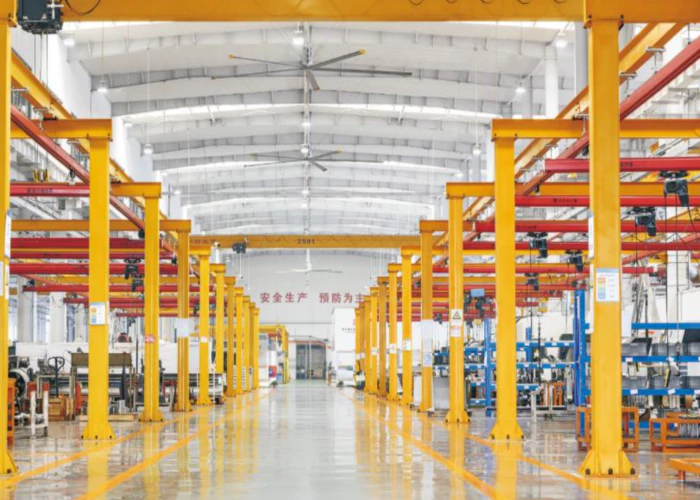
Step Inside Our Machining Center
Transparency is key. Watch our CNC lathes cutting precision threads in real-time through our virtual tour.
👉 Clique aqui para visitar nossa Fábrica de Realidade Virtual
See the quality before you buy.
FAQ: Questions From The Shop Floor
How do I prevent the rod end attachment from loosening under high vibration?
This is the most common issue we see in the field. You absolutely must use a jam nut tightened against the attachment, not just torquing the attachment itself. For extreme vibration environments like rock crushers, we recommend using a thread-locking compound (like Loctite Red) or a castle nut with a cotter pin if the rod is cross-drilled.
Can you machine custom metric fine threads for imported European machinery?
Yes, we handle metric threads daily. Whether you need an M20x1.5 or a specialized M64x4 for heavy presses, we cut them on CNC lathes to Class 6g tolerances. We just need to know if you are matching an existing rod eye or a custom flange.
What is the typical lead time for a custom threaded rod cylinder order to the Midwest?
For custom specs shipped to the US Midwest, we generally look at 4 to 5 weeks from drawing approval to your dock. If it is a breakdown emergency, let us know; we have expedited air freight options that can cut that time almost in half.
Is a male thread or a female thread better for hydraulic cylinder rod ends?
It depends on your space. A male thread is generally stronger and cheaper to produce, but it adds length to the assembly. A female thread allows for a shorter pin-to-pin collapsed length, which is crucial if you are tight on installation space inside a machine frame.
How much does it cost to retrofit a standard clevis cylinder with a threaded rod end?
Modifying an existing sealed unit is usually not worth the labor cost. You are better off ordering a new build. A custom threaded rod cylinder typically costs about the same as a standard clevis unit, maybe 5-10% more depending on the thread complexity, but it saves you money on adapters later.
Need Flexibility in Your Design?
Stop compromising with fixed mounts. Get the adjustability your machine needs.