Cilindros servo-hidráulicos de precisão em aço inoxidável para válvulas de agitação com argônio em fornos de panela.
Defining the flow control accuracy of secondary metallurgy. A technical analysis of double-acting, polished stainless steel actuation systems designed for the extreme demands of LF bottom gas stirring.
Engineering Transparency: A View Inside Our Manufacturing Core
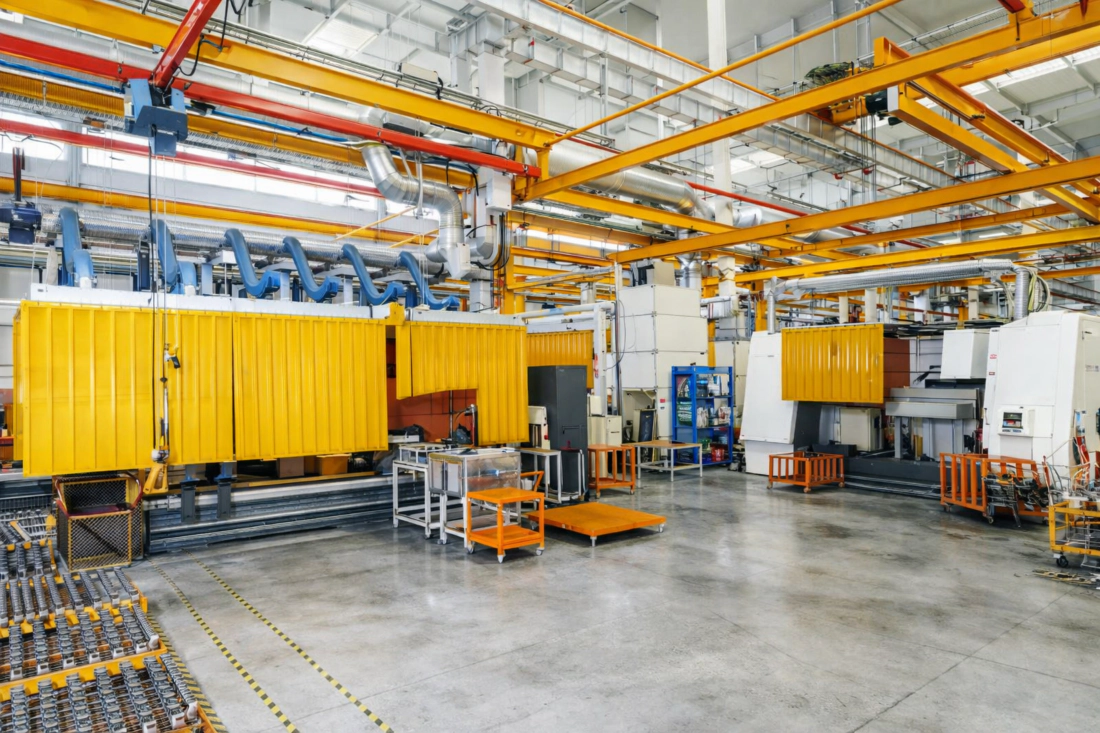
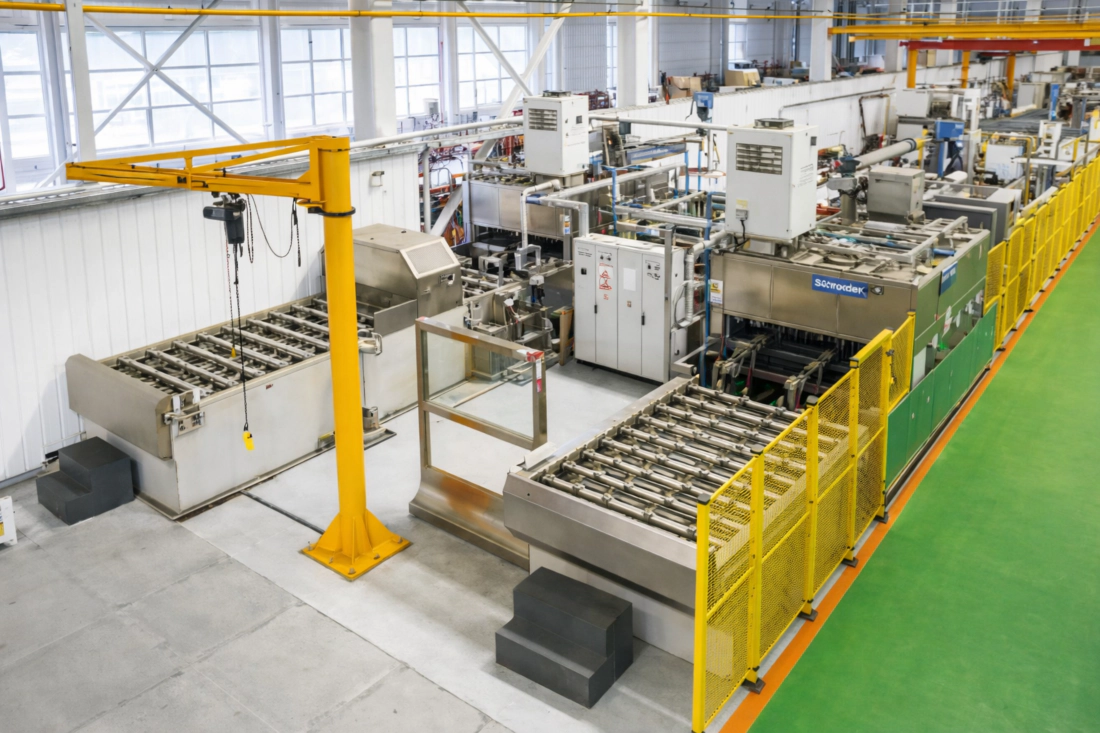
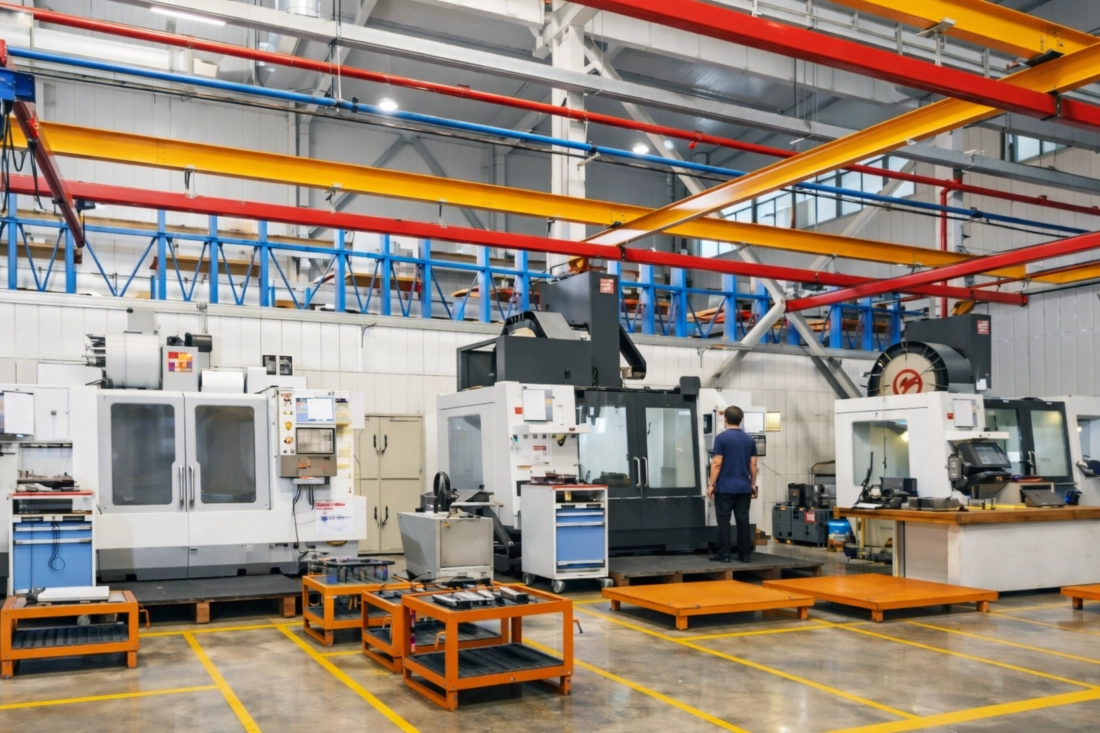
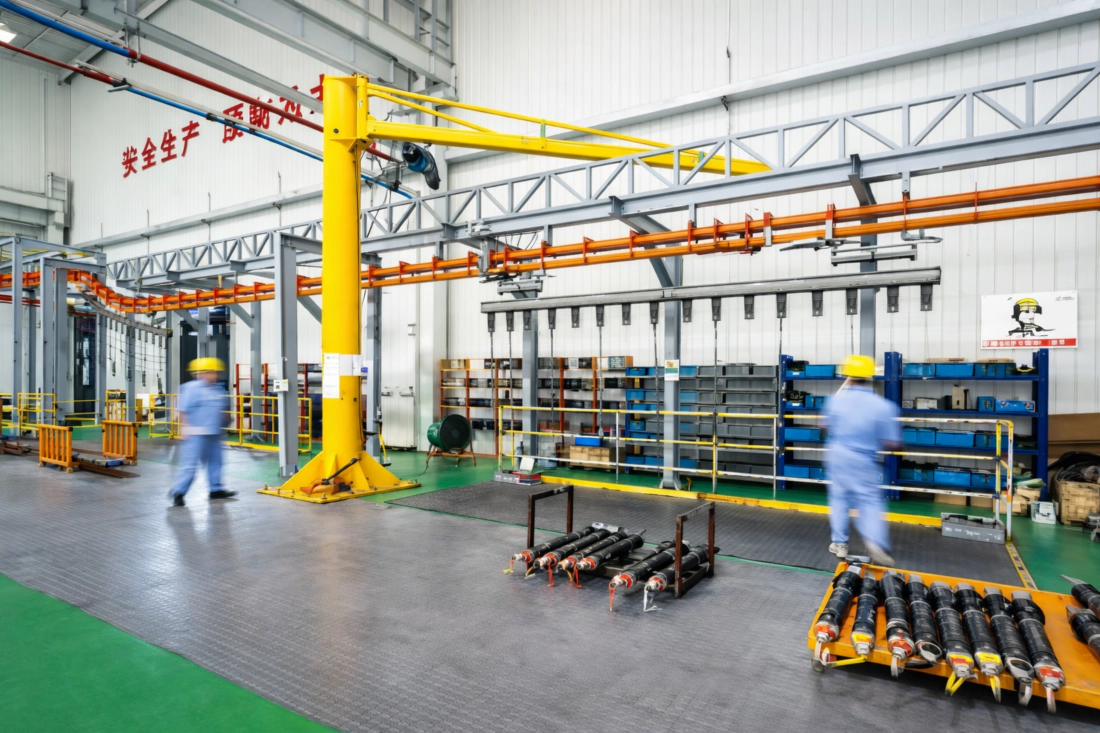
In the domain of secondary metallurgy, specifically within the Ladle Furnace (LF) refining process, the margin for error is non-existent. The homogeneity of the molten steel temperature and chemical composition relies entirely on the precision of the bottom gas stirring mechanism. As an application engineer who has dedicated nearly two decades to the fluid power dynamics of steel mills, I understand that trust is not built on glossy brochures but on tangible manufacturing capabilities. Before we dissect the tribology of our seal configurations or the metallurgy of our piston rods, I invite you to step directly onto our production floor. We have digitized our entire manufacturing facility to demonstrate how we process raw stainless steel billets into micron-perfect servo actuators. You can inspect our CNC honing stations, our clean-room assembly areas for servo valves, and our pressure testing rigs designed to simulate the pulsating back-pressure of argon gas lines.
Witness the precision behind Ever Power’s manufacturing standards.
The Critical Interface: Where Hydraulics Meets Argon
The control of inert gas (Argon or Nitrogen) flow through the porous plug at the bottom of a ladle is a nuanced operation. The hydraulic cylinder responsible for actuating the gas valve does not operate in a clean, stable environment. It is subjected to a unique set of hostile variables that define the LF stirring station. Unlike standard linear actuators, the “stirring cylinder” must operate as a small servo-system, providing micro-adjustments to gas flow rates to manage the “eye” of the melt. The primary failure mode we observe in generic cylinders is not structural bursting, but rather the degradation of control precision caused by friction and corrosion. The environment surrounding the valve block is often laden with fugitive emissions, high ambient temperatures radiating from the ladle, and the potential for corrosive gas backflow.
Standard carbon steel cylinders, even those with chrome plating, are susceptible to microporosity and subsequent corrosion when exposed to the specific atmospheric chemistry of a steel melt shop. Once the rod surface is compromised by pitting, the delicate servo-quality seals are shredded, leading to internal bypassing. This bypassing manifests as “hysteresis” in the control loop—the operator commands a specific flow rate increase, but the cylinder lags or jumps, causing violent bubbling that can expose the steel to atmospheric oxygen or damage the ladle refractory lining. Our design philosophy centers on eliminating this variable through the use of high-grade stainless steel architectures and advanced FFKM sealing technologies.
Technological Architecture of the Stirring Cylinder
Full Stainless Construction
We utilize 316L or high-grade 304 Stainless Steel for both the cylinder barrel and the piston rod. This is not merely aesthetic; it is a functional requirement to resist the corrosive attack of sulfur-laden fumes and potential gas leaks. The rod undergoes a specialized electropolishing process to achieve a surface roughness of Ra < 0.2µm, significantly reducing friction coefficient.
FFKM (Perfluoroelastomer) Sealing
Standard NBR or even FKM (Viton) seals degrade under the “dithering” motion (rapid, small amplitude oscillations) typical of control valves. We employ FFKM compounds similar to Kalrez®, which offer near-universal chemical resistance and exceptional thermal stability up to 300°C, preventing seal hardening and cracking.
Low-Friction Guide Bands
To achieve servo-class response capability, stick-slip effects must be eradicated. Our pistons feature filled-PTFE or specialized composite guide bands that ensure smooth startup movement even after periods of inactivity. This ensures that a 1% change in input signal results in an immediate mechanical response.
Compact Servo Configuration
Space on the valve stand is premium real estate. Our “Small Servo” design philosophy integrates the position feedback sensor (LVDT or magnetostrictive) either internally or in a compact parallel configuration, protected by a stainless steel housing to shield electronics from electromagnetic interference (EMI).
Optimizing Metallurgical Yield Through Precision
The correlation between cylinder performance and steel quality is direct. In Ladle Furnace operations, the soft stirring phase is crucial for inclusion flotation. If the hydraulic cylinder has high friction (stiction), the valve may jump open too wide when the pressure overcomes the friction, creating a large gas bubble “plume” that disrupts the slag layer. This “slag eye” exposes the liquid steel to nitrogen and oxygen pickup from the air, ruining the desulfurization work and creating dirtier steel.
By utilizing our low-friction, polished stainless steel cylinders, operators achieve linear, predictable valve actuation. This allows for the “Soft Stir” regime to be maintained with absolute confidence. The result is cleaner steel, higher alloy recovery rates, and reduced consumption of argon gas. Furthermore, the longevity provided by the FFKM seals means that the maintenance intervals for the valve stand are extended, reducing the frequency of dangerous maintenance tasks near hot ladles.
Global Success Case: European Specialty Steel Plant
Matriz de Desempenho Técnico
| Especificação | Configuração padrão | High-Performance Option |
|---|---|---|
| Diâmetro do furo | 25mm – 63mm | Custom Micro-Bores < 25mm |
| Material do corpo | Aço inoxidável 304 | 316L / 17-4PH Stainless |
| Superfície da haste | Cromo duro (20 μm) | Ceramic Coating / Electropolished |
| Material de vedação | High-Temp Viton (FKM) | Perfluoroelastomer (FFKM/Kalrez) |
| Pressão de trabalho | 160 Bar | 250 Bar |
| Position Feedback | External Linear Potentiometer | Integrated Magnetostrictive (MTS) |
| Hysteresis | < 1.5% | < 0.5% |
Beyond the Valve: Broader Applications
While our stainless servo cylinders are optimized for gas stirring valves, the underlying technology—corrosion resistance combined with precision movement—makes them indispensable for other sensitive areas of the steel plant.
- Alloy Addition Hoppers: Controlling the precise dosing gates for ferroalloys where dust contamination creates abrasive conditions for standard cylinders.
- Slide Gate Systems: Backup actuation for ladle slide gates where radiant heat levels would melt standard polyurethane seals.
- Sampling Probes: Actuating the lance mechanisms for temperature taking and sample immersion, requiring smooth velocity control to prevent splashing.
Custom Engineering from China’s Industrial Hub
At Ever Power, we challenge the misconception that “Made in China” implies off-the-shelf commodity products. We operate as a bespoke engineering partner. Located in a premier industrial zone with access to the highest grades of stainless steel and titanium alloys, we specialize in high-mix, low-volume manufacturing for critical applications.
We understand that every valve stand is different—Primetals, Danieli, SMS Group all have unique footprints. We offer full customization:
- Custom mounting flanges (ISO, ANSI, or DIN standards).
- Integrated water-cooling jackets for ultra-high temp zones.
- Specialized porting for servo-valve direct mounting.

Expert Dialogue: Frequently Asked Questions
Why is stainless steel recommended for LF stirring gas cylinders?
Stainless steel is essential because the area around the valve block often contains corrosive gases like sulfur dioxide and high humidity. Standard carbon steel will rust and pit, destroying the sensitive seals needed for precise gas flow control.
How does Ever Power ensure the seals last in high-temperature environments?
We utilize advanced FFKM (Perfluoroelastomer) seals in our high-temp configurations. These materials maintain their elasticity and sealing properties even at continuous temperatures up to 300°C, which is common near ladle furnaces.
What is the lead time for a custom stirring valve cylinder from China?
For custom-engineered servo cylinders, our typical production cycle is 25 to 30 days. We also offer expedited air freight shipping, meaning you can receive your components in Europe or the Americas within 5 days of completion.
Can you integrate position sensors for closed-loop control?
Yes, absolutely. We can design the cylinder with integrated Magnetostrictive displacement sensors (MTS) or Linear Variable Differential Transformers (LVDT) to provide real-time, micron-level position feedback to your PLC.
Do you offer replacement cylinders for SMS or Danieli systems?
We specialize in aftermarket replacements. If you provide the part number or a drawing, we can manufacture a functionally identical or performance-upgraded cylinder that fits perfectly into your existing valve stand.
Secure Your Process Stability
Don’t let hydraulic failure compromise your melt quality.
© 2026 Ever Power Hydraulic Cylinder Manufacturer. Precision Driven.