Cilindros hidráulicos de alta resistência para sistemas de elevação de mesas de rolos em siderúrgicas
Engineered for the Heat. Built for the Load. The Ultimate Q345D Solution for Metallurgical Transport.
In the relentless environment of a hot strip mill or plate mill, the segmented roller table is the artery of production. The hydraulic cylinders responsible for lifting and lowering these massive rollers do not operate in a vacuum; they function inside a thermal torture chamber. Having spent over 18 years analyzing hydraulic failures in metallurgical plants, I have seen firsthand how the combination of radiant heat exceeding 600°C from the slab, abrasive iron oxide scale, and continuous shock loads can destroy a standard hydraulic actuator in weeks.
The difference between a production line that runs smoothly and one plagued by unscheduled maintenance often lies in the metallurgical composition and sealing architecture of the lift cylinders. Standard commercial cylinders are insufficient. Our approach utilizes a robust Aço de baixa liga e alta resistência Q345D welded structure, specifically chosen for its superior impact toughness at varying temperatures. We couple this with a specialized high-temperature sealing matrix designed to resist the inevitable internal leakage that plagues lesser cylinders. Before we dive into the technical nuances of our double-acting piston design, I invite you to virtually step onto our manufacturing floor.
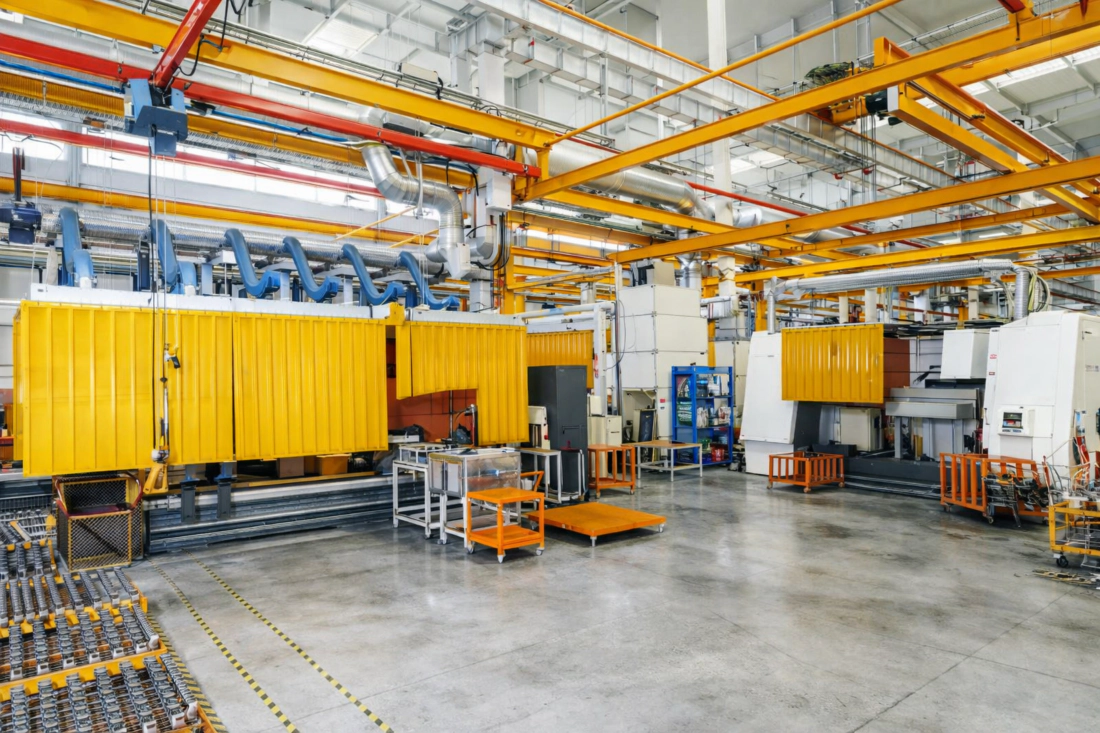
Experience Our Manufacturing Precision
Witness how we machine Q345D steel with micron-level tolerance in our state-of-the-art facility.
Engineering Against Metallurgical Extremes
Q345D: The Structural Backbone
In roller table applications, the cylinder does not just push; it supports. The dynamic loading occurs when heavy slabs impact the rollers, transmitting shockwaves directly through the linkage to the cylinder body. We utilize Q345D steel (equivalent to S355J2) for the cylinder barrel and end caps. The “D” designation indicates impact testing at -20°C, ensuring the material retains ductility even during winter maintenance shutdowns, preventing brittle fracture. This welded construction eliminates the gasket failure points common in tie-rod designs, creating a monolithic structure capable of withstanding hoop stresses well beyond the nominal 210 bar working pressure.
Combatting Internal Leakage
The primary failure mode in lift cylinders is the inability to hold position due to seal degradation. The proximity to hot steel slabs causes standard Nitrile seals to harden and crack within weeks. Our solution employs a high-temperature Fluorocarbon (Viton/FKM) sealing matrix for the piston and rod. For extreme radiant heat zones, we integrate water-cooled jackets or external heat shields. The rod wiper is upgraded to a metallic scraper or a double-lip polyurethane design to aggressively shear off the abrasive mill scale and dust that accumulates on the extended rod, preventing it from entering the hydraulic system.
Hard Chrome & Dust Defense
A smooth rod surface is critical for seal longevity. However, the steel mill atmosphere is filled with abrasive particulates. We apply a multi-layer Hard Chrome plating (minimum 30 microns) to the piston rod, finished to a roughness of Ra < 0.2µm. Underneath the chrome, we often employ a nickel underlay for enhanced corrosion resistance against the acidic cooling water used in the mill. This hard, slick surface ensures that the high-friction environment does not score the rod, maintaining the integrity of the pressure boundary over millions of cycles.
Precision Control for Segmented Tables
Roller tables require synchronous lifting to ensure the slab is transported levelly without skewing. Internal leakage in just one cylinder causes the table to tilt, resulting in product damage or jams. Our double-acting piston design ensures positive displacement in both directions.
We incorporate oversized guide bands (wear rings) on the piston and the gland. These phenolic resin or bronze-filled PTFE bands are designed to absorb the significant side-loads (radial forces) that occur when the mechanism wears or when thermal expansion shifts the table geometry. This prevents metal-to-metal contact between the rod and the gland, a catastrophic failure mode we frequently eliminate for our clients.
Technical Specifications: Series-M Lift Actuators
| Parâmetro | Standard Config | High-Performance Config |
|---|---|---|
| Diâmetro do furo | 80mm – 250mm | Up to 500mm (Custom) |
| Material | Q345B Steel | Q345D / 27SiMn |
| Pressão de trabalho | 16 MPa (160 Bar) | 25 MPa (250 Bar) |
| Faixa de temperatura | -20°C a +80°C | -20°C to +200°C (Viton) |
| Revestimento de haste | Hard Chrome | Nickel-Chrome / Ceramic |
| Focas | Polyurethane (PU) | FKM (Viton) + PTFE Bronze |
Customer Success Story
Solving Thermal Failure at a Hot Strip Mill in Vietnam
O desafio: A rapidly expanding steel producer in Vũng Tàu, Vietnam, was facing chronic downtime on their Run-Out Table. The lifting cylinders for the segmented rollers were failing every 3-4 months. The culprit was identified as thermal degradation of the seals caused by the radiant heat from the 900°C strip, combined with heavy scale ingress that scored the rods.
A solução: Ever Power engineering team designed a retrofit solution. We deployed our Series-H Lift Cylinders featuring a Q345D body for structural rigidity. Crucially, we installed a custom-engineered rod boot (bellows) made of aluminized fiberglass to reflect radiant heat and integrated a high-performance FKM seal kit.
O resultado: The Mean Time Between Failures (MTBF) extended from 3 months to over 18 months. The client reported a 15% increase in weekly throughput due to reduced maintenance stoppages.
“The heat resistance of these cylinders is genuine. We stopped changing seals every shutdown.”
– Nguyen V., Maintenance Chief
“Ever Power’s team understood our specific mill layout and delivered a drop-in replacement.”
– Le T., Plant Manager
“Cost-effective and robust. The shipping to Vietnam was seamless.”
– Tran H., Procurement
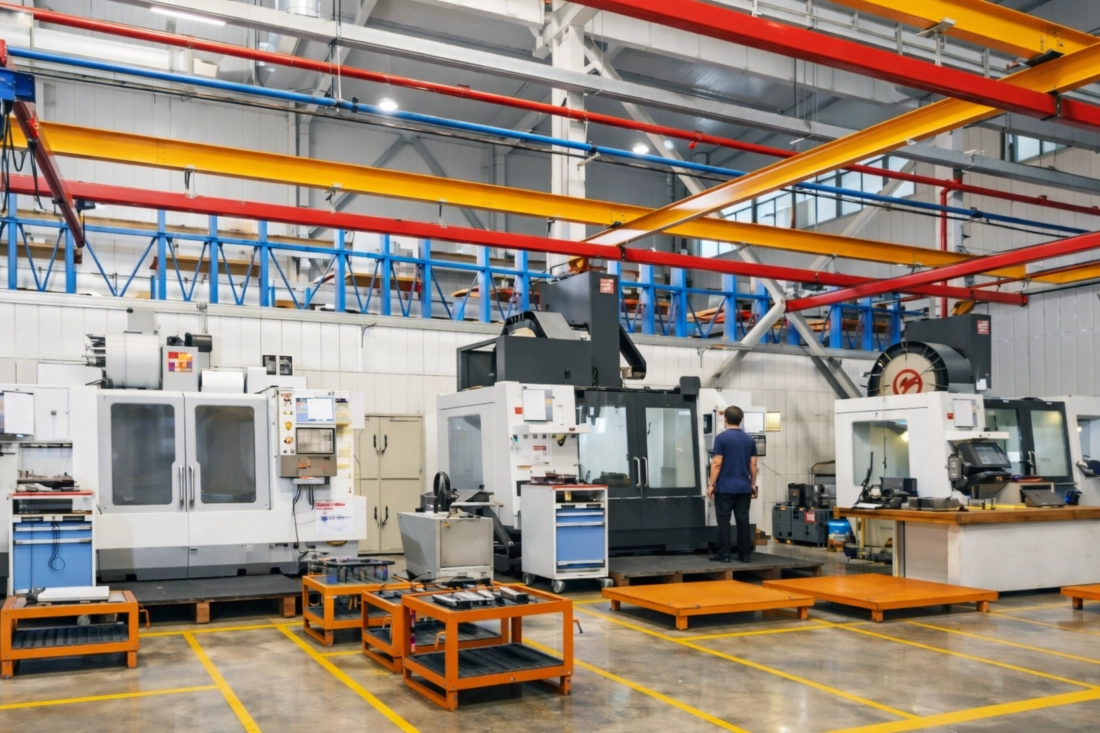

Global Manufacturing Hub in China
Located in the heart of China’s advanced equipment manufacturing zone, Ever Power leverages a complete supply chain to deliver world-class hydraulic solutions. We don’t just assemble; we manufacture. From raw Q345D billet sourcing to CNC precision machining and automated welding, every step is controlled in-house.
Our “Custom-First” philosophy means we can replicate obsolete cylinders from European or American mills, or engineer improved versions that fit the same footprint. We export globally, with full documentation including material certificates, pressure test reports, and ISPM-15 compliant crating.
Respostas de especialistas: Conversa técnica sobre hidráulica
How does Ever Power ensure cylinders withstand 200°C temperatures?
We utilize high-grade Fluorocarbon (Viton) seals for all internal components and high-temperature wipers. For extreme zones, we can engineer water-cooled jackets or apply ceramic rod coatings.
What protection do you offer against abrasive mill scale dust?
We install double-lip metallic or polyurethane wipers that aggressively scrape the rod. Additionally, the rod is hard chrome plated to a minimum of 30 microns to prevent scoring.
Can you manufacture a drop-in replacement for a Rexroth or Parker cylinder?
Yes, we specialize in reverse engineering. Provide us with the model number or drawings, and we will manufacture a dimensionally identical unit with potentially upgraded internal materials.
Do you ship custom hydraulic cylinders internationally?
Yes, we are a global exporter based in China. We handle all logistics and packaging (wooden crates) to ensure safe delivery to your mill anywhere in the world.
Don’t Let Hydraulic Failure Halt Production
Trust the metallurgical experts with 18 years of experience. Get reliability, delivered.