Driving the Core of Agricultural Waste Automation
Maintaining rigorous hygiene standards within modern intensive livestock farming facilities is absolutely critical for preventing disease proliferation and ensuring optimal animal welfare. Automated manure scrapers operate relentlessly across expansive barn floors, pulling heavy volumes of dense, liquid-rich waste toward collection pits. The mechanical drive systems powering these heavy-duty scrapers rely entirely on extensive networks of steel chains or industrial wire ropes. Operating under constant, heavy dynamic loads, these pulling mechanisms inevitably experience physical stretching and structural elongation over time. Controlling this elongation requires a highly responsive, durable fluid power actuator: the scraper tensioning cylinder. Operating silently within the drive unit, this specialized hydraulic component exerts continuous, calculated outward force against the tensioning sprocket or pulley. Maintaining precise, unwavering tension prevents catastrophic chain derailment, eliminates erratic scraping speeds, and fundamentally protects the electric drive motors from destructive shock loads caused by slack accumulation in the drive lines. Operating within an atmosphere saturated with highly corrosive gases and direct exposure to liquid waste, these actuators demand an uncompromising approach to metallurgical selection and sealing technology.
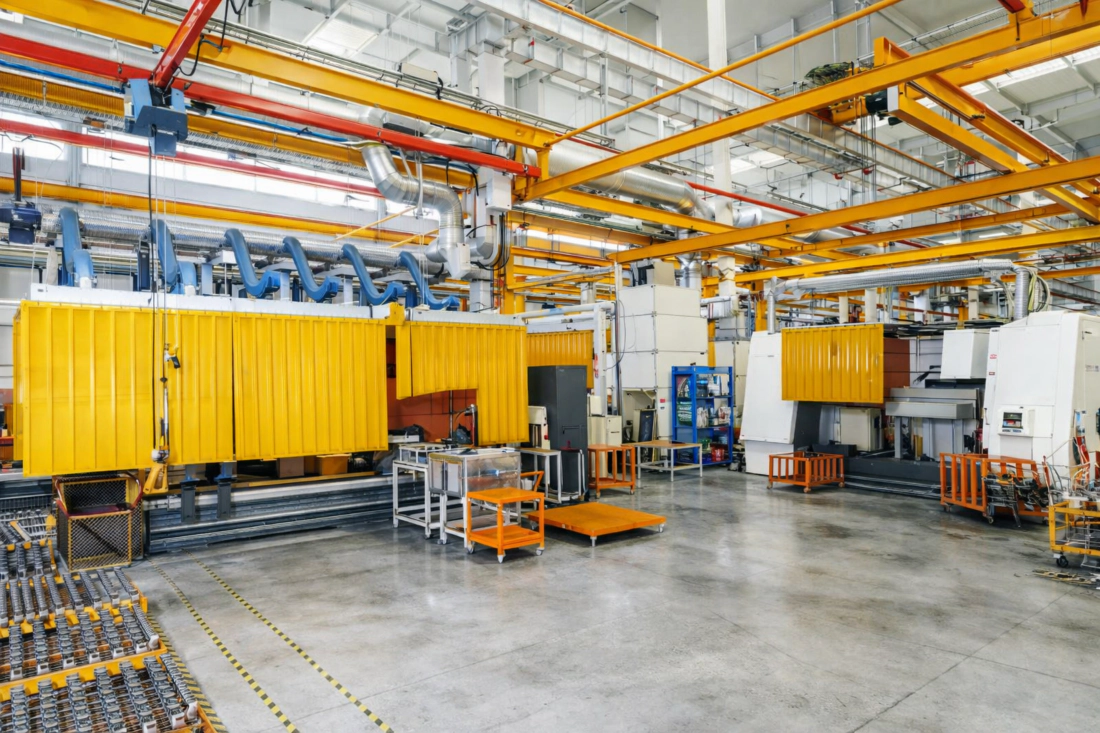
Global agricultural facility directors and heavy machinery design engineers require absolute transparency and verified manufacturing excellence when sourcing critical drivetrain components. We actively invite industry professionals to digitally step into our state-of-the-art production ecosystem to witness our rigorous manufacturing protocols firsthand. By exploring our facility, you will observe our advanced multi-axis CNC machining centers, robotic precision welding stations, and exceptionally stringent high-pressure dynamic testing environments that guarantee the operational integrity of every actuator we build. Welcome to visit our VR factory: Conheça nossa unidade de produção virtual.. Engaging directly with our transparent production environment establishes an unshakable foundation of technical trust between our fluid power application engineers and your agricultural machinery design teams.
Structural Kinematics: Double-Acting Control and Welded Architecture
Exerting highly precise, unyielding force against a heavy-duty roller chain or steel rope driving tons of agricultural waste requires an actuator designed with absolute mechanical authority. A double-acting piston cylinder configuration provides this indispensable bidirectional kinetic control. Utilizing pressurized hydraulic fluid to command both the extension and retraction strokes guarantees that the tensioning carriage engages the drive line with exact, calculated pressure. This active hydraulic management continuously accommodates slight variations in chain stretch during heavy scraping cycles. Furthermore, the powered retraction stroke is vital for routine maintenance; it allows agricultural technicians to rapidly and safely disengage the tensioner to replace a damaged chain segment or shear pin without battling heavy mechanical springs. Single-acting systems relying on mechanical spring returns are entirely inadequate in this severe environment, as the springs quickly fatigue and corrode, resulting in a total loss of dynamic responsiveness.
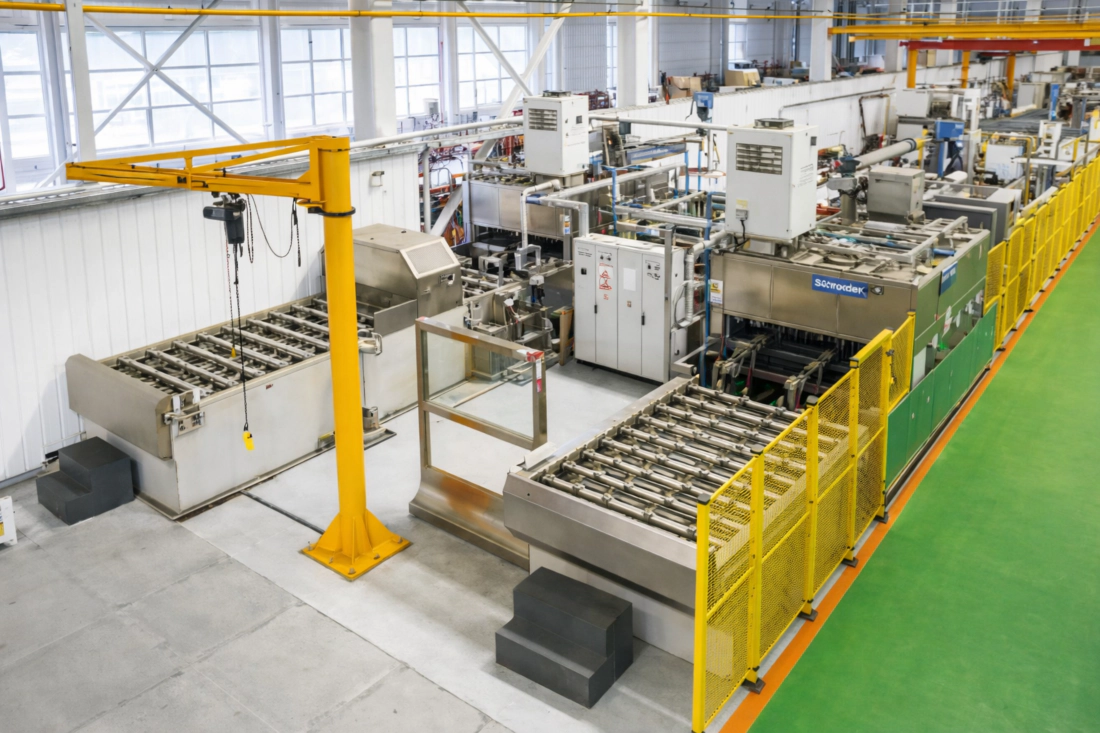
Housing this critical bidirectional power requires a structural footprint optimized for severe spatial constraints and high vibrations. We engineered this actuator utilizing a small piston cylinder form factor integrated seamlessly within a heavy-duty welded manufacturing structure. By employing deep-penetration automated robotic welding to permanently fuse the forged steel end caps directly to the primary carbon steel pressure barrel, we successfully eliminate the bulky, space-consuming external tie-rods universally found in conventional industrial cylinder designs. This streamlined, monolithic welded architecture drastically reduces the overall exterior dimensions, allowing the cylinder to integrate flawlessly into the narrow, densely packed mechanical drive units of the manure scraper without causing spatial interference. Moreover, eliminating exposed tie-rods removes the tiny crevices where corrosive manure and moist agricultural dust typically accumulate, vastly simplifying equipment sanitation protocols.
Neutralizing Severe Environmental Threats: Combating Chemical Degradation
Analyzing decades of performance data from fluid power systems deployed in livestock waste management consistently identifies two highly destructive, intertwined typical failure modes: catastrophic rod corrosion and severe seal swelling. The working environment surrounding a manure scraper is profoundly hostile. Animal waste continuously emits high concentrations of ammonia, hydrogen sulfide, and caustic urea. When standard carbon steel piston rods with basic chrome plating are exposed to this highly corrosive liquid manure and caustic gas, the chemicals inevitably penetrate the microscopic cracks inherent in industrial hard chrome. This initiates aggressive subsurface oxidation, creating deep rust pits and sharp jagged craters along the rod surface. Simultaneously, standard commercial polyurethane or nitrile seals chemically react with the alkaline manure liquids, causing the elastomers to swell, soften, and lose their critical compressive memory. As the heavily pitted, rusted rod cycles through these chemically degraded, swollen seals, the sealing matrix is instantly shredded, leading to massive hydraulic fluid leakage and total tensioner failure.
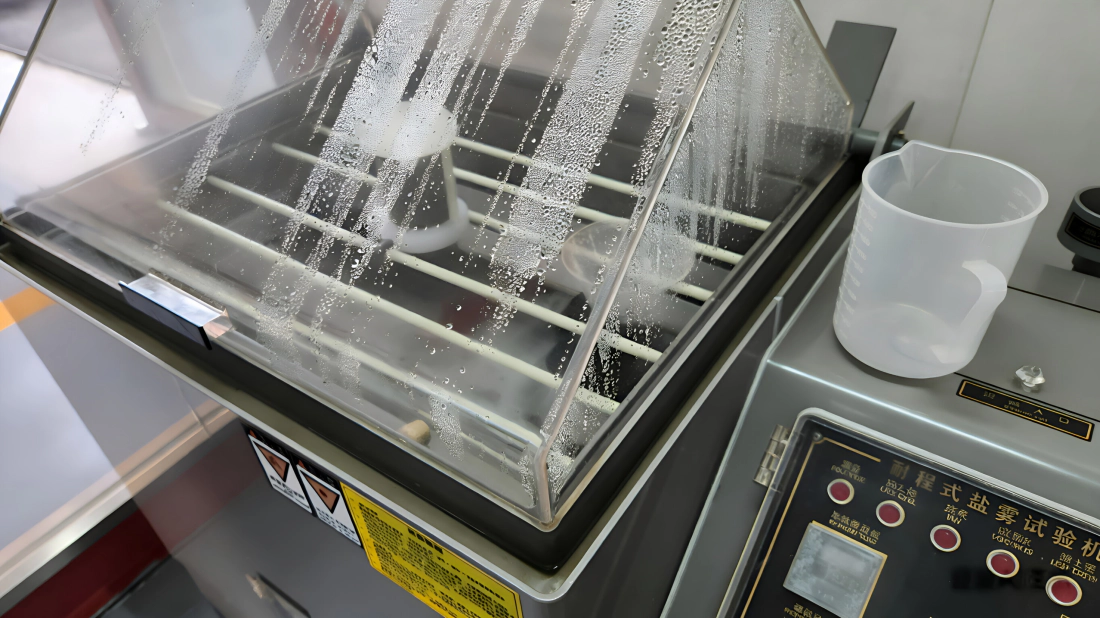
To aggressively neutralize this dual operational threat, our engineering protocol strictly mandates a specialized recommended configuration: the integration of a solid stainless steel rod paired exclusively with highly chemical-resistant seals. Replacing the standard carbon steel rod with a premium stainless steel alloy structurally eliminates the possibility of deep-pitting oxidation, regardless of continuous exposure to acidic and alkaline manure slurries. The stainless steel provides absolute metallurgical immunity to the barn atmosphere, ensuring the dynamic rod surface remains perfectly smooth. Concurrently, upgrading the internal sealing architecture to advanced fluoroelastomer (FKM/Viton) or specialized highly saturated nitrile compounds provides unparalleled chemical stability. These advanced corrosion-resistant seals easily withstand continuous submersion in livestock waste without swelling, hardening, or losing their dynamic sealing properties. This optimized configuration guarantees absolute fluid retention and ensures the tensioning mechanism operates flawlessly across an extended multi-year lifecycle.
Parâmetros de engenharia e matriz de desempenho
| Atributo técnico | Specification Standard & Operational Advantage |
|---|---|
| Tipo de ação | Double-Acting (Active, bidirectional hydraulic force for precise tension management) |
| Tipo de estrutura | Small Piston Cylinder (Highly compact dimensions for tight drive unit integration) |
| Estrutura de Fabricação | Welded Type (Seamless monolithic design eliminating vulnerable exterior tie-rods) |
| Sistema de materiais (barril) | Carbon Steel (Provides robust structural housing strength and impact resistance) |
| Surface Treatment (Standard) | Chrome Plated (Initial layer of defense for structural exterior components) |
| Grau ambiental | Corrosive + Manure Liquid (High concentrations of ammonia, urea, and humidity) |
| Recurso de condição de funcionamento | Maintain Scraper Tension (Preventing chain/rope derailment under heavy dynamic loads) |
| Modo de falha típico tratado | Rod Corrosion & Seal Swelling (Chemical degradation of standard components) |
| Configuração principal recomendada | Stainless Steel Rod + Corrosion-Resistant Seals (Total immunity to agricultural chemicals) |
Excelência em fabricação sob medida da China
The architectural diversity present within global agricultural waste management machinery dictates that a single, standardized fluid power actuator will inevitably fail to meet specific kinematic requirements. Different scraper drive stations possess highly variable chain geometries, distinct tensioning arcs, and incredibly unique hydraulic flow demands. Relying on rigid, off-the-shelf catalog cylinders frequently results in compromised tensioning performance, cumbersome adapter fittings, and bloated spatial envelopes. Operating as a premier custom manufacturing entity deeply embedded within China’s robust industrial supply chain, we systematically dismantle these engineering limitations. We possess the immense engineering bandwidth required to rapidly prototype and mass-produce double-acting small piston cylinders tailored exactly to your proprietary agricultural machinery blueprints.
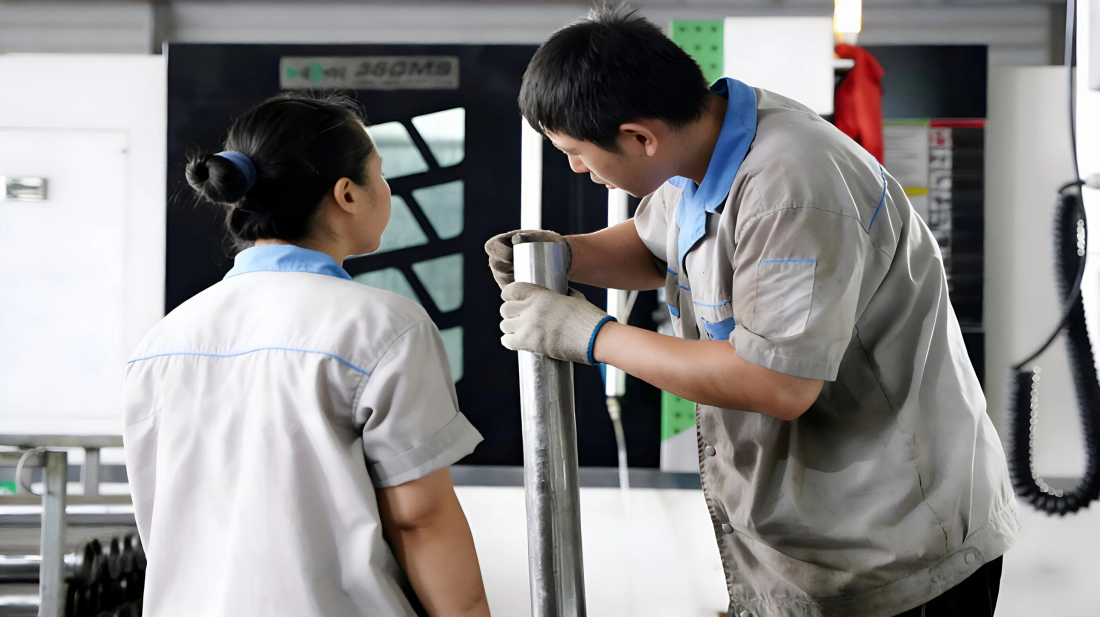
By strategically leveraging our massive localized metallurgical expertise and state-of-the-art multi-axis CNC machining centers, we seamlessly transition your complex engineering requirements from digital CAD assemblies into field-ready, heavily tested physical components with unprecedented speed. Whether your designs require highly specific trunnion mounts, altered stroke lengths down to the millimeter, or specific exterior protective coatings to withstand barn washing protocols, we execute the manufacturing flawlessly. Sourcing your precision scraper tensioning cylinders directly from our advanced production facilities guarantees your organization massive financial cost efficiencies without ever compromising on rigorous industrial-grade performance or exacting dimensional accuracy. Explore the full depth of our custom manufacturing capabilities and corporate history here: Descubra o nosso legado de engenharia.
Global Success: Optimizing Waste Management in European Swine Facilities
To vividly illustrate the mechanical superiority of our stainless steel rod and corrosion-resistant seal configuration, we analyze a highly demanding deployment with AgriClean Tech Solutions, a premier supplier of automated waste management systems across the Netherlands and Germany. Their large-scale operations required highly reliable scraper systems operating continuously within intensely humid barns saturated with high-concentration ammonia vapors and liquid swine manure. Their previously installed standard carbon steel tensioning cylinders were suffering catastrophic failures within months. The caustic manure liquids rapidly penetrated the standard chrome plating, causing severe rod pitting. The chemical reaction simultaneously caused the standard nitrile seals to swell and disintegrate. This dual failure led to massive hydraulic fluid leaks directly into the collection pits, loss of chain tension, derailed scrapers, and severely compromised facility hygiene protocols.
“The continuous corrosion-induced leakage was paralyzing our automated scraper lines. Integrating these highly customized cylinders completely eradicated the issue. The solid stainless steel rods and specialized seals effortlessly repel the corrosive barn atmosphere, ensuring zero fluid bypass.”
— Johannes M., Director of Operations
“Collaborating with their engineering team in China was remarkably fluid. They modified the welded small piston structures to perfectly match our tight space constraints within the drive units, delivering an incredibly robust fluid power solution at a fraction of European procurement costs.”
— Lukas H., Lead Mechanical Engineer
“The double-acting mechanism provides absolutely flawless control over the heavy chain tension. Since upgrading to these chemically resistant designs, our unscheduled maintenance related to the scraper hydraulics has effectively dropped to zero across all client installations.”
— Martina V., Head of Procurement
Engineering Intelligence & Technical Inquiries
How much does a custom double-acting hydraulic cylinder for a manure scraper cost from a China manufacturer?
The precise procurement price for a customized fluid power component relies entirely on highly specific engineering parameters, including stroke lengths, stainless steel rod specifications, and total production volume orders. By operating as a direct custom manufacturer located in China, we successfully eliminate expensive supply chain middlemen, ensuring highly aggressive, factory-direct pricing architectures. Connect directly with our engineering desk and submit your CAD schematics for a comprehensive financial quote.
What specific engineering features prevent rod corrosion and seal swelling in livestock manure environments?
Preventing catastrophic internal leakage caused by caustic animal waste requires an uncompromising approach to metallurgy and chemistry. Our specialized configuration actively replaces standard carbon steel rods with a solid stainless steel alloy, completely preventing subsurface rust pitting. Concurrently, we utilize advanced fluoroelastomer or highly saturated nitrile seals that maintain their molecular integrity and compressive memory despite constant submersion in highly alkaline manure liquids, preventing catastrophic seal swelling.
Where can agricultural facility designers purchase high-strength welded small piston cylinders equipped with stainless rods?
Global agricultural equipment architects and facility engineers can procure highly advanced, chemically resistant fluid power actuators directly through our sophisticated manufacturing network based in China. We deeply specialize in translating rigid mechanical barn constraints into heavily tailored, unyielding welded cylinder designs. Partnering closely with our dedicated engineering teams guarantees the flawless integration of specialized components engineered specifically to handle the relentless corrosive profiles of automated waste removal systems.
Why is a welded structure superior to tie-rod designs for manure scraper tensioning mechanisms?
The densely packed mechanical architecture of modern scraper drive units makes the integration of bulky standard fluid power components physically impossible. The welded structure actively eliminates the highly obtrusive external tie-rods universally found on conventional designs. By metallurgically fusing the end caps directly to the main pressure barrel, the outer diameter is drastically minimized, allowing the streamlined actuator to operate within extremely confined spaces while eliminating crevices where corrosive manure debris accumulates.
When should farm equipment maintenance teams replace scraper tensioning cylinders to prevent unexpected chain derailments?
Proactive agricultural maintenance teams must initiate comprehensive cylinder replacements the exact moment they detect any visible fluid weeping around the wiper seal, observe erratic slack in the primary drive chain, or notice early stage rust pitting on the extended rod. Allowing a chemically compromised component to continue operating guarantees a sudden, catastrophic loss of hydraulic tension under load. Preemptively upgrading to our specialized stainless-rod cylinders entirely prevents these dangerous mechanical failures.