Double-Acting Stainless Steel Hydraulic Cylinders for Fuel Cell Stack Assembly & Compression Jigs
Precision Clamping Solutions Engineered for Cleanroom Environments and Zero-Contamination PEM Stacking
In the precision-driven world of hydrogen energy manufacturing, specifically within the assembly of Proton Exchange Membrane (PEM) fuel cell stacks, the margin for error is measured in microns and particles. As an application engineer who has spent the last 18 years optimizing fluid power systems for high-tech industries, I have observed a critical evolution in assembly line requirements. The “Stacking Jig”—the apparatus responsible for compressing hundreds of delicate Membrane Electrode Assemblies (MEAs) and bipolar plates into a single unified power source—requires an actuator that offers more than just force. It demands absolute hygiene, unwavering linearity, and a complete absence of contaminants.
Standard carbon steel hydraulic cylinders, with their inherent risk of rust particulate generation and oil weepage, are the enemy of the fuel cell. A single microscopic droplet of hydraulic fluid or a flake of oxidized metal can poison the catalyst layer, rendering a high-value stack inefficient before it even leaves the factory. To combat this, we have engineered a dedicated line of Double-Acting Stainless Steel Polished Cylinders. These are not merely repurposed food-grade actuators; they are purpose-built “Clean Power” modules featuring welded 304/316L construction and advanced low-friction sealing systems designed to operate in ISO Class 7 and Class 8 cleanrooms.
Audit Our Clean Manufacturing Standards
We understand that trust is built on transparency. We invite you to virtually tour our specialized stainless steel machining center in China, where you can verify our electropolishing protocols and clean-assembly areas.
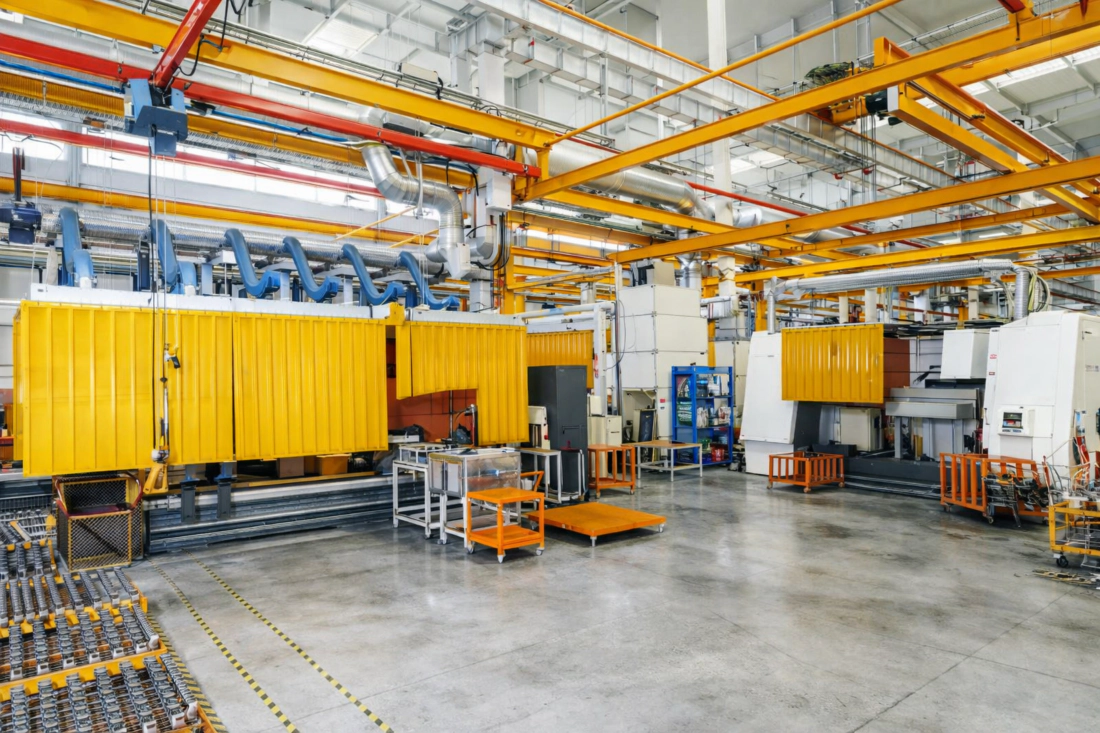
The Anatomy of a Cleanroom Stacking Cylinder
316L Stainless Construction
We utilize 316L (Low Carbon) Stainless Steel for the cylinder barrel, cap, and rod. This material choice is non-negotiable for fuel cell environments. It eliminates the risk of oxidation and requires no paint—paint chips being a primary source of particulate contamination in assembly jigs. The welded construction removes tie-rods, which are notorious for trapping dust and bacteria.
Surface Electropolishing
Mechanical polishing is insufficient. Our cylinders undergo an electropolishing process that reduces surface roughness to Ra < 0.2μm. This microscopic smoothness prevents the adhesion of dust and creates a passive chromium-rich surface layer that is chemically inert, ensuring the cylinder does not react with any cleaning agents used in the facility.
“Dry” Sealing Technology
The “Stacking Clamping Cylinder” features a specialized PTFE/PEEK composite seal configuration. These materials offer ultra-low friction coefficients, allowing for smooth motion without the need for external lubrication on the rod. The rod wiper is designed to aggressively prevent any cleanroom particles from entering the system while ensuring zero hydraulic fluid exits.
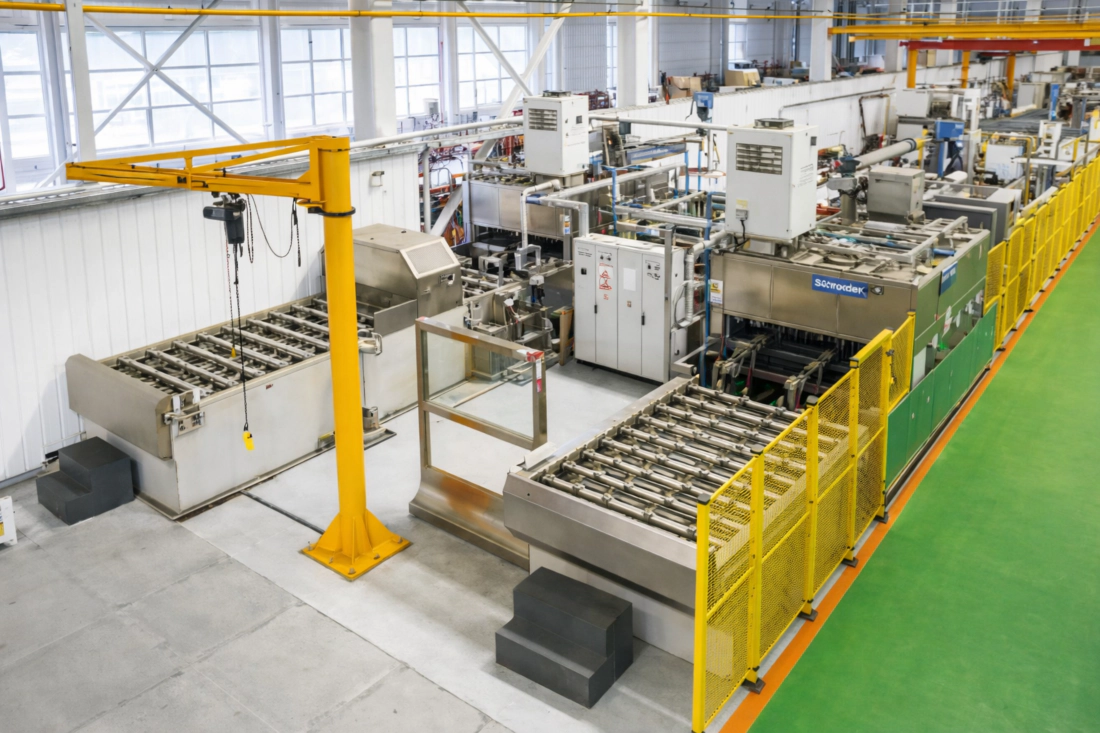
Client Success: Upgrading Production for a Hydrogen Bus Fleet
O desafio: A major Tier 1 automotive supplier in South Korea was ramping up production for a new fleet of hydrogen city buses. Their existing stacking press used standard industrial cylinders with rubber bellows for protection. However, during the 10-ton compression cycle, the bellows were degrading, releasing rubber micro-particles onto the bipolar plates. Additionally, stick-slip motion in the cylinders caused uneven pressure distribution, leading to micro-cracks in the graphite plates.
A solução: Ever Power engineering team replaced the actuation units with our Clean Series Stainless Steel Servo-Ready Cylinders. We implemented a double-rod end design to improve guidance stability and utilized a low-friction seal kit compatible with their specific fire-resistant hydraulic fluid. We also polished the external surfaces to allow for easy wipedown during shift changes.
O resultado: The particulate contamination rate dropped to near zero, passing the stringent ISO cleanliness audit. The smooth, predictable motion of the new cylinders allowed the clamping force to be applied linearly, reducing the stack rejection rate due to plate cracking by 95%.
“The cleanliness of the Ever Power cylinders is exceptional. We no longer worry about hydraulic contamination compromising our membrane lifespan.”
— Kim Min-Su, Production Director
“We needed a customized mounting flange to fit our automated assembly robot. The team in China delivered the prototype within 3 weeks.”
— Lee Jin-ho, Automation Engineer
“High precision at a competitive cost. These stainless cylinders perform exactly as required for our high-force pressing applications.”
— Hans Mueller, Quality Consultant
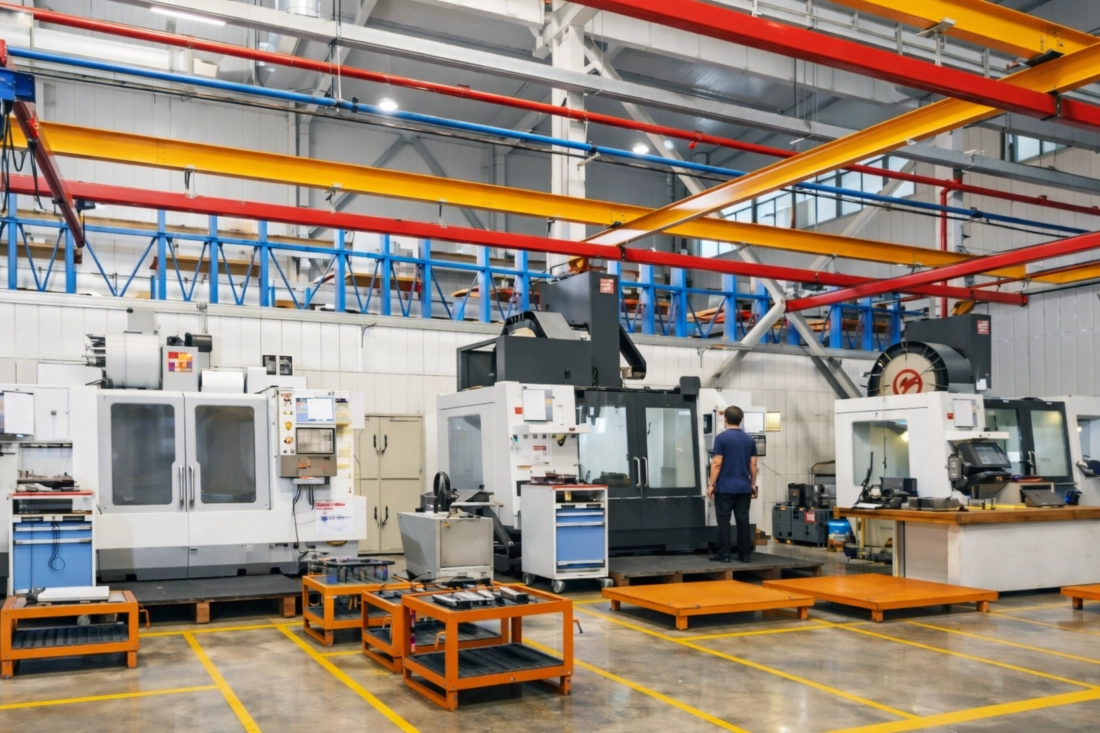
Technical Specifications: Fuel Cell Stacking Series
| Categoria de especificação | Standard Parameter | Customization Capability |
|---|---|---|
| Tipo Cilindro | Double-Acting Piston (Welded) | Double Rod / Hollow Rod |
| Grau do material | Stainless Steel 304 / 316L | Duplex 2205 (High Pressure) |
| Acabamento da superfície | Polished (Ra 0.4μm) | Electropolished (Ra < 0.2μm) |
| Configuração de vedação | Low Friction PTFE/Bronze | Food Grade / Cleanroom Specific |
| Pressão de trabalho | 160 Bar (16 MPa) | Up to 250 Bar (25 MPa) |
| Position Sensing | Magnetic Piston Ready | Integrated Linear Transducer |
Versatility in the Hydrogen Ecosystem
The utility of our stainless steel hydraulic cylinders extends well beyond the primary stacking jig. In the comprehensive value chain of hydrogen fuel cell production, these actuators serve multiple critical functions where cleanliness is paramount.
Leak Testing Stations: During the End-of-Line (EOL) testing, cylinders are used to clamp the stack into the test bench. Our servo-ready cylinders provide the exact sealing force needed to test gas tightness without damaging the seals.
Electrolyzer Manufacturing: The assembly of large-scale alkaline or PEM electrolyzers shares similar requirements for high force and zero contamination. Our larger bore stainless cylinders are perfectly suited for these heavy-duty green energy applications.
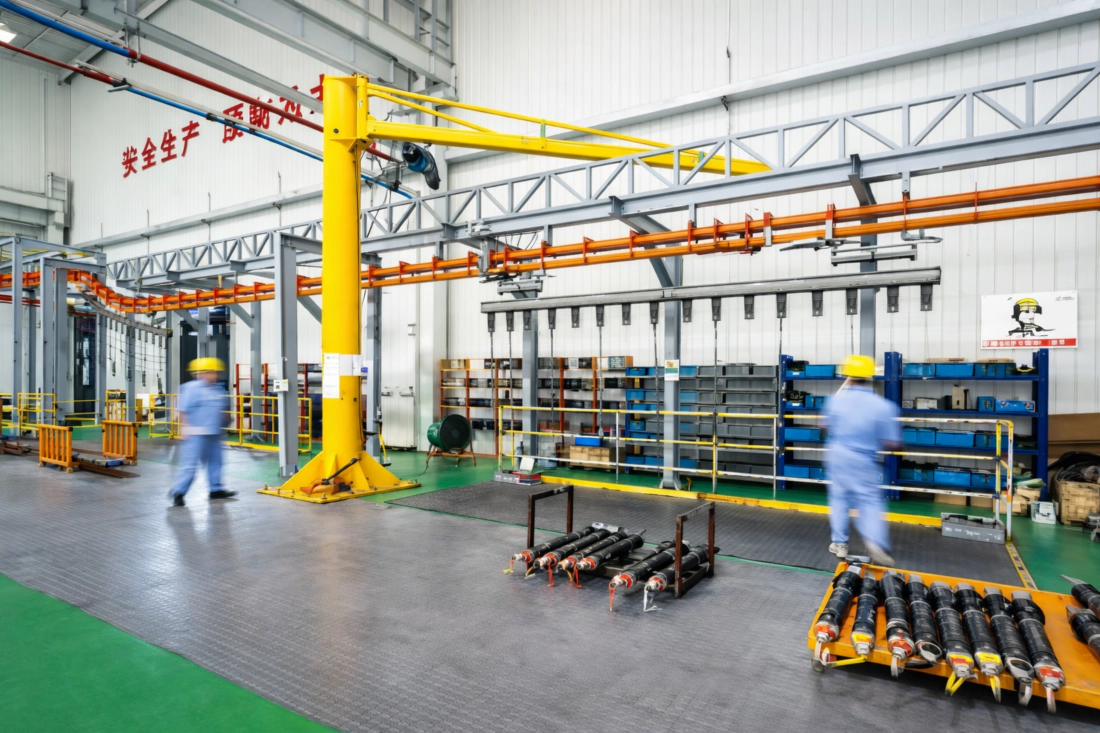
Global Engineering, Manufactured in China
Ever Power acts as your specialized manufacturing partner. We understand that fuel cell designs are proprietary and constantly evolving. Whether you need a unique rod end thread to mate with a specific load cell, or a custom port orientation to fit into a compact assembly station, our R&D team can prototype and produce it.