Dwustronnego działania
Welded Piston Hydraulic Cylinder for Fishery Trawl Winch Braking Systems
Advanced marine fluid power engineered to deliver unyielding stopping force, completely neutralizing seawater degradation and ensuring absolute safety in commercial fishing operations.
Commercial fishery operations endure some of the most violently unforgiving atmospheric conditions on the planet. Deep-sea fishing vessels rely entirely on massive deck machinery to deploy and retrieve expansive nets holding hundreds of tons of aquatic harvest. The safety of the entire crew and the economic success of the voyage hinge upon the absolute reliability of the heavy-duty trawl winches. Controlling winch braking requires an actuator capable of generating immense clamping force instantly, while surviving constant submersion in freezing oceanic spray. We have engineered a highly specialized double-acting welded piston hydraulic cylinder specifically formulated to conquer these extreme maritime challenges. By integrating advanced metallurgy with superior surface defense technologies, our trawl winch brake cylinder provides unrelenting mechanical authority over the winch drum, completely immune to the devastating effects of the marine atmosphere. We invite naval architects, marine engineers, and fleet procurement directors to explore our advanced manufacturing hub where these mission-critical actuators are forged. Zapraszamy do odwiedzenia naszej fabryki VR tutaj to experience the precision CNC machining and rigorous pressure testing protocols that guarantee our fluid power supremacy upon the open ocean.
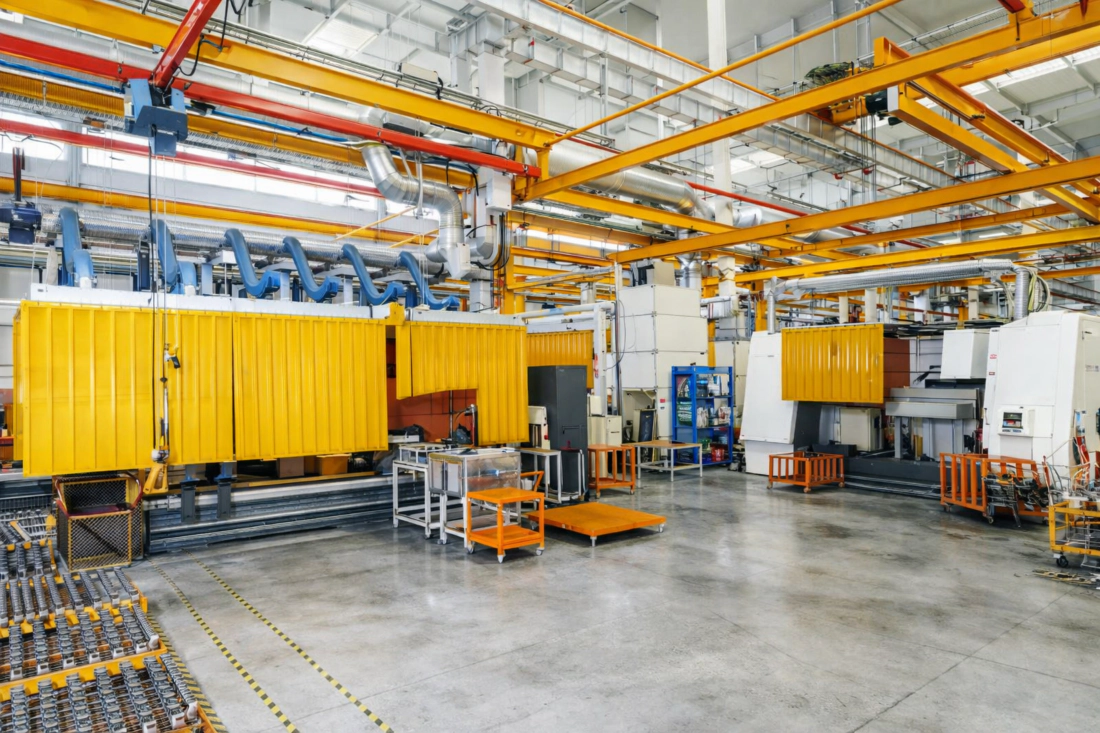
Structural Kinematics: Double-Acting Welded Piston Mechanics
The immense kinetic energy generated by a freely spinning trawl winch spool requires instantaneous, massive counter-force to halt safely. To achieve this critical stopping power, our trawl winch brake cylinder utilizes a double-acting piston cylinder architecture. By routing highly pressurized hydraulic fluid into both the extension and retraction chambers, the automated shipboard system actively forces the heavy brake calipers or friction bands to clamp down with extreme pressure. Equally important, this dual-action fluid routing actively powers the brakes open upon command, preventing dangerous brake dragging and localized overheating during rapid net deployment sequences. Relying on passive spring-return mechanisms in this scenario is a severe safety hazard, as salt buildup and mechanical friction can easily overpower a mechanical spring, leaving the winch permanently locked or freely spinning.
To safely contain these extreme hydraulic operating pressures, we abandoned standard industrial tie-rod designs in favor of a heavy-duty welded structure. The end caps, heavy mounting trunnions, and structural clevises are permanently fused to the main cylinder barrel using deep-penetration automated welding. This creates a monolithic actuator body that completely resists the intense vibration and violent structural shock of rough seas. The core foundation of this welded structure is forged from premium 42CrMo alloy steel. This high-strength, high-toughness metallurgical matrix provides the exceptional tensile properties required to absorb the violent mechanical shocks that occur when a massive trawl net suddenly catches on a submerged seabed obstacle, ensuring the braking actuator never deforms under peak dynamic load.
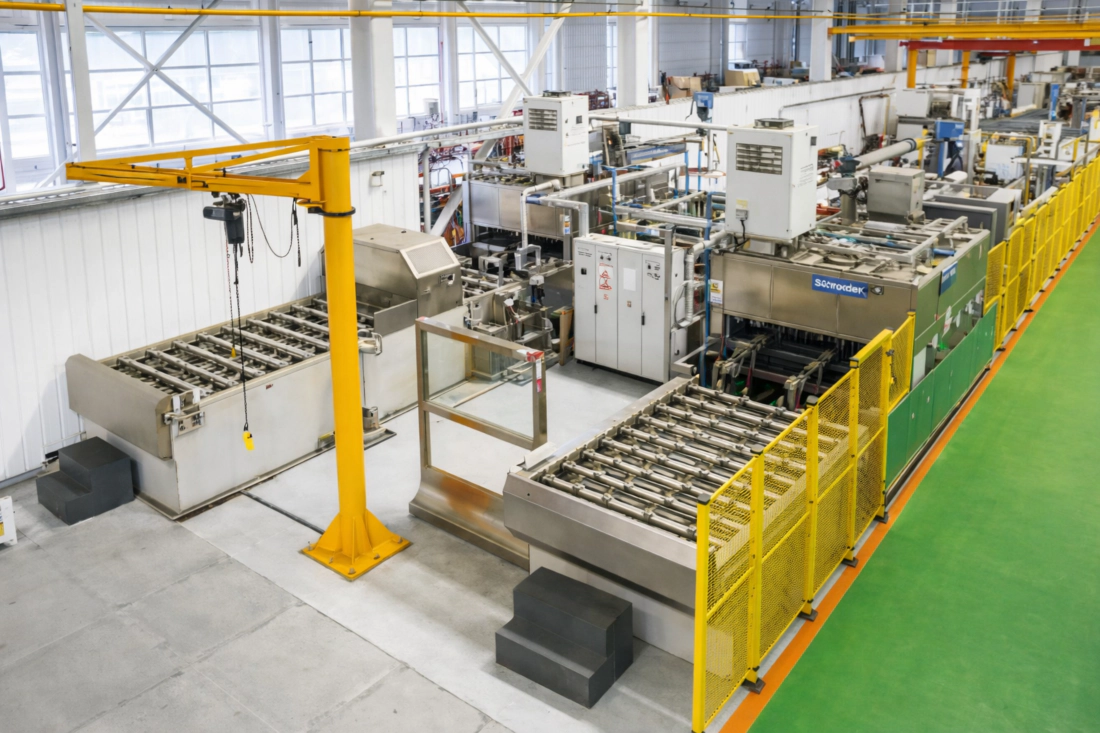
Environmental Defense: Eradicating Corrosion Jamming
The atmospheric reality of the commercial fishery industry is defined by continuous, aggressive salt spray and direct seawater corrosion. This hyper-saline marine environment acts as a rapid catalyst for galvanic oxidation on all exposed deck machinery. A prevalent and catastrophic typical failure mode for standard hydraulic components in this setting is corrosion jamming. When conventional chrome-plated cylinder rods inevitably rust, the expanding iron oxide binds the dynamic rod rigidly within the sealing gland, paralyzing the actuator. A jammed trawl winch brake cylinder cannot release or engage the winch drum, leading to severe safety emergencies, torn nets, and potentially compromising the stability of the entire fishing vessel during a storm.
We completely eradicate the threat of corrosion jamming by implementing an advanced electroless nickel plating surface treatment over the 42CrMo steel rod. Nickel plating provides a vastly superior, non-porous metallic shield compared to standard industrial hard chrome, offering exceptional chemical resistance against concentrated oceanic salinity. This ultra-smooth nickel plating layer is paired with our highly specialized marine-grade seals. These advanced polymer seals are precisely formulated to resist the degrading effects of intense solar UV radiation, saltwater ingress, and harsh marine synthetic lubricants. This highly recommended configuration—nickel plating combined with marine-grade seals—guarantees that the double-acting hydraulic cylinder maintains a flawlessly tight, frictionless fluid boundary, ensuring the winch braking system responds with absolute precision even after years of relentless offshore exposure.
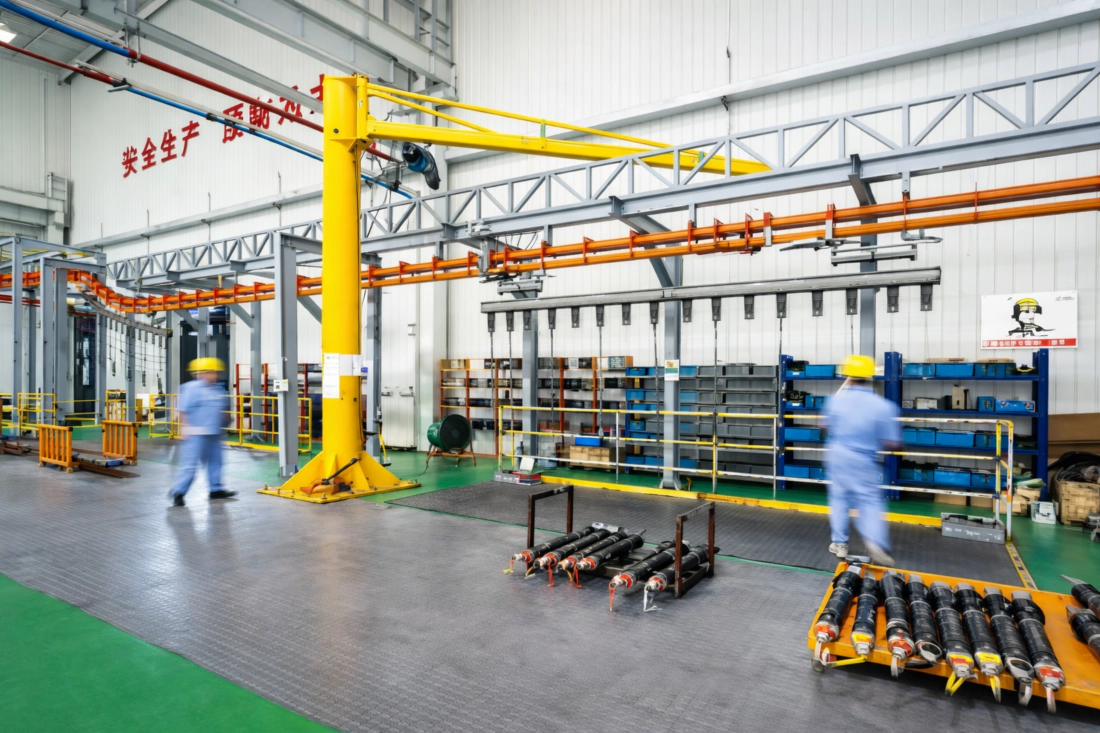
Podstawowe parametry inżynieryjne i specyfikacje techniczne
| Parametr inżynierski | Specyfikacja systemu |
|---|---|
| Branża zastosowań docelowych | Agriculture | Fishery & Fishing Machinery |
| Podstawowa funkcja kinematyczna | Controlling Winch Braking Mechanisms |
| Tryb działania kinematycznego | Dwustronnego działania (wysuwanie i wsuwanie z napędem) |
| Architektura wewnętrzna | High-Pressure Piston Cylinder |
| Struktura produkcji | Konstrukcja spawana o dużej wytrzymałości |
| Materiał rdzenia matrycy | High-Strength 42CrMo Alloy Steel |
| Obróbka powierzchni zewnętrznych | Niklowanie bezprądowe |
| Tolerancja środowiskowa | Extreme Salt Spray + Seawater Corrosion |
| Typowy tryb awarii rozwiązany | Eradication of Corrosion Jamming & Seal Blowout |
| Recommended Sealing Configuration | Nickel Plating + Marine-Grade Seals |
Strategic Application Scenarios for Global Fishing Fleets
The deployment of our custom trawl winch brake cylinder extends across the most physically demanding applications within the global fishery and offshore industries. On massive factory trawlers operating in the violent, freezing waters of the North Atlantic or the Bering Sea, the deck equipment is constantly battered and coated in freezing salt spray. The integrated nickel plating and marine-grade seals ensure that the double-acting piston cylinder remains fully operational beneath layers of oceanic ice, providing the exact hydraulic holding torque required to safely secure the heavy trawl doors during stormy transit. By maintaining perfect volumetric efficiency, the braking mechanism responds instantaneously to the captain’s commands, protecting the crew during hazardous net retrieval operations.
Similarly, on large purse seine vessels navigating the highly saline and intensely hot equatorial oceans, the heavy-duty welded structure easily manages the rapid, repetitive braking cycles required to purse the massive nets. The 42CrMo steel matrix absorbs the tremendous heat generated by the friction bands without losing structural integrity. By providing unrelenting mechanical authority over the winch drum, our custom hydraulic cylinders protect the costly synthetic netting and expensive deck hardware from free-spooling damage, maximizing the operational uptime, extending the lifespan of the ship’s rigging, and directly increasing the economic yield of the entire fishing expedition. Explore our comprehensive range of marine fluid power innovations here.
Elite Custom Marine Hydraulic Manufacturing in China
Operating as a premier fluid power engineering and manufacturing center located in China, our facility represents the pinnacle of customized marine hydraulic production. We fundamentally recognize that off-the-shelf industrial components are entirely inadequate for the unique spatial constraints and extreme kinematic demands of proprietary fishing vessels. Our absolute core competency lies in delivering deeply customized product engineering solutions tailored specifically to your exact naval blueprints. Whether your trawl winch design requires bespoke trunnion mounting dimensions, specific stroke lengths for varied brake caliper geometries, or specialized hydraulic porting manifolds, our technical design team in China will collaborate directly with your marine engineers to co-develop the exact welded piston cylinder your project dictates. By leveraging vast automated CNC machining capabilities, we process premium 42CrMo steel with microscopic precision, guaranteeing rapid prototyping and highly scalable production runs. Partnering with our Chinese facility provides your global enterprise with unparalleled access to elite manufacturing quality, ensuring your fishery machinery dominates the international maritime market.
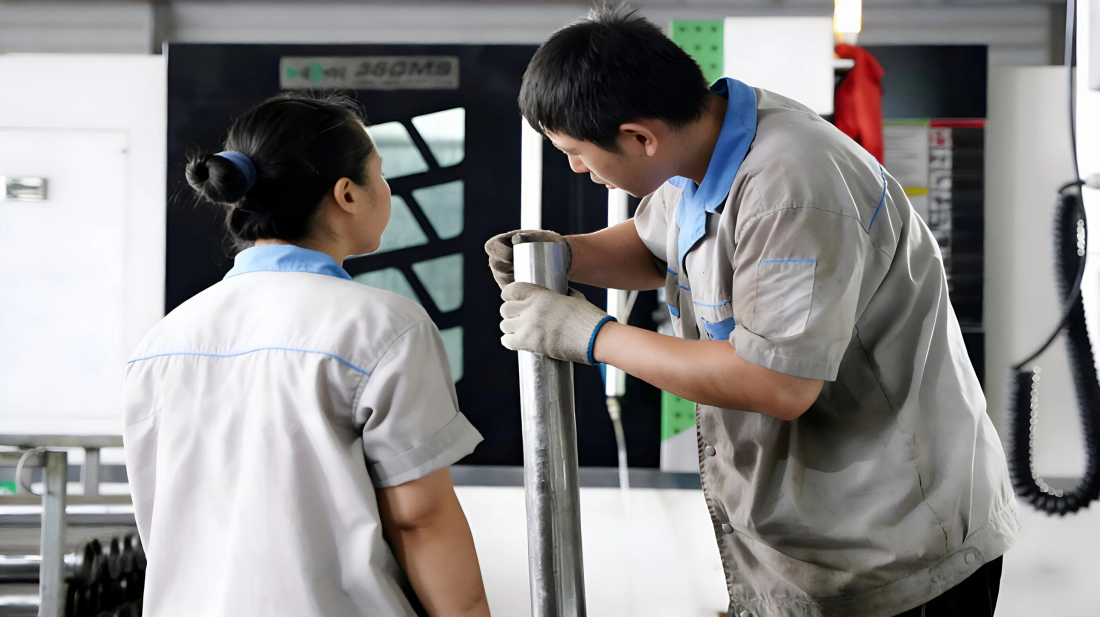
Customer Success Story: Eradicating Winch Failure in the Norwegian Fleet
A highly respected commercial fishing fleet operating out of Tromsø, Norway, faced a critical mechanical crisis during their winter cod harvesting season. The massive trawl winches on their flagship vessels were experiencing a dangerously high failure rate in their braking systems. Forensic engineering evaluations revealed that the original painted carbon steel cylinders controlling the winch brakes were succumbing rapidly to corrosion jamming. The relentless salt spray + seawater corrosion environment of the Arctic Ocean penetrated the standard chrome plating, causing the cylinder rods to rust and swell. This galvanic oxidation seized the rods rigidly within the glands, paralyzing the double-acting mechanism. The paralyzed brakes either dragged continuously, burning out the friction linings, or failed to engage entirely, causing dangerous free-spooling incidents on the icy deck.
The fleet’s naval architects collaborated immediately with our custom hydraulic division to deploy a permanent structural remedy. We rapidly engineered a highly specific batch of double-acting, welded piston cylinders forged entirely from 42CrMo steel to handle the extreme Arctic shock loads. To permanently combat the hyper-saline atmosphere, we applied an impenetrable layer of electroless nickel plating to the dynamic rods, paired exclusively with our proprietary marine-grade seals. Upon retrofitting the fleet’s winches, the operational transformation was absolute. The double-acting force clamped and released the heavy brakes with mathematical precision. Over the subsequent three years of continuous North Atlantic operation, the fleet reported zero instances of corrosion jamming or seal blowout. The nickel-plated rods remained flawlessly smooth, completely restoring the safety protocols and immense profitability of the Norwegian trawler fleet. Read more about our naval engineering legacy here.
Global Maritime Engineering Feedback
“The severe salt spray + seawater corrosion environment on our Alaskan trawlers destroys standard actuators in months. Moving to these nickel-plated units from their China factory completely solved our rod rusting issues. Controlling winch braking is now flawlessly reliable.”
— Captain Henrik S., Deep-Sea Fleet Operations, USA
“We require immense stopping power to halt a free-spinning drum. The double-acting welded piston design they customized for our marine winches utilizes 42CrMo steel that never deforms under peak load. Incredible manufacturing precision.”
— Bjørn T., Naval Architect & Deck Machinery Designer, Iceland
“Corrosion jamming was causing dangerous free-spooling emergencies on deck. Since installing these custom units with marine-grade seals and nickel plating, we haven’t experienced a single seized actuator. The engineering quality is undeniably world-class.”
— Diego V., Offshore Procurement Director, Spain