You know the scenario. It is 4:00 PM, your driver has just finished a pour, and the drum is caked in residual aggregate. He hits the switch to pop the water tank lid for the washdown, and… nothing. A groan, a hiss, maybe a dribble of hydraulic fluid, but that lid stays shut. In my 18 years of troubleshooting hydraulic systems for construction machinery, I’ve seen more hammers taken to water tank lids than I care to count. It is a small component—usually just a compact double-acting cylinder—but when it fails, it halts the entire cleaning process, risking the integrity of your mixer drum.
The problem isn’t usually the hydraulic pressure; it’s the environment. We are talking about a component that lives in a constant mist of water, chemical additives, and arguably the most corrosive substance on a job site: wet cement. Most OEMs (and I say this with respect, but it’s true) equip these tanks with standard carbon steel cylinders that are painted or perhaps lightly zinc-plated. That works fine in a showroom. But on a job site, once that paint chips—and it will chip—the cement splatter eats right into the metal. We call it “pitting corrosion,” and it is the death knell for your seals.
That is why we stopped messing around with coatings years ago for this specific application. For the water tank opening cylinder, the only material that makes sense is Stal nierdzewna 316L. We’ve seen that moving to a polished, welded stainless design doesn’t just extend the life of the part; it effectively makes it maintenance-free for the life of the truck. It’s about fighting chemistry with chemistry.
👀 Step Inside Our Stainless Production Line
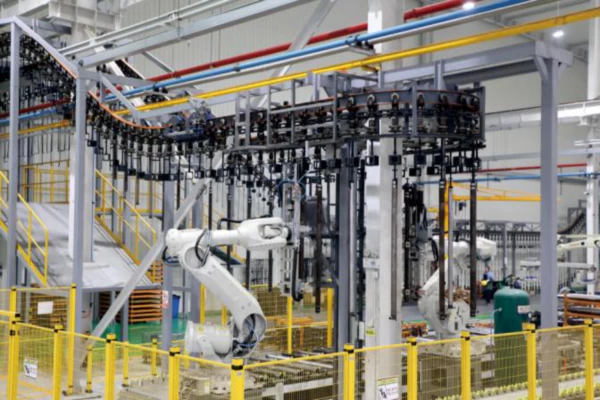
You don’t have to take my word for it. We believe in total transparency. We’ve set up a virtual tour where you can walk through our facility and see exactly how we weld and polish these stainless units to a mirror finish.
The Hidden Enemy: Why Standard Cylinders Fail on Water Tanks
Here is the thing most fleet managers don’t realize until it’s too late: Cement is highly alkaline (high pH), but when it dries and traps moisture against a standard chrome-plated rod, it creates a localized corrosion cell. Standard hard chrome plating is porous on a microscopic level. Once the water molecules, carrying those dissolved concrete ions, penetrate the chrome and hit the carbon steel substrate, the rod starts to rust from the inside out. This creates bubbles in the chrome.
When the cylinder retracts to open the water tank, those rough bubbles shred your wiper seal like sandpaper. Once the wiper seal is gone, water enters the hydraulic system, and suddenly, you are looking at a contaminated pump, not just a broken cylinder. By using a welded 316L stainless steel body and rod, we eliminate the substrate corrosion issue. 316L contains Molybdenum, which specifically boosts resistance against the chloride-type pitting attacks often found in chemical washdowns and coastal construction sites.
Technical Specs: The 316L Advantage
We’ve engineered these small piston cylinders to be drop-in replacements for standard systems, but with the guts of a marine-grade instrument. The polishing is key here—not just for looks, but because a polished stainless surface has nowhere for the cement to “grip.” It slides right off.
| Funkcja | Szczegóły specyfikacji |
|---|---|
| Typ cylindra | Small Bore Double-Acting Piston (Welded) |
| Materiał lufy | 316L Stainless Steel (Seamless, Polished) |
| Materiał pręta | 316L or 17-4PH Stainless (Hardened & Polished) |
| Odporność na korozję | Excellent against cement alkalinity, chlorides, and acid wash |
| Średnica otworu | 40mm – 80mm (Customizable) |
| System uszczelniający | Viton (FKM) for chemical resistance & high temp |
| Wykończenie powierzchni | Electropolished / Mirror Finish (Ra < 0.2) |
| Montowanie | Clevis, Trunnion, or Threaded Eye (Stainless) |
Gdzie znajduje się ten cylinder?
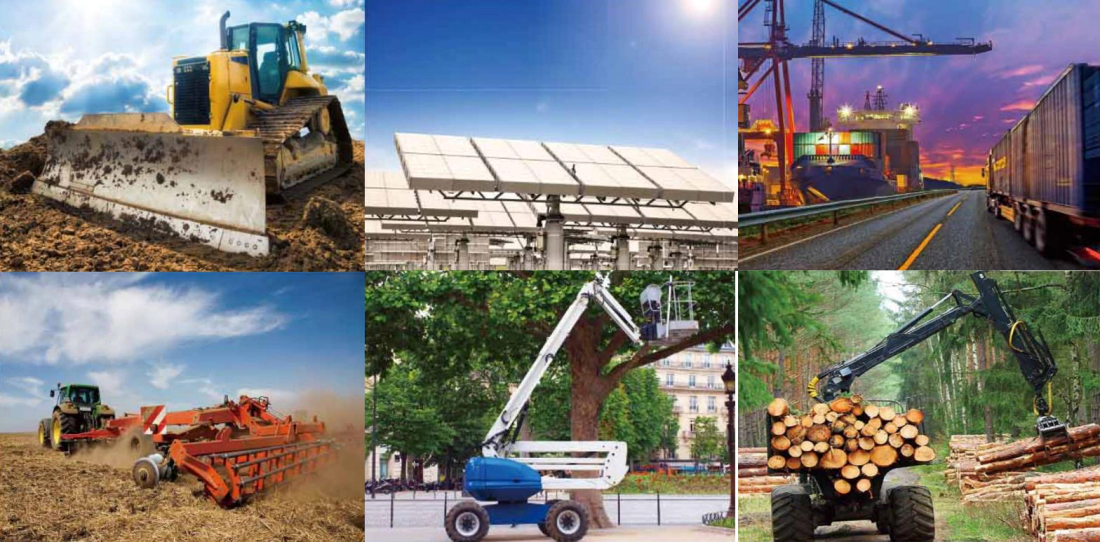
While the primary application is the concrete mixer truck water tank lid, the utility of this specific design goes beyond just mixing cement. We’ve successfully deployed these units in chemical tanker washdown systems and road sweeper dust suppression tanks. Any environment where you have a small hydraulic actuator exposed to the elements and corrosive splatter is a candidate for this upgrade.
Trend Analysis: The Shift to Automated Maintenance
We are seeing a clear trend in the industry: Automation is trickling down from the big systems (boom operation) to the auxiliary systems (maintenance). Drivers are getting harder to hire, and retention is low. Fleet owners want to make the job easier. An automated, reliable water tank opening system means the driver doesn’t have to climb up on a slippery fender to pry open a stuck lid.
Furthermore, environmental regulations are tightening regarding “washout” runoff. You can’t just leak hydraulic fluid and cement water onto the ground anymore. A leaking cylinder is an EPA fine waiting to happen. The trend is moving toward leak-free, corrosion-proof components that ensure the washdown system works perfectly every time, keeping the truck clean and compliant.
SWOT Analysis: Stainless Steel Water Tank Cylinders
To give you a balanced perspective—because even stainless has its nuances—here is how this product stacks up.
Mocne strony
- Superior resistance to pitting and crevice corrosion.
- Polished surface prevents cement adhesion.
- Longer service life reduces the total cost of ownership.
- Aesthetically pleasing (looks great on new trucks).
Słabości
- Higher initial material cost compared to carbon steel.
- Requires specialized welding (TIG/MIG with purge) during repair.
- Cannot be used with magnetic proximity switches (non-magnetic).
Możliwości
- Retrofitting existing fleets in coastal/humid areas.
- Expansion into food-grade or chemical transport sectors.
- Bundling with stainless steel tank lids for a complete kit.
Zagrożenia
- Cheap pneumatic alternatives (though less powerful).
- Fluctuations in the global price of nickel (affecting 316L cost).
Customer Success Story: Solving the Salt Air Problem
Let me tell you about OceanSide Ready Mix, a mid-sized operator based in Florida. Working near the coast is a nightmare for steel; the salt air combined with the cement dust was destroying their standard painted cylinders in about 6 to 8 months. Their Maintenance Manager, Steve, told me he was spending more time grinding rust off cylinder rods than fixing engines. The cylinders would seize, the drivers would force the lids, and they’d bend the mounting brackets.
We supplied them with a test batch of our 316L Polished Water Tank Cylinders. We customized the stroke to 150mm to match their specific tank clearance. That was three years ago. I checked in with Steve last month. He hasn’t replaced a single one of the test units. The initial investment was higher, sure, but he saved thousands in labor and downtime. They have since retrofitted their entire fleet of 45 trucks.
Głos klienta
“I didn’t think the stainless would make that much difference, but the cement just wipes right off. No chipping paint, no rust bubbles. It just works.”
– Steve M., Maintenance Manager, Florida
“Finally, a supplier that understands the measurements. The last guys sent us cylinders with the wrong pin size. Ever Power got it right the first time.”
– Roberto G., Fleet Owner, Brazil
“We use an acidic concrete remover for cleaning, which eats standard seals. These 316L units with the Viton seals hold up perfectly.”
– Klaus H., Technical Director, Germany
Customization: If You Can Sketch It, We Can Build It
Look, every mixer truck manufacturer—whether it’s Liebherr, Sany, or McNeilus—has a slightly different mounting geometry for the water tank. We don’t expect you to modify your truck to fit our cylinder. That’s backward.
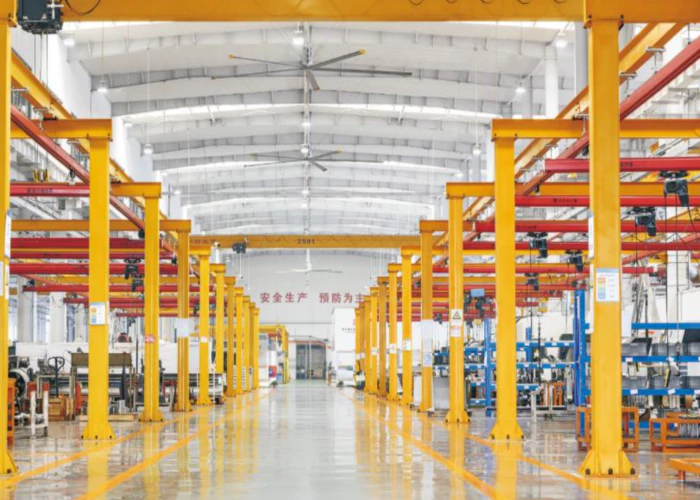
We specialize in custom-welded stainless solutions. You give us the Pin-to-Pin length, the stroke, and the port size, and we fabricate the cylinder to match. Because we do the welding in-house, we can easily change the ear style or the rod end thread. We can even do small batches for specialized retrofit projects.
Często zadawane pytania (FAQ)
We get asked about these stainless units all the time. Here are the honest answers to the most common questions.
How much more does a stainless steel hydraulic cylinder cost compared to a regular steel?
Typically, a 316L stainless cylinder costs about 2.5 to 3 times more than a standard carbon steel unit. However, considering they last 5-10 times longer in corrosive environments, the long-term savings are significant.
Can you ship custom water tank cylinders to construction sites in Canada?
Yes, we ship globally, including direct to sites in Canada. For custom orders, production takes about 15 days, with shipping times depending on your urgency (Air vs. Sea).
Why is 316L stainless steel better than 304 for concrete mixer trucks?
316L contains Molybdenum, which 304 lacks. This makes 316L much more resistant to chlorides (salt) and the chemical pitting caused by cement and acid washdowns.
Do you sell seal kits for these stainless steel water tank cylinders?
Yes, we provide full seal kits. We recommend keeping a spare set of Viton seals on the shelf, although with the polished stainless rod, you won’t need them often.
How do I measure my old cylinder to get a replacement quote?
We need the “Pin-to-Pin” length when the cylinder is fully closed, the diameter of the pin holes, and the stroke length. Photos of the mounting ends are also very helpful.
Which hydraulic oil should I use with stainless steel cylinders?
You can use standard hydraulic fluids (ISO VG 32 or 46). The stainless steel is compatible with all standard oils, and the Viton seals handle synthetic or biodegradable oils well, too.
Stop Fighting Rust. Upgrade Your Fleet.
Get a quote for a permanent solution to your water tank lid problems.