Boosting Dump Truck Efficiency: Exploring Hydraulic Cylinders for Reliable Tipping and Unloading
When it comes to hauling heavy loads on rugged sites, the dump truck hydraulic cylinder takes center stage – lifting that bed skyward to dump materials cleanly without a hitch. We’ve seen trucks bog down with cylinders that can’t handle the weight, leading to sluggish tips or worse, mid-dump failures (and nobody wants a stuck load eating into your schedule). But get the design dialed in, with telescopic stages that extend smoothly under pressure, and suddenly your dump truck’s unloading like clockwork, boosting turnaround times. In our experience across quarries and builds, the standout ones feature robust pistons that push through cycles without fatigue. Most fleet managers don’t realize how a multi-stage dump truck hydraulic cylinder maximizes lift height while keeping the retracted length compact, ideal for tight maneuvers. And on durability, we’ve crafted these to shrug off debris and weather, ensuring your truck stays productive – after all, downtime’s the real enemy out there, isn’t it?
Welcome aboard our virtual tour: Bezoek onze VR-fabriek – wander through and check out the making of top-notch dump truck hydraulic cylinders!
Getting into the nuts and bolts of how a dump truck hydraulic cylinder operates, it’s pressurized fluid driving the piston to extend the stages, tipping the bed at angles up to 60 degrees for full discharge. We’ve noticed that cold-drawn steel tubes for the barrel provide the strength needed against buckling, paired with hard-chrome rods that resist scratches from gritty loads. Seals, typically heavy-duty polyurethane, keep things tight under pressures hitting 250 bar, preventing leaks that could sap power (ever chased a hydraulic drip on a job? Frustrating stuff). Performance-wise, these cylinders offer strokes from 3 to 20 feet, with bore sizes 5 to 12 inches for lifting capacities over 50 tons. In overloaded scenarios, cushioning valves soften the descent, protecting the truck frame. We’ve added trunnion mounts in some builds for better pivot action, enhancing stability during tips. Materials like high-yield alloys extend fatigue life, and in our tests, they’ve cycled tens of thousands of times without issue in abrasive hauls.
| Parameter | Range/Spec | Performance Edge |
|---|---|---|
| Fasen | 3-6 | Achieves high lift in compact form |
| Boringdiameter | 5-12 inches | Supports heavy payload tipping |
| Slaglengte | 3-20 feet | Enables steep dump angles |
| Bedrijfsdruk | Tot 250 bar | Delivers quick, powerful lifts |
| Materiaal | Cold-drawn steel, chrome rod | Withstands abrasion and corrosion |
| Zeehonden | Polyurethane/heavy-duty | Prevents leaks in tough conditions |
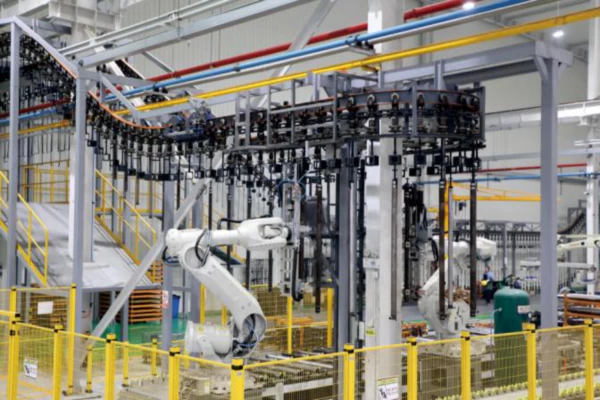
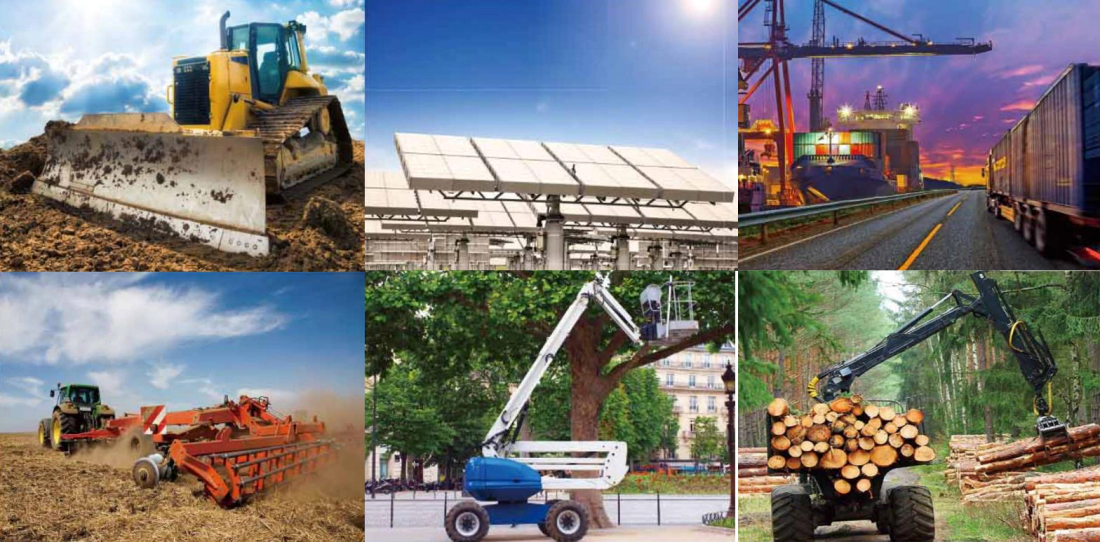
Shifting focus to where dump truck hydraulic cylinders truly flex their muscles, envision mining ops in Australia – tipping massive ore loads on uneven pits without spilling a ton. We’ve fitted fleets in US landfills, where the cylinders handle compacted waste dumps in rainy weather, maintaining grip. Construction sites in Europe see them unloading gravel precisely, avoiding over-spills that mess up layouts. Off-road hauls in Africa rely on them for sand transport over dunes, with stable extensions preventing rollovers (tried tipping on a slope without solid hydraulics? Risky business). Recycling yards use them for metal scraps, where quick cycles speed sorting. And in agriculture across Canada, they dump silage efficiently, minimizing compaction. The secret’s in matching cylinder specs to truck GVW; skim on capacity, and you’re stuck with partial dumps that drag efficiency down.
Looking at what’s shaping up for dump truck hydraulic cylinders, trends lean toward sensor-equipped models that monitor load and pressure, alerting to imbalances before they cause issues – smart tech cutting maintenance surprises. We’re seeing aluminum alloys lighten things up, improving fuel economy without skimping on strength for eco-conscious fleets. In shop discussions, bio-hydraulic fluids are picking up steam, greener options that perform in cold snaps. Electrification hybrids blend in, with cylinders syncing to electric pumps for quieter urban hauls. But note: steel tariffs could nudge prices, so sourcing matters. Safety regs push overload protections, and we’re embedding those. The field’s tipping toward bespoke integrations, where cylinders tie into telematics for fleet-wide optimization.
A solid win unfolded with an aggregates supplier in Mexico, running a fleet of 20-ton dump trucks in quarry ops near Monterrey. Their old cylinders were prone to leaks from dust ingress, stalling unloads, and racking up repair bills during peak seasons. We customized dump truck hydraulic cylinders with enhanced dust wipers and higher-pressure seals to combat the arid grit. Post-install, tip cycles quickened 20%, with zero leaks over six months, saving them $30,000 in downtime. The ops head noted how the smoother extensions reduced frame stress, extending truck life – a boon in remote sites where parts are scarce.
Words from happy users tell the tale. “These dump truck hydraulic cylinders revamped our gravel hauls in Texas – no more sticky dumps, just fast, clean tips every time!” said Jake from a US paving company. Sofia from a Brazilian mining outfit: “In rainy jungles, corrosion killed others quick, but yours endure; loads dump fully, boosting our output.” And Liam, an Irish builder: “We push these hard on muddy sites, and they hold up – better stability means safer shifts for the team.”
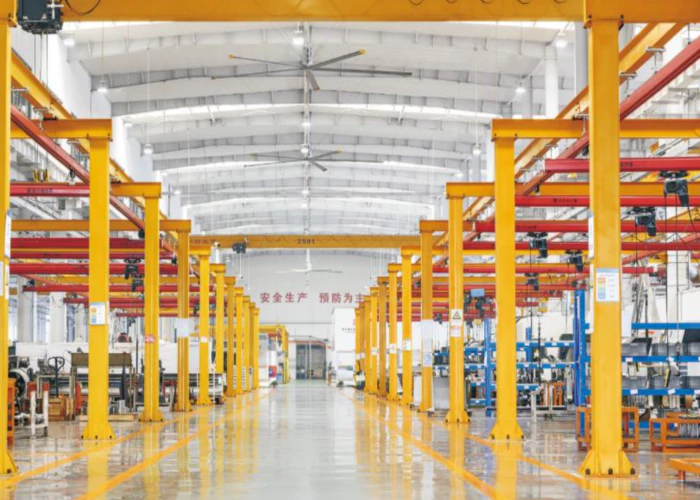
In our facility, spotlighting customization for dump truck hydraulic cylinders keeps us ahead – from tweaking stages for specific bed angles to reinforcing for arctic colds, our pros deliver fits that outperform generics. We’ve sorted unique puzzles, like adding velocity fuses for safety in hilly terrains or compacting for low-profile trucks (and hitting that sweet spot avoids retrofit woes). With laser-guided welding and pressure-proof testing – enduring simulated loads – each unit’s road-ready. Our fast-track prototyping lets you sample ideas promptly, refining before bulk orders. Pondering upgrades? A chat opens doors to optimized setups.
SWOT Analysis: Dump Truck Hydraulic Cylinder Market Dynamics
| Sterke punten | Zwakke punten |
|---|---|
| – High lift capacity for efficient heavy-duty dumping. – Customizable stages adapting to various truck models. – Durable seals and materials for extended service life. – Integrated safety features reducing operational risks. |
– Higher cost for multi-stage premium units. – Needs expert mounting for peak performance. – Weight additions are impacting fuel use slightly. – Vulnerability to contaminants without proper care. |
| Mogelijkheden | Bedreigingen |
| – Growing mining sectors in emerging economies. – Tech upgrades like IoT for predictive upkeep. – Eco-trends favoring lightweight, green designs. – Tie-ups with truck makers for OEM supplies. |
– Low-price competitors from overseas markets. – Raw material cost volatility. – Stricter emission rules shifting to electrics. – Economic dips curbing fleet expansions. |
Veelgestelde vragen
What is the typical price for dump truck hydraulic cylinders from suppliers in the US mining industry?
Ranges depend on stages, but $1000 to $4000 for quality ones matching heavy hauls – consider lift capacity.
How do I request a quote for telescopic hydraulic cylinders for dump trucks in Australian construction sites?
Send your truck specs and load needs; quotes arrive swiftly, tuned for dusty, rugged terrains.
Which manufacturer provides the best cost for dump truck cylinders in European waste management operations?
Opt for weather-resistant models; we start at €1500 with solid guarantees for wet conditions.
Where can I find reliable suppliers offering quotes for hydraulic tipping cylinders in South American agriculture?
Look for global shippers with custom fits; we ensure compatibility for silage and crop hauls.
When should I replace my dump truck’s hydraulic cylinder in heavy-duty quarrying in Asia?
Check for slow lifts or leaks; in humid spots, inspect after 5000 cycles to prevent failures.