Heavy-Duty Hydraulic Buffer Cylinders for Freight Train Coupler Systems
Managing the megajoules of kinetic energy in heavy-haul logistics. Engineered for extreme impact absorption, zero-rupture reliability, and long-haul durability.
In the unforgiving world of heavy-haul rail freight, the longitudinal forces exerted between wagons during braking, acceleration, and shunting operations are immense. The Coupler Buffer Hydraulic Cylinder (often integrated into the draft gear) acts as the critical energy management component. Unlike standard linear actuators designed to move loads, these cylinders are designed to survive loads. They function as high-efficiency shock absorbers, converting the kinetic energy of a 10,000-ton train moving at shunting speeds into thermal energy through fluid throttling, protecting the rolling stock structure from catastrophic deformation.
The operational environment for these components is characterized by violence. The “slack action” in a mile-long train can generate instantaneous pressure spikes exceeding 50 MPa (7250 psi) within the cylinder bore. Standard hydraulic steel grades and sealing configurations effectively disintegrate under these conditions. The typical failure mode is not gradual wear; it is catastrophic seal rupture or barrel fatigue cracking. To counter this, our engineering philosophy centers on a Double-Acting, Welded Structure manufactured from Q345D Laaggelegeerd Hoogsterkte Staal. Q345D is non-negotiable for this application due to its superior impact toughness at low temperatures (Charpy V-notch impact test at -20°C), ensuring the cylinder does not become brittle and shatter during winter operations in high-latitude regions.
Furthermore, the surface treatment strategy must address the outdoor exposure of freight wagons. We utilize a multi-layer Nikkel-verchroomd process rather than standard chrome. Nickel provides a dense, non-porous barrier against the corrosive mix of coal dust, road salt, and coastal humidity, while the outer chrome layer provides the sliding hardness. This combination, paired with heavy-duty seal profiles designed specifically for shock loads, defines the Ever Power approach to rail safety.
Validate Our Manufacturing Integrity
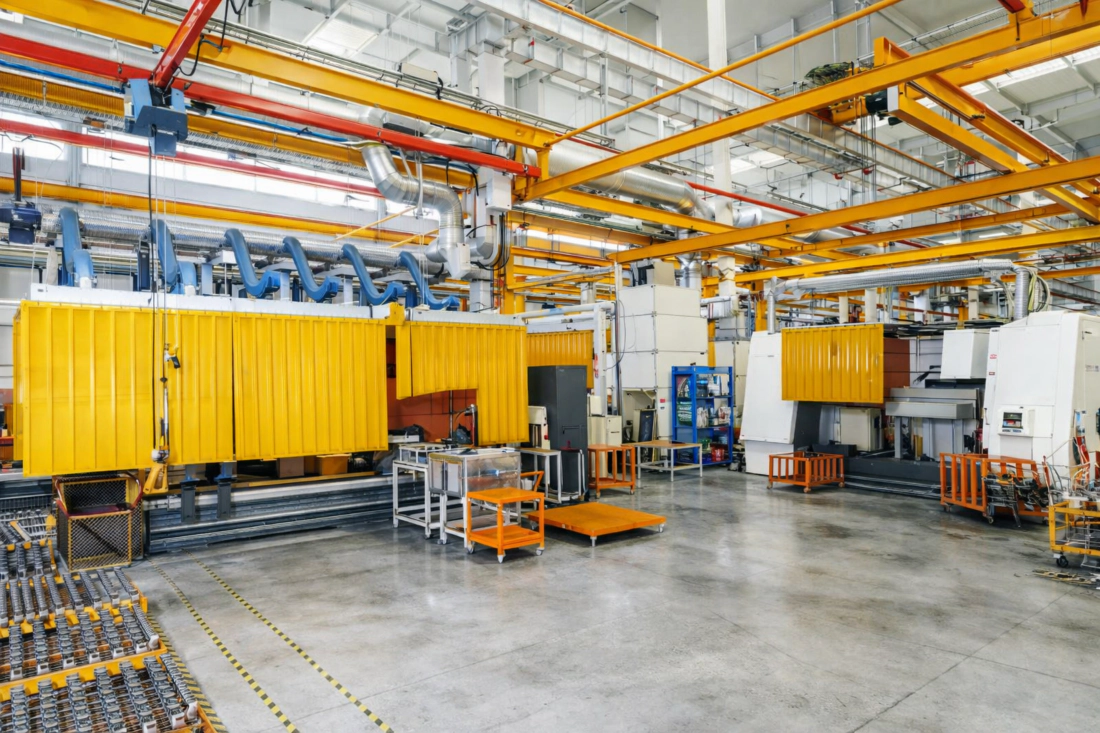
We believe in absolute transparency. Step inside our digital factory to witness how we weld Q345D steel and test buffer cylinders against simulated crash loads.
Engineering for the Millisecond Spike
The defining characteristic of a buffer cylinder is its response to Impact Loads. When wagons collide during coupling, the cylinder must compress rapidly. If the hydraulic fluid cannot be throttled fast enough, the pressure rises to infinity, causing the barrel to explode (hoop stress failure). Our design incorporates sophisticated internal damping grooves or integrated cartridge valves that allow for a progressive pressure build-up. This “energy absorption curve” is calculated to match the specific draft gear rating of the trainset.
Material selection plays a secondary but vital role in this containment strategy. Q345D is selected over the more common ST52 not just for strength, but for its ductility. Under extreme shock, a brittle material cracks; Q345D yields slightly, absorbing energy through micro-deformation without catastrophic structural failure. This safety factor is critical in preventing derailments caused by component fracture.
Core Performance Advantages
Nikkel-Chroom Defensie
Freight trains sit in the rain, snow, and coastal salt spray. Standard chrome is micro-cracked and permeable. We apply an Electroless Nickel base layer (20μm) which chemically bonds to the substrate, providing total corrosion isolation, followed by Hard Chrome (30μm) for wear resistance.
Heavy-Duty Sealing
Standard U-cups fail under shock pressure. We utilize a composite sealing system featuring Bronze-filled PTFE slide rings and high-modulus Polyurethane energizers. This profile resists “gap extrusion” and “dieseling” (explosive decompression) during rapid pressure spikes.
Welded Reliability
Tie-rods stretch and loosen under vibration. Our buffer cylinders feature a fully welded rear clevis and front gland housing. This monolithic structure ensures that the cylinder remains a rigid structural member of the drawbar system, eliminating leak paths caused by fastener fatigue.
Project: High-Altitude Coal Line (Northern China/Mongolia Border)
De uitdaging: A heavy-haul railway operator transporting coal faced a severe reliability issue. Their buffer cylinders were failing during the winter months when temperatures dropped below -35°C. The standard ST52 steel barrels were developing hairline fractures due to brittleness, and the seals were hardening, leading to massive oil leaks that contaminated the tracks.
De oplossing: Ever Power engineered a “Polar Class” buffer cylinder. We utilized Q345D steel (impact tested at -20°C to -40°C) for the entire welded assembly. We replaced standard nitrile seals with a specialized low-temperature polyurethane compound from seal supplier Hallite, capable of maintaining elasticity down to -50°C.
Het resultaat: The retrofitted fleet of 200 wagons has operated for 3 consecutive winters with zero cylinder-related stoppages. The operator reported a 60% reduction in maintenance costs related to draft gear repairs.
“The impact absorption is noticeably smoother. We are seeing less wear on the coupler knuckles themselves.”
— Zhang Wei, Rolling Stock Engineer
“We needed a supplier who understood cold-weather metallurgy. Ever Power’s Q345D specs were spot on.”
— Alexey K., Procurement Lead
“The lead time was fantastic. Getting custom heavy-duty cylinders in 35 days saved our peak season.”
— Sarah L., Operations Manager
Technical Specifications: Series-HD Buffer Cylinders
| Parametercategorie | Standaardspecificaties | Ever Power Heavy-Duty Spec |
|---|---|---|
| Basismateriaal | ST52 / E355 | Q345D (Low Temp Alloy) |
| Plating Technology | Standard Chrome | Duplex Nickel + Chrome |
| Nominale druk | 21 MPa | 25 MPa |
| Shock Pressure Limit | 35 MPa | 50 MPa (Instantaneous) |
| Sealing Material | NBR / Standard PU | Bronze-PTFE / High-Hardness PU |
| Verbindingstype | Threaded Clevis | Full Penetration Welded |
Beyond the Coupler: Versatile Impact Solutions
The high-energy absorption technology we developed for freight couplers is applicable across the entire spectrum of railway logistics. Wherever heavy masses meet immovable objects, Ever Power cylinders provide the necessary cushion.
- End-of-Track Buffer Stops: Stationary safety cylinders designed to arrest runaway wagons at terminal stations.
- Draft Gear Assemblies: Internal damping cylinders that fit inside standard AAR or UIC draft gear housings.
- Car Dumper Positioners: Heavy-duty actuators for positioning wagons in rotary dumpers for coal/ore discharge.
Global Reliability, Manufacturing in China
Ever Power is situated in the heart of China’s advanced manufacturing sector, giving us direct access to world-class steel mills producing Q345D and 27SiMn alloys. By combining this raw material advantage with our ISO 9001 certified production processes, we deliver buffer cylinders that meet international railway standards (such as EN 15551) at a cost structure that empowers your logistics profitability.
We are not just a vendor; we are an engineering partner. We offer full customization—from modifying stroke lengths for specific wagon types to redesigning mounting clevises for retrofits. Our logistics team handles DDP shipping to your maintenance depot, whether in Australia, North America, or Europe.

Veelgestelde vragen
Why do standard hydraulic cylinders fail in freight coupler applications?
Standard cylinders are designed for pushing loads, not absorbing shock. In coupler applications, the impact creates massive, instantaneous pressure spikes that cause standard seals to rupture (gap extrusion) and can balloon the cylinder barrel. Our buffer cylinders use heavy-duty seals and thickened Q345D walls to survive these spikes.
What is the price difference between a standard cylinder and a custom Q345D buffer cylinder?
A custom Q345D buffer cylinder typically costs 20-30% more than a standard agricultural-grade cylinder due to the specialized material and Nickel plating. However, given that failure can derail a train or deadline a wagon, the Return on Investment is substantial. Neem contact met ons op voor een nauwkeurige offerte..
How does Nickel plating perform compared to Chrome in coastal environments?
Standard Hard Chrome is porous and allows salt air to penetrate to the steel, causing rust to lift the chrome (flaking). Our Nickel-Chrome process uses a base layer of Electroless Nickel, which is non-porous and chemically inert, sealing the steel completely before the hard chrome wear layer is applied.
Can you manufacture replacements for obsolete buffer cylinders?
Yes, we specialize in reverse engineering. If you have an old wagon fleet with obsolete parts, we can create a modern drop-in replacement that fits the existing mounting points but uses modern sealing technology and stronger materials. Learn more about our capabilities on our About Us page.
Secure Your Rolling Stock Assets
Don’t let seal rupture compromise your freight schedule. Upgrade to Q345D durability today.