The Unsung Hero of Jobsite Safety: Excavator Swing Brake Hydraulic Cylinders
Let’s be honest for a second. When we talk about excavator hydraulics, everyone obsesses over the massive boom cylinders or the bucket breakout force. It’s the “glamour muscles” of the machine. But after spending nearly two decades troubleshooting hydraulic circuits from muddy construction sites in Ohio to dust-choked mines in Chile, I can tell you that the Excavator Swing Brake Hydraulic Cylinder is the component that actually lets you sleep at night. It’s small, usually buried deep inside the swing motor housing or mounted vertically near the ring gear, and you completely ignore it—until your 30-ton machine starts drifting sideways while you’re trying to lay pipe in a trench. That “drift” isn’t just annoying; it’s a massive safety hazard. We’ve seen operators fight the joystick constantly to keep the upper structure steady, burning fuel and heating up the hydraulic oil, all because a $200 brake cylinder was bypassing internally.
Neem een kijkje in onze productiefaciliteit.
We believe in radical transparency. See how we hone our cylinder bores to mirror finishes and pressure test every unit before it ships.
Why “Negative Braking” Matters in Swing Circuits
Here is the engineering reality that most generalist suppliers miss. An Excavator Swing Brake Hydraulic Cylinder operates on a “negative braking” principle. This means it is spring-applied and hydraulically released. When you let go of the joystick, the hydraulic pressure drops, and a stack of Belleville springs pushes the cylinder piston down to clamp the friction plates. It’s a fail-safe. If you blow a hose, the brake locks. The problem we see most often isn’t the steel; it’s the seal response time and friction. If that cylinder piston has high stick-slip (stiction) because of cheap seals or a rough bore finish, the brake drags for a split second before releasing. That drag dumps massive amounts of heat into your swing motor case drain. I’ve analyzed oil samples where the copper count was through the roof, all because a sticky brake cylinder was grinding the friction discs to dust.
The environment these cylinders live in is also brutal. They are often submerged in gear oil or hydraulic fluid that gets contaminated with metal shavings from the swing gears. Standard O-rings just don’t cut it here. In our experience, using a Parker or Hallite high-temp polyurethane U-cup with a specific energized lip profile is non-negotiable. You need a seal that can handle the back-pressure spikes (which can hit 50 bar easily in the return line) without extruding. We also pay obsessive attention to the concentricity of the piston. If that piston cocks sideways even by a fraction of a millimeter, it won’t engage the brake plates evenly, leading to “judder” when stopping the swing.
Technical Specifications: Built for the Surge
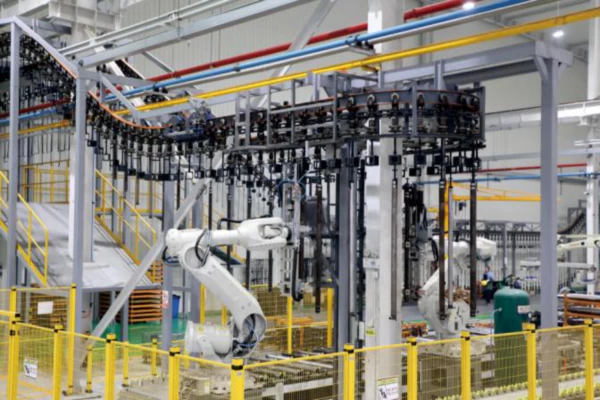
We don’t just sell “parts”; we sell duty cycles. Our swing brake cylinders are machined from high-grade carbon steel (usually 1045 or 4140, depending on the pressure rating) and then nitrided to prevent corrosion inside the motor case. The table below outlines the specs we typically adhere to, though custom dimensions are our bread and butter. Note the response time—this is critical for operator feel. If the brake lags, the operator overshoots the dump truck target.
| Parameter | Standaardspecificaties (Ever Power) | Waarom het belangrijk is |
|---|---|---|
| Release Pressure | 1.5 – 3.5 MPa (210 – 500 PSI) | Must be calibrated to the spring pack force to prevent drag. |
| Maximale werkdruk | 35 MPa (5000 PSI) | Handles pilot pressure spikes without seal extrusion. |
| Bore Finish | Ra 0.2 – 0.4 µm | Critical for low-friction movement and instant brake release. |
| Afdichtingsmateriaal | Viton / High-Temp PU | Resists the high heat generated by the swing motor friction plates. |
| Levensduur van de cyclus | > 500,000 Cycles | Designed to last the life of the swing motor rebuild interval. |
SWOT Analysis: The Strategic View
Choosing the right braking component isn’t just about price; it’s about machine availability. Here is how our hydraulic brake cylinders stack up in the current market landscape.
Sterke punten
- Zero Drift: Precision honing ensures the piston holds pressure perfectly.
- Veiligheid: Fail-safe spring application prevents accidents during power loss.
- Duurzaamheid: Nitrided surfaces resist corrosion from contaminated oil.
Zwakke punten
- Heat Generation: If pilot logic fails, the brake drags, creating massive heat.
- Accessibility: Often buried deep in the machine, making replacement labor-intensive.
Mogelijkheden
- Electronic Control: Integrating sensors to monitor brake piston position.
- Material Science: New friction coatings allowing for smaller, lighter cylinders.
Bedreigingen
- Electric Swing: Electric slewing motors (on hybrids) are reducing hydraulic needs.
- Contamination: Poor system filtration is the #1 killer of these components.
Where Does It Fit? (Applications)

While the name says “Excavator,” this technology is the cornerstone of any slewing machinery. We see these cylinders in Forestry Knuckleboom Loaders, where the machine sits on a truck and swings logs all day. The duty cycle there is insane—swing, stop, swing, stop—ten times a minute. We also supply these for Concrete Pump Trucks. When that massive boom is extended 40 meters out, the swing brake must hold. If the boom drifts, it can knock over a wall or injure a worker. The trend we are seeing now is “Soft Stop” technology. Newer hydraulic systems modulate the release of the swing brake cylinder to dampen the stopping inertia, rather than just slamming the plates together. We are redesigning our flow ports to accommodate this finer control logic.
Case Study: The “Ghost Drift” in Western Australia
Cliënt: RedEarth Mining Solutions | Locatie: Pilbara, Australia | Fleet: 85-ton Excavators
Het probleem: A fleet of high-hour excavators was experiencing intermittent swing drift. It was a “ghost” problem—sometimes it held fine, other times the upper structure would rotate 5 degrees while parked on a slope. The OEM replacement brake pistons were failing every 1,500 hours. The environment was 45°C (113°F) heat and heavy dust.
Our Diagnosis: We tore down the failed units and found micro-scoring on the cylinder OD. The OEM pistons were using a standard cast iron ring which was too abrasive given the contaminated oil in the aging swing motors.
De oplossing: We hebben een op maat gemaakt product ontwikkeld. Excavator Swing Brake Hydraulic Cylinder piston using a specialized bronze-filled PTFE glide ring instead of cast iron. We also increased the lip preload on the primary seal to handle the pressure fluctuations better.
Het resultaat: The new cylinders have been running for 6,000 hours with zero drift reported. Maintenance intervals were extended, saving the client roughly $40,000 in downtime and parts per machine per year.
“We thought we needed new swing motors. Ever Power showed us it was just a $500 cylinder upgrade. Saved our budget this quarter.”
— Mike T., Site Maintenance Lead
“Shipping to the Outback is usually a nightmare. These guys handled the logistics smoothly.”
— Sarah J., Procurement
“The machine feels tighter now. When I let go of the stick, it stops. No creep.”
— Dave “Macca” R., Senior Operator
Factory Direct: We Don’t Just Stock, We Engineer
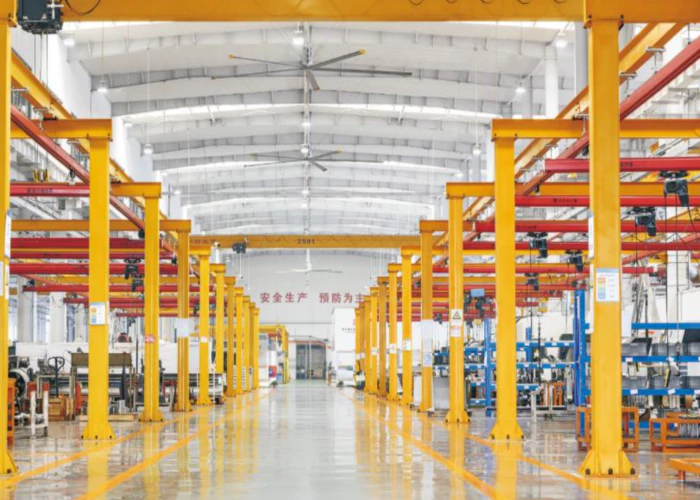
Here is the deal: if you have a CAT 320 or a Komatsu PC200, we probably have the specs on file. But what if you have a 20-year-old Daewoo or a custom-built drilling rig? That is where we shine. We can reverse-engineer your worn-out sample. We measure the bore wear, analyze the seal failure mode, and build you a replacement that corrects the original design flaws. We have CNC machining centers dedicated to small-bore, high-precision components like brake cylinders. We don’t just “make it fit”—we make it work better.
FAQ: Real Questions from the Field
How much does a replacement swing brake cylinder cost for a 30-ton excavator?
It really depends on the specific OEM specs and bore size, but typically you are looking at a range between $450 and $1,200. If you need a custom-machined replacement for an older machine where parts are obsolete, it might tick up slightly, but we are usually 30% cheaper than the dealer markup.
Why is my excavator upper structure drifting when parked on a slope?
This is the classic symptom of a swing brake failure. It is almost always the piston seal inside the brake cylinder allowing oil to bypass, meaning the spring force isn’t fully engaging the friction plates. It could also be the relief valve, but 9 times out of 10, it’s the cylinder packing.
Can you ship custom swing brake actuator parts to mining sites in Australia?
Absolutely. We ship to the Pilbara and other remote mining hubs regularly. We handle the export crating and logistics. For urgent breakdown situations, we have expedited air freight that gets the cylinder from our factory to your site in about 5-7 days.
What is the difference between a swing motor brake and a swing lock cylinder?
Great question. The swing motor brake (which uses this cylinder) is a friction brake for holding position during work. A swing lock is usually a mechanical pin dropped into the gear ring for transport. Our cylinders actuate the friction pack inside the motor housing.
Do I need to replace the entire swing brake assembly or just the seals?
If you catch it early, a seal kit might save you. But if the bore is scored from metal contamination (which happens when the friction plates wear down), a seal kit won’t last a week. In that case, you need a full cylinder replacement or a re-barrel job.