Driving the Future of Agricultural Automation
The optimization of modern agricultural operations relies entirely on the precise, calculated delivery of nutrition to large animal herds. Within advanced livestock feeding machinery, the automatic feeding trough stands as the critical intersection between feed storage and animal consumption. Accurately dispensing specific feed ratios requires instantaneous, highly controlled mechanical movements. The core driving force responsible for executing this precise action is the trough opening and closing cylinder. Operating within the confined spaces of barn infrastructure, these fluid power actuators must instantly open the heavy steel or polymer feed gates to release the exact required mass of feed, and immediately forcefully close them to prevent expensive nutritional waste or overfeeding. Engineering a reliable hydraulic cylinder for this specific agricultural environment demands an unyielding focus on compact structural geometry, bidirectional force control, and extreme resistance to the hostile, moisture-rich atmospheric conditions prevalent in modern livestock containment facilities.
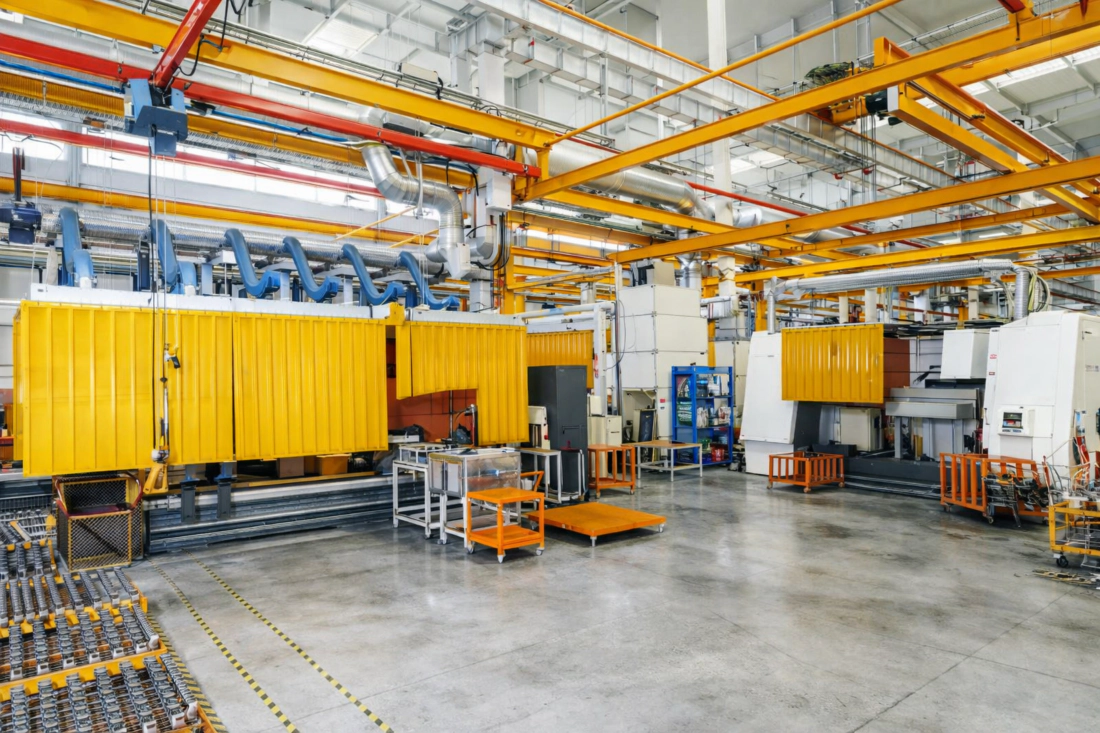
Global agricultural equipment engineers and procurement specialists are actively invited to digitally explore our highly advanced production ecosystem. Witnessing our meticulous CNC machining, robotic TIG welding protocols, and stringent dynamic testing environments firsthand establishes a profound foundation of engineering trust. Step directly into our state-of-the-art production facility through this immersive digital portal: Experience Our Virtual Manufacturing Facility. Observing the creation of these specialized fluid power components provides absolute assurance regarding our rigorous quality control and deep manufacturing capabilities based in China.
Structural Kinematics: Double-Acting Welded Small Piston Design
Executing precise feed dispensation requires absolute mechanical authority over the automatic feeding trough gate. A double-acting piston cylinder configuration provides this indispensable bidirectional kinetic control. Utilizing pressurized hydraulic fluid to actively drive both the extension and retraction strokes ensures that the gate slices through compacted feed with aggressive force, and equally important, slams shut instantly without the sluggish latency inherent in single-acting spring-return designs. This dynamic dual-stroke capability allows the automated control systems to pulse the gate rapidly, metering out specific nutritional volumes with extreme accuracy, preventing the expensive over-allocation of specialized livestock supplements.
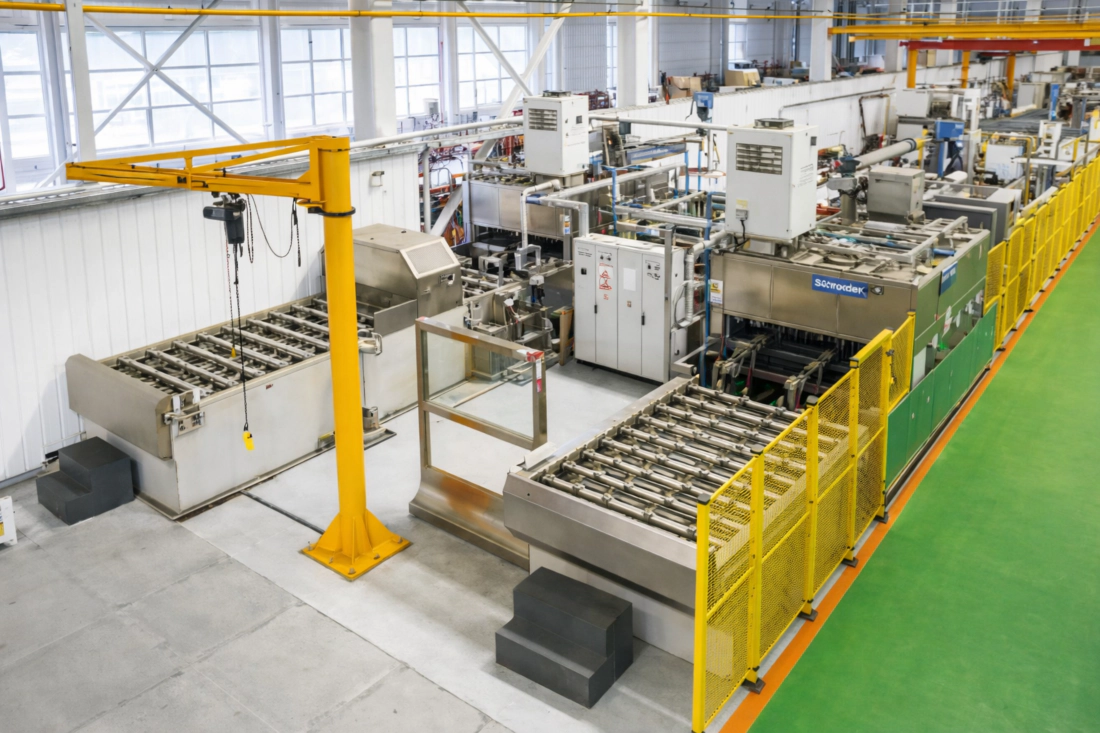
Integrating this required force into the dense mechanical architecture of livestock feeding machinery necessitates a highly optimized physical footprint. Implementing a welded small piston cylinder structure brilliantly resolves this spatial conflict. Conventional fluid power actuators utilize bulky external tie-rods that span the entire barrel, creating unnecessary mechanical interference points and providing crevices where corrosive feed dust accumulates. By employing advanced robotic welding to metallurgically fuse the high-strength end caps directly to the main pressure barrel, the external tie-rods are entirely eliminated. This streamlined, monolithic welded construction significantly reduces the overall exterior dimensions, allowing the cylinder to nestle unobtrusively adjacent to the trough hinges while maintaining immense internal pressure tolerance and profound structural rigidity.
Metallurgical Defense: Stainless Steel 304 and Polished Surfaces
The atmospheric conditions inside commercial livestock facilities represent a highly specialized, continuous threat to industrial machinery. Actuators operating within this environment grade face constant exposure to high humidity, aggressive organic acids released from animal respiration and waste, and the inherently corrosive nature of certain mineral-infused feed additives. Standard carbon steel components rapidly succumb to this light corrosion and moisture, developing deep surface rust that destroys mechanical integrity. To ensure absolute operational survivability, we engineer the entire cylinder barrel, end caps, and primary piston rod utilizing premium Stainless Steel 304. This specific austenitic stainless alloy contains high levels of chromium and nickel, creating a passive oxide layer that instinctively heals itself when scratched, providing an impenetrable metallurgical barrier against the aggressive agricultural atmosphere.
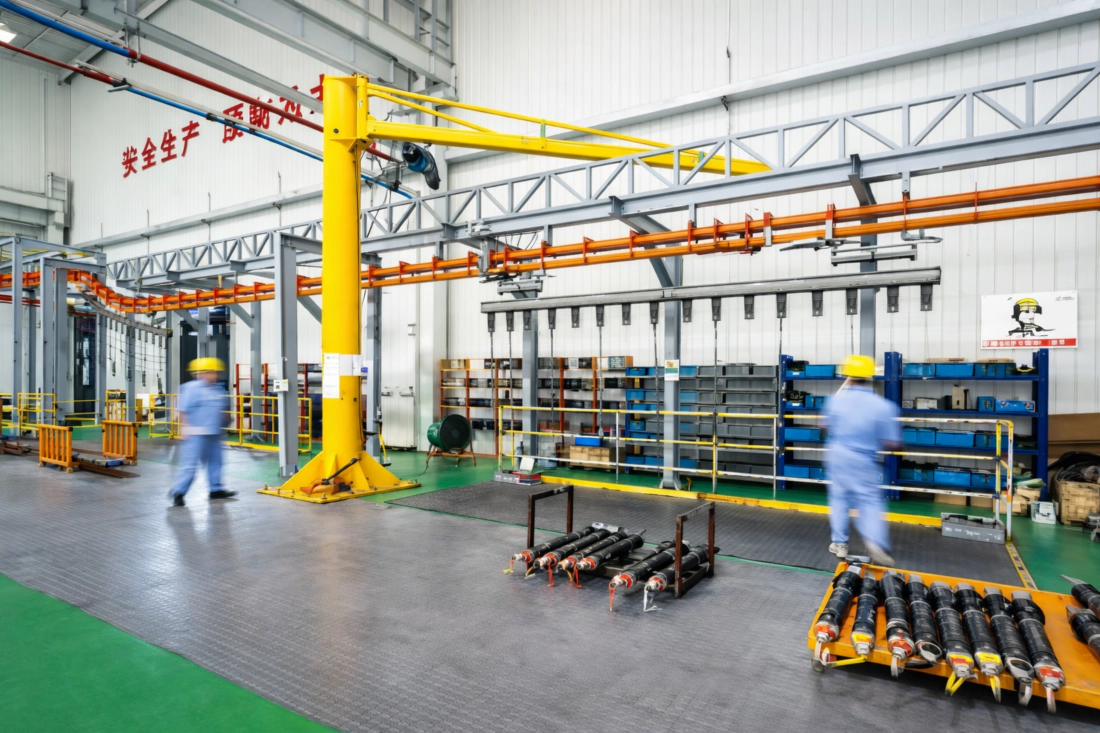
Augmenting this formidable material selection is a highly refined mechanical surface treatment. The exterior of the stainless steel cylinder, and most critically the extending piston rod, undergoes an intensive multi-stage polishing process. Achieving a near-mirror surface finish serves two vital engineering purposes. Mechanically, the ultra-smooth polished rod drastically reduces the dynamic coefficient of friction as it glides through the internal wiper seals, minimizing heat generation and extending seal life during high-frequency trough actuations. Environmentally, the polished surface eliminates the microscopic pits and crevices where damp feed dust and corrosive organic matter typically accumulate. This ensures that the dynamic sealing interface remains perfectly clean, completely isolating the internal hydraulic fluid from external agricultural contaminants.
Neutralizing the Primary Threat: Preventing Leakage Due to Corrosion
Analyzing decades of performance data from fluid power systems deployed in livestock feeding machinery consistently identifies a dominant, highly destructive typical failure mode: severe hydraulic fluid leakage induced directly by environmental corrosion. When standard carbon steel cylinders with basic chrome plating are utilized, the acidic moisture in the barn atmosphere eventually breaches the micro-cracks in the chrome. This initiates subsurface rust blooms that violently flake away the protective plating. The resulting jagged steel surface acts like a rasp, rapidly shredding the primary internal polyurethane seals during every stroke. Once these seals are destroyed, pressurized hydraulic fluid sprays directly onto the feeding area, contaminating the livestock nutrition, presenting a severe biological hazard, and instantly paralyzing the automated feeding sequence.
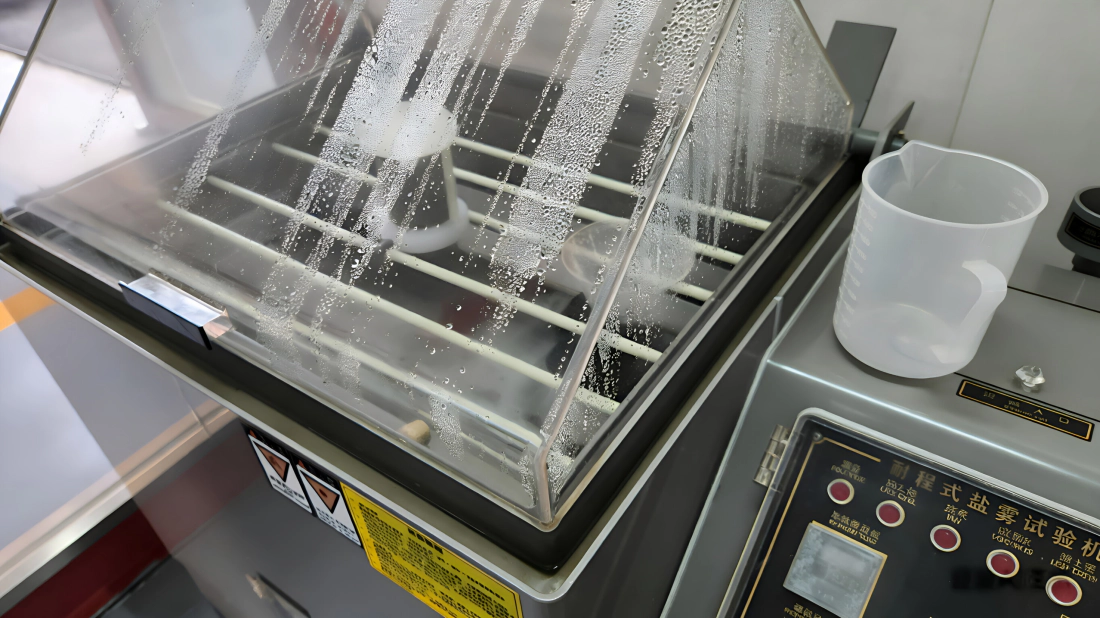
Our engineering protocol aggressively neutralizes this operational catastrophe through a highly specific recommended configuration: integrating a full stainless steel body exclusively paired with premium Viton seals. The solid Stainless Steel 304 construction structurally eliminates the possibility of rod pitting and the subsequent mechanical destruction of the sealing matrix. Concurrently, upgrading the standard elastomeric seals to advanced fluoroelastomer (Viton) compounds provides unparalleled chemical stability. Viton seals easily withstand accidental exposure to harsh agricultural cleaning chemicals, acidic feed additives, and high ambient barn temperatures without hardening, swelling, or losing their critical compressive memory. This optimized configuration guarantees absolute fluid retention, ensuring the automatic feeding trough operates flawlessly across an extended multi-year lifecycle without risking contamination or unexpected mechanical downtime.
Engineering Parameters and Performance Matrix
| Technisch kenmerk | Specificatienorm |
|---|---|
| Actietype | Double-Acting (Active, bidirectional hydraulic force for exact gate control) |
| Structuurtype | Small Piston Cylinder (Highly compact dimensions for tight trough integration) |
| Productiestructuur | Welded Type (Seamless monolithic design eliminating vulnerable tie-rods) |
| Materiaalsysteem | Stainless Steel 304 (Supreme resistance to agricultural atmospheric corrosion) |
| Oppervlaktebehandeling | Polished (Ultra-low friction finish preventing organic buildup) |
| Milieuklasse | Light Corrosion + Moisture (High humidity and organic agricultural acids) |
| Functie voor werkingsconditie | Controlling Trough Opening/Closing (High-frequency, precision dispensing) |
| Typische storingsmodus afgehandeld | Leakage Due to Corrosion (Seal destruction caused by rusted cylinder rods) |
| Aanbevolen kernconfiguratie | Full Stainless Steel Body + Viton Seals (Total chemical and oxidation immunity) |
Bespoke Manufacturing Excellence from China
Integrating specialized fluid power components into diverse livestock feeding machinery requires profound customization capabilities. Originating from our highly advanced manufacturing hubs located in China, we deliver bespoke engineering solutions tailored precisely to your specific trough geometries and automated feed delivery architectures. Whether your agricultural systems require unique threaded mounting points, specialized short-stroke actuation to accommodate confined feed hoppers, or specific fluid port orientations for streamlined hose routing, our dedicated application engineers translate your CAD schematics into flawless physical reality.
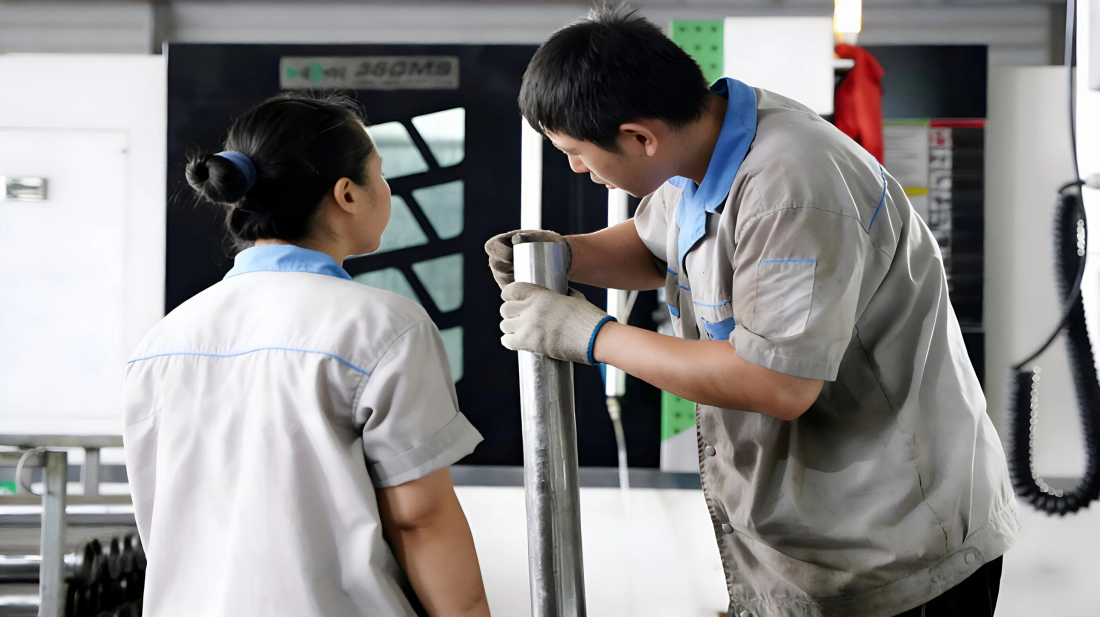
Strategically leveraging massive localized supply chain efficiencies and state-of-the-art multi-axis CNC machining centers allows us to consistently provide unparalleled custom manufacturing without the prohibitive costs or agonizingly extended lead times typically associated with bespoke industrial components. Our highly agile production lines are specifically calibrated to rapidly prototype and mass-produce double-acting small piston cylinders that perfectly align with your engineering vision. Explore our extensive corporate capabilities and deep manufacturing heritage here: Discover Our Custom Engineering Depth.
Global Success: Optimizing Danish Swine Production Facilities
To vividly illustrate the mechanical superiority of our stainless steel configuration, we analyze a highly demanding deployment with Nordic Agri-Tech Solutions, a premier supplier of automated swine feeding systems across Denmark. Their large-scale operations required highly precise feed dispensation within intensely humid barns saturated with ammonia vapors. Their previously installed carbon steel actuators were suffering catastrophic failures; the light corrosion and moisture rapidly pitted the cylinder rods, causing continuous oil leaks directly into the automatic feeding troughs. This compromised the livestock feed quality, resulting in severe biological risks and drastically inflating their maintenance downtime and fluid replacement costs.
“The continuous corrosion-induced leakage was paralyzing our automated feeding lines. Integrating these highly customized Stainless Steel 304 cylinders completely eradicated the issue. The polished rods and Viton seals effortlessly repel the corrosive barn atmosphere, ensuring zero oil contamination in our feed.”
— Henrik T., Director of Facility Operations
“Collaborating with their engineering team in China was remarkably fluid. They modified the welded small piston structures to perfectly match our tight space constraints under the feed hoppers, delivering an incredibly robust fluid power solution at a fraction of European procurement costs.”
— Lars K., Lead Agricultural Machinery Engineer
“The double-acting mechanism provides absolutely flawless control over the heavy feed gates. Since upgrading to these polished stainless steel designs, our unscheduled maintenance related to the feeding hydraulics has effectively dropped to zero.”
— Mette R., Regional Maintenance Supervisor
Engineering Support and Technical Inquiries
How does a stainless steel hydraulic cylinder improve livestock feeding machinery?
Utilizing Stainless Steel 304 structurally eliminates the vulnerability to light corrosion and moisture prevalent in agricultural barns. By preventing the formation of rust and pitting on the cylinder rod, the stainless material ensures the internal wiper seals are not mechanically destroyed, thereby preventing fluid leakage and guaranteeing consistent, hygienic feed dispensation.
What makes Viton seals ideal for agricultural trough opening cylinders?
Viton (fluoroelastomer) seals possess extraordinary chemical resistance compared to standard nitrile rubbers. Within a livestock facility, exposure to aggressive cleaning agents, ammonia, and organic acids is constant. Viton seals easily endure these harsh chemicals without degrading, hardening, or losing their compressive memory, ensuring long-lasting, leak-free operation within the automatic feeding trough.
Where can I buy custom welded hydraulic cylinders for feeding troughs in China?
Global agricultural equipment designers can procure highly advanced, structurally optimized fluid power actuators directly through our sophisticated manufacturing network based in China. We deeply specialize in translating rigid mechanical trough constraints into heavily tailored, unyielding welded cylinder designs, delivering factory-direct pricing without supply chain intermediaries.
Which manufacturing structure prevents leakage in automatic feeding trough cylinders?
The welded small piston cylinder architecture removes the obtrusive external tie-rods entirely, directly fusing the end caps to the main barrel to create a highly streamlined exterior profile. This monolithic design prevents torque relaxation over time, eliminating the micro-gaps that typically allow fluid seepage in standard bolted industrial designs.
What is the price of a double-acting small piston cylinder for farm equipment?
The precise procurement price for a customized fluid power component relies entirely on highly specific engineering parameters, including stroke lengths, stainless steel material volume, and total production orders. Connect directly with our engineering desk and submit your CAD schematics for a comprehensive, factory-direct financial quote tailored to your exact machinery requirements.