Double Acting Piston Hydraulic Cylinders for Rail Track Sweeper Brush Lifting Mechanisms
Advanced Q345D Welded Architecture | Defeating Abrasive Dust & Mechanical Impact | Precision Engineering for Global Rail Maintenance
Maintaining the operational safety and efficiency of modern railway networks requires the continuous removal of hazardous debris, abrasive ballast dust, and environmental contaminants from the track surface. The rail track sweeper vehicle is the primary asset deployed for this critical infrastructure maintenance. Within the complex anatomy of these heavy-duty vehicles, the brush lifting mechanism serves as the crucial interface between the machine and the track. Based on over 18 years of dedicated fluid power engineering experience, we understand that standard industrial actuators are fundamentally incapable of surviving this environment. The constant bombardment of silica dust combined with the violent mechanical shocks of the brushes encountering uneven track geometry creates a destructive “dust plus impact” operational matrix. To guarantee the precise deployment and retraction of the heavy sweeping apparatus, the fluid power system must be engineered from the ground up for extreme durability and zero-tolerance failure rates. This is the exact engineering mandate behind our specialized double acting piston hydraulic cylinder designed exclusively for rail track sweeping operations.
By utilizing a double acting action mode, these hydraulic cylinders provide active, highly pressurized fluid power for both the downward sweeping stroke and the upward retraction stroke. This guarantees that the cleaning brushes maintain a consistent, calculated pressure against the rails, ensuring optimal debris clearance regardless of track undulations. Furthermore, the active retraction is essential for rapidly lifting the heavy brush assembly to avoid trackside obstacles, a safety requirement that passive spring-return single-acting cylinders cannot reliably fulfill. Before diving into the complex metallurgical choices and proprietary wear-resistant seal configurations that define this actuator, we believe in demonstrating our manufacturing capabilities with absolute transparency. We invite our global B2B partners, engineering directors, and procurement specialists to observe our fabrication processes firsthand.
Ervaar onze geavanceerde productielocatie
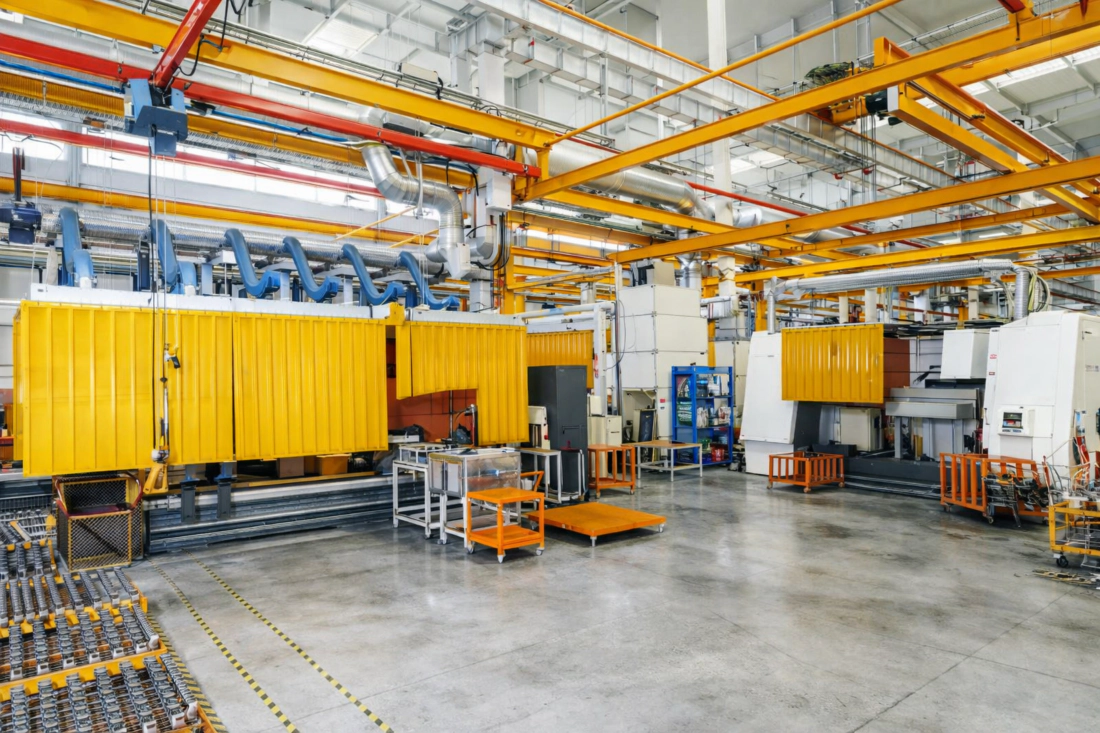
Step onto our digital production floor. Witness our robotic welding stations fusing Q345D steel, observe our micron-level chrome plating processes, and explore the rigorous cyclic impact testing that ensures our hydraulic cylinders exceed global railway maintenance standards.
Metallurgical Resilience and Structural Architecture
Welded Structure vs. Mechanical Fastening
Operating a sweeper brush on a railway track generates continuous, violent vibrations. Traditional tie-rod cylinders, which rely on tensioned threaded nuts to hold the end caps against the barrel, are highly susceptible to mechanical loosening under these conditions. Our engineering protocol mandates a completely welded structure for the brush lifting mechanism. By utilizing deep-penetration automated welding techniques, we fuse the heavy-duty cylinder components into a singular, monolithic pressure vessel. This absolute structural integrity eliminates the risk of catastrophic separation or fluid leakage caused by high-frequency resonance and sudden impact loads.
Q345D Laaggelegeerd constructiestaal
The choice of base material is critical when designing for the unpredictable “dust and impact” working condition. We construct our cylinder barrels and mounting brackets using Q345D steel. This low-alloy, high-strength structural steel offers exceptional yield strength (minimum 345 MPa), allowing the cylinder to withstand severe internal pressure spikes when the brush assembly hits immovable track obstacles. Crucially, the “D” designation indicates superior low-temperature impact toughness, ensuring the steel remains ductile and resists brittle fracture even during harsh winter track maintenance operations in freezing climates.
Advanced rail sweeping vehicles depend entirely on robust hydraulic lifting mechanics to navigate complex track geometry.
Defeating the Primary Failure Mode: Seal Wear
In the context of railway sweeping operations, the piston rod of the hydraulic cylinder is relentlessly exposed to clouds of highly abrasive iron oxide particles, crushed granite ballast dust, and environmental grit. The most prevalent and damaging failure mode in this application is seal wear. As the unprotected rod extends, microscopic dust particles adhere to the surface. Upon retraction, these abrasive particles are dragged forcefully into the cylinder’s gland head. Over a short period, this silica dust acts like sandpaper, scoring the piston rod surface and shredding the primary polyurethane or nitrile rubber seals. This degradation leads directly to hydraulic fluid leakage, loss of system pressure, and the dangerous inability to retract the sweeper brush during transit.
To systematically eradicate this failure mechanism, we implement a highly specialized dual-defense strategy. First, the Q345D steel piston rod undergoes a rigorous hard chrome plating process, achieving a surface hardness that drastically resists micro-scratching. Second, and most importantly, we deploy an aggressive, multi-lip wear-resistant seal architecture. This configuration features an external heavy-duty scraper seal engineered from extreme-temperature PTFE composites. This scraper aggressively shears hardened mud, ice, and embedded silica dust off the chrome rod *before* it can reach the primary high-pressure seals. This combination of an ultra-hardened rod and specialized wear-resistant sealing technology extends the operational lifespan of our brush lifting cylinders exponentially compared to standard off-the-shelf actuators.
Global Infrastructure Case Study: Canadian Freight Rail Network
The Environmental Challenge: A major railway infrastructure maintenance contractor operating in Western Canada faced crippling downtime with their fleet of rotary sweeper vehicles. The extreme temperature variations (ranging from -35°C in winter to +30°C in summer) combined with the highly abrasive crushed-rock ballast dust were destroying the OEM hydraulic lifting cylinders. The standard tie-rod cylinders were rattling loose due to track impact, while standard rod seals were being obliterated by ice and grit, leading to catastrophic hydraulic failures every three to four months.
The Engineered Solution: Our team collaborated with the contractor’s engineering department to retrofit their entire fleet. We deployed our custom double acting piston cylinder featuring the fully welded Q345D structure to absorb the mechanical impacts without loosening. We specifically calibrated the wear-resistant seal package using cold-weather polyurethane and aggressive double-lip scrapers to violently eject ice and silica dust from the chrome rod during retraction.
“The transition to the fully welded Q345D cylinders was a turning point for our maintenance schedule. We haven’t had a single structural failure from brush impact since the retrofit, even during heavy winter plowing.”
– Michael R., Director of Maintenance
“The wear-resistant seal configuration is exceptional. The scraper seals handle the frozen ballast dust effortlessly, protecting the hydraulic integrity. Our fluid leakage incidents have dropped to zero.”
– David T., Lead Fleet Technician
“Sourcing direct from a specialized fabrikant van hydraulische cilinders in China gave us access to premium engineering at a very competitive price point. The B2B communication and technical support were flawless.”
– Sarah K., Head of Procurement
Technical Specifications & Configuration Data
The following matrix outlines the rigorous engineering specifications required to safely actuate brush lifting mechanisms on commercial rail track sweepers. Each parameter is carefully calculated to combat the extreme combination of abrasive particulates and severe mechanical impact characteristic of this specialized railway application.
| Technische parameter | Technische specificaties en materiaalgegevens |
|---|---|
| Actiemodus | Dubbelwerkend (Provides active hydraulic force for both extension and retraction) |
| Structuurtype | Zuigercilinder (High-pressure load bearing capability) |
| Productiearchitectuur | Gelast (Eliminates mechanical loosening from track vibration) |
| Materiaalsysteem | Q345D (Low-alloy high-strength structural steel, superior low-temperature toughness) |
| Oppervlaktebehandeling | Verchroomd (High-hardness barrier against silica scoring and corrosion) |
| Milieukwaliteit | Dust + Impact (Engineered specifically for extreme particulate exposure and shock) |
| Working Condition Feature | Brush Lifting (Continuous, variable-pressure height adjustment) |
| Typical Failure Mode Prevented | Slijtage van de afdichting (Eradicates leakage caused by abrasive particulate intrusion) |
| Aanbevolen configuratie | Wear-Resistant Seal (Aggressive external scraper plus high-pressure internal PTFE seals) |
Precision Engineering Sourced from China’s Industrial Core
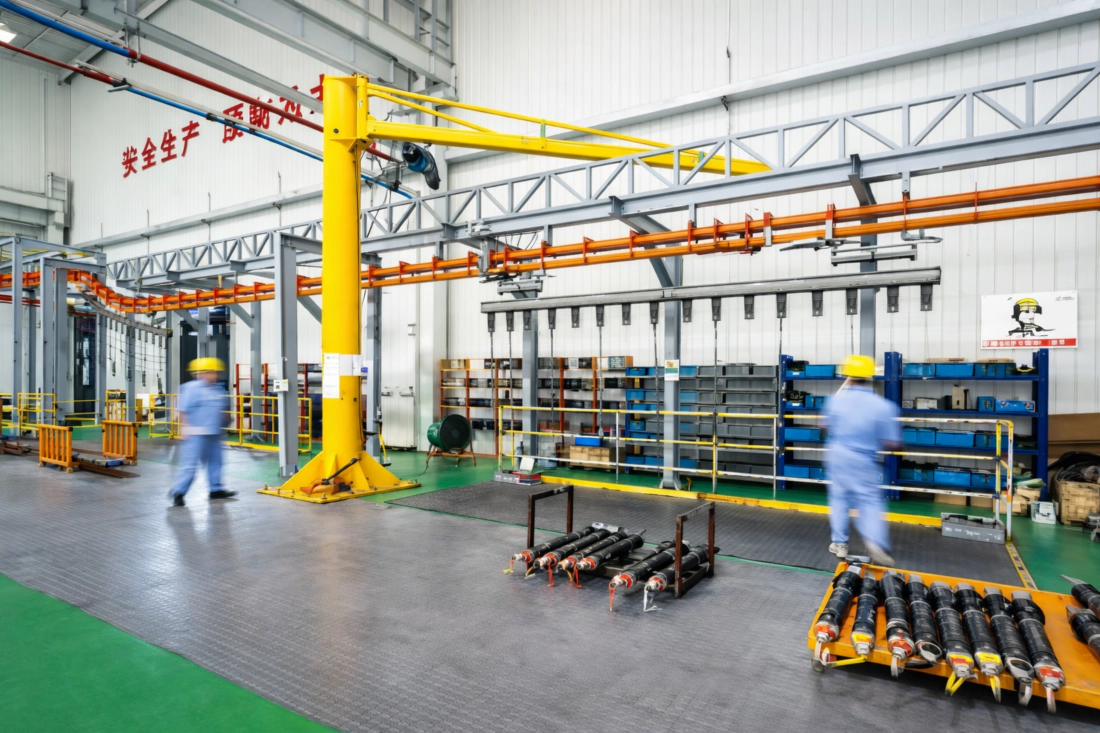
Serving a global B2B clientele requires more than just standardized products; it demands absolute engineering flexibility. Our state-of-the-art manufacturing facility located in China represents the apex of modern fluid power production. By leveraging the world’s most robust industrial supply chain, we offer unparalleled product customization services for railway equipment manufacturers. Whether you require specific stroke lengths to match a new sweeper chassis design, custom mounting trunnions, or specialized cold-weather fluids, our engineering team collaborates directly with your CAD data. We provide rapid prototyping, rigorous fatigue testing, and scalable mass production, ensuring your supply chain remains robust and cost-effective without sacrificing the heavy-duty quality required by the rail industry.

Equip your rail maintenance fleet with uncompromising actuation technology.