High-Precision Stainless Steel Servo Pitch Control Cylinders for Marine Controllable Pitch Propeller (CPP) Systems
Navigating the complex hydrodynamics of modern marine propulsion demands more than just brute force; it requires the precise orchestration of fluid power and mechanical motion. The Controllable Pitch Propeller (CPP) system represents the pinnacle of this synergy, allowing vessels to alter thrust magnitude and direction without changing engine RPM. At the heart of this system lies the marine servo pitch control cylinder, a component that must operate flawlessly under the most unforgiving conditions known to engineering: the intersection of high-pressure hydraulic oil and corrosive saltwater.
For over 18 years, our engineering team has focused on solving the specific tribological and structural challenges associated with submerged blade angle adjustment. We do not simply manufacture hydraulic actuators; we engineer double-acting servo solutions that maintain positioning accuracy within microns, even when subjected to the chaotic load variations of open-ocean currents. The transition from standard marine hydraulics to specialized pitch control units involves a rigorous rethinking of material science, specifically targeting the manufacturing structure of welded stainless steel to combat the inevitability of galvanic corrosion.
Ervaar onze precisie in de productie.
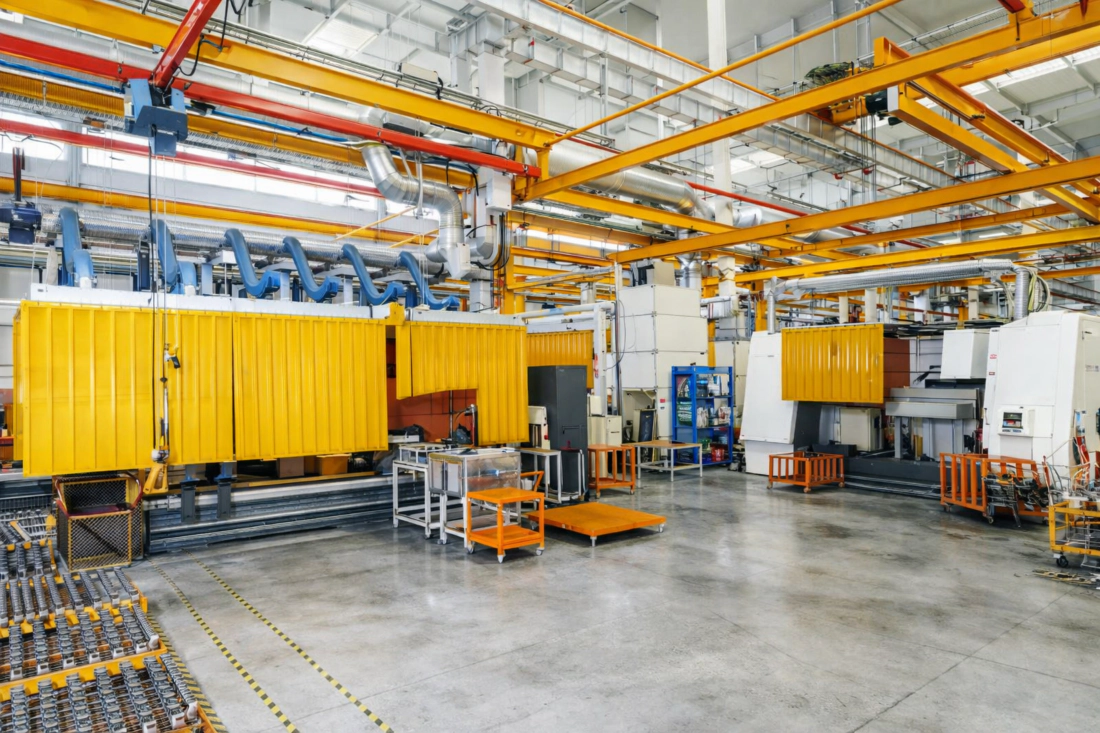
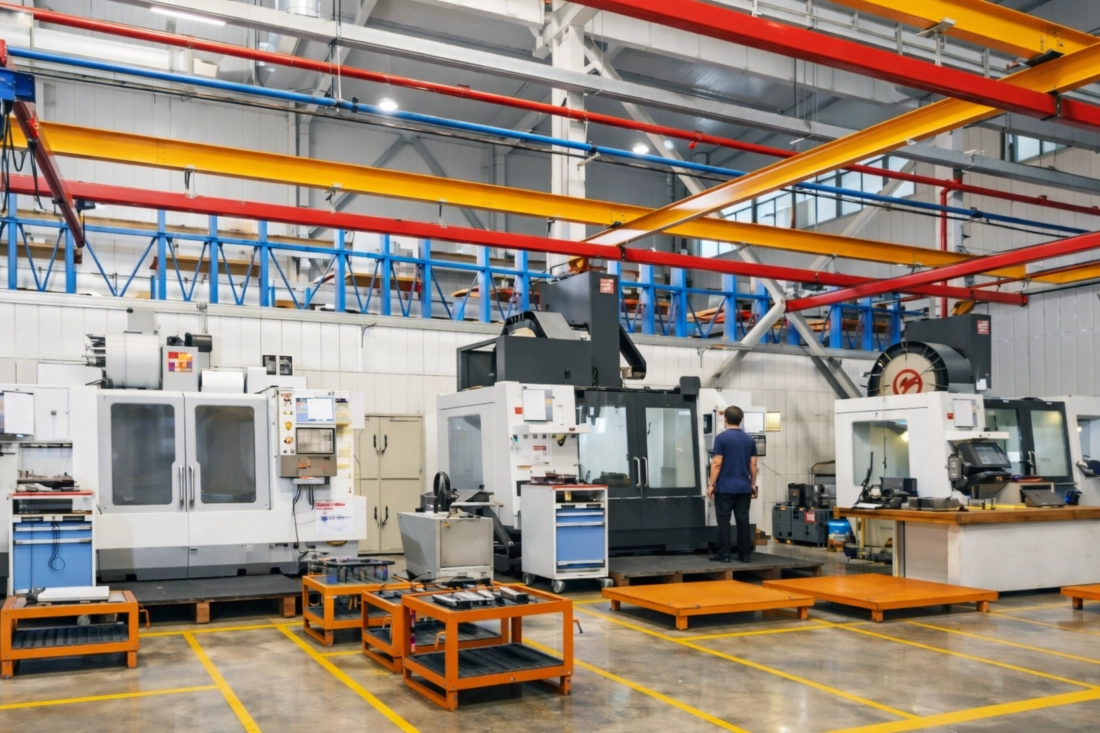
Before diving deeper into the technical specifications of our CPP cylinders, we invite you to virtually step onto our production floor. Witness the advanced CNC machining centers and clean-room assembly areas that ensure every micron of tolerance is respected.
Explore our capabilities in real-time 3D.
The design philosophy behind our pitch control cylinders centers on the “Saltwater + Oil Water Mixture” environment class. Standard hydraulic cylinders fail here because seal incompatibility and material porosity allow seawater ingress, leading to catastrophic internal leakage and emulsification of the hydraulic fluid. Our approach utilizes a bespoke FFKM (Perfluoroelastomer) sealing system, chemically inert and capable of withstanding the aggressive hydrolysis that degrades lesser materials. Combined with an electropolished stainless steel surface, we eliminate the microscopic crevices where pitting corrosion typically initiates.
Engineering the Double-Acting Servo Architecture
In a CPP application, the cylinder does not merely extend and retract; it modulates. The double-acting servo configuration is critical for maintaining precise blade angles against the variable hydrodynamic loads of the propeller. Unlike standard linear actuators, our servo cylinders are integrated with linear variable differential transformers (LVDTs) or magnetostrictive sensors that provide real-time feedback to the ship’s propulsion control unit. This closed-loop system ensures that the command input for pitch angle matches the actual physical position of the blades, regardless of the vessel’s speed or water density.
The manufacturing structure relies heavily on a robust welded design. While tie-rod cylinders offer modularity, they lack the structural rigidity required for the high-vibration environment of a propulsion hub. Our welded stainless steel bodies provide a monolithic structure that distributes stress evenly, preventing the fatigue cracking often seen in threaded connections under cyclic loading. The polishing process is not merely aesthetic; it is a functional requirement to reduce friction coefficients and enhance the longevity of the wiper seals, which are the first line of defense against saltwater intrusion.
Kernprestatievoordelen
Zero-Leakage FFKM Technology
Addressing the primary failure mode of internal leakage, our seals utilize Perfluoroelastomer compounds compatible with biodegradable esters and mineral oils, ensuring compliance with environmental marine standards while preventing water ingress.
Electropolished 316L/Duplex
We utilize high-grade stainless steel with specialized surface treatments. The polishing process removes iron impurities from the surface, creating a passive chromium-rich oxide layer that resists chloride attack in warm saltwater.
Integrated Servo Feedback
Built for automation. Our cylinders support internal integration of displacement sensors, protecting sensitive electronics from the seawater environment while delivering millisecond-response pitch adjustments.
Global Case Study: Propulsion Retrofit for Baltic Icebreakers
The true test of a marine hydraulic cylinder is not on the test bench, but in the icy waters of the Baltic Sea. We recently collaborated with a Finnish marine engineering firm tasked with retrofitting the propulsion systems of a fleet of commercial icebreakers. The challenge was severe: the existing pitch control cylinders were suffering from seal embrittlement due to the extreme low temperatures combined with the corrosive nature of the brackish water. The client needed a solution that could withstand temperature shocks from -30°C air temperature to +50°C operational oil temperature.
Our engineering team in China designed a custom double-acting servo cylinder featuring a customized Duplex Stainless Steel alloy shell for higher yield strength. We replaced standard seals with a low-temperature tolerant FFKM composite that retained elasticity in freezing conditions. The result was a 400% increase in service life intervals, reducing the dry-dock maintenance requirements significantly. This project highlighted our ability to deliver “Designed in China” solutions that meet and exceed rigorous European maritime standards (DNV/GL compliant designs).
Wat onze partners zeggen
“The dimensional accuracy of the pitch cylinders provided by Ever Power was exceptional. The servo response on our test rig showed zero hysteresis. A reliable partner for our supply chain.”
– Marine Superintendent, Singapore
“Sourcing custom stainless hydraulic components from China used to be a gamble, but this team operates with German-level precision. The polishing quality is mirror-grade.”
– Procurement Manager, Netherlands
“We needed a rush order for a dry-docking vessel. They expedited the manufacturing of the pitch control unit without compromising the pressure testing protocols.”
– Technical Director, Greece
Technische specificaties en materiaalkunde
The reliability of a pitch control cylinder is defined by its material architecture. We employ a rigorous selection process for every component, ensuring that the galvanic potential between mating parts is minimized to prevent corrosion. The table below outlines the standard configuration for our Marine CPP Servo Cylinders, though we offer full customization based on your specific propulsion data.
| Parameter | Specificatiedetails |
|---|---|
| Actiemodus | Double Acting Servo Control |
| Structuurtype | Heavy Duty Welded Construction |
| Materiaalsysteem | 316L / 2205 Duplex Stainless Steel |
| Oppervlaktebehandeling | Electropolishing (Ra < 0.2µm) + Chrome Plating (Rod) |
| Afdichtingstechnologie | FFKM (Perfluoroelastomer) High-Performance Seals |
| Environment Class | Submerged / Saltwater + Oil Mix / Splash Zone |
| Typical Failure Protection | Anti-Internal Leakage Design / Emulsification Resistant |
| Primaire toepassing | Blade Angle Adjustment (Pitch Control) |
Kritieke toepassingsscenario's
Our hydraulic solutions are versatile but optimized for vessels where maneuverability and efficiency are paramount. The ability to fine-tune the propeller pitch allows engines to operate at optimal RPM regardless of the vessel’s speed. This is crucial for tugboats that require massive bollard pull one moment and transit speed the next. Similarly, ferries and cruise ships utilize our servo cylinders to ensure passenger comfort by minimizing vibration through precise pitch synchronization. In the offshore energy sector, Dynamic Positioning (DP) vessels rely on our quick-response cylinders to maintain station in rough seas, where even a momentary loss of pitch control can lead to operational drift.
Custom Manufacturing at Ever Power
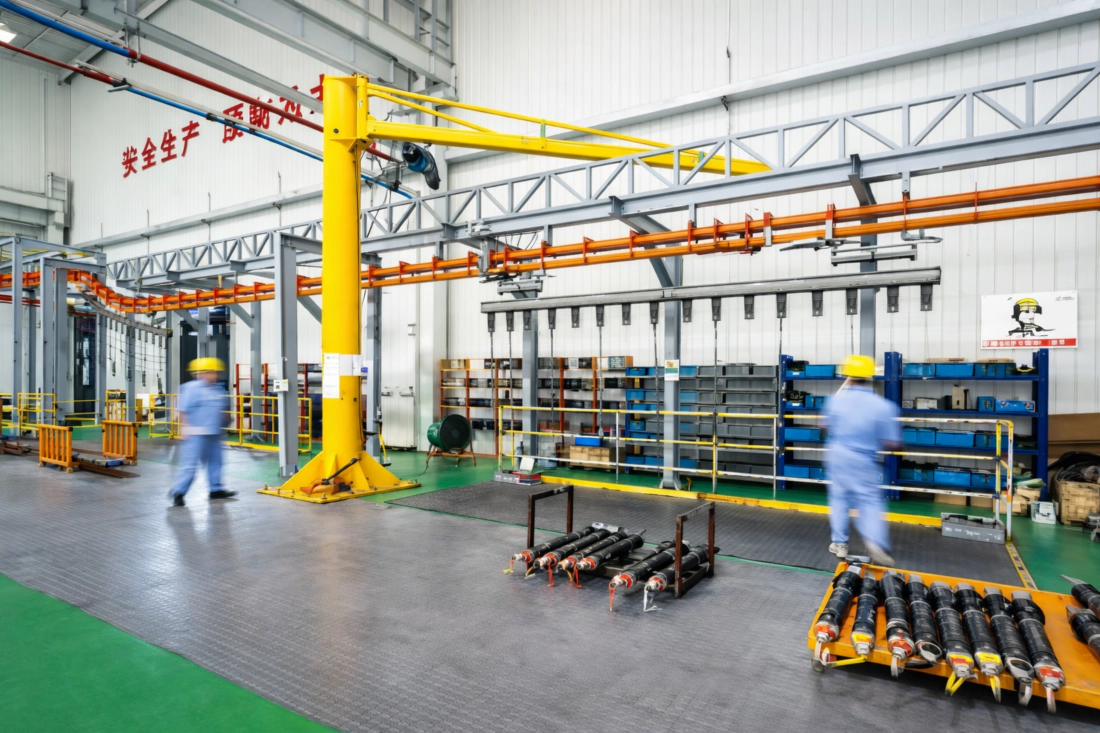
We are not just a supplier; we are your manufacturing partner in China. With a sprawling facility capable of handling large-bore cylinders and a dedicated R&D team for marine hydraulics, we offer full OEM/ODM services. From initial CAD modeling to final pressure testing and DNV certification support, we manage the entire lifecycle. Our logistics network ensures safe delivery from our factory floor to your shipyard, anywhere in the world.

Veelgestelde vragen
How much does a custom marine pitch control cylinder cost?
The cost depends entirely on the bore size, stroke length, and specific certification requirements like DNV or ABS. Generally, a bespoke stainless steel servo cylinder is an investment in longevity. Neem contact met ons op voor een offerte. tailored to your vessel’s specifications.
Which stainless steel grade is best for submerged marine cylinders?
We strongly recommend 2205 Duplex stainless steel or 316L for submerged applications. Duplex offers superior strength and resistance to stress corrosion cracking compared to standard austenitic grades, making it ideal for the high-load environment of propeller systems.
What is the typical lead time for manufacturing in China?
For custom marine cylinders, our typical production cycle is 4 to 6 weeks, depending on the complexity of the servo integration. We can also expedite shipping options to major global ports to minimize your vessel’s downtime.
Can you replace seals on existing pitch control cylinders?
While we focus on manufacturing complete units, we can supply repair kits containing our high-performance FFKM seals. However, if internal leakage is persistent, replacing the entire welded unit is often more cost-effective than attempting to repair a scored cylinder bore.
Where can I find technical data sheets for your marine products?
You can view general specifications on our Over ons page, but for detailed CAD drawings and technical parameters specific to pitch control, please submit an inquiry directly to our engineering team.