Diving into Tie-Rod Hydraulic Cylinders: Hands-On Tips for Reliability and Easy Maintenance
When tackling jobs that demand consistent linear force, tie-rod hydraulic cylinders often step up as the go-to choice—we’ve seen them hold their own in countless setups where quick fixes are a must (though they’re not always the slimmest option out there). These cylinders operate on the classic hydraulic principle: pressurized fluid pushes the piston, extending or retracting the rod, but the tie-rods holding the end caps make disassembly a breeze for repairs. In our experience, this design shines in moderate-pressure environments, say up to 250 bar, where cost savings matter without skimping on performance. Materials typically include ductile iron for the caps and barrels, steel tie-rods for tension strength, and chrome-plated piston rods to ward off rust— seals from nitrile handle standard fluids, but switch to Viton for hotter ops. Most folks don’t realize the rods’ threading allows easy part swaps, cutting downtime; we’ve overhauled units in hours that welded types would take days. But drawbacks? They can bulk up compared to welded cylinders, and strength is solid but not top-tier for extreme loads— the trick is sizing them right to avoid overstress. In industrial automation, they’re staples, powering conveyors or presses with reliable cycles; we’ve fitted them in lines where maintenance access was key, proving their worth time and again.
Peeling back more layers, a tie-rod hydraulic cylinder’s appeal lies in its modular build—end caps bolted via rods mean you can tweak internals without full teardowns, handy for seal replacements or piston upgrades. We’ve noticed that double-acting models, with fluid ports on both sides, offer push-pull versatility, while single-acting models rely on springs for return in simpler tasks. Material selections lean toward cost-effective steels, with optional stainless for corrosive spots (and don’t forget cushions; they soften stops, extending life in high-speed apps). Performance holds steady with strokes up to several meters, forces scaling with bore size— a 100mm bore at 200 bar might deliver 15 tons, adjustable via pressure. Seals and wipers keep fluids in and dirt out, but in gritty sites, we add scrapers. Advantages stack up: low upfront costs, easy servicing that saves labor— we’ve seen shops prefer them for that alone. Downsides include larger footprints and moderate strength limits, so not ideal for ultra-high pressures where welded shine. Yet in mainstream automation, they dominate, from robotic arms to material handlers; the trick is regular torque checks on rods to prevent loosening under vibes— skip that, and leaks creep in!
| Functie | Typische specificaties | Notes |
|---|---|---|
| Boringdiameter | 25mm – 200mm | Scales force; larger for heavier duties. |
| Slaglengte | Tot 3000 mm | Customizable; watch for rod buckling. |
| Drukclassificatie | Tot 250 bar | Suits moderate apps; test for bursts. |
| Staafdiameter | 12mm – 140mm | Affects stability; chrome for wear. |
| Materiaal | Steel, Ductile Iron | Cost-effective; stainless options. |
| Afdichtingsmateriaal | Nitril, Viton | Temp range -30C to 110C. |
| Montagetypes | Flange, Clevis, Foot | Versatile for integration. |
Zooming in on applications, tie-rod hydraulic cylinders fit snugly in machine tools, powering slides or clamps with steady force—we’ve installed them in lathes where easy access for tweaks kept production humming. The modular nature suits frequent adjustments, a real plus in dynamic shops. Woodworking presses use them for compressing panels, where cost and serviceability outweigh compactness (and operators appreciate the straightforward fixes).
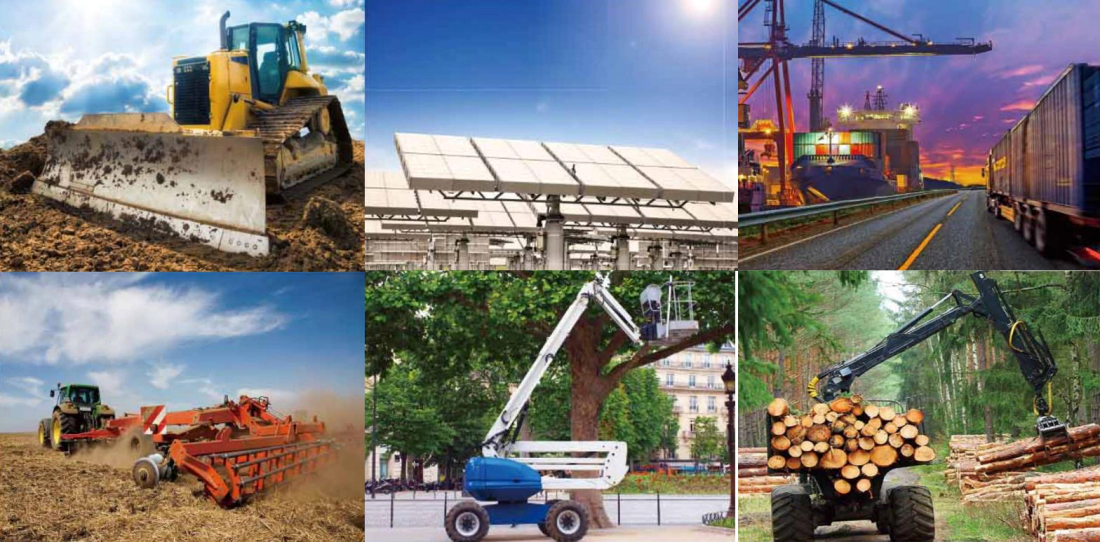
Packaging machinery relies on these for sealing or lifting, handling cycles without fuss— in our experience, their affordability makes them ideal for mid-sized lines, though space can be a squeeze. Agricultural implements like balers incorporate them for compacting, enduring dust with minimal upkeep; most farms don’t realize how tie-rods simplify field repairs. Plastic molding? They actuate molds precisely, with the low cost aiding scalability. And in conveyor systems, they adjust heights or gates smoothly— we’ve customized for food processing where hygiene demands quick disassembles. Automotive assembly lines too, for fixture positioning; the strength holds but isn’t overkill, keeping budgets in check— impressive how they balance pros and cons!
Spotting trends in tie-rod hydraulic cylinders, we’re seeing a tilt toward enhanced modularity with quick-change kits, speeding swaps in smart factories—sensors embedding for condition monitoring, catching wear early (we’ve tested hybrids that alert via apps, trimming halts by 20%). Cost pressures favor lighter alloys, easing installs without losing robustness, while eco-seals from recycled materials align with green standards. Customization surges with 3D printing for custom rods, fitting niche automation; in our builds, this cuts lead times. IoT ties in, linking cylinders to networks for data-driven tweaks— handy in global ops. And with labor shortages, easier maintenance designs dominate; trends point to sustained popularity in mid-range apps, evolving but rooted in affordability.
A solid case we managed was for a packaging firm in Mexico, focused on bottling lines. Their cylinders were failing seals often, downtime eating profits in humid conditions— we scoped it (Viton would’ve helped from the start), then supplied tie-rod hydraulic cylinders with upgraded seals and precise torquing. Integrated into their conveyors, it slashed repairs by 50%, boosting throughput for a major soda contract. They wrapped the year with extra savings, crediting the easy access— felt great seeing their line thrive!
Client takes: “Ever-Power’s tie-rod hydraulic cylinders streamlined our Italian woodworking ops—affordable and fixable fast.” – Giovanni L., Shop Foreman, Milan Woods. “In Canadian agriculture, these hold up to seasons; value for money shines.” – Laura K., Farm Ops, Ontario Agri. “For UK automation, the reliability in presses is spot on—recommend!” – David S., Engineer, London Mach.
SWOT Insights on Tie-Rod Hydraulic Cylinders
| Sterke punten – Easy disassembly for quick fixes. – Cost-effective manufacturing (we’ve seen budgets stretch further). – Versatile in mid-pressure tasks. – Modular for part upgrades. |
Zwakke punten – Bulkier than welded types. – Moderate strength limits. – Rod loosening risks if unchecked. – Less ideal for high-vibes. |
| Mogelijkheden – Sensor integrations for smarts. – Eco-materials for sustainability. – Growth in automation niches. – Custom kits for quick markets. |
Bedreigingen – Welded cylinder competition. – Material price hikes. – Stricter pressure regs. – Shift to electrics in light duties. |
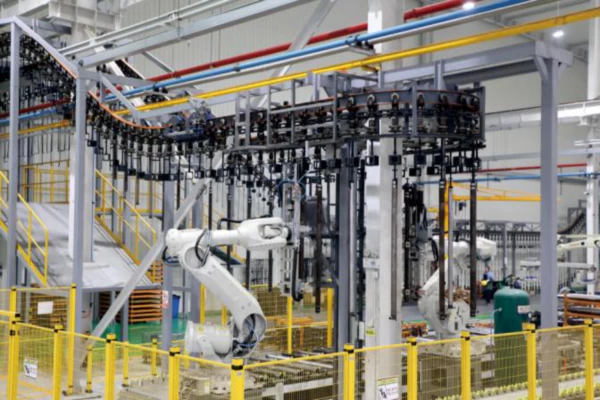
Inside our facility, we highlight customization for tie-rod hydraulic cylinders—altering bores, rods, or mounts to suit your line, with 18+ years guiding precise fits (we’ve prototyped for unique pressures, ensuring seamless drops-in). Rigorous machining and testing uphold quality, with flexibility for small batches or tweaks— sets us apart from rigid suppliers.
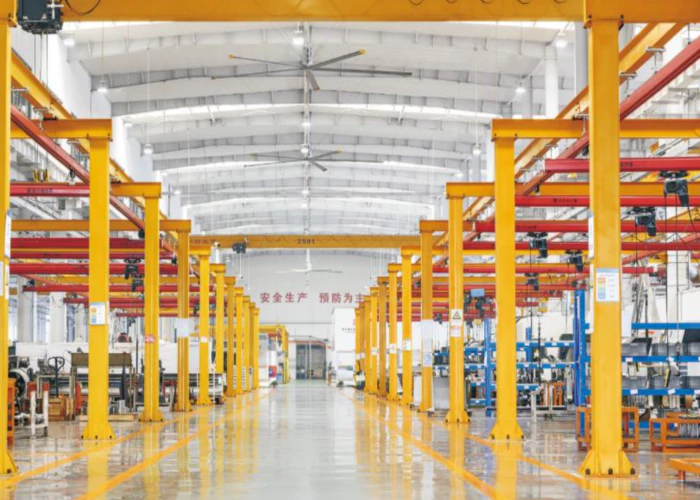
Welcome to tour our VR factory at deze link—peek inside our operations from your spot!