The Gatekeeper of Coal Carbonization
In the intricate choreography of a metallurgical coke plant, the charging car (or larry car) performs a critical function: delivering precise volumes of coal into the oven chambers. The hydraulic cylinder controlling the discharge gate is the definitive component governing this flow. As an application engineer who has spent 18 years optimizing fluid power systems for coking facilities from Shanxi to the Ruhr Valley, I have seen standard cylinders fail repeatedly in this specific node. The environment is a perfect storm of hostility: fine coal dust acts as a grinding compound, sulfur-laden fumes attack standard chrome, and the mechanical vibration of the moving car creates relentless side loads. A failure here does not just mean a leak; it means jammed gates, uneven charging, and disrupted coking cycles.
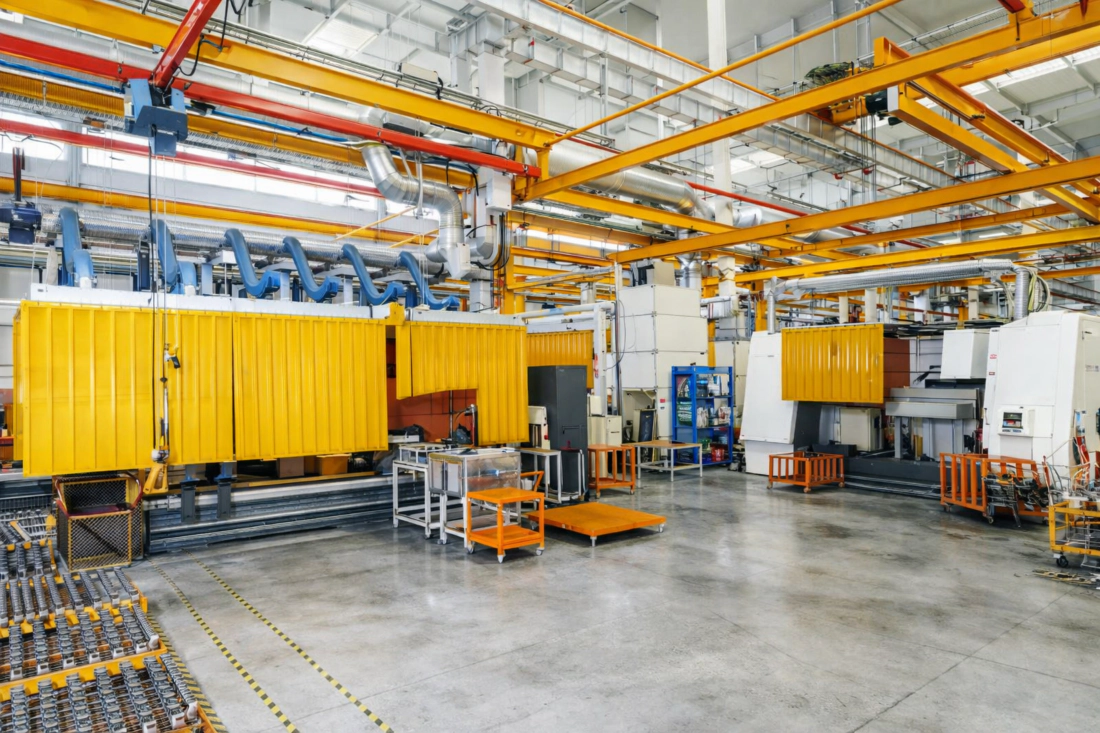
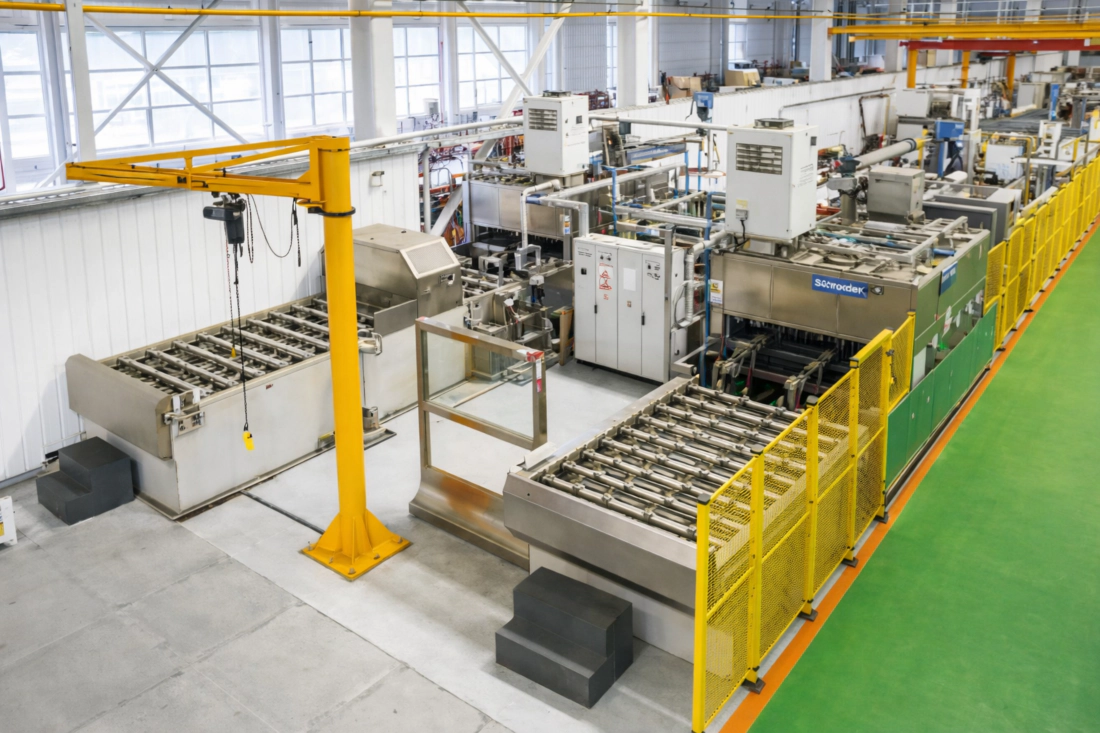
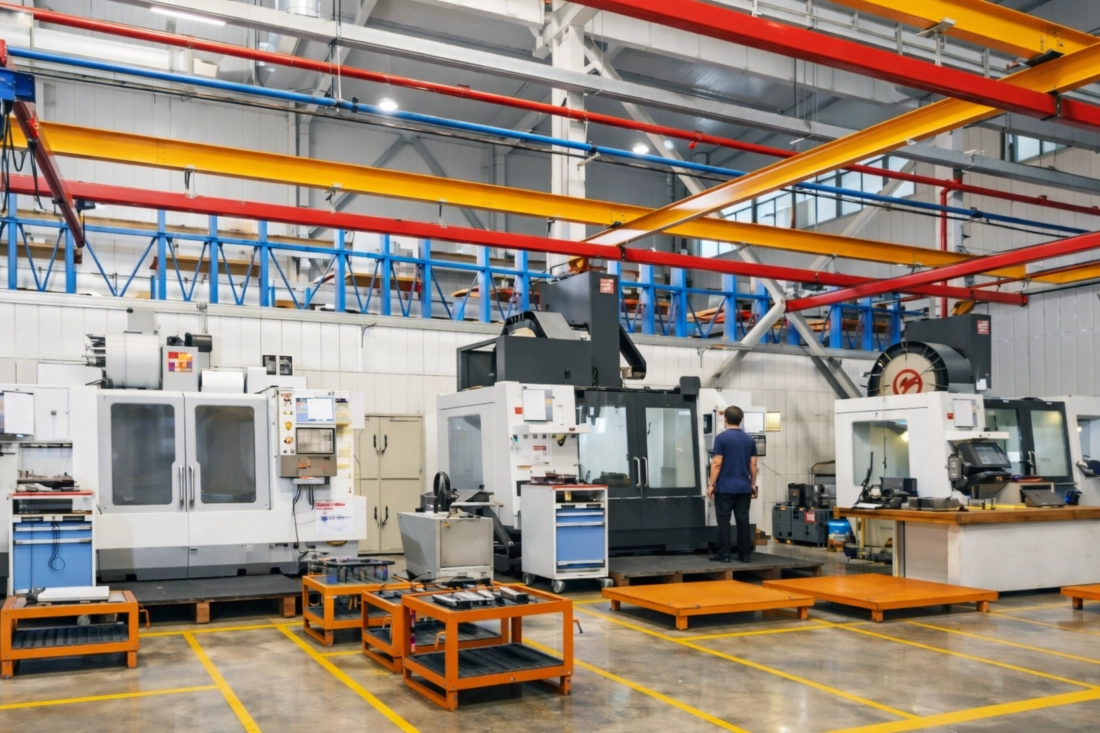
Reliability in charging operations demands a departure from generic hydraulic designs. It requires a transition to high-strength 42CrMo alloy steel for structural rigidity and advanced Nickel-based plating to repel chemical and abrasive attacks. At Even makt, we engineer cylinders that integrate broad PTFE support rings to absorb side loads, preventing the rod from scoring. We invite you to inspect our manufacturing precision directly. Through our immersive virtual reality tour, you can walk our production floor, examine our automated welding stations, and view our pressure testing rigs from your office.
Transparency in manufacturing. Verify our scale and quality instantly.
Combating Abrasive Wear and Side Loading
The primary failure mode for coke charging gate cylinders is rod surface degradation and internal bypassing caused by “side-load scoring.” As the charging car travels along the battery top, the vibration and the sheer weight of the coal gate mechanism create eccentric loads on the cylinder rod. Standard cylinders utilize narrow, plastic guide rings that deform under this pressure, allowing the piston to contact the barrel wall or the rod to scrape against the gland. Once metal-to-metal contact occurs, the coal dust—which inevitably settles on the rod—embeds into the scored surface, acting like sandpaper that shreds the main pressure seal.
Our engineering response is the deployment of **PTFE (Teflon) Bronze Composite Support Rings**. These wide, load-bearing bands provide a massive surface area to distribute side loads, ensuring the piston stays perfectly centered within the barrel. Furthermore, we utilize a welded construction using 42CrMo steel, which eliminates the risk of tie-rod elongation and ensures the cylinder barrel remains perfectly round even under thermal stress, maintaining tight seal clearances.
Technological Architecture for Charging Reliability
42CrMo Material Matrix
We utilize 42CrMo (AISI 4140) quenched and tempered steel for both the cylinder barrel and the piston rod. This material offers a yield strength significantly higher than standard ST52, ensuring the cylinder withstands the shock loads when the gate mechanism jams against coal lumps.
Nikkel-krombelegg
Standard chrome is porous. We apply a dual-layer strategy: a base layer of Electroless Nickel for chemical resistance against sulfurous coke gas, topped with Hard Chrome for tribological wear resistance. This prevents the “pitting” corrosion common in coke plants.
PTFE Support Guidance
To counteract the eccentric loading of the gate mechanism, we install extra-wide PTFE-Bronze composite support rings on the piston. These rings act as a self-lubricating bearing surface, absorbing side loads and embedding abrasive particles to protect the barrel wall.
Global Case Study: Coke Battery Efficiency
Teknisk ytelsesmatrise
| Specification Parameter | Standard bransjespesifikasjon | Ever Power “Coke-Spec” |
|---|---|---|
| Kroppsmateriale | Q235 / Q345B | 42CrMo (herdet og herdet) |
| Strukturtype | Stagmontering | Heavy Wall Welded Structure |
| Overflatebehandling av stang | Standard krom (20 μm) | Nickel-Chrome (>40μm) |
| Veiledningssystem | Narrow Plastic Rings | Bred PTFE/bronsekompositt |
| Nominelt trykk | 16 Mpa | 25 Mpa (Shock Proof) |
Applications Beyond Gate Control
The core technologies used in our charging gate cylinders—abrasion resistance and side-load management—are directly applicable to other critical mechanisms on the coke battery top.
Managing the removal and replacement of charging hole lids, where cylinders are exposed to direct flames and heat.
Actuating the telescopic chutes that lower to seal against the charging hole, requiring precise motion to prevent emissions.
Engaging and disengaging the screw feeders on the charging car, subjected to high vibration and coal dust.
Precision Manufacturing Hub in China
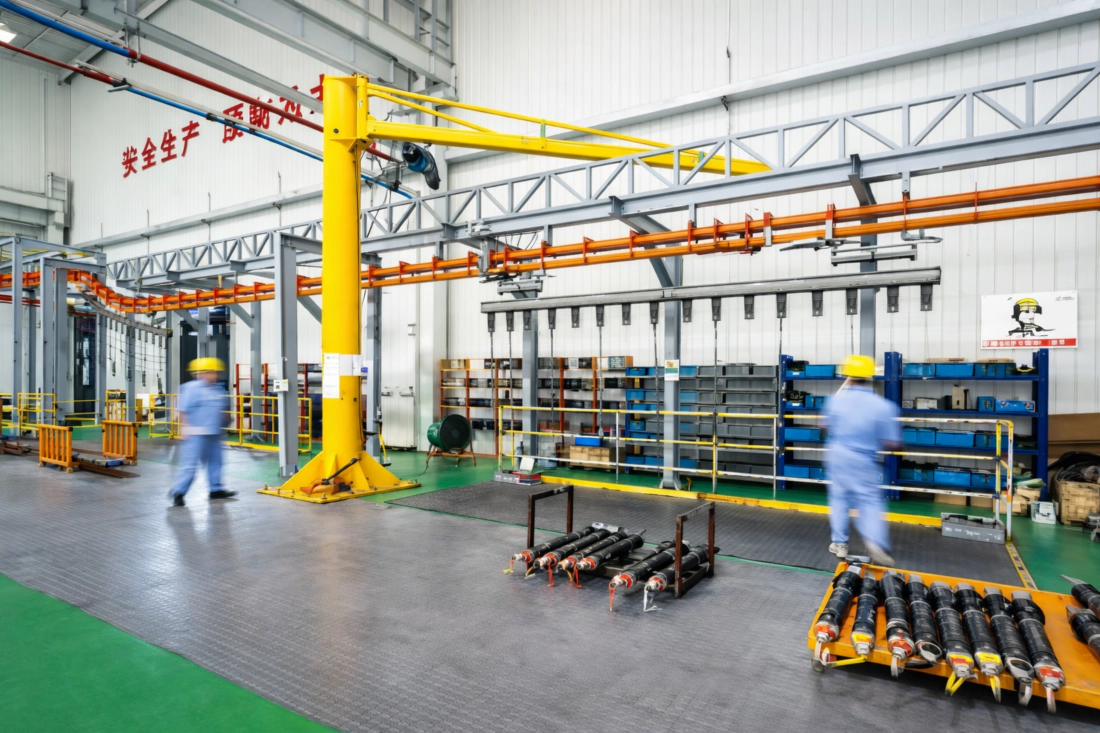
Ever Power operates from a premier heavy industry zone in China, granting us direct access to high-grade 42CrMo forging supplies and advanced plating facilities. We challenge the narrative of “low-cost” by focusing on “high-performance.” Our facility utilizes German honing machines and automated welding robots to ensure every cylinder meets strict ISO cleanliness and tolerance standards.
We specialize in export logistics. Whether your plant is in the Ural Mountains, Brazil, or Australia, we handle DDP (Delivered Duty Paid) shipping, ensuring the cylinders arrive at your site with all taxes and duties handled, ready for installation.

Expert Dialogue: Coke Charging Hydraulics
Why is 42CrMo steel better than Q345B for charging gate cylinders?
42CrMo offers significantly higher tensile strength and fatigue resistance compared to standard Q345B. This ensures the cylinder body does not deform under the high vibration and mechanical shock loads typical of a moving charging car, preventing internal leakage paths from forming.
How does Nickel plating protect against coke oven gas?
Coke oven gas contains sulfur and ammonia, which can cause pitting corrosion on standard chrome. Nickel is chemically inert to these compounds. By using a base layer of Nickel, we create a chemical barrier that protects the steel substrate, while the top Chrome layer provides the necessary hardness.
Can you manufacture a cylinder to fit my existing mounting bracket?
Yes, we specialize in aftermarket replacements. If you provide a drawing or the OEM part number, we can manufacture a cylinder that fits your existing mounting points perfectly but includes our upgraded internal components and sealing technologies.
What is the lead time for a custom gate cylinder?
For custom designs requiring special materials like 42CrMo and Nickel plating, our typical production time is 25 to 30 days. We also offer expedited shipping options to get the cylinder to your plant quickly once manufacturing is complete.
How do I request a quote for a charging cylinder?
You can contact us directly through the Kontakt oss page. Please provide your working pressure, bore size, stroke length, and any specific environmental details, and we will provide a quote within 24 hours.
Reliability is a Choice. Choose Ever Power.
Your partner in metallurgical fluid power solutions.
© 2026 Ever Power hydrauliske sylinderprodusent. Konstruert for ekstreme behov.