Engineered for 42CrMo Structural Integrity, High-Temperature Resilience, and Extreme Fatigue Cycles in Global Metallurgy.
Thermal expansion forces within an electric arc furnace (EAF) or a ladle refining furnace exert tremendous pressure on the structural integrity of the shell. When deformation occurs, the mechanical intervention required to realign massive steel plates demands more than just brute force; it requires calculated hydraulic precision. We engineer dobbeltvirkende stempelsylindre specifically for the brutal environment of furnace wall correction. Unlike standard off-the-shelf components, these actuators are built to withstand radiant heat, abrasive dust, and the high-cycle fatigue inherent in metallurgical maintenance.
Utilizing a sveiset konstruksjon methodology rather than tie-rods ensures maximum structural rigidity when lateral loads are applied during the correction process. The choice of 42CrMo-materiale for the piston rod is not arbitrary; it provides the necessary yield strength to resist buckling under heavy compressive loads, while our specialized nickel plating creates a barrier against sulfurous oxidation common in steel mills.
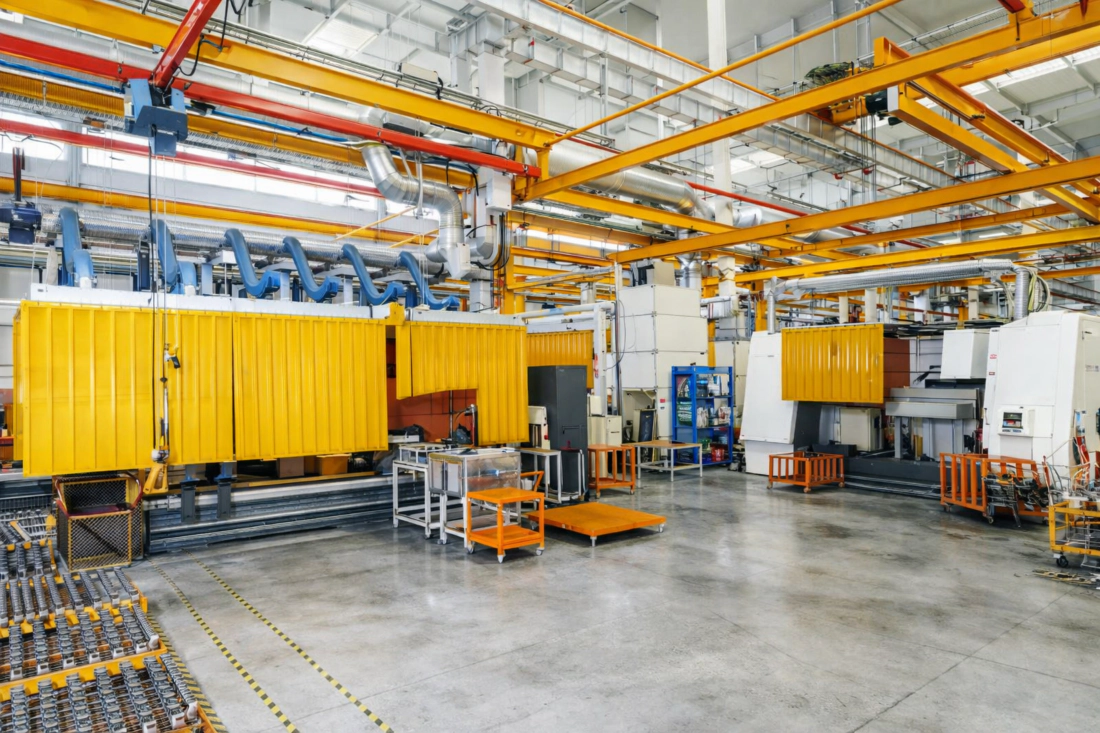
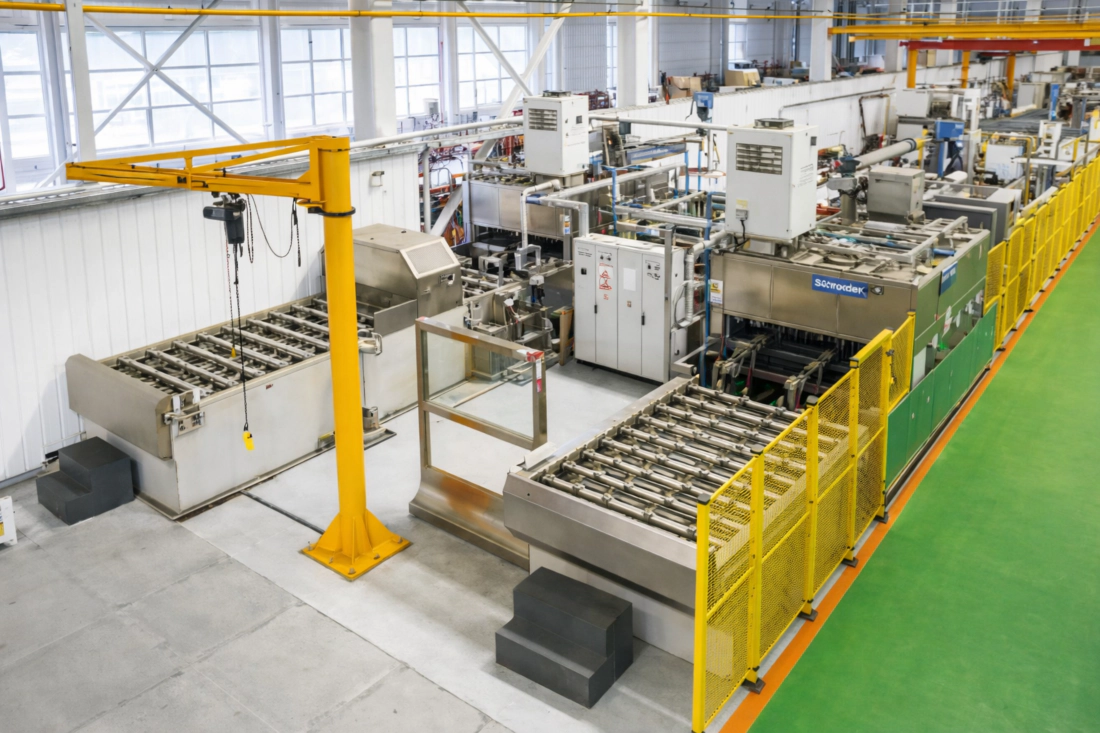
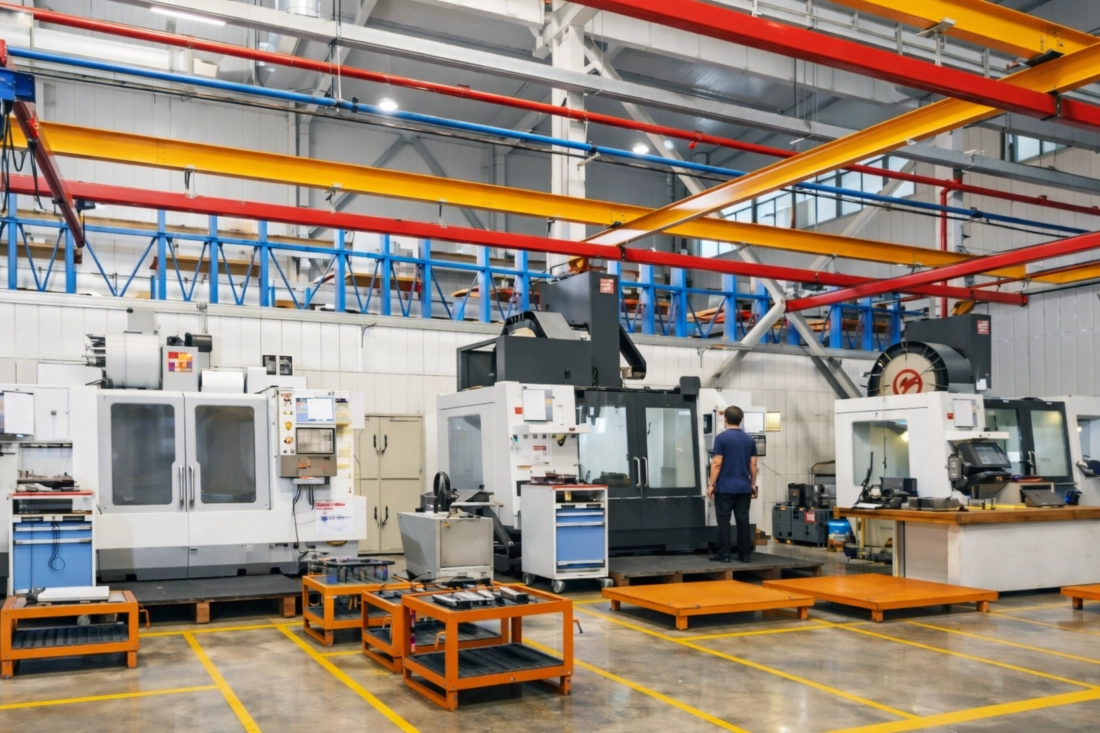
Opplevelse av fordypende produksjon
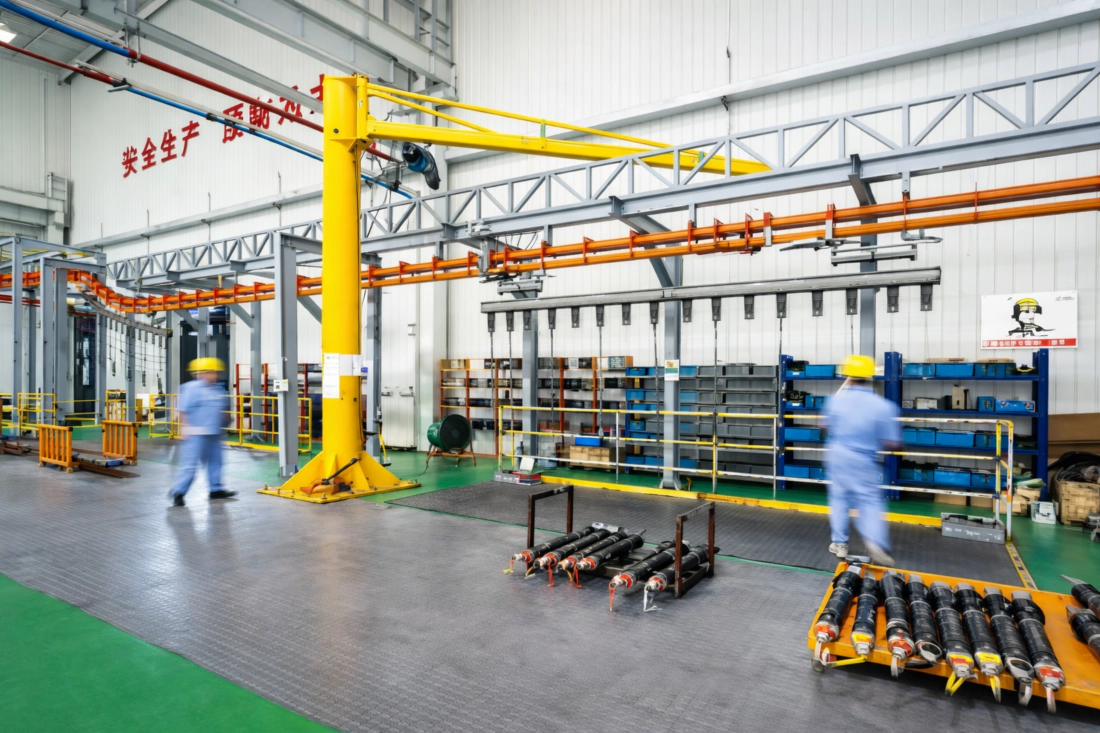
Verify our capabilities before you procure. Step onto our production floor in Hangzhou, China, from your office.
Engineering the Core: 42CrMo & Heavy Wall Design
42CrMo Metallurgi
The selection of 42CrMo (Chromium-Molybdenum steel) serves as the backbone of our cylinder rods. In furnace correction, the rod is often subjected to non-linear forces. 42CrMo offers superior hardenability and toughness compared to standard C45 steel. This ensures that even under maximum extension and load, the rod maintains geometric linearity, preventing seal failure.
Welded Architecture
We utilize a heavy-duty welded body design. Tie-rod cylinders often suffer from elongation or bolt fatigue under the distinct pulsing vibration of heavy industry machinery. Our robotically welded ports and end caps create a monolithic pressure vessel capable of handling pressure spikes typical in hydraulic correction sequencing.
Fatigue Management
The “Heavy Wall Design” increases the cylinder tube thickness beyond standard ISO calculations. This reduces hoop stress significantly, allowing the cylinder to survive millions of cycles. This is critical for maintenance equipment that must perform reliably during short, high-intensity shutdown windows.
Strategic Advantages in High-Temp Environments
Operating near a metallurgical furnace implies ambient temperatures that destroy standard NBR seals within hours. Our furnace wall correction cylinders integrate a comprehensive high-temperature sealing system. We utilize Fluorocarbon (Viton) or PTFE-filled compounds capable of maintaining elasticity up to 200°C (392°F). For extreme proximity applications, we engineer integrated water-cooling jackets directly into the cylinder barrel, circulating coolant to maintain internal oil viscosity and seal integrity.
The surface treatment is equally critical. The nickel-chrome plating on the rod is not merely for aesthetics; it provides a Vickers hardness exceeding HV900. This hardness repels the abrasive metallic dust and slag particles present in the air, which would otherwise score a softer rod surface and induce leakage.
Case Study: “Project Red Forge” – Brazil
Solving rapid seal degradation in a 120-ton Electric Arc Furnace facility.
Utfordringen: A major steel producer in Minas Gerais, Brazil, faced monthly failures of their furnace maintenance cylinders. The radiant heat during wall correction operations reached 180°C, causing standard polyurethane seals to crystallize and shatter, leading to dangerous hydraulic fluid leaks near molten metal.
Ever Power-løsningen: We deployed a custom “Thermo-Shield” variant.
- Core Material: Upgraded rod to 42CrMo4 with Double-Layer Chrome plating.
- Sealing Tech: Replaced standard seals with a custom Merkel® Omegat high-temp configuration reinforced with phosphor bronze guide rings.
- Protection: Added an external stainless steel bellow (accordion cover) to shield the rod from direct slag splash.
The Result: Maintenance intervals extended from 4 weeks to 14 months, reducing annual downtime costs by approximately $240,000.
“The customization capability of the Chinese engineering team was impressive. They didn’t just sell us a cylinder; they analyzed our heat maps.”
— Carlos M., vedlikeholdsdirektør
“Delivery to Brazil was faster than local refurbishment options. The packaging was robust enough for ocean freight.”
— Roberto S., Procurement Lead
“The 42CrMo rods have shown zero signs of bending despite two accidental impact events.”
— Operational Supervisor
Technical Parameters: Furnace Wall Correction Series
| Parameter | Standardspesifikasjon | Custom Option (High Performance) |
|---|---|---|
| Strukturtype | Dobbeltvirkende stempel | Double Acting with Cushioning |
| Tønnemateriale | ST52 / E355 | 27SiMn / 42CrMo |
| Stempelstangmateriale | CK45 Hard Chrome | 42CrMo + Nickel/Chrome (Duplex) |
| Arbeidstrykk | 160–210 bar | Up to 350 Bar (Peak 420 Bar) |
| Temperaturområde | -20 °C til +80 °C | -20°C to +200°C (Viton/PTFE) |
| Boringsdiameter | 40 mm – 320 mm | Custom up to 800mm |
| Monteringsstil | Clevis / Flange | Sfærisk lager / Trunnion |
Beyond Wall Correction
While furnace wall correction is the primary application for this heavy-wall series, the robust architecture makes it suitable for:
- Ladle Turrets: Handling massive vertical loads with zero drift.
- Tundish Cars: Precise positioning in high-heat zones.
- Continuous Caster Segments: Resisting water spray and scale accumulation.
- Smelting Furnace Tilting: Critical safety actuators requiring redundant seal systems.
Explore our full range of solutions at Ever Power Hydraulic Cylinders.
Precision Manufacturing in China for the World
Located in the heart of China’s advanced manufacturing hub, our facility leverages a mature supply chain for premium alloy steels and specialized coatings. We don’t just assemble; we design. Our engineering team utilizes Finite Element Analysis (FEA) to simulate the stress points of your specific furnace setup before a single piece of metal is cut.
Whether you need a single replacement unit for an emergency shutdown or an OEM contract for a new furnace build, our Om oss page details our ISO 9001 certified processes. We offer complete customization including stroke length, mounting dimensions, and port configurations to match existing legacy equipment seamlessly.

Ofte stilte spørsmål
How long does it take to manufacture a custom furnace cylinder?
Our standard production timeline for custom heavy-wall cylinders is 25 to 35 days. However, for urgent furnace maintenance shutdowns, we offer an expedited track that can reduce lead time to approximately 15 days, depending on material availability.
Which hydraulic cylinder supplier in China offers high-temp seals?
We specialize in high-temperature hydraulic solutions. We source genuine sealing kits from global brands like Merkel, Hallite, and Parker, specifically compounded with Viton or PTFE to withstand temperatures up to 200°C in metallurgical applications.
What is the cost difference between welded and tie-rod cylinders?
Welded cylinders generally cost 15-20% more than tie-rod counterparts due to the complexity of manufacturing. However, for furnace applications, the welded design offers vastly superior durability and reduced leak paths, lowering the Total Cost of Ownership (TCO) significantly.
Where can I get a quote for 42CrMo piston rod cylinders?
You can request a detailed commercial proposal directly through our website. Simply navigate to our contact page, submit your technical drawings or specifications, and our engineering team will provide a quote within 24 hours.
Why is nickel plating used on metallurgical hydraulic cylinders?
Nickel plating provides an essential layer of corrosion resistance that chrome alone cannot offer. In steel mills, the atmosphere often contains sulfur and acidic vapors; nickel acts as a barrier substrate, preventing the base steel from oxidizing and extending rod life.
Ready to upgrade your furnace maintenance equipment?
Partner with a manufacturer that understands the heat of the industry.