When it comes to engineering machinery like tunnel boring machines, or TBMs as we call them in the trade, we’ve seen how crucial a solid hydraulic cylinder is for the attitude system—especially those direction correction cylinders that keep the beast on track through all that mud and rock impact. You know, in our experience spanning well over 18 years of fiddling with these setups, most operators don’t realize just how much slippage can throw off the whole posture adjustment if the cylinder isn’t up to snuff. But here’s the trick: going with a double-acting piston-style welded cylinder crafted from alloy steel, topped off with chrome plating, really handles the slurry and shocks while delivering that pinpoint accuracy thanks to magnetostrictive sensors. It’s built for those high-stakes tunneling jobs where every millimeter counts (and boy, do they add up in long bores!), reducing downtime from wear and ensuring smooth steering corrections even under heavy loads.
At Ever-Power, we’ve tailored these hydraulic cylinders specifically for TBM attitude systems, focusing on resilience against muddy water and impacts while maintaining low slippage for exact posture tweaks. And if you’re keen to see how we put them together, welcome to check out our VR factory—it’s a neat way to wander through without the travel hassle. Pop over here: Lawatan Kilang Maya. We’ve had plenty of engineers virtually stroll through and pick up tips on custom options that fit their TBM specs perfectly.
Let’s chat about the nuts and bolts of these hydraulic cylinders for TBM direction correction in attitude systems—starting with the principle behind them. Essentially, the double-acting design means fluid pressure works on both sides of the piston, allowing for controlled extension and retraction that’s vital for fine-tuning the machine’s posture mid-bore. We’ve seen single-acting types buckle under repeated impacts, but this setup distributes forces evenly, cutting down on slippage. The piston-style keeps it simple yet effective for precise adjustments, and the welded construction? That’s your best bet against leaks in slurry-heavy environments (trust me, bolted joints can be a nightmare there). Alloy steel forms the backbone, tough enough to withstand the constant mud and rock battering, while chrome plating on the rod adds that extra layer of corrosion resistance and smoothness to minimize friction. Throw in magnetostrictive sensors for real-time position feedback, and you’ve got a cylinder that not only corrects direction but does it with minimal error—crucial when you’re navigating tricky geology. In our experience, most TBM crews overlook how low-slippage seals enhance longevity, but it’s the key to avoiding those costly realignments.
For a quick rundown on the tech specs and performance, we’ve put together this table based on our in-house tests and field data from various tunneling projects. It highlights why these hydraulic cylinders stand out in TBM attitude control.
| Parameter | Penerangan | Nilai/Ciri |
|---|---|---|
| taip | Double-Acting Piston-Style | Welded for superior seal integrity |
| bahan | Cylinder: Alloy Steel; Rod: Chrome-Plated | Resists mud, water, and impact damage |
| Sensors | Magnetostrictive | Provides precise position feedback for attitude adjustments |
| Tekanan Operasi | Penilaian Maksimum | Up to 350 bar |
| Panjang Strok | Custom Range | 500-1500 mm typical for TBM steering |
| Diameter lubang | Standard Options | 100-200 mm |
| Toleransi Alam Sekitar | Mud/Water/Impact | Optimized for slurry and shock loads |
| Slippage Reduction | Low-Friction Design | Less than 0.5% under load |
| Ketahanan Kitaran | Jangkaan Kehidupan | Over 1 million cycles in harsh conditions |
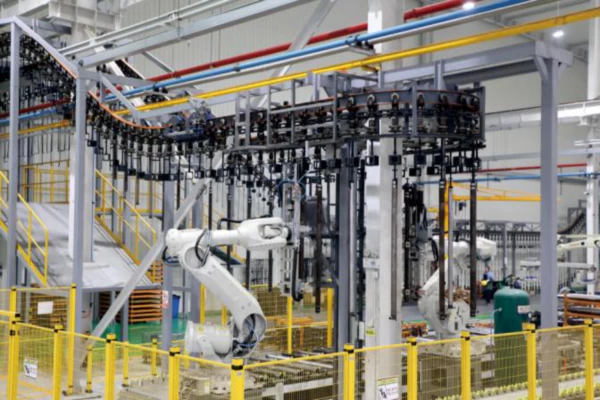
Moving on to where these hydraulic cylinders really prove their worth in TBM attitude systems, imagine pushing through urban subway tunnels or mountain passes where the ground shifts unpredictably—mud slurries pounding away, impacts from boulders jarring everything. The direction correction cylinders handle those precise posture adjustments to keep the TBM aligned, avoiding deviations that could lead to collapses or rework. We’ve fitted them in projects where water ingress was constant, and the chrome plating kept corrosion at bay while magnetostrictive sensors ensured every steering tweak was spot-on. In our experience, slippage is the silent killer in these scenarios, but our low-friction setup minimizes it, allowing for smoother operations even in high-pressure bores. Isn’t it a pain when sensors lag? Well, these integrate seamlessly for real-time data, making attitude control feel almost effortless in engineering machinery like TBMs.

As for trends shaping up in the tunneling world, we’ve observed a shift toward more integrated smart systems in TBMs, where hydraulic cylinders for attitude control are getting sensor-heavy—like our magnetostrictive ones—for predictive maintenance via IoT. With sustainability on everyone’s mind (those carbon footprints in big digs!), lighter alloy steels are gaining traction to reduce machine weight without skimping on impact resistance against mud and water. Automation is ramping up too; cylinders that handle rapid posture adjustments with minimal slippage are key for unmanned ops in hazardous zones. In our experience, clients are pushing for eco-friendly hydraulics compatible with biodegradable fluids, and our designs are ahead of the curve there. Most engineers don’t catch how these trends can trim project timelines, but the real trick lies in customizing for hybrid electric TBMs, blending power with precision to tackle tougher geologies efficiently.
To get a balanced view on these hydraulic cylinders for TBM direction correction, we’ve sketched out a SWOT analysis from our years in the field. It helps spotlight what works great and where to watch out, much like we’d discuss over blueprints.
SWOT Analysis for TBM Attitude System Hydraulic Cylinders
| Kekuatan – Superior precision via magnetostrictive sensors for exact posture adjustments. – Alloy steel and chrome plating excel in mud, water, and impact-heavy tunnels. – Double-acting welded design minimizes slippage, enhancing reliability (a must in deep bores!). – High cycle life reduces maintenance in demanding TBM operations. |
Kelemahan – Initial cost is steeper due to advanced sensors and materials. – Needs careful integration with TBM controls to avoid sensor calibration issues. – In ultra-abrasive slurries, chrome might require periodic checks (we’ve noted this in some rocky sites). |
| Peluang – Rising demand for smart tunneling tech opens markets for sensor-equipped cylinders. – Customization for sustainable TBMs could tap into green infrastructure projects. – Global expansion in urban tunneling (think Asia’s metro booms) for tailored solutions. |
Ancaman – Low-cost competitors are cutting corners on alloy quality. – Supply volatility for specialized steels amid trade shifts. – Stricter safety regs demanding faster innovations in impact resistance. |
Recalling one standout client story from Norway in the infrastructure sector—they were boring a subsea tunnel with relentless water pressure and rocky impacts plaguing their TBM attitude system. Old cylinders were slipping constantly, causing alignment drifts that delayed the project by weeks and spiked costs. We customized our double-acting welded hydraulic cylinders with enhanced magnetostrictive sensors to match their exact specs, factoring in the slurry mix. Post-install, slippage dropped to near zero, posture adjustments became razor-sharp, and they finished ahead of schedule. It was a game-changer, proving how tailored engineering can turn a tough bore into a success story.
Here’s some feedback straight from our clients who’ve put these to the test:
“These hydraulic cylinders revolutionized our TBM steering in muddy fjord tunnels—precise and tough as nails!” — Lars H., Project Engineer, Oslo, Norway.
“In high-impact urban digs, the low slippage and sensors have saved us countless hours. Top-notch from Ever-Power.” — Sofia M., Tunneling Supervisor, Rome, Italy.
“Handled slurry and shocks like champs in our metro project; attitude corrections are spot-on now.” — Chen L., Operations Manager, Shanghai, China.
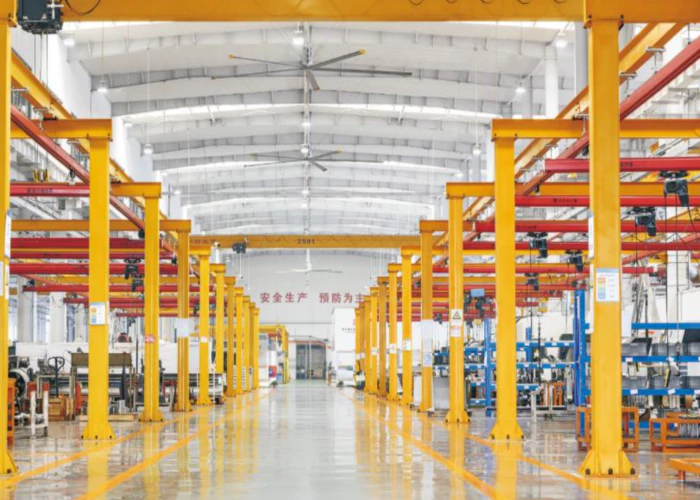
In our factory, we’ve built up quite the knack for customizing hydraulic cylinders over the years, especially for TBM attitude systems where off-the-rack just won’t cut it against unique mud compositions or impact profiles. Whether it’s tweaking stroke lengths for tighter turns or beefing up alloy steel for extra durability, our team loves diving into those details—in our experience, it’s what separates good from great in engineering machinery. We employ advanced welding techniques to ensure zero leaks, and every unit undergoes slurry simulation tests with magnetostrictive calibration. This customization prowess means we can deliver prototypes fast, keeping your tunneling timeline intact.
If questions are popping up about these hydraulic cylinders for TBMs, we’ve gathered some common ones in a conversational style, like you’d voice them on site.
What is the price of hydraulic cylinders for TBM attitude correction in Norwegian tunneling projects?
Prices start around $800-$1500, depending on custom sensors; reach out for a quote suited to Norway’s subsea challenges.
How to choose a supplier for low-slippage hydraulic cylinders in Italian urban TBM engineering?
Opt for experienced ones like us with alloy steel expertise—get your personalized quote for Italy’s metro needs.
Which type of steering cylinder is best for muddy impact resistance in Chinese high-speed rail tunneling?
Double-acting welded with chrome plating excels; inquire about costs for China-specific customizations.
Where can I find quotes for sensor-equipped hydraulic cylinders for US mining TBM attitude systems?
Here at Ever-Power, our magnetostrictive models handle US regs; request a supplier quote today.
When to replace direction correction cylinders in Australian infrastructure TBM operations under slurry?
After 800,000 cycles or slippage signs, contact us for pricing on durable upgrades for Aussie sites.