Bulldozer Blade Lift Hydraulic Cylinders: Why “Heavy Duty” Isn’t Just a Label
There is a specific sound a dozer makes when it hits a hidden granite shelf—a deep, shuddering thud that vibrates right up through the seat and into your spine. In that split second, the entire weight of the machine and the resistance of the earth are fighting against two components: the Bulldozer Blade Lift Hydraulic Cylinder pair. After spending eighteen years on the manufacturing floor and out in the mud with fleet managers, I’ve learned that most premature failures don’t happen because the steel wasn’t strong enough; they happen because the design didn’t account for the “imperfect” reality of the job site. We see it all the time: a cylinder that looks great on a CAD drawing but fails in the field because the seal configuration couldn’t handle the microscopic rock dust that bypasses the wiper. Most printers and procurement teams focus on the bore size and stroke length, which is fair, but the real magic—the stuff that keeps your machine running for 5,000 hours instead of 500—happens in the micron-level tolerances between the piston rod and the gland. If you have ever walked out to your machine in the morning and found the blade resting on the ground when you left it raised, you know exactly the kind of internal bypass misery I am talking about.
🏭 Step Inside Our Production Line
You don’t need a flight ticket to inspect our quality. Walk through our honing workshop and assembly stations right now.
See where the heavy iron is born.
The Engineering Beneath the Paint: Why Stock Parts Often Fail
Let’s get technical but keep it practical. The fundamental challenge with a Bulldozer Blade Lift Hydraulic Cylinder is not just the lifting force; it is the side-loading. When an operator is angling the blade to windrow material, the geometry changes. The forces are no longer acting in a perfect straight line down the center of the rod. This creates a bending moment that tries to bow the rod like a fishing pole. In our experience, standard cylinders often use a guide band (the wear ring) that is too narrow. When that side load hits, the rod flexes, the metal touches the metal of the gland, and suddenly, you have scoring. We engineer our lift cylinders with extended bronze-filled PTFE guide bands to distribute that load over a wider surface area. Furthermore, the chrome plating isn’t just for shine. We insist on a multi-layer chrome process that reaches a hardness of HV 850 minimum. If the chrome is soft, the first rock that hits it will leave a dent. That dent then acts like a cheese grater on your wiper seal every time the rod retracts. It’s a domino effect of failure that we design out from day one.
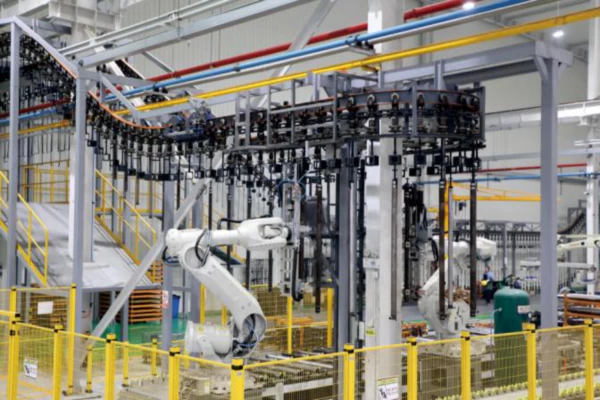
Our honing facility ensures the barrel surface finish (Ra 0.4) retains just enough oil to lubricate the seals without leaking.
Core Specifications: What You Should Be Asking For
When you are looking for a replacement or a custom build, don’t just ask for the part number. Ask about the materials. For a high-performance Bulldozer Blade Lift Hydraulic Cylinder, the yield strength of the tube is critical. We’ve seen competitors use standard ST52 tubing for high-pressure applications, which can actually “breathe” or expand slightly under peak pressure (ballooning), allowing fluid to bypass the piston seal. We typically recommend Q345B or even 27SiMn for heavy mining applications because it stays rigid under 350+ Bar spikes. Also, pay attention to the eye mounts. The trunnion or clevis needs to be induction hardened at the contact points, or the pin will wear out the hole, leading to sloppy blade control. Here is a snapshot of the specs we consider the “Gold Standard” for dozer applications.
| Komponen | Standard Spec (Common) | Ever Power Heavy-Duty Spec |
|---|---|---|
| Rod omboh | CK45, Chrome 20µm | 42CrMo4, Induction Hardened, Chrome >30µm + Polishing |
| Sistem Pengedap | Single Lip PU Wiper | Double Lip Metal-Cased Wiper (Ice/Mud Proof) |
| Tekanan Operasi | 210 Bar | Rated 250 Bar / Peak 350 Bar |
| Julat Suhu | -20°C hingga +80°C | -40°C to +110°C (Custom Viton/Low-Temp compounds) |
| Paint/Finish | Single Coat Enamel | Epoxy Primer + Polyurethane Topcoat (Salt Spray 500h+) |
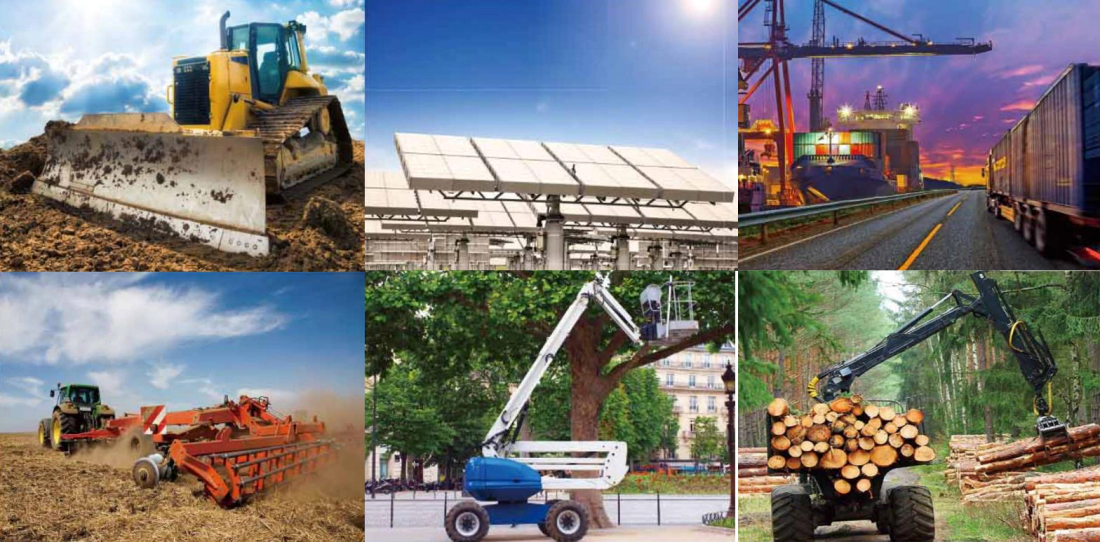
From freezing tundra to scorching quarries, the environment dictates the design.
Diverse Terrains: Where the Rubber (or Track) Meets the Road
A blade lift cylinder isn’t a “one size fits all” component. In the forestry sector, for example, the biggest threat is physical impact. We have to design guards for the hydraulic ports because stray branches will shear off a fitting in a heartbeat. Compare that to a waste management landfill dozer. There, the enemy is heat and chemical corrosion. The hydraulic fluid gets hotter because the radiator is often clogged with debris, and the acidic nature of decomposing waste eats standard seals. For those clients, we switch to Fluorocarbon (Viton) seals that can handle high temperatures and chemical attack. Then you have the mining sector in Western Australia or Chile. The dust there is so fine it acts like a grinding paste. If you use a standard snap-in wiper, that dust enters the cylinder and destroys the pump. For those applications, we utilize a press-fit metal scraper ring that physically shaves the mud off the rod before it reaches the main seal.
Case Study: The “Borneo Mud” Challenge
Client: Nusantara Mining Solutions (Indonesia)
Masalahnya: Operating a fleet of D8-size dozers in a tropical coal mine. The combination of 100% humidity, frequent rain, and abrasive coal slurry was causing their OEM cylinder rods to pit within 3 months. The rust spots were tearing seals, leading to massive oil leaks and EPA fines.
Penyelesaian Kami: We analyzed the failed units and realized standard hard chrome wasn’t enough for the acidity of the coal mud. We engineered a custom Bulldozer Blade Lift Hydraulic Cylinder featuring “Nickel-Chrome” plating. We applied a base layer of electroless nickel for corrosion resistance, followed by hard chrome for wear resistance. We also upgraded the wiper seal to a double-lip aggressive scraper.
Hasilnya: The new cylinders have been running for 14 months with zero pitting or leakage. The maintenance manager reported a 300% increase in lifespan, saving them approximately $85,000 in replacement parts and downtime in the first year alone.
Strategic Analysis: Where We Stand (SWOT)
Kekuatan
18+ years of specialized data on seal failure modes. Full in-house manufacturing from raw tube to final paint, ensuring strict QC.
Kelemahan
Our custom heavy-duty focus means we are rarely the “cheapest” option on the market. We prioritize longevity over low initial cost.
Peluang
Integration of position sensors (smart cylinders) for automated grading systems is a rapidly growing request we are fulfilling.
Ancaman
The market is flooded with low-grade recycled steel cylinders that look identical but fail under shock loads, confusing buyers.
Trend Analysis: The Future is Smart & Sustainable
We are seeing a massive shift in how companies view their hydraulics. Five years ago, a cylinder was just a “dumb” muscle. Today, we are increasingly integrating Linear Displacement Transducers (LDTs) directly inside the rod of the Bulldozer Blade Lift Hydraulic Cylinder. This allows the dozer’s computer to know the exact blade height and angle, enabling semi-autonomous grading. This isn’t science fiction; it’s happening now to combat the shortage of skilled operators. Additionally, there is a push for “green” hydraulics—cylinders designed with low-friction seals that reduce the parasitic load on the engine, thereby saving fuel. We are also optimizing our seal kits to be compatible with bio-degradable hydraulic fluids, which are becoming mandatory in many forestry and wetland construction projects.
Customization: If You Can Sketch It, We Can Build It
You might be modifying a dozer for a specific task—maybe a root rake for land clearing or a massive coal blade. Standard cylinders won’t have the stroke or the mounting geometry you need. This is where our custom shop shines. We don’t just shorten a tube; we recalculate the column load (buckling stress) to ensure the new length is safe. We can alter the port positions to route hoses away from danger zones. We can add integrated counterbalance valves directly to the cylinder body to prevent hose-burst drops. Our process is transparent: you get a drawing, you approve it, and we cut the steel.
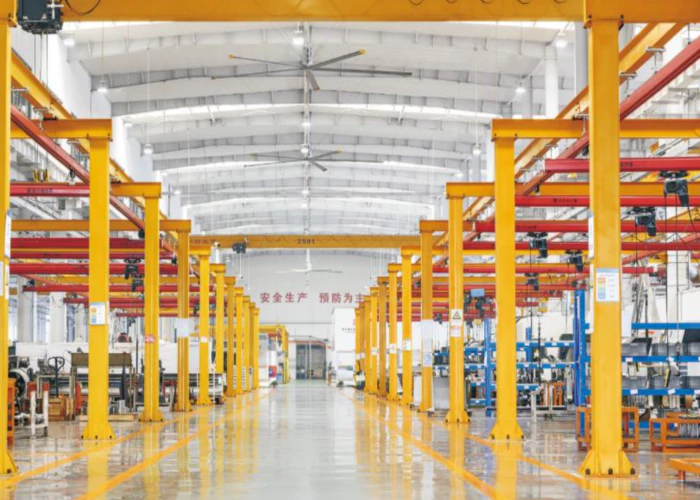
Precision welding is critical—one pore in the weld can lead to fatigue failure under high-cycle vibration.
Apa yang Dikatakan oleh Industri
“We run Komatsu D375s in a quarry. The OEM cylinders were expensive and slow to arrive. Ever Power built us a set with upgraded seals that arrived in 3 weeks. They are still dry as a bone after 2,000 hours.”
— Mike S., Quarry Manager, Texas, USA
★★★★★
“Finding a supplier who understands the difference between a lift cylinder and a tilt cylinder is rare. These guys know their stuff. The technical support was excellent.”
— João P., Construction Director, Brazil
★★★★★
“Great communication on the drawing phase. The cylinders fit perfectly on our modified CAT dozers. Solid welds and good paint job too.”
— Liam T., Equipment Hire, Australia
★★★★★
FAQ: Field Questions Answered
We hear these questions every day from mechanics and owners. Here is the straight talk.
Why is my bulldozer blade dropping when the machine is off?
This is classic ‘drift.’ It usually means the piston seal inside the lift cylinder is worn or damaged, allowing oil to bypass from the high-pressure side to the low-pressure side. It could also be a leaking control valve, but the cylinder is the usual suspect.
What is the cost to replace a D6 bulldozer lift cylinder?
Prices vary depending on whether you go OEM or aftermarket. Generally, a high-quality aftermarket cylinder ranges from $1,200 to $3,500. Custom heavy-duty versions might cost a bit more but save money in the long run.
Can I repair a bent hydraulic cylinder rod?
Honestly? No. Once a rod is bent, its structural integrity is compromised. Straightening it creates weak points that will snap under load. The safe route is always to manufacture a new rod or replace the cylinder.
Where can I find a hydraulic cylinder supplier that ships to Canada?
We ship globally, including daily shipments to Canada. We handle the logistics and can often get a custom cylinder to your door faster than a local shop can machine one from scratch.
Which hydraulic oil is best for cold-weather dozer operation?
In freezing temps, standard AW46 oil gets too thick, causing cavitation. You should switch to a multi-grade high Viscosity Index (VI) fluid or a lower viscosity oil like ISO 32 to ensure the pump gets lubrication on startup.
How do I measure a hydraulic cylinder for a replacement quote?
We need the closed center-to-center length (pin to pin), the stroke length, the bore diameter, and the rod diameter. Photos of the mounting ports help us figure out the orientation.
Still Fighting Hydraulic Leaks?
Our engineers are ready to review your specs and solve your downtime issues.