Modern dairy operations demand an unprecedented level of mechanical precision and absolute hygienic compliance. At the heart of a high-efficiency milking parlor is the milking machine cluster, a sophisticated assembly that extracts, measures, and transports raw milk. Regulating this delicate fluid transfer requires a highly responsive milking control valve, which dictates the flow of emulsion and vacuum pressures throughout the pipeline network. The mechanical actuator driving this critical component must operate flawlessly over millions of cycles while enduring some of the harshest sanitation protocols in the agricultural sector. Standard industrial actuators simply degrade when exposed to the rigorous biological and chemical realities of dairy farming. Recognizing this severe engineering gap, our specialized development team has engineered a bespoke double-acting micro piston cylinder designed exclusively for valve execution within dairy environments. We invite global procurement engineers and facility designers to explore our advanced manufacturing ecosystem where these components are forged. Welcome to visit our VR factory here: Experience Our Automated Production Lines to witness the exact precision and clean-room assembly protocols that guarantee our fluid power supremacy.
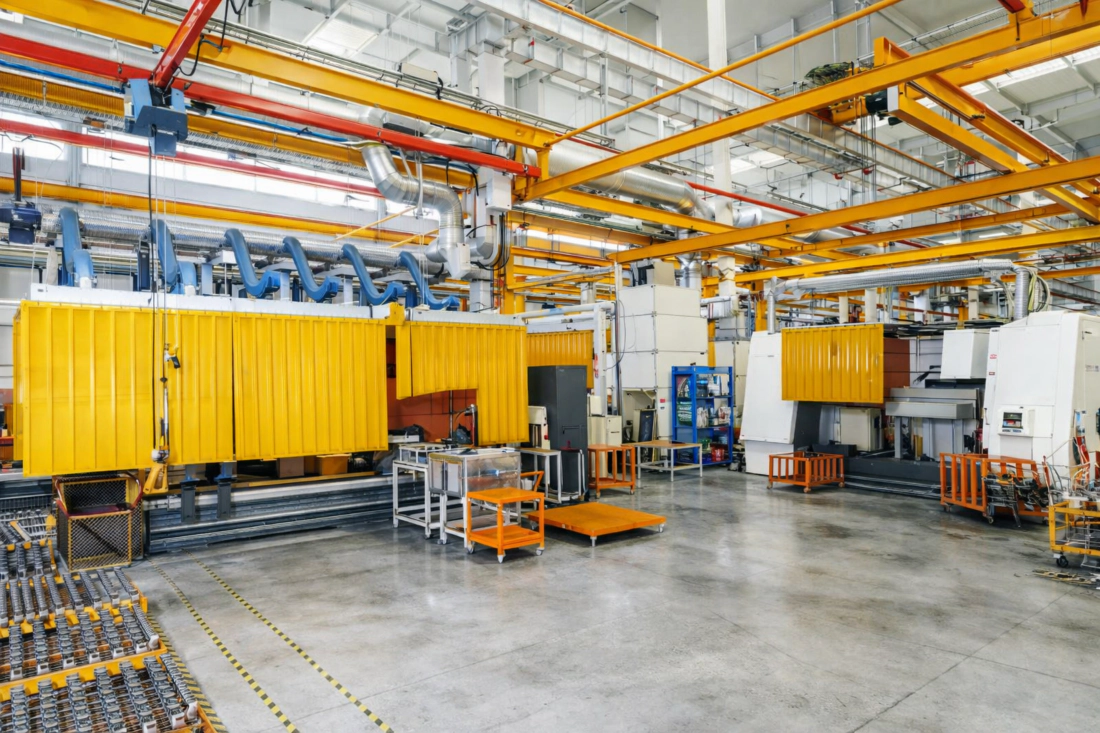
Kinematic Architecture: Double-Acting Micro Piston Dynamics
The functional requirement of a milking control valve demands instantaneous and forceful actuation. Controlling the emulsion switch involves physically overriding fluid pressures and vacuum resistance within the milk lines. Relying on a single-acting, spring-return mechanism introduces unacceptable lag and poses a severe risk of incomplete valve closure, which can lead to air ingress, vacuum drops, and subsequent mastitis risks for the herd. Our engineering paradigm shifts entirely to a double-acting fluid power configuration. By channeling pressurized media to both sides of the piston, the cylinder delivers aggressive, active extension and equally powerful, active retraction. This guarantees that the control valve snaps perfectly into position, sealing off or opening the emulsion pathways with mathematical exactness.
Space within a milking cluster or robotic arm is severely constrained. Traditional bulky actuators interfere with the delicate pneumatic wiring and milk hoses. We resolved this spatial challenge by designing a micro piston cylinder structure. Through advanced finite element analysis (FEA), our design team maximized the internal bore-to-wall-thickness ratio, delivering astonishing power density within a miniature footprint. The micro piston glides through an ultra-honed internal barrel, ensuring that the necessary kinetic force required to manipulate the emulsion switch is generated without adding cumbersome weight to the milking unit, preserving the ergonomic balance necessary for both manual attachment and automated robotic indexing.
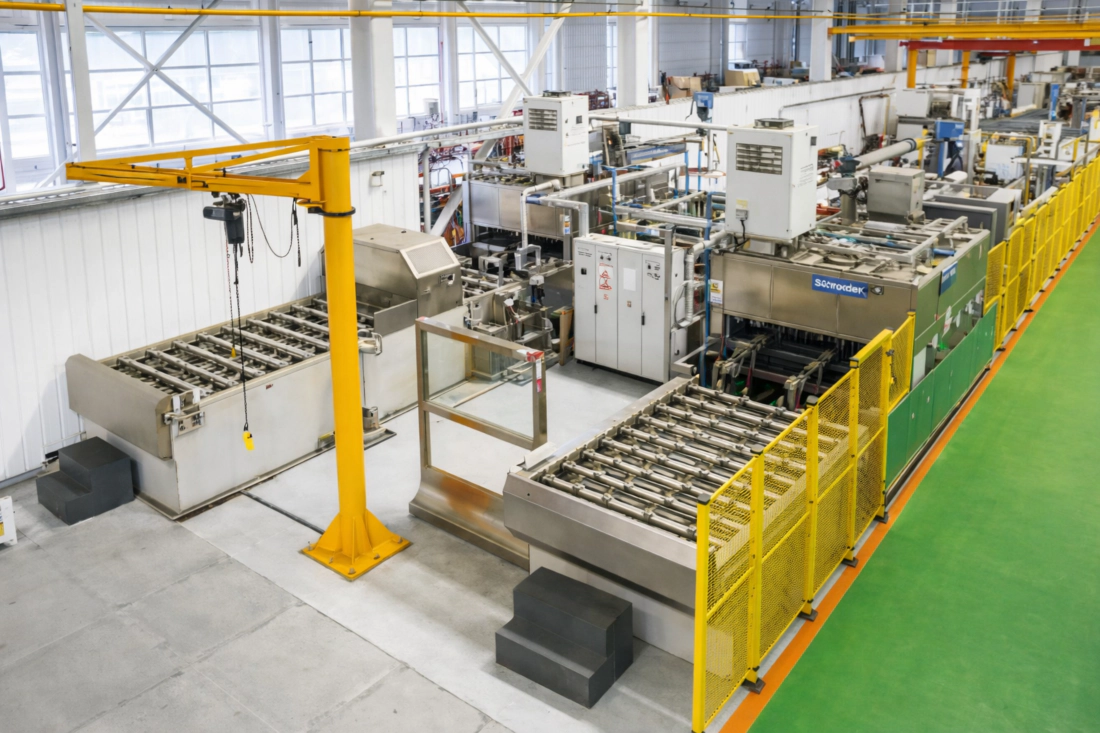
Metallurgical Defense: Polished Stainless Steel Matrix
The operational atmosphere of a dairy facility is notoriously aggressive toward industrial metals. To ensure raw milk remains entirely free of pathogens, the entire milking infrastructure undergoes exhaustive Clean-In-Place (CIP) procedures multiple times daily. This process subjects the equipment to a volatile mixture of scalding hot water, highly alkaline detergents (to dissolve milk fats), and powerful acid rinses (to eliminate mineral milk stone). This combination constitutes a severe cleaning agent + corrosion environment. Standard aluminum or carbon steel actuators, even those protected by advanced anodizing or epoxy paints, inevitably suffer from galvanic attack. The chemical solutions penetrate microscopic paint pores, rapidly inducing pitting, structural rust, and catastrophic mechanical failure.
Our manufacturing protocol entirely bypasses this vulnerability by executing a full stainless steel construction methodology. We forge the cylinder barrel, the extending rod, the end caps, and all mounting trunnions from premium-grade stainless steel. This alloy features a high chromium and molybdenum content, generating an invisible, self-repairing oxide layer that violently repels acidic and alkaline chemical attacks. Furthermore, we mandate an intensive polished surface treatment for the exterior housing and the rod. Mechanical polishing eradicates micro-crevices—the exact microscopic locations where bacterial biofilms form and corrosive chemicals pool. This ultra-smooth, mirror-like finish ensures that dairy sanitation teams can easily wash down the equipment, maintaining absolute compliance with global food safety regulations while securing the structural lifespan of the valve actuator cylinder.
Neutralizing Typical Failure Modes in Dairy Automation
Analyzing decades of performance data from rotary and parallel milking parlors reveals a singular, predominant cause of downtime: corrosion-induced fluid bypass. When an actuator is situated directly in the splash zone of CIP chemicals and raw milk, standard internal seals undergo rapid molecular degradation. Nitrile (NBR) or standard polyurethanes harden, crack, and lose their elastic memory when repeatedly boiled and bathed in nitric acid or sodium hydroxide. Concurrently, if the extending rod suffers even minor pitting from the cleaning agent + corrosion atmosphere, those microscopic sharp edges act like a rasp, shredding the compromised seals as the cylinder cycles. This results in internal and external fluid leaks, plunging the control valve into an unresponsive state and halting the entire milking process.
Our highly recommended configuration completely neutralizes this specific failure trajectory: a full stainless steel cylinder paired with an advanced corrosion-resistant seal architecture. We implement specialized fluoroelastomer (FKM) or advanced EPDM seals precisely formulated to remain chemically inert despite relentless exposure to caustic CIP fluids and thermal shock. By sealing a flawless polished stainless steel rod against these hyper-resilient polymer boundaries, we eliminate the friction and chemical degradation that cause standard actuators to fail. This engineering synergy ensures that controlling the emulsion switch remains a precise, leak-free operation, protecting your dairy farm’s productivity and drastically reducing emergency maintenance expenditures.
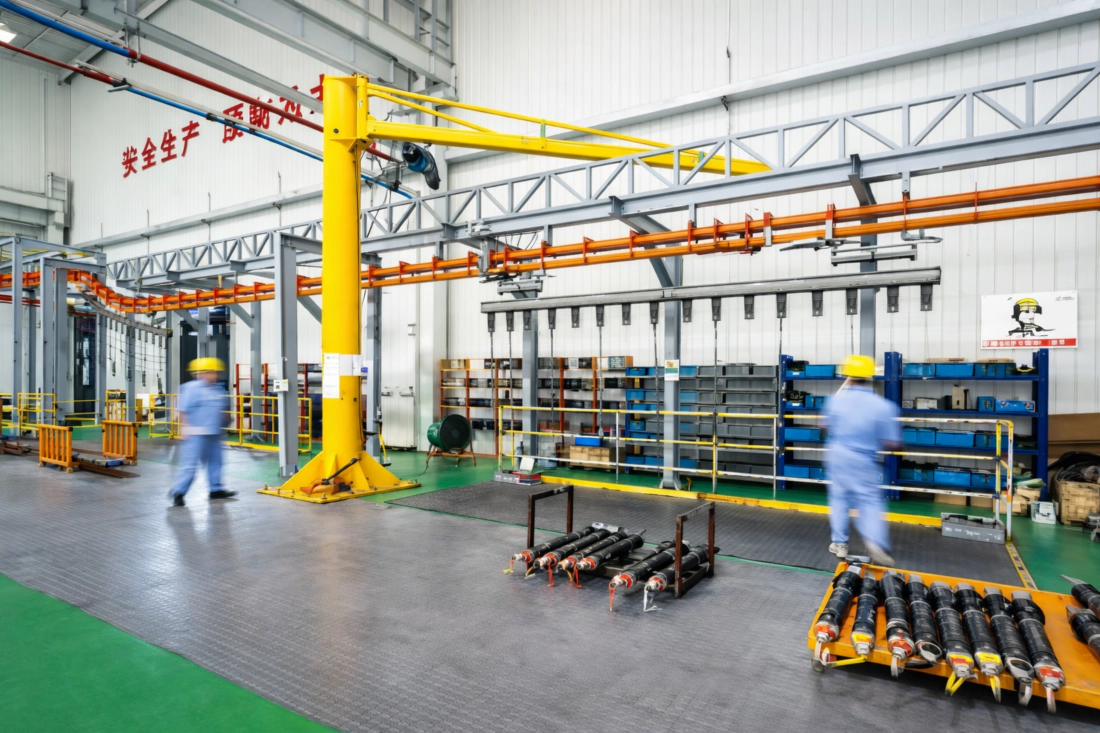
Parameter Kejuruteraan Teras & Spesifikasi Teknikal
| Parameter Kejuruteraan | Spesifikasi Sistem |
|---|---|
| Target Application | Agriculture | Milking Machine Technology |
| Primary Component | Milking Control Valve / Emulsion Switch Mechanism |
| Mod Tindakan Kinematik | Tindakan Berganda (Pemanjangan & Penarikan Berkuasa) |
| Pengelasan Struktur | Micro Piston Cylinder (High Power Density) |
| Manufacturing Material | High-Grade Stainless Steel (Full Body Construction) |
| Rawatan Permukaan Luaran | Mechanical Polished Finish (Biofilm Resistant) |
| Toleransi Alam Sekitar | Cleaning Agent + High Corrosion Atmosphere |
| Typical Failure Targeted | Total Chemical Corrosion & Seal Deterioration |
| Konfigurasi yang Disyorkan | Full Stainless Steel Cylinder + Corrosion-Resistant Seals |
Strategic Advantages in Global Dairy Applications
Deploying our custom valve actuator cylinder yields profound operational benefits for large-scale agricultural enterprises. The inherent reliability of a double-acting micro piston cylinder ensures that milking clusters attach, extract, and detach with absolute timing precision. By totally removing the risk of rust and heavy metal contamination through our polished stainless steel architecture, OEM manufacturers can guarantee their equipment meets the strictest international food contact safety standards. The elimination of actuator corrosion directly correlates to uninterrupted herd throughput, protecting the farm’s revenue stream from the cascading delays caused by failing fluid controls.
These high-performance cylinders find seamless application across the entire spectrum of modern dairy layouts. In massive rotary milking parlors, where hundreds of clusters move continuously through washing zones, the micro piston cylinders actuate the emulsion valves relentlessly without succumbing to the high-pressure spray. In cutting-edge Automated Milking Systems (AMS) and robotic milking arms, the compact geometry of the cylinder allows for tighter mechanical integration, while the powerful double-acting force manages the heavy vacuum switching necessary for delicate teat attachment. By mastering the hostile cleaning agent + corrosion environment, our fluid power solutions operate invisibly and infallibly behind the scenes of global dairy production. Explore our full range of agricultural fluid power innovations here.
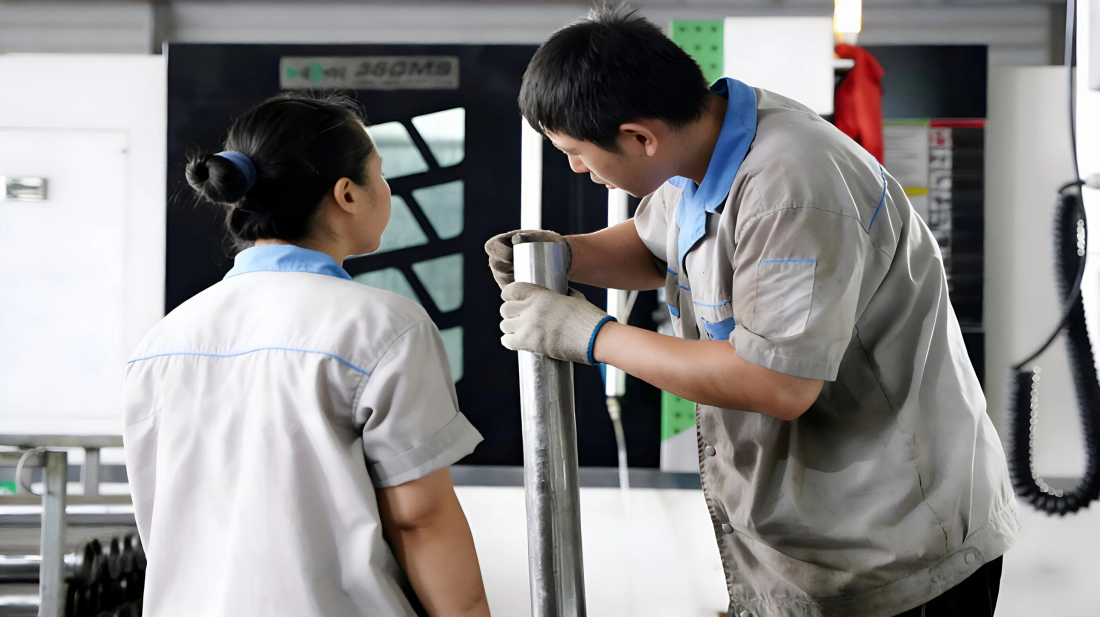
Elite Custom Manufacturing Excellence from China
Operating as a premier fluid power engineering hub based in China, our manufacturing facilities represent the intersection of advanced metallurgy and high-volume precision assembly. We profoundly understand that agricultural equipment manufacturers face unique spatial and kinematic constraints. Off-the-shelf actuators rarely interface perfectly with proprietary milking control valve designs. Our core operational capability is delivering deeply customized product engineering. Whether your milking robot requires a highly specific stroke length, unique mounting trunnions, or specialized porting configurations for your pneumatic blocks, our R&D team in China will collaborate directly with your engineers. We leverage vast CNC machining capacity to process full stainless steel stock efficiently, allowing us to deliver rapid prototypes and scalable production runs equipped with corrosion-resistant seals, providing your enterprise with a distinct competitive advantage in durability and cost.
Success Story: Eradicating Downtime in Dutch Rotary Parlors
In the agricultural heartland of the Netherlands, a highly advanced dairy cooperative managing an 80-point rotary milking system was facing a critical mechanical crisis. The facility’s rigorous sanitation standards involved flushing the milking clusters with highly concentrated phosphoric acid and sodium hydroxide. This intense cleaning agent + corrosion environment was devastating the original brass and painted aluminum cylinders used to actuate the milking control valves. The harsh chemicals caused severe galvanic corrosion, leading to piston rod pitting that shredded the internal seals within three months of installation. The resulting failure to properly control the emulsion switch caused vacuum drops, directly resulting in delayed milking times and a severe risk of cross-contamination.
Our fluid power engineering team engaged with the cooperative’s maintenance directors to engineer a permanent structural solution. We replaced the failing units with our custom double-acting micro piston cylinders, designed entirely from polished stainless steel to repel the acidic baths. Internally, the cylinders were fortified with premium corrosion-resistant seals specifically formulated to withstand continuous hot chemical exposure. Upon retrofitting the entire 80-point rotary deck, the cooperative witnessed an immediate transformation. Over the subsequent 18 months, the facility recorded zero actuator failures. The polished stainless steel surfaces easily shed bacterial biofilm during washing, ensuring pristine hygiene, while the robust double-acting mechanism ensured every emulsion valve triggered with absolute perfection. Read more about our engineering legacy and global impact.
Global Engineering Feedback
“The cleaning agent + corrosion environment in our robotic dairies destroys standard parts fast. Switching to these full stainless steel units from their China factory completely solved our rust and seal degradation problems.”
— Johan D., Dairy Automation Engineer, Germany
“Controlling the emulsion switch accurately is vital for milk quality. The double-acting micro piston design provides the immediate, forceful action we need, fitting perfectly within the tight space of our milking clusters.”
— Sarah L., Equipment OEM Designer, USA
“The polished surface treatment is brilliant. Milk stone and bacteria simply cannot stick to it during CIP washing. Combining that with the corrosion-resistant seals makes this the ultimate actuator for dairy farming.”
— Marco V., Maintenance Director, New Zealand