If you’ve ever stood in a spruce forest at 5 a.m., watching a harvester head strip a tree in six seconds flat, you know that forestry is not a gentle business. It is high-speed, high-impact, and incredibly dirty. In my 18 years of engineering hydraulic solutions for heavy equipment, I have yet to find an environment more hostile to hydraulic cylinders than the logging industry. The combination of fine sawdust (which acts like a sponge for oil and a grinding paste for seals), tree sap, and the brutal shock loads of delimbing means that a standard “off-the-shelf” cylinder usually fails within weeks.
We’ve seen it time and again: a contractor tries to save a few bucks by fitting a standard agricultural cylinder to their processing head. It works for a few days, and then—snap. The rod bends, or the seal blows out, spewing hot oil all over the timber. The trick isn’t just making the cylinder “stronger”; it’s about understanding the tribology of wood dust and steel. That is why our Forestry Harvester Clamp Cylinders are built differently. We utilize 42CrMo (Kromium-Molibdenum) steel for the rod and barrel, coupled with a proprietary “sawdust-exclusion” sealing system. It’s a specific tool for a specific job.
👀 See How We Build Them Tough
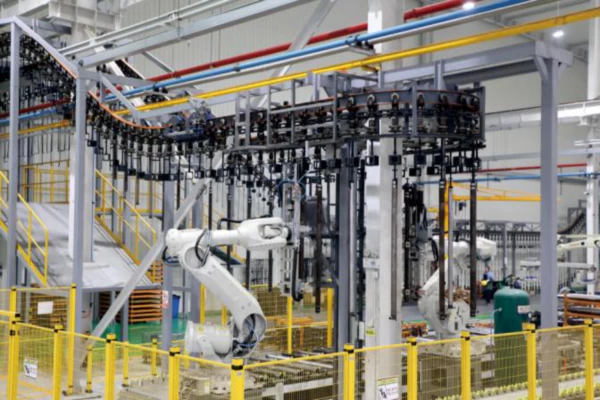
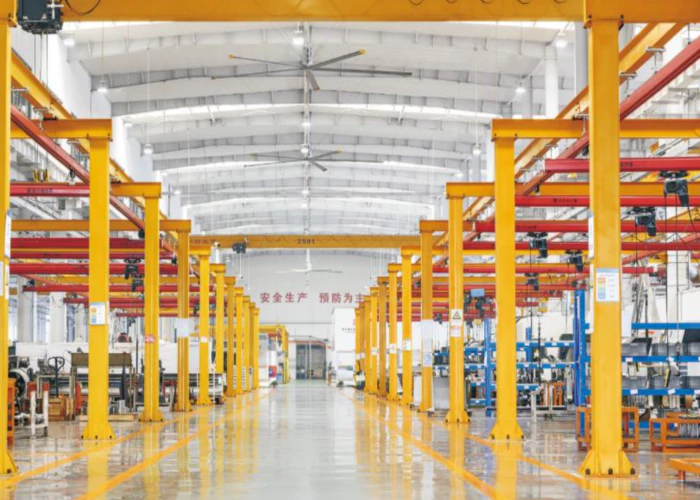
You don’t have to take my word for it. We’ve digitized our entire production floor. You can virtually walk up to our honing machines and see the induction hardening process that gives our rods their backbone.
Masuk ke dalam kilang sekarang:
The Anatomy of a Wood-Eating Cylinder
Let’s get technical for a moment. The Clamp Cylinder (often called a grab arm cylinder or feed roller cylinder) has two main enemies: Lateral Deflection dan Contamination. When a harvester head grabs a tree, the tree fights back. It twists. This puts a massive side-load on the cylinder rod. If you are using standard 1045 carbon steel, the yield strength just isn’t there. It bends. Once it bends, the seals lose contact on one side, and you have a leak.
This is why we standardize on 42CrMo. It’s quenched and tempered (Q+T) to provide high tensile strength while retaining enough ductility to absorb shock without snapping. But the real magic is in the sealing. Most printers (manufacturers) use a standard single-lip wiper. That’s useless in sawdust. We use a heavy-duty, double-lip polyurethane wiper, often paired with a metallic scraper ring. The metal scraper literally shaves the frozen sap and ice off the rod before it can reach the soft seals. We also plate the rods with a thicker-than-standard layer of hard chrome (30-50 microns) to resist the abrasion from bark and dirt.
| Ciri | Standard Excavator Cylinder | Our Forestry Spec |
|---|---|---|
| Bahan Rod | 1045 / ST52 Steel | 42CrMo (Induction Hardened) |
| Penyaduran Rod | Krom Piawai (20μm) | Heavy Chrome (30-50μm) or Ni-Cr |
| Pengedap Pengelap | Single Lip NBR | Double Lip PU + Ice Scraper |
| Working Speed | Moderate (< 0.5 m/s) | High Speed (> 1.0 m/s) |
| Suhu | -20°C hingga +80°C | -40°C to +100°C (Cold Weather Kit) |
Di Mana Silinder Ini Berada?
While we call it a “Harvester Head Cylinder,” its application is actually quite diverse within the forestry sector. You will find these heavy-duty units on Felling Heads (where they power the grab arms holding the tree upright), Processors (where they clamp the log against the feed rollers), and even on Delimbers.

A key factor in these applications is speed. Harvester heads operate lightning fast. The cylinder extends and retracts multiple times per minute as the operator adjusts the grip on a tapering log. This rapid oscillation builds up heat in the seals. Our design incorporates low-friction composite wear bands (instead of cheap plastic) to handle this heat without melting or swelling. We also see these cylinders used in Log Grapples for loading trucks, where the primary challenge is shock loading when the grapple is dropped onto a pile of logs.
Case Study: The Frozen North Challenge
Pelanggan: “Nordic Timber Solutions” – A large logging contractor in Finland.
Masalahnya: They were operating a fleet of converted excavators with harvester heads in temperatures reaching -35°C. The OEM cylinders were failing catastrophically. The standard NBR seals were becoming brittle and shattering in the cold, causing massive hydraulic leaks. Furthermore, the pine sap was freezing onto the rods, tearing up the new seals within 48 hours.
Penyelesaian Kami: Kami merekayasa tersuai “Arctic Spec” Harvester Cylinder.
- ✅ Bahan: 42CrMo rod with Nickel-Chrome plating (for sap resistance).
- ✅ Meterai: Switched to a specialized Low-Temperature Polyurethane (Cold-PU) capable of staying flexible at -45°C.
- ✅ Innovation: Installed a brass ice-scraper ring as the primary defense mechanism.
Hasilnya: The new cylinders ran through the entire winter season (approx. 2000 hours) without a single leak. The maintenance manager, Jukka, sent us a photo of the clean snow under the machine—no pink hydraulic oil spots. That’s the kind of ROI we like to see.
Voice from the Forest
“We used to bend rods every month on our big oak processor. Since switching to Ever Power’s 42CrMo cylinders, we haven’t bent one yet. They are heavy, but they last.”
— Mike R., Logging Contractor, Canada
“The seal kit they designed for sawdust is legit. I pulled a cylinder apart after 6 months, and the oil inside was still clean. Usually, it looks like sludge.”
— Thomas B., Field Mechanic, Germany
“Fair price and they actually understood what I meant by ‘feed roller dampening.’ Good engineering team.”
— Liam K., Procurement, New Zealand
Analisis Strategik (SWOT)
Kekuatan
- High-Yield Strength 42CrMo material.
- Proprietary sawdust-proof seal configuration.
- Deep understanding of forestry environments.
- Rapid customization capability.
Kelemahan
- Kos yang lebih tinggi daripada silinder keluli lembut generik.
- Heavier component weight.
- Lead time for specialized plating (Ni-Cr).
Peluang
- Shift towards Bio-degradable oils (requires specific seals).
- Automation in forestry (Smart Cylinders).
- Retrofitting older harvester heads.
Ancaman
- Cheap, low-quality imports are flooding the market.
- Harga keluli aloi yang berubah-ubah.
- Environmental regulations limiting hydraulic use.
Where is Forestry Tech Going?
We are watching the industry shift towards “Smart Forestry.” It’s not just about cutting trees anymore; it’s about data. We are seeing requests for cylinders with integrated position sensors (linear transducers) buried inside the rod. This allows the harvester’s computer to know exactly the diameter of the log based on the clamp opening, in real-time. Also, Bio-Oil Compatibility is huge. Traditional Nitrile seals dissolve in some bio-oils. We are now standardizing on FKM (Viton) or specialized HPU seals that can handle environmentally friendly fluids without swelling.
Built for Your Woods
Here is the reality: No two harvester heads are exactly the same. You might have a Waratah, a Ponsse, or a John Deere, and maybe you’ve modified the mounting ears to fit a different rotator. Off-the-shelf parts won’t fit. That’s where we shine. We specialize in Kejuruteraan Songsang. Send us the broken cylinder, or just the dimensions, and we will build a replacement that fits perfectly but is built stronger with better materials.
Soalan Lazim (FAQ)
Why do my harvester head cylinder seals fail so quickly in pine forests?
It is usually the sap and the fine dust. Pine sap acts like glue, catching the sawdust on the rod. When that sticky mess gets pulled back into the gland, it destroys standard wipers in days. We use a specialized metallic scraper or a double-lip wiper made of aggressive polyurethane to physically shave that debris off the rod before it hits the main seal.
Is 42CrMo steel really necessary for a grab cylinder, or is it just marketing hype?
In forestry? It is necessary. Trees don’t fight fair. When you are delimbing a heavy oak or twisting a pine log, the side loads on the rod are massive. Standard ST52 steel will bend or ‘banana’ under that stress. 42CrMo (Chromium-Molybdenum) is quenched and tempered to have a yield strength nearly double that of standard steel, keeping your rod straight and your machine running.
How fast can you manufacture a custom replacement cylinder if my harvester is down?
We know that a parked machine costs you thousands a day. For custom specs where we need to machine 42CrMo from scratch, we typically look at 3 to 4 weeks. However, if you have the dimensions ready, we have an expedited ‘breakdown track’ where we can often turn things around in 15-20 days, depending on the complexity of the valve block integration.
Can you build a cylinder compatible with Waratah or Ponsse harvester heads?
Yes, we do this daily. We specialize in aftermarket replacements that meet or exceed the OEM specs. We just need the critical dimensions—pin diameter, stroke, and port locations. We can often improve the original design by adding better wear bands or heavier chrome plating to extend the service life.
What is the cost difference between a standard agricultural cylinder and your forestry-spec cylinder?
You are comparing a farm tractor to a tank. A forestry-spec cylinder with 42CrMo steel, induction hardened rod, and high-load seals will cost about 30-40% more than a generic ag cylinder. But considering the ag cylinder might last a week in a logging camp, the forestry unit is actually cheaper per hour of operation.
Don’t Let Sawdust Stop You.
Upgrade to the cylinder that eats wood for breakfast. Let’s talk specs.